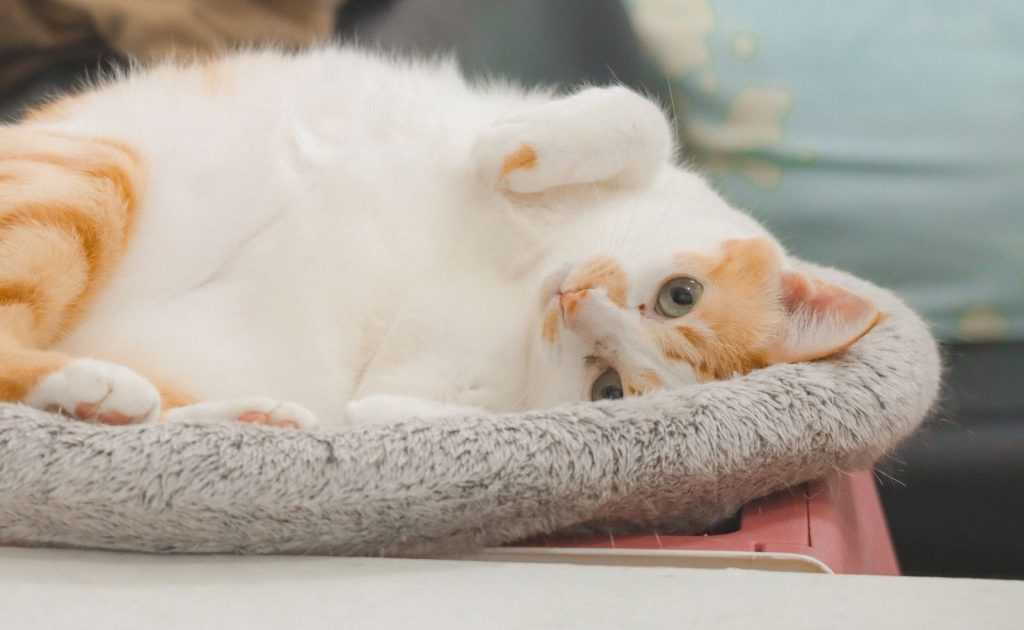

Wholesome cat photos can capture tiny moments that feel unusually comforting: a slow blink toward a familiar person, two cats resting near each other, a kitten playing safely, or an older cat choosing someone’s lap. The appeal often comes from recognizing familiar feline behaviors in one frozen moment. A relaxed posture, gentle interaction, curious expression, or perfectly timed stretch can tell a small visual story without requiring an invented backstory. These images are most meaningful when viewers can enjoy them without pretending to know exactly what every cat is thinking.
Science supports a more nuanced view of cats than the old stereotype that they are simply aloof housemates. Research from Oregon State University found evidence that cats can form attachment bonds with human caregivers, while a 2020 Scientific Reports study found that slow-blink interactions can influence cat–human communication. That does not mean every cute photo proves love, trust, or a particular emotion. Body language and context still matter. Yet affectionate contact, relaxed proximity, play, exploration, and voluntary social interaction can all create genuinely warm moments worth photographing.
Cats Form Real Attachments
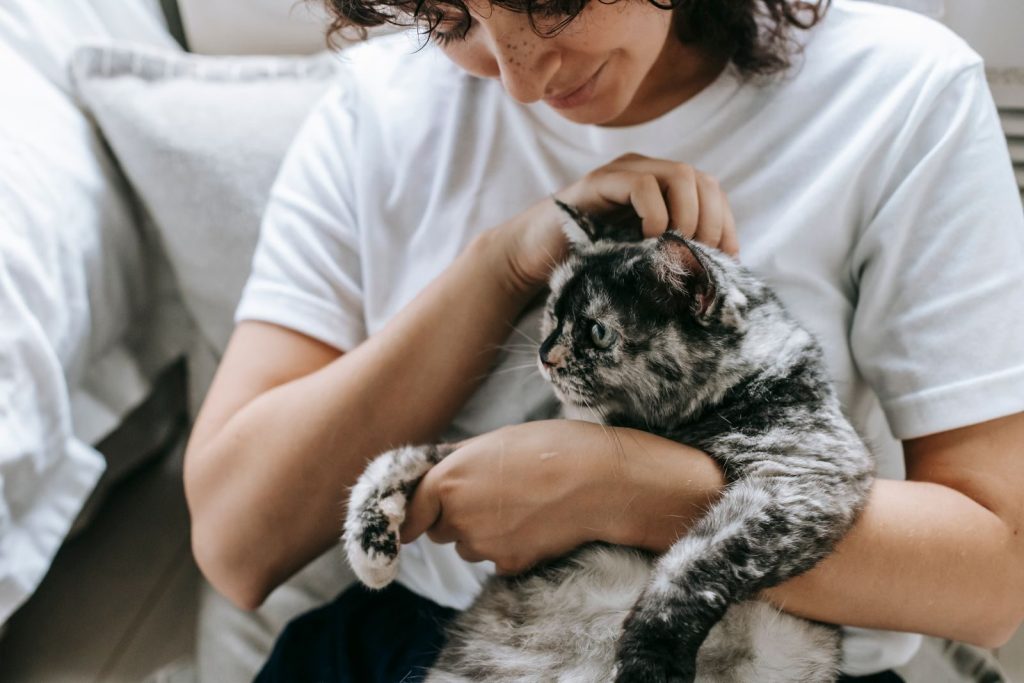
Research has found that many cats use human caregivers as a source of security, showing attachment patterns that can be studied behaviorally. That helps explain why some cats seek familiar people after uncertainty or choose to remain near them at home.
Attachment still varies between individual cats, and closeness can look different from one animal to another. One may sit on a lap while another prefers the same room. A photograph captures the behavior, but context helps explain the relationship.
Slow Blinks Build Rapport

Slow eye narrowing is one of the best-studied friendly-looking cat expressions. Experimental research found that cats were more likely to narrow their eyes after humans performed slow-blink sequences and were more likely to approach after this interaction.
That makes a slow-blink photo more than a random squint, although it should not be translated into a precise human sentence. Soft eyes, relaxed posture, and voluntary proximity together provide stronger evidence of a comfortable social interaction. The interaction is subtle, voluntary, and easy to photograph.
Relaxed Posture Changes Photos

A cat resting with loose muscles, neutral ears, and an unguarded posture looks very different from a cat that is crouched, tense, or preparing to flee. Those physical details can make an ordinary photograph feel peaceful.
Still, one frozen image cannot reveal everything about an animal’s emotional state. Good interpretation uses the full body, recent events, and environment. A calm-looking picture is most meaningful when it matches the cat’s behavior before and after the photograph. That wider context prevents overreading one appealing frame.
Play Creates Shared Moments
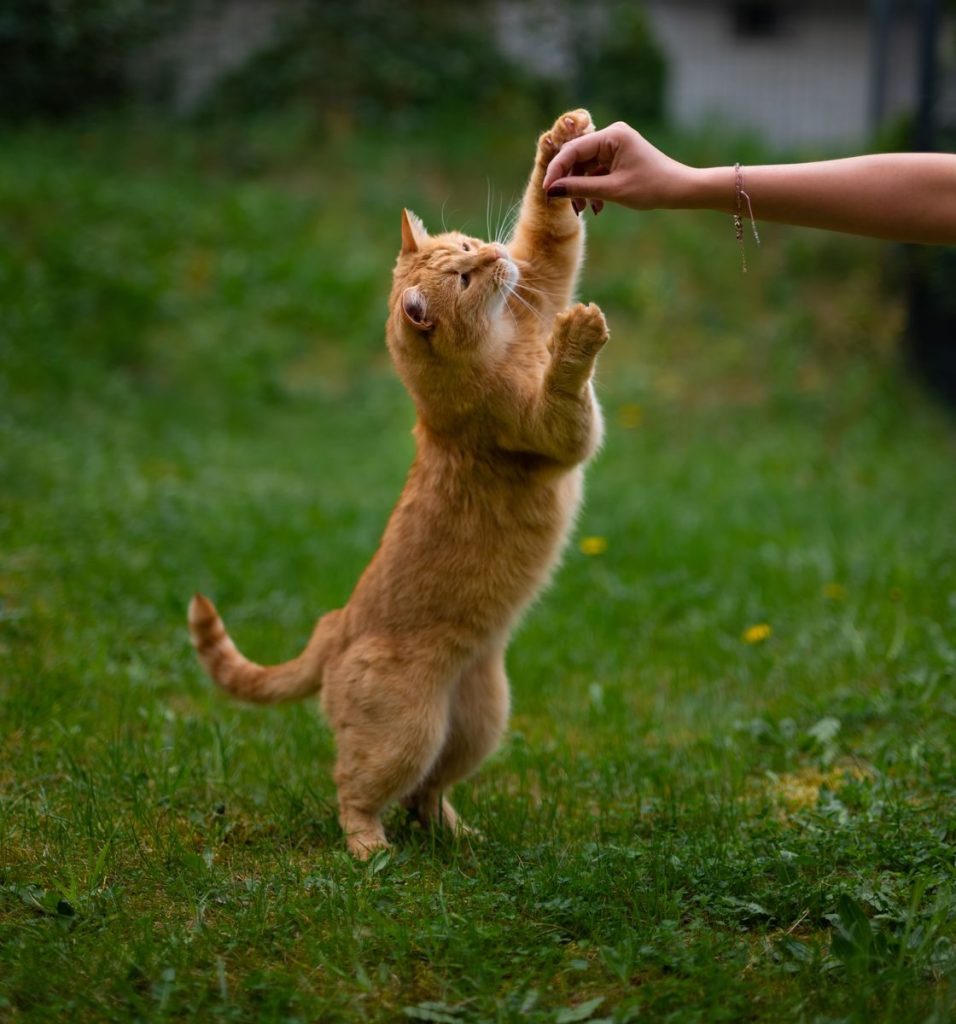
Interactive play gives cats opportunities to chase, pounce, grab, and explore while spending time with a caregiver. Photographs taken during these sessions often capture dramatic jumps, focused faces, unusual poses, and the energetic side of feline companionship.
The warm part of the image comes from safe participation rather than forcing a performance. Toys should be appropriate for the cat, and play should stop when the animal disengages. Voluntary interaction makes better enrichment and more authentic photographs. Respecting the cat’s choice keeps the interaction positive.
Curiosity Makes Photos Memorable

Cats investigate boxes, bags, furniture, windows, new smells, and moving objects, creating situations that naturally look funny or charming. Their interest in small environmental changes is one reason everyday cat photography rarely needs elaborate staging.
Curiosity should still be supported safely. Open appliances, plastic bags, string, unstable shelves, toxic plants, and tiny swallowable objects can turn a cute setup into a hazard. The best spontaneous photos happen in spaces already made safe for exploration. Safety should always come before getting the perfect picture.
Familiar People Shape Behavior
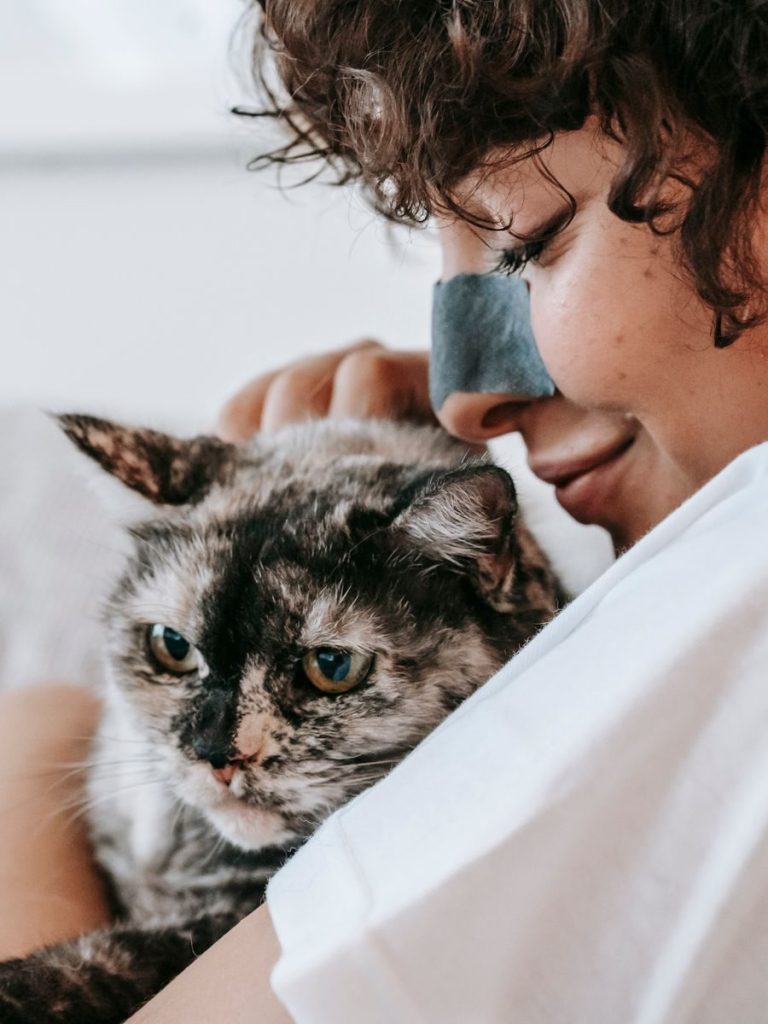
Cats can behave differently around familiar caregivers than around strangers. A cat that approaches, rubs, rests nearby, or initiates interaction with someone it knows may be responding to a long history of predictable contact and learned safety.
That relationship develops over time rather than appearing because someone wants a cute photograph. Respecting boundaries, providing resources, using gentle handling, and allowing the cat to choose contact are better foundations for closeness than repeatedly posing or restraining it. Trust is built through repeated, respectful experiences.
Individual Personalities Stand Out
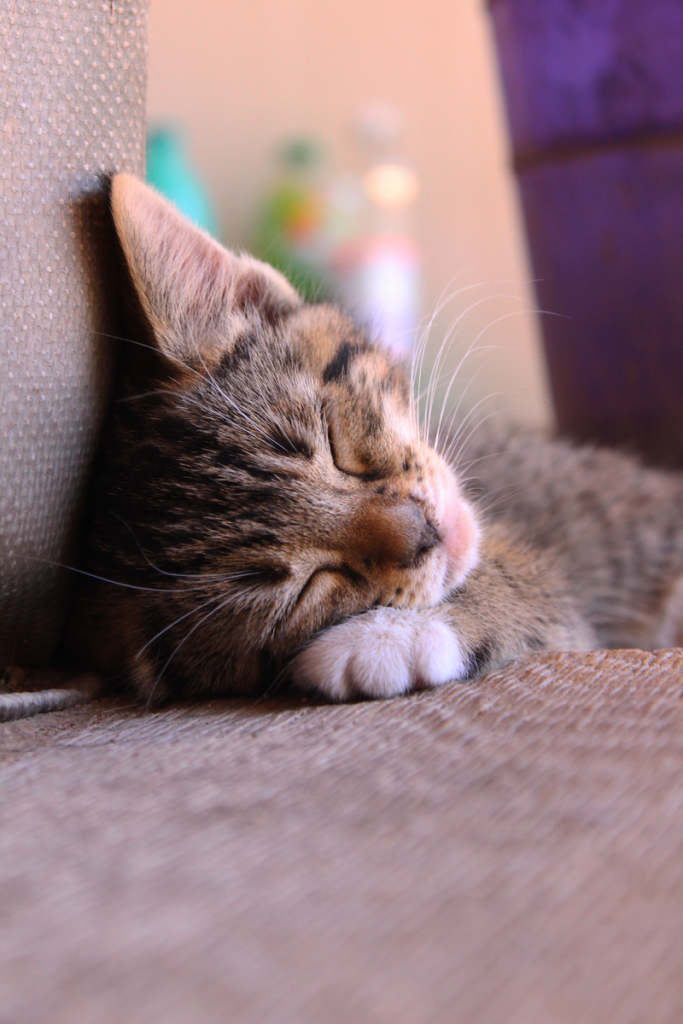
Not every cat expresses sociability in the same way. Some are highly interactive and vocal, while others prefer quieter forms of proximity. Age, early experiences, genetics, health, and the current environment can all influence visible behavior.
That individuality is part of what makes cat-photo collections appealing. A dramatic kitten, cautious senior, playful adult, and reserved lap companion can all create warm images without behaving identically. Good captions avoid pretending every pose has one universal meaning. That variety makes each cat memorable in a different way.
Cute Photos Still Need Context
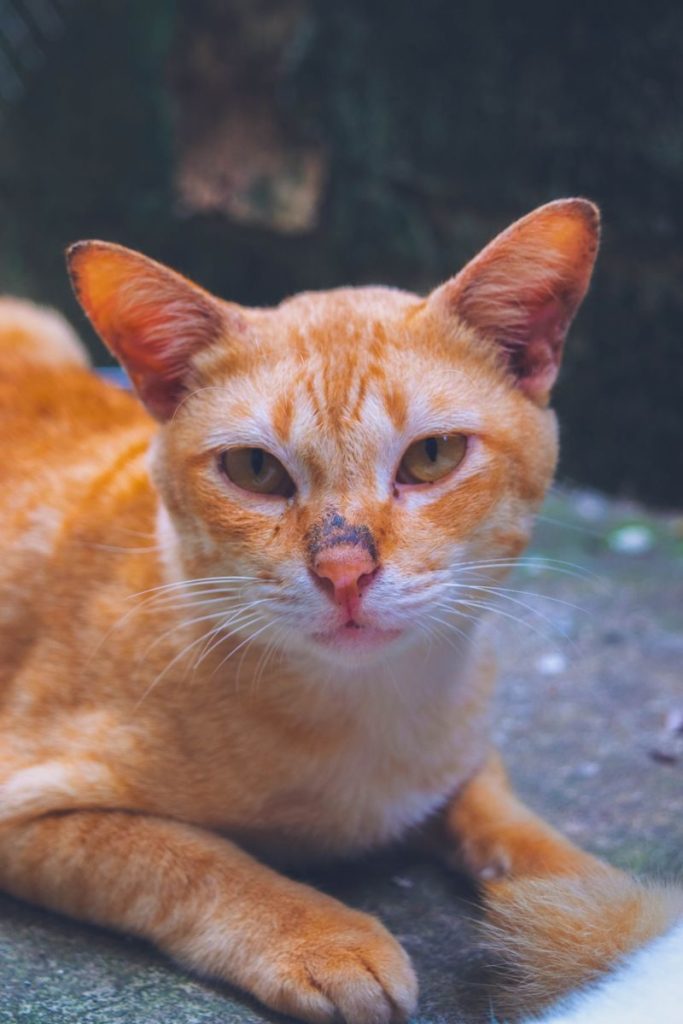
Wholesome images are easy to anthropomorphize, especially when a cat’s expression resembles a familiar human emotion. Enjoying that resemblance is harmless, but captions should avoid presenting imagined thoughts, motives, or relationships as established facts.
A stronger description says what can actually be observed: the cat approached, rested beside someone, played, blinked slowly, or curled up safely. Accurate context protects credibility while leaving plenty of room for the photograph itself to be charming. Wholesome storytelling works best when observation stays separate from imagination.
Featured Image: Photo by SpotwizardLee on Pexels