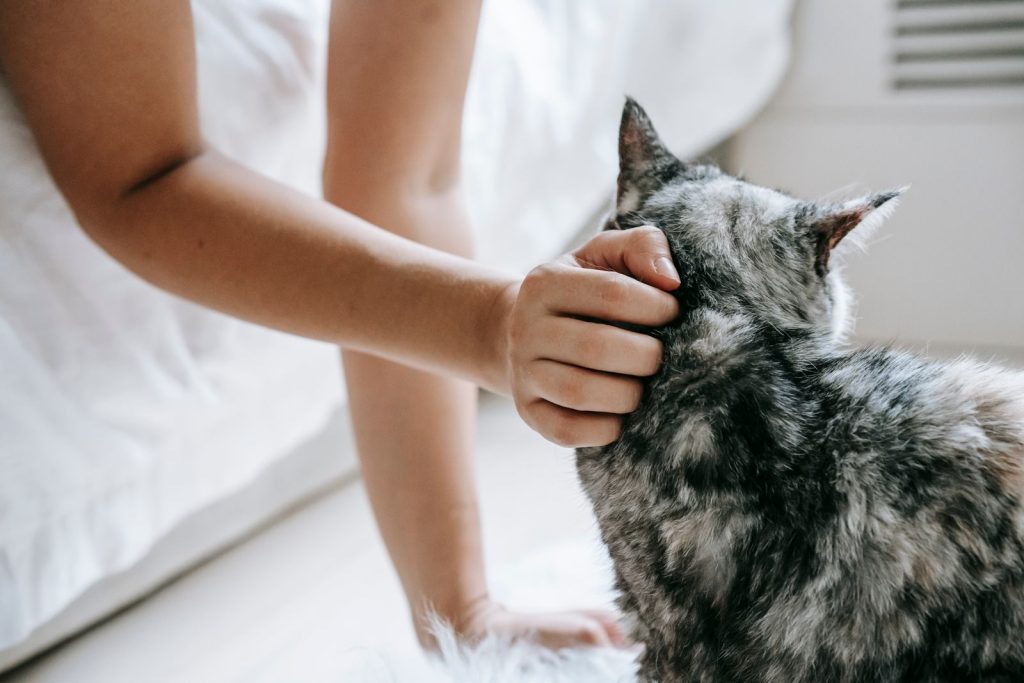

Cats are often stereotyped as indifferent when their people return home. Real household behavior is far more varied.
Some wait at doors, meow, approach with raised tails or roll onto their backs. Research increasingly shows that cats adjust their social behavior around familiar humans.
Some Cats Wait at the Door
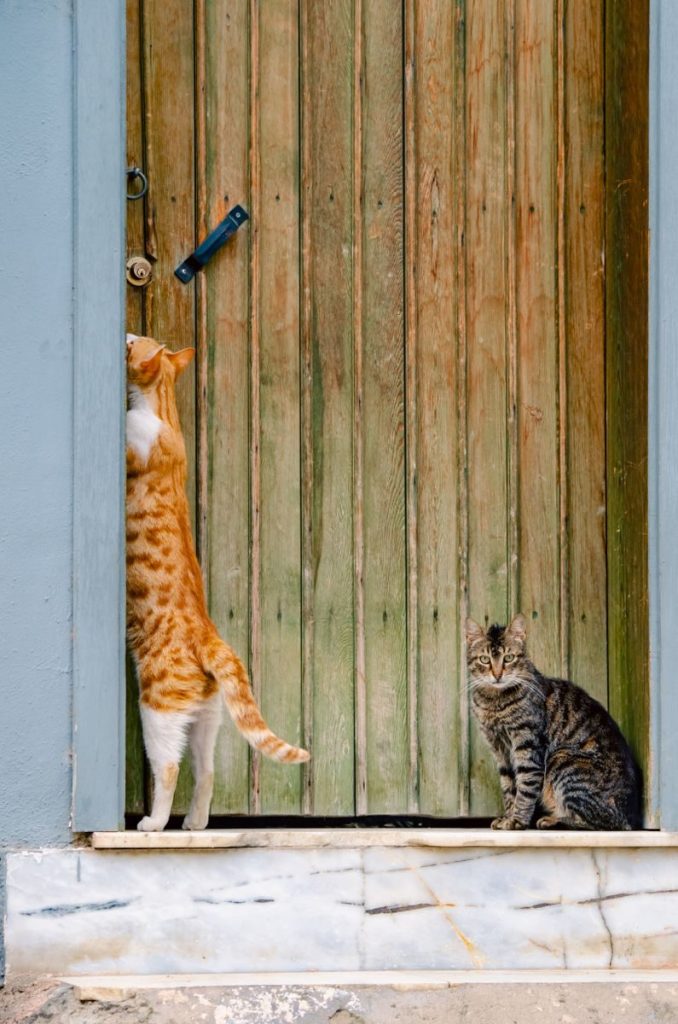
Individual cats can learn household schedules and recognize the cues associated with a person returning. Videos of cats waiting near entrances are common because many companion cats actively seek contact with familiar caregivers.
Rolling Can Be a Greeting
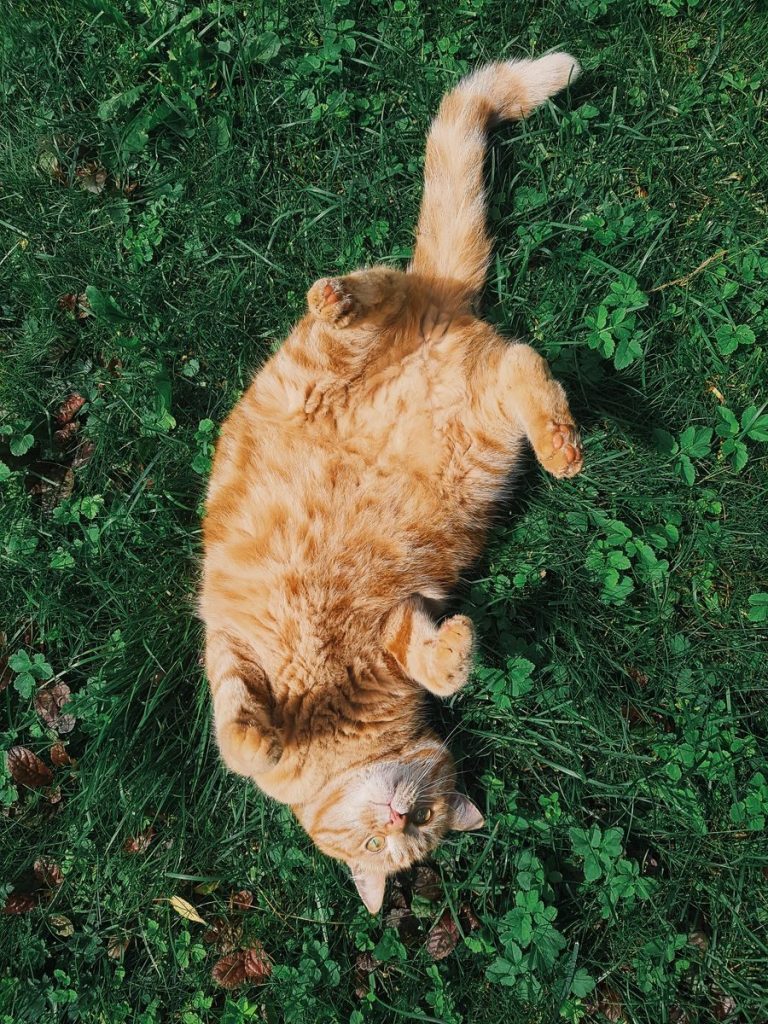
Cats Protection says a cat that flops onto its back when its person comes home may be greeting a favorite human. The animal may roll around with its paws in the air because it is pleased to see them.
Cats Can Become More Vocal
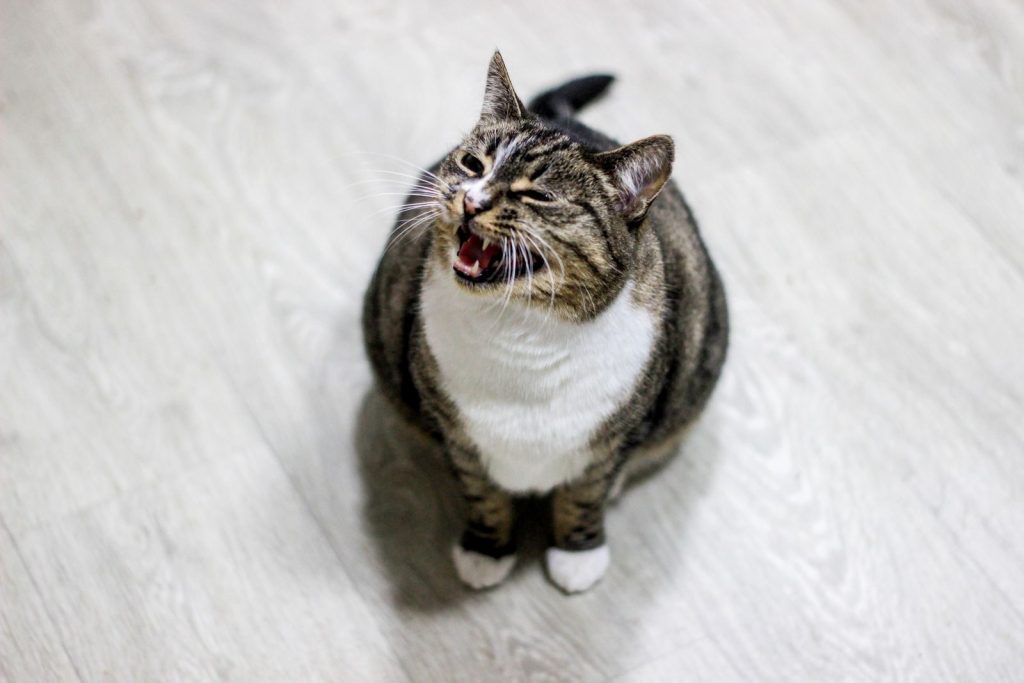
A 2025 study filmed owners during the first 100 seconds after returning home and found differences in feline vocal behavior. The researchers concluded that cats can flexibly adjust aspects of their greetings around people.
Meowing Helps Cats Communicate

Adult domestic cats use vocalizations extensively in interactions with humans. A greeting meow may be associated with attention, food, routine or social contact, and the meaning depends heavily on the individual cat and situation.
Familiar Routines Matter
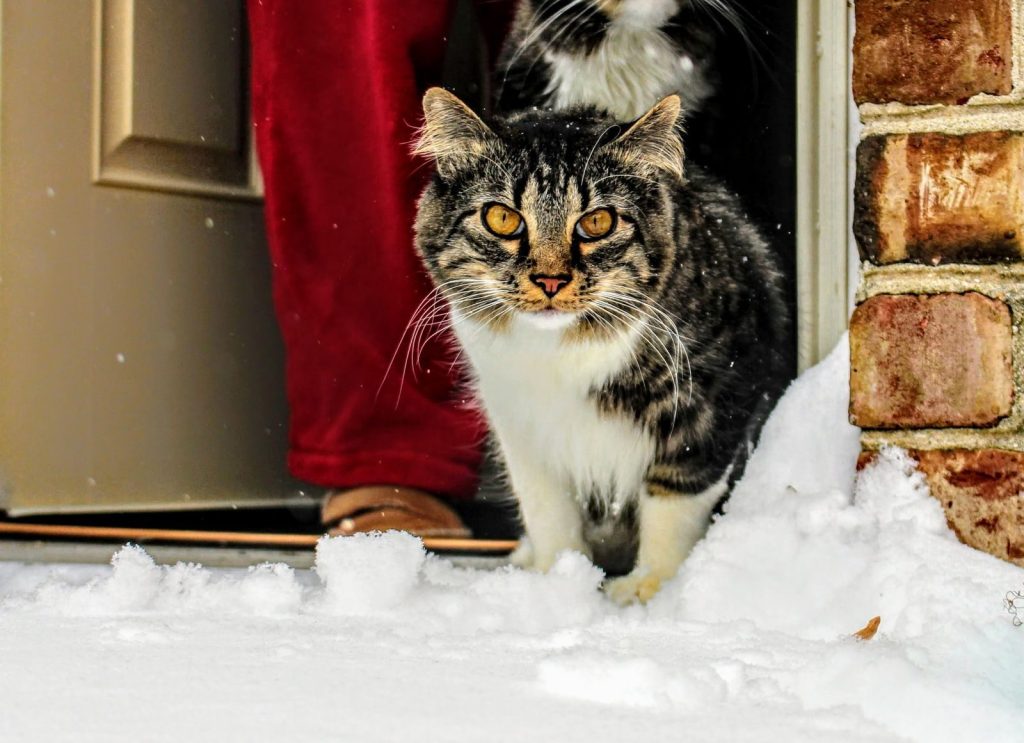
Cats are skilled at learning predictable patterns. Footsteps outside, a vehicle arriving or a regular return time can all become cues that tell a cat its person is about to appear.
Cats Form Social Bonds
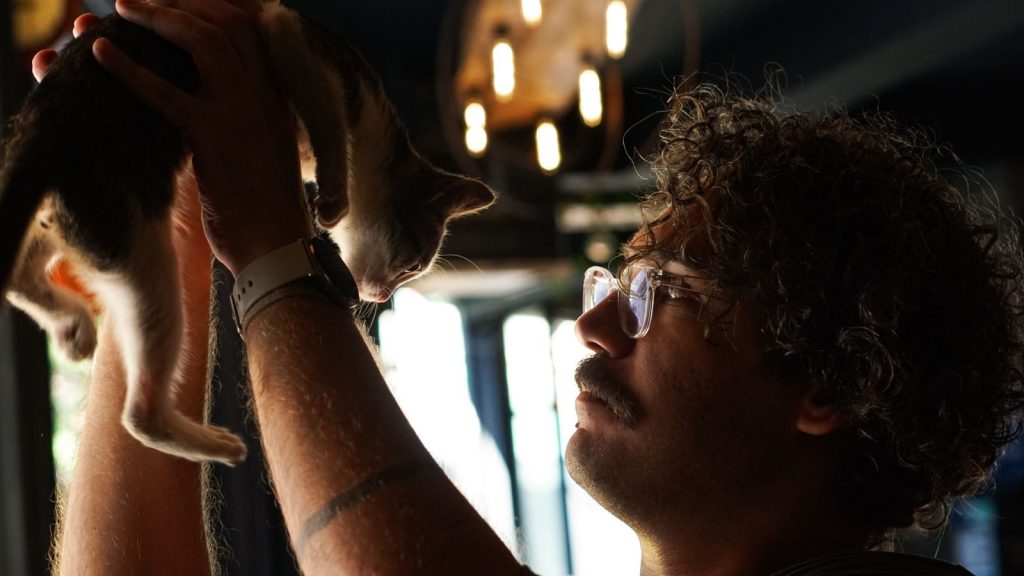
Modern research has challenged the old image of domestic cats as completely solitary pets. Cats can actively seek social interaction with caregivers and modify their behavior according to the humans they live with.
Every Greeting Looks Different

One cat may run to the door while another remains on a favorite chair and begins purring only when approached. A quieter greeting does not automatically mean the second cat has a weaker relationship with its owner.
Coming Home Can Be Special

A daily feline welcome may look simple, but it reflects recognition, routine and social interest. For many cat owners, that familiar face waiting somewhere inside the home becomes one of the most comforting parts of returning each day.