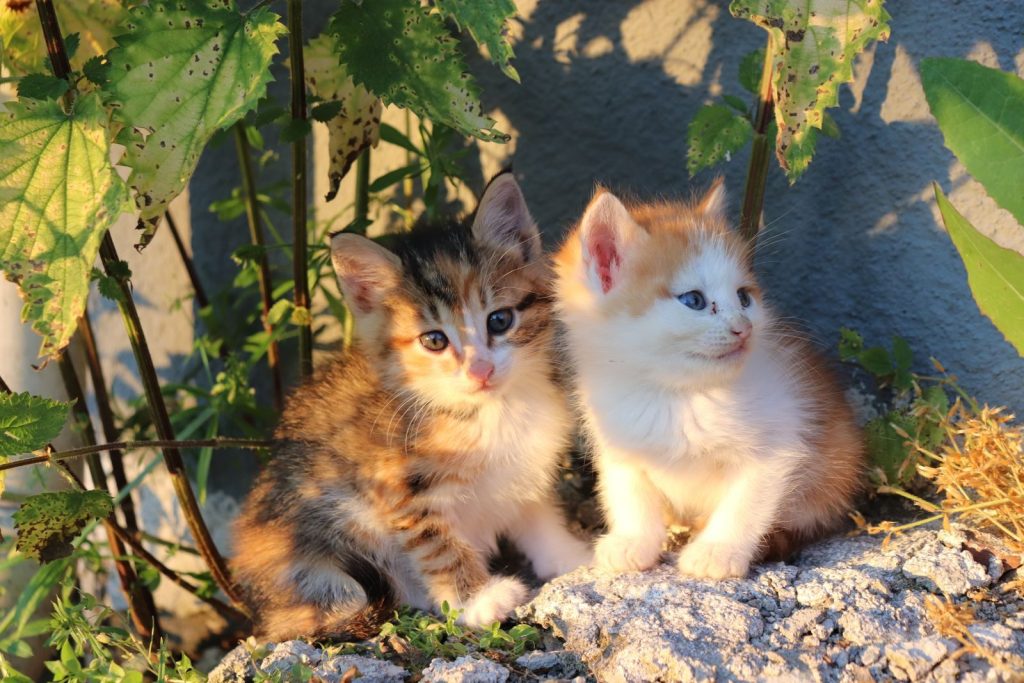

The first face-to-face meeting between a resident cat and a new kitten can feel like a major family milestone.
It should not, however, be the actual first stage of their introduction. Cats Protection recommends separate spaces, scent exchange and visual contact before direct interaction.
Give the Kitten a Sanctuary

Set up a separate room containing everything the kitten needs. This provides a secure home base and prevents the resident cat from immediately confronting a newcomer in its territory.
Swap Their Scents First
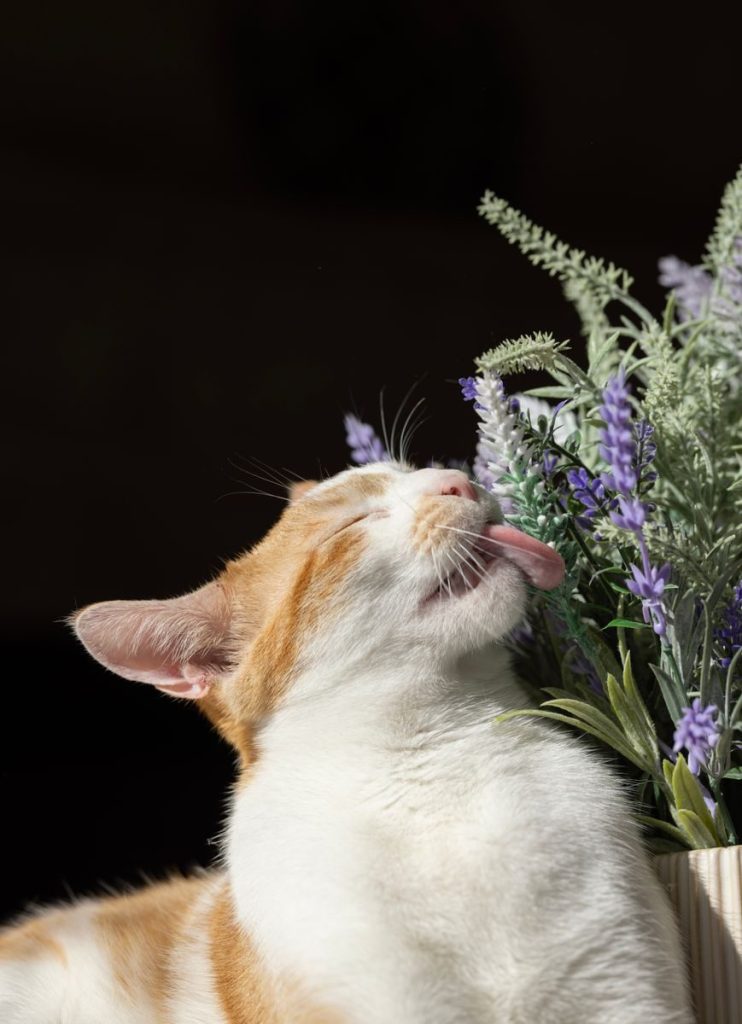
Use cloths to collect scent gently from each cat’s cheek or forehead, then place them where the other animal can investigate. Cats Protection recommends moving forward only when the scents no longer cause a strong reaction.
Let Them See Safely
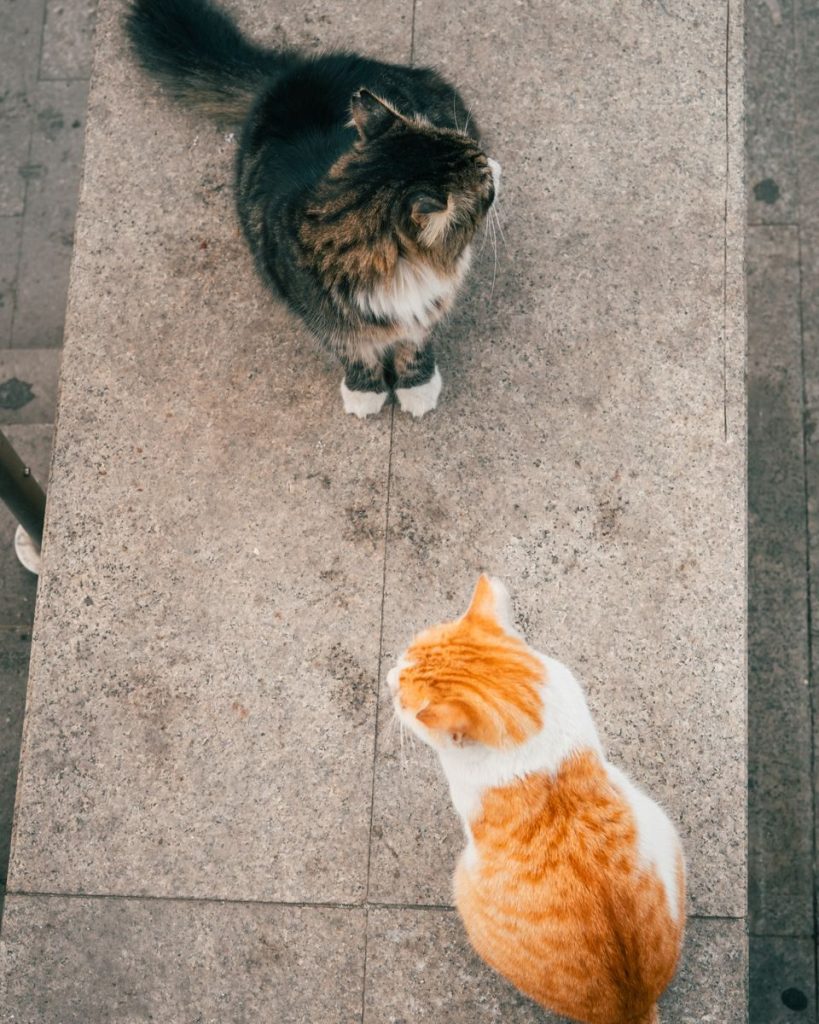
The next stage can involve viewing one another through glass, mesh or a suitable barrier. This allows visual contact without giving either cat immediate physical access to the other.
Do Not Force Contact
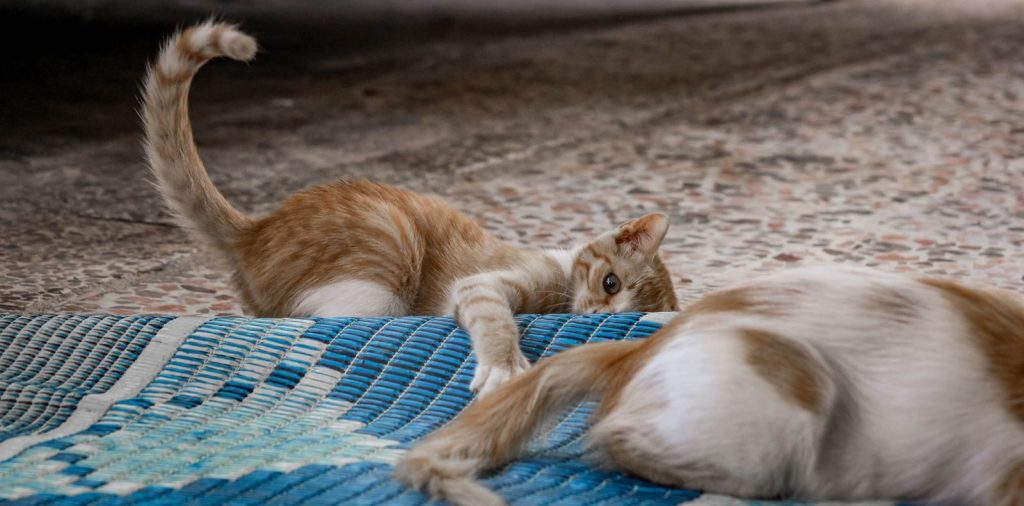
Each cat should be able to approach or retreat voluntarily. Holding them nose-to-nose removes that choice and can turn a manageable introduction into a frightening experience.
Keep the First Meeting Short
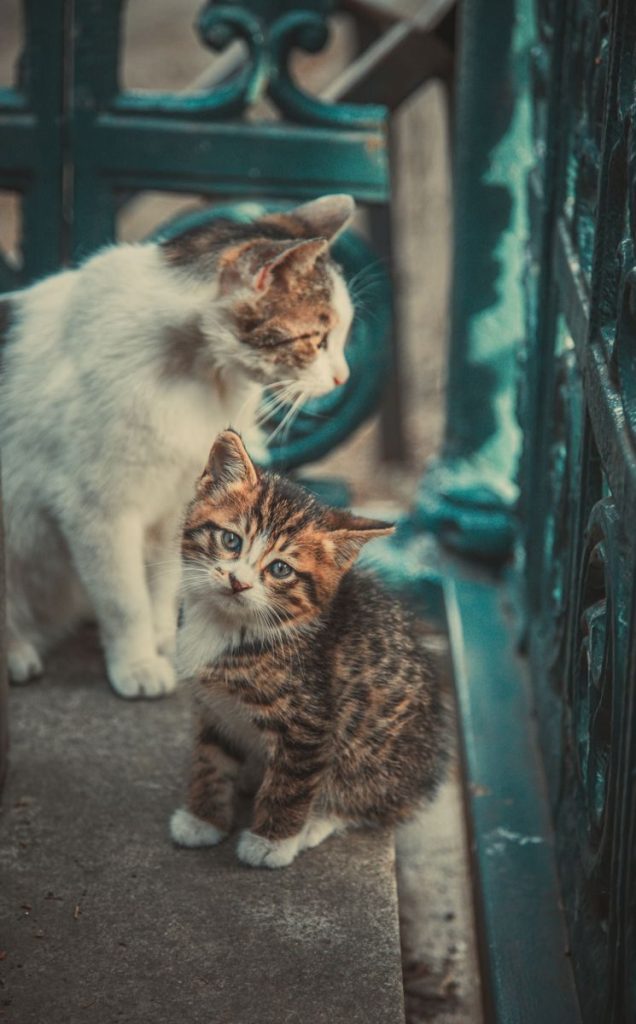
Once barrier sessions are going smoothly, brief face-to-face meetings can begin. Treats and toys can help create positive associations, while exits and high places should remain available.
Expect Different Energy Levels
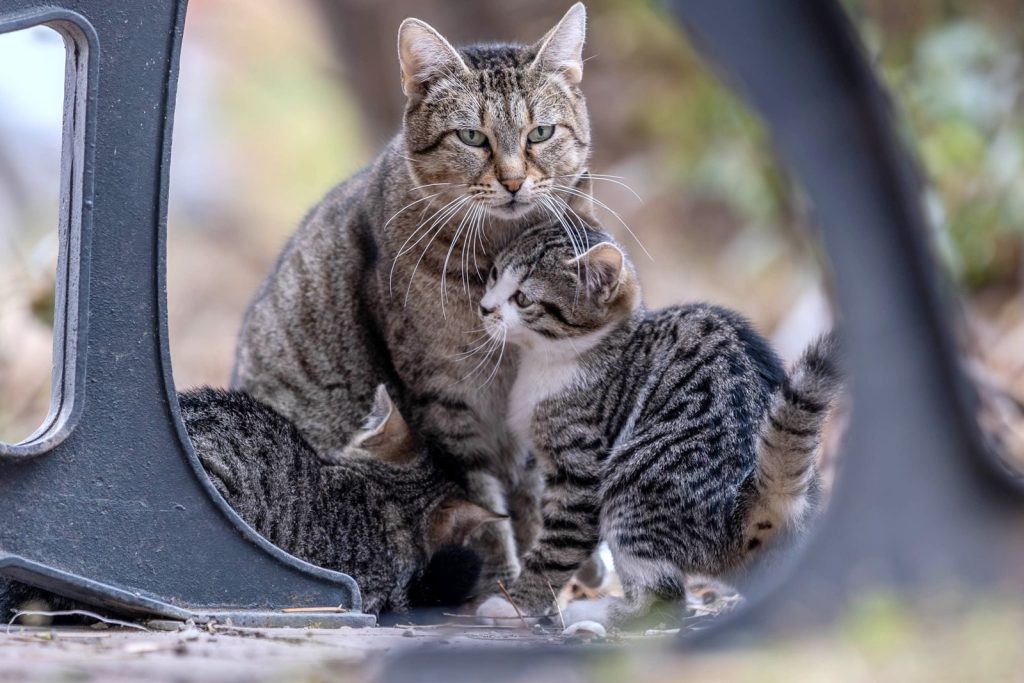
A kitten may immediately want to play while an adult cat wants nothing more than peace. Cats Protection recommends tiring the kitten with play and ensuring the older cat has places to escape the youngster’s attention.
Give Them Separate Resources
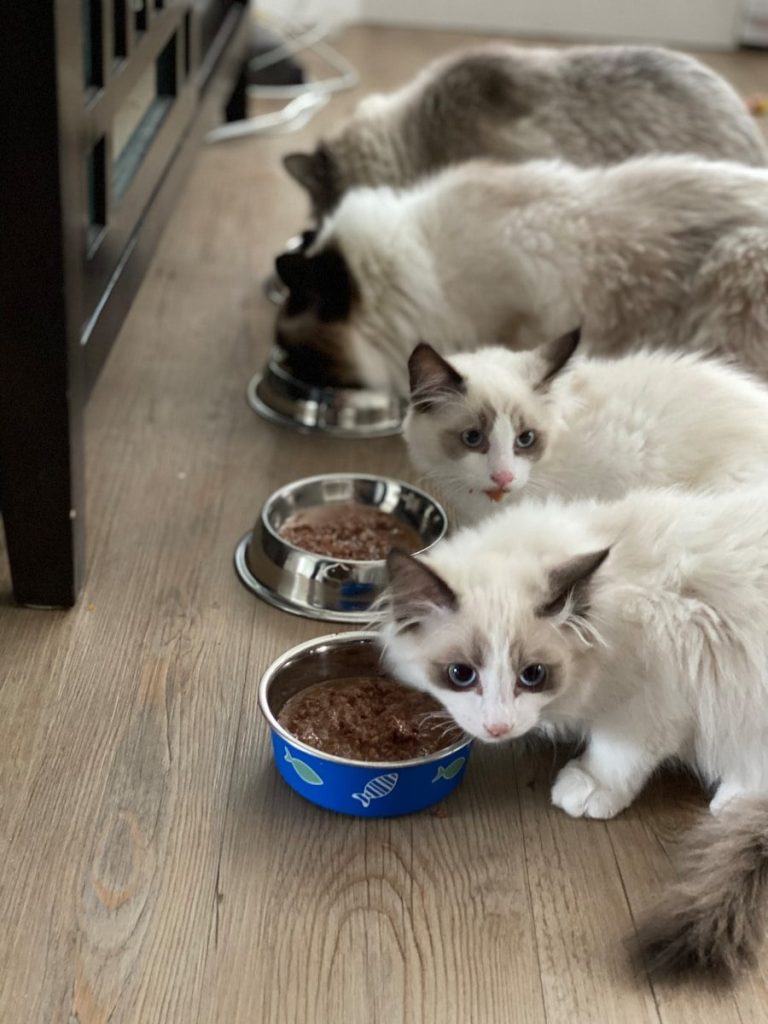
Each cat should have access to its own food, water, bed and litter facilities, with extra resources provided around the home. This reduces the need to compete.
Their First Moment Is Just a Start
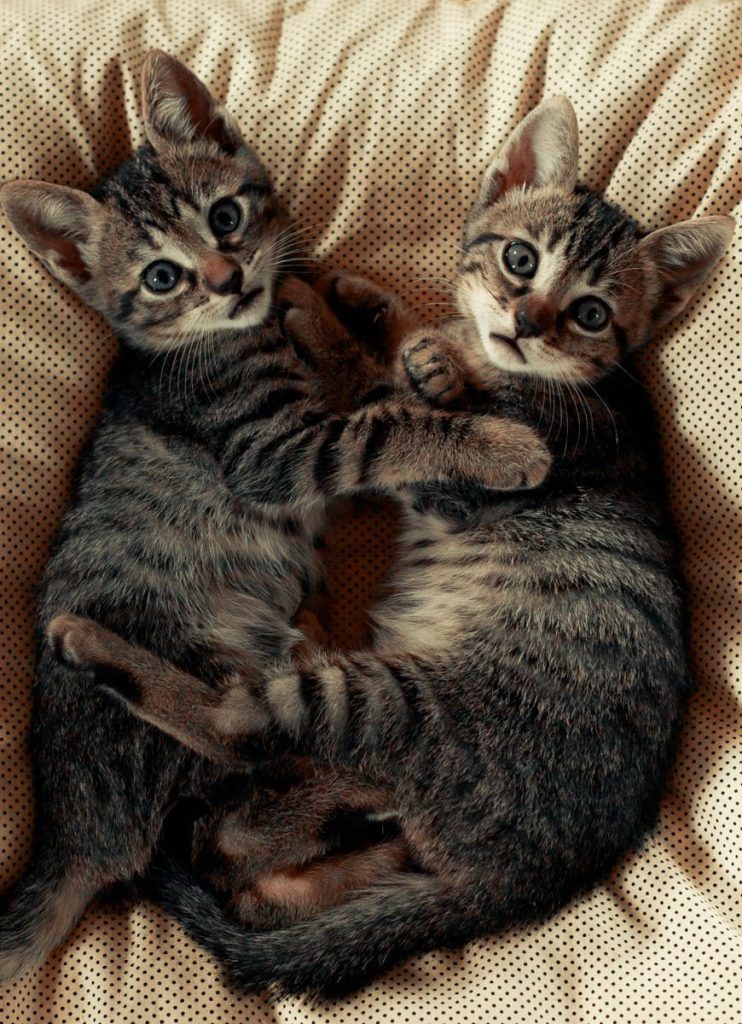
A calm sniff, shared room or brief play session is encouraging, but relationships develop at different speeds. Some introductions take weeks, and moving at the cats’ pace offers a better chance of lasting peace.
Featured Image: Photo by Gizem Gökce on Pexels