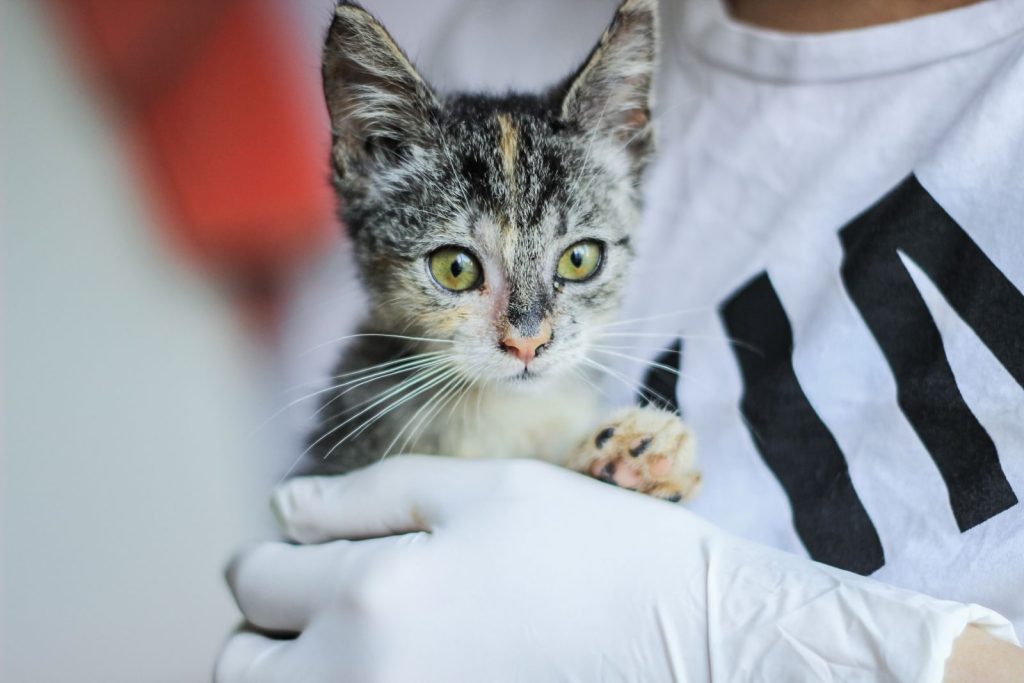

Fostering is designed to give cats temporary care until adoption, but occasionally the strongest match is already inside the foster home.
Rescue groups jokingly call this a “foster fail.” Despite the name, permanent adoption by a suitable foster caregiver can be a perfectly successful outcome.
Foster Homes Provide a Bridge

A foster caregiver gives a cat somewhere to recover, socialize or simply wait outside a shelter environment. Temporary homes also help rescues create space for additional animals that need assistance.
Daily Care Builds Familiarity

Feeding, playing, cleaning and quietly spending time together lets a foster caregiver learn the kitten’s real personality. The kitten simultaneously learns the household’s sounds, routines and people.
Some Kittens Bond Closely
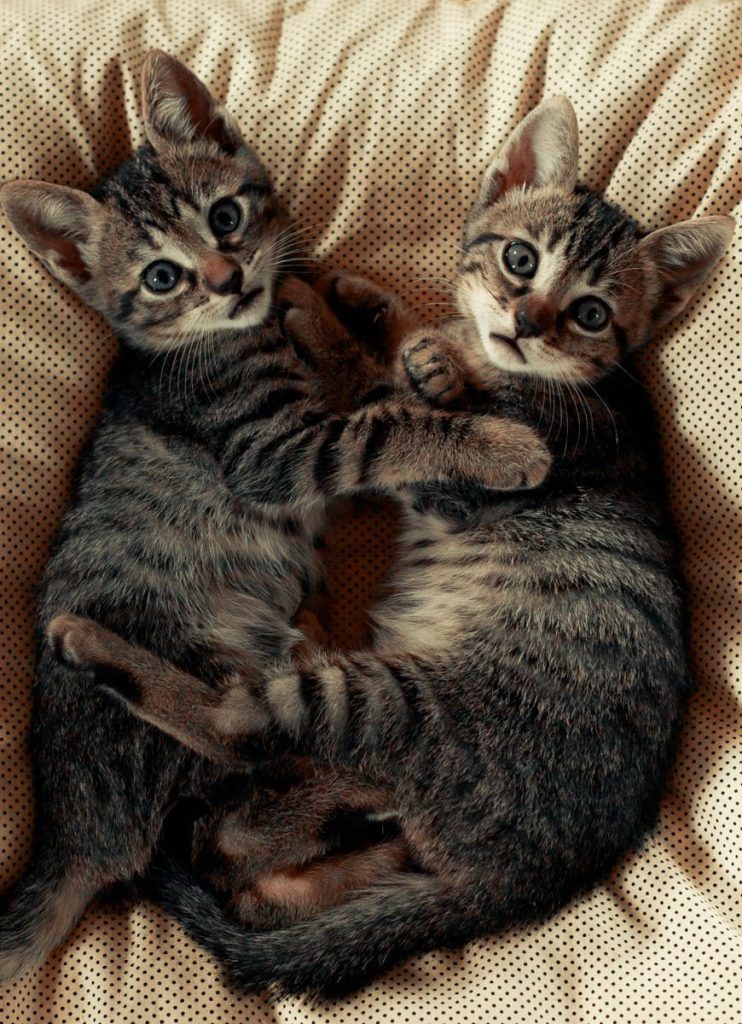
A kitten may begin following the caregiver, sleeping nearby or seeking frequent contact as confidence grows. These behaviors can show social attachment, although they do not automatically mean adoption is the best option.
Foster Families Sometimes Reconsider
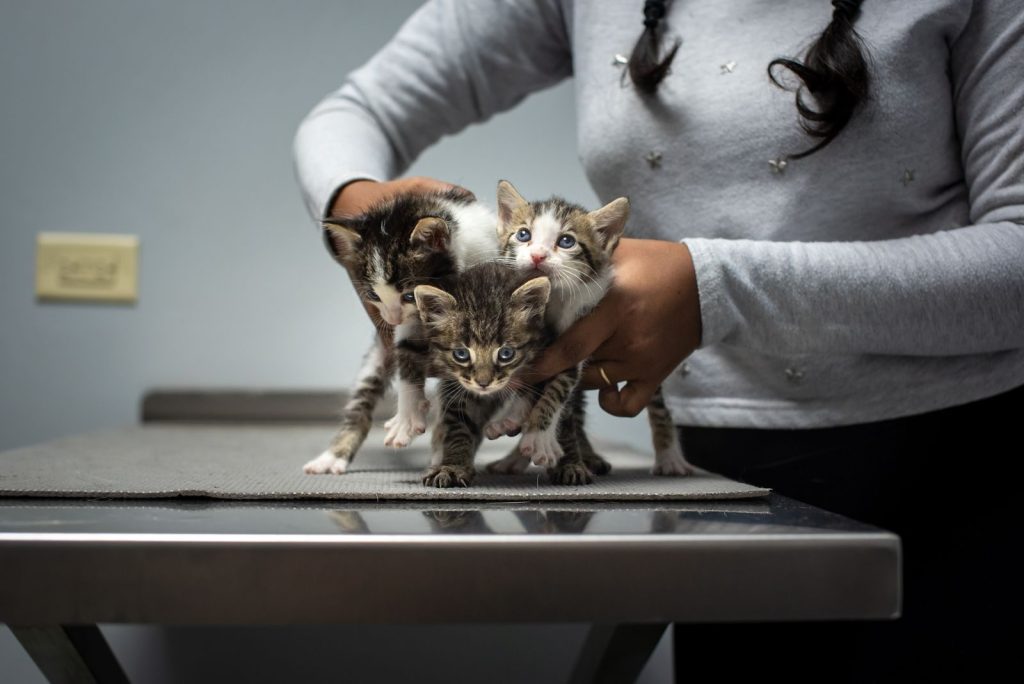
Best Friends Animal Society has documented caregivers who intended to foster temporarily but ultimately adopted cats that became deeply integrated into their homes. The humorous term “foster failure” grew from experiences like these.
The Decision Should Stay Practical
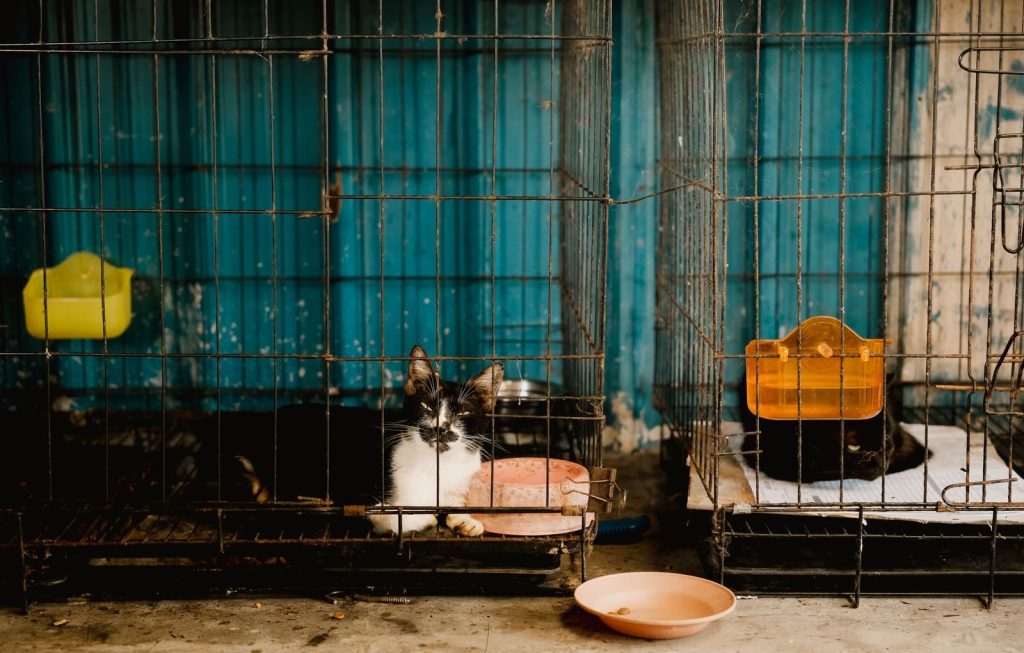
Affection matters, but a permanent adoption also requires money, time, veterinary care and a stable long-term home. Existing pets and household members should also be considered before turning a foster placement into a permanent one.
Socialization Can Change Everything

A shy kitten may need repeated positive experiences before becoming comfortable with people. Alley Cat Allies notes that socialization requires significant individual interaction, patience and attention to the kitten’s progress.
Adoption Still Needs Rescue Approval

A foster caregiver should follow the organization’s normal adoption procedure rather than simply deciding to keep the animal. Medical requirements, sterilization, paperwork and adoption agreements still matter.
Sometimes Temporary Becomes Permanent

When the match works for the kitten, caregiver and rescue, the supposed “failure” is really another adoption. The foster home simply turns out to have been the forever home all along.
Featured Image: Photo by Natalia Sevruk on Pexels