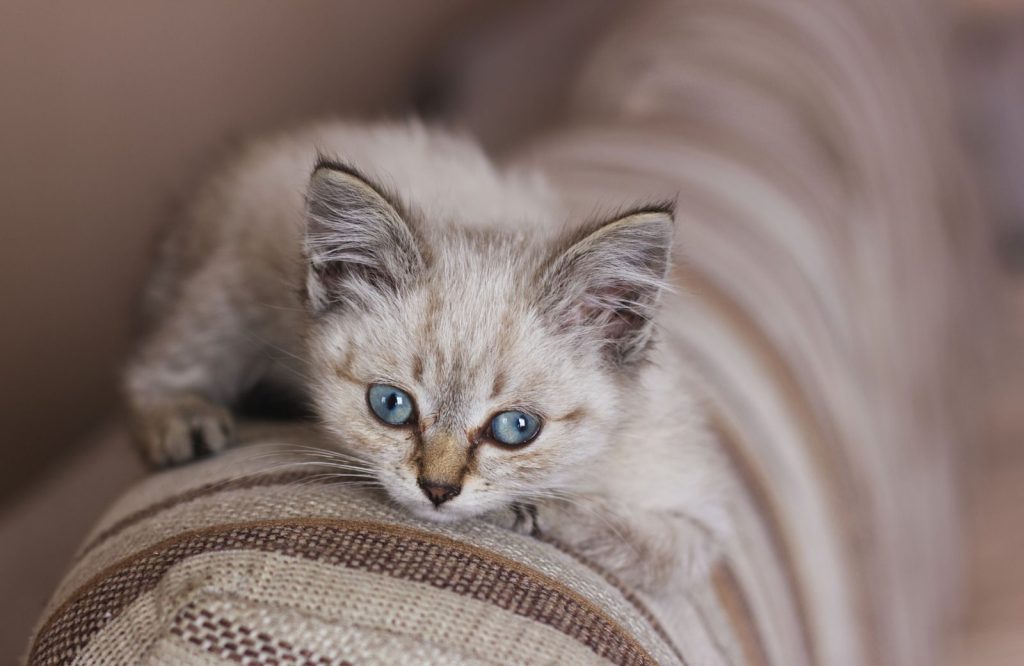

You watch your adorable kitten prepare for a dramatic sneak attack. They wiggle their butt, make a clumsy leap, and crash directly into a table leg.
While these funny moments make great internet videos, they reveal a real developmental stage. Kittens must train their brains and bodies to coordinate these complex hunts. This is how they learn.
The undeveloped motor skills of young hunters
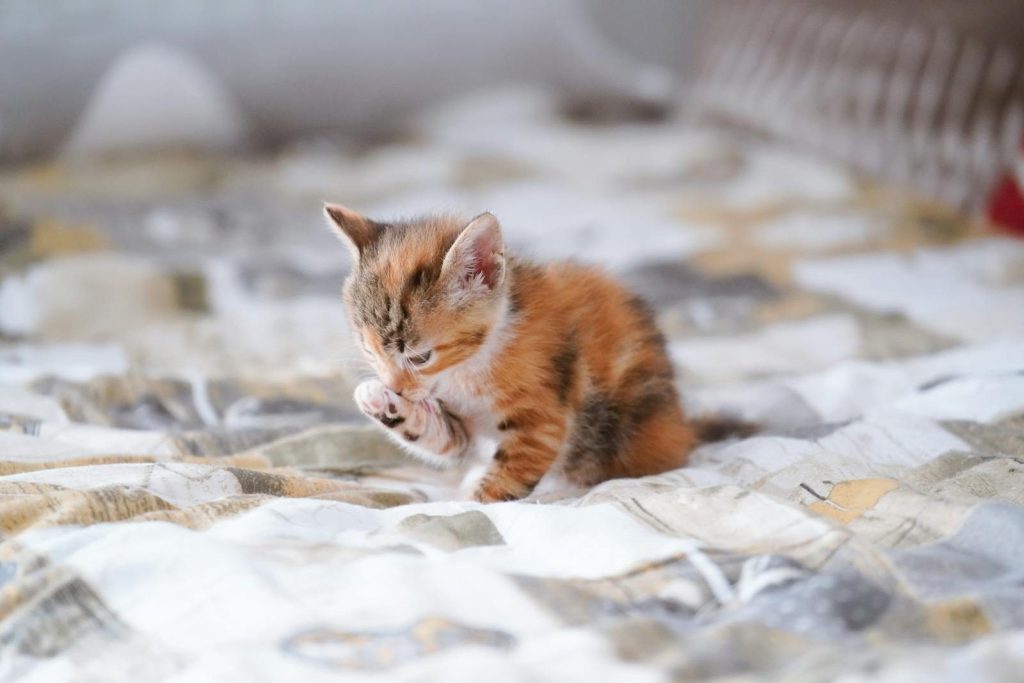
Newborn kittens have visual and motor systems that are still developing rapidly. Their cerebellum, which manages balance and coordination, is not fully mature during their first few weeks of life. This neurological delay explains why their early leaps are so clumsy and unpredictable. But their playmates offer a safe training ground.
Practicing the vital sneak attack on siblings
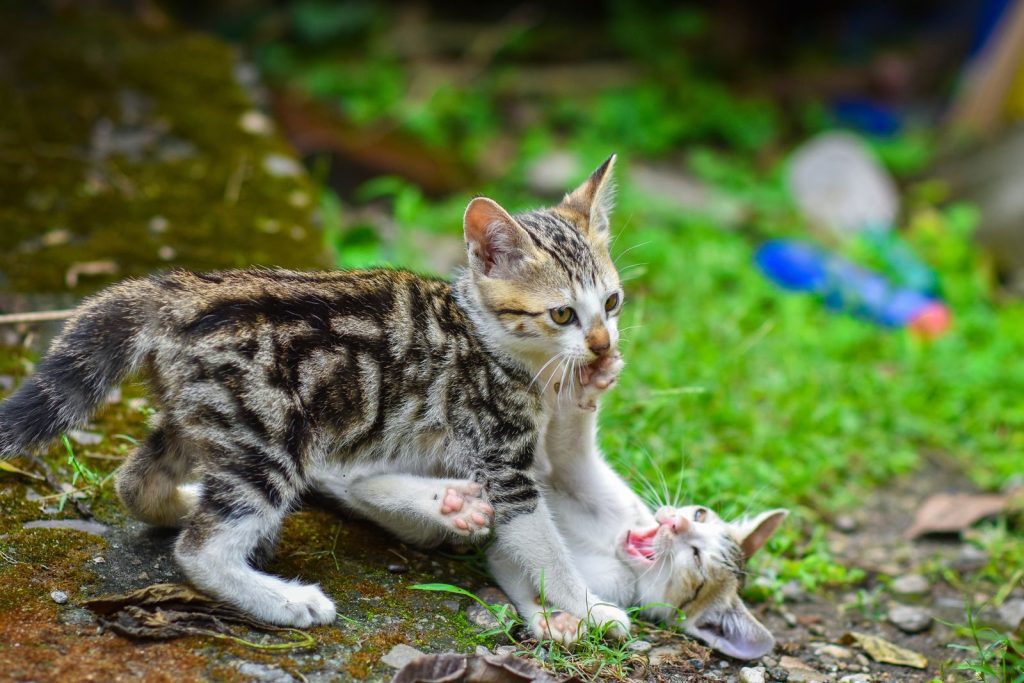
Littermates are the perfect targets for early predatory practice. Kittens spend hours stalking, pouncing, and wrestling with their brothers and sisters in the nest. According to feline behavior experts at the ASPCA, this interactive play teaches them essential social boundaries. Yet, their instincts also drive them to target objects.
The evolutionary purpose of the butt wiggle
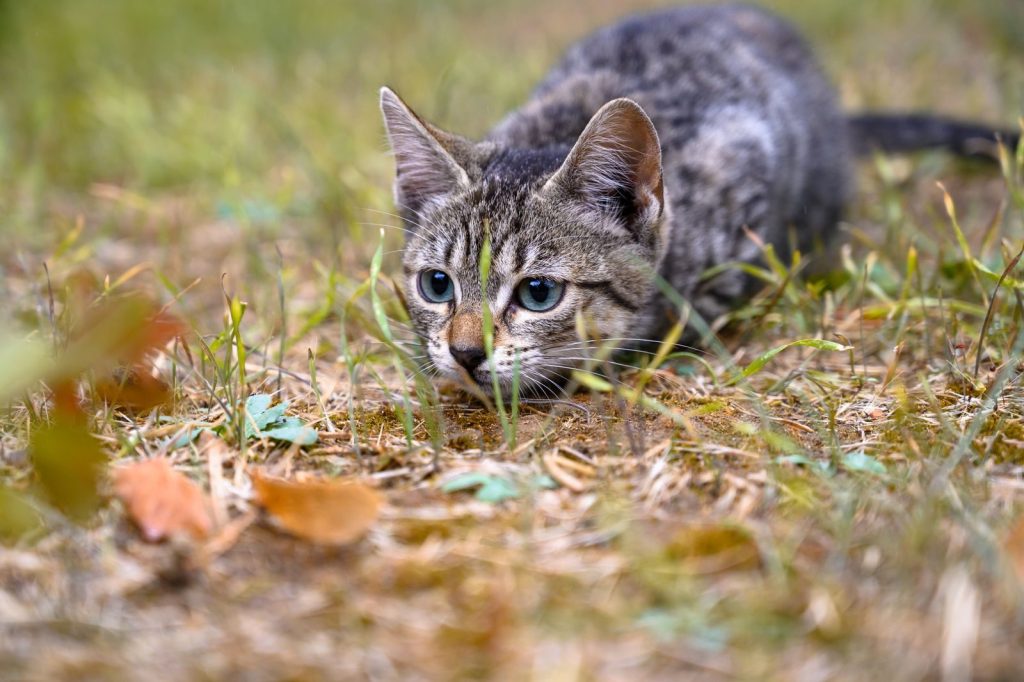
Watch closely before your kitten leaps, and you will see their hindquarters shake. This movement is not just for show. It helps them test the traction of the ground and prepare their muscles for an explosive jump. This rapid muscle prep is a vital survival tool inherited from wild ancestors. Still, they must practice accuracy.
Understanding the physical limits of visual depth
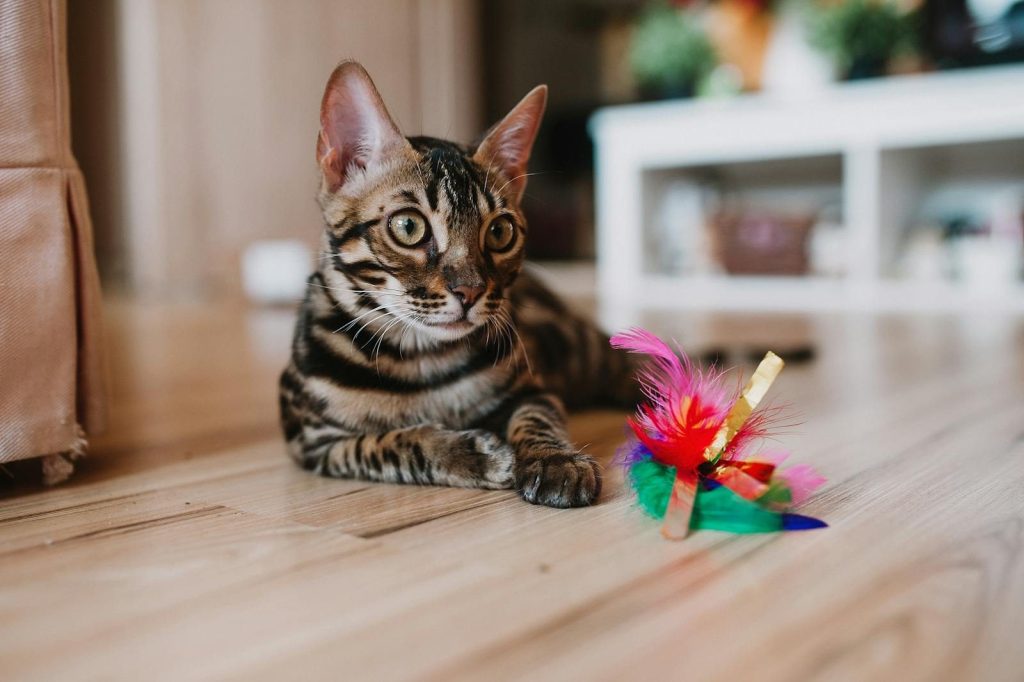
A kitten’s depth perception takes time to develop fully. During their first two months, they can struggle to judge distances accurately, leading to those hilarious short leaps. Providing them with lightweight toys helps them practice tracking moving targets safely. This safe exercise keeps their joints flexible. But human owners can support this.
Choosing the right training toys for success
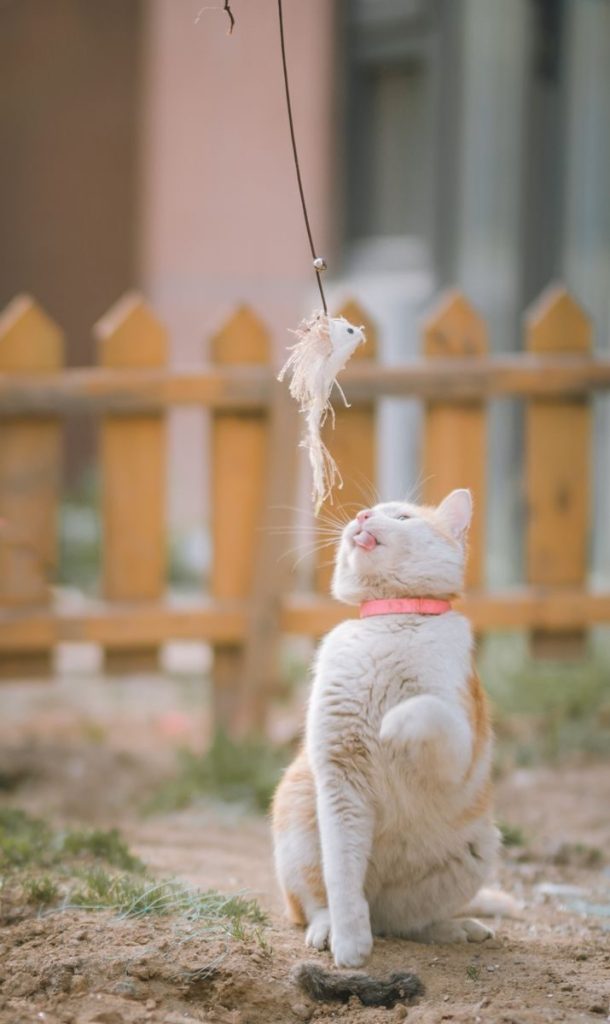
Feather wands and laser pointers are excellent tools to trigger their natural hunting drives. These toys allow your kitten to practice stalking, pouncing, and capturing prey without any risk of injury. Always let them catch the toy at the end to prevent frustration and build their confidence. This simple routine keeps them busy.
Preventing play bites on your hands early
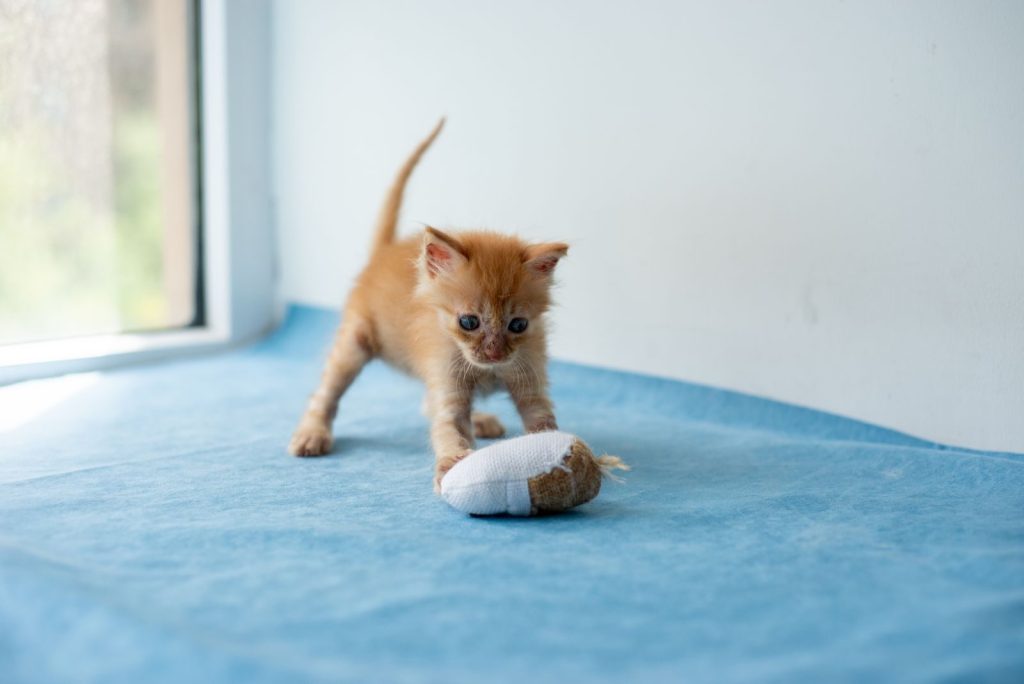
You should never use your fingers as play toys for a growing kitten. This habit teaches them that human skin is an acceptable target for biting and scratching. Instead, redirect their active energy toward sturdy kick toys that they can wrestle safely. This training creates a polite adult companion. But consistency is key.
Celebrating a confident and relaxed adult hunter
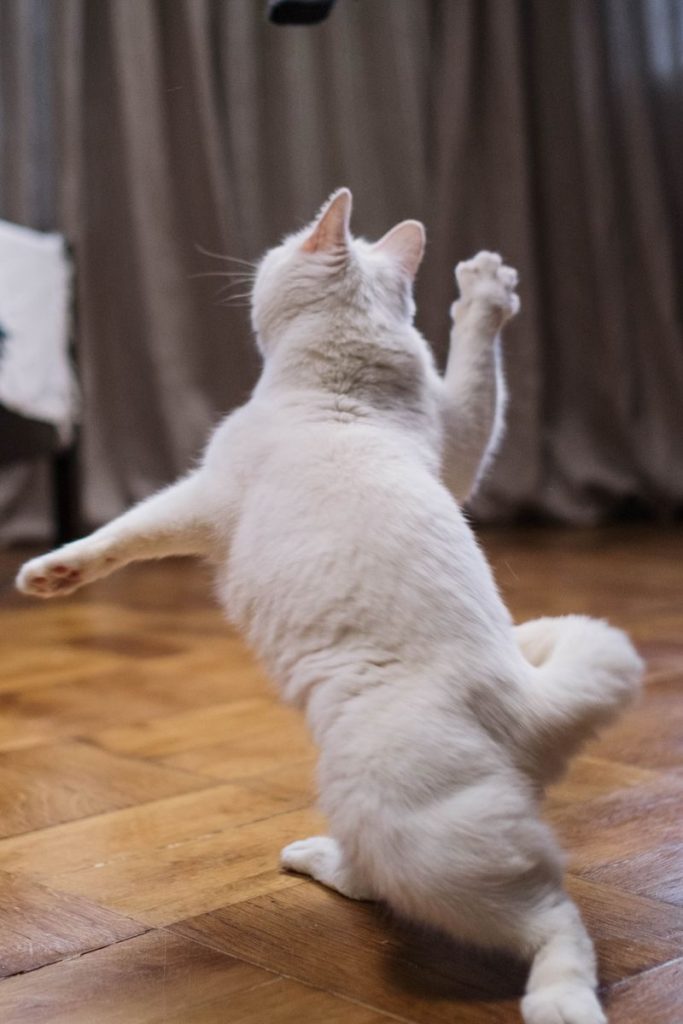
Watching your clumsy kitten grow into an agile hunter is a beautiful daily joy. By providing plenty of physical outlets and positive reinforcement, you help them develop strong muscles and sharp instincts. Your patient training creates a peaceful home where your companion can thrive. True friendship starts with understanding one’s natural developmental needs.
Featured Image: Photo by Primitive Spaces on Pexels