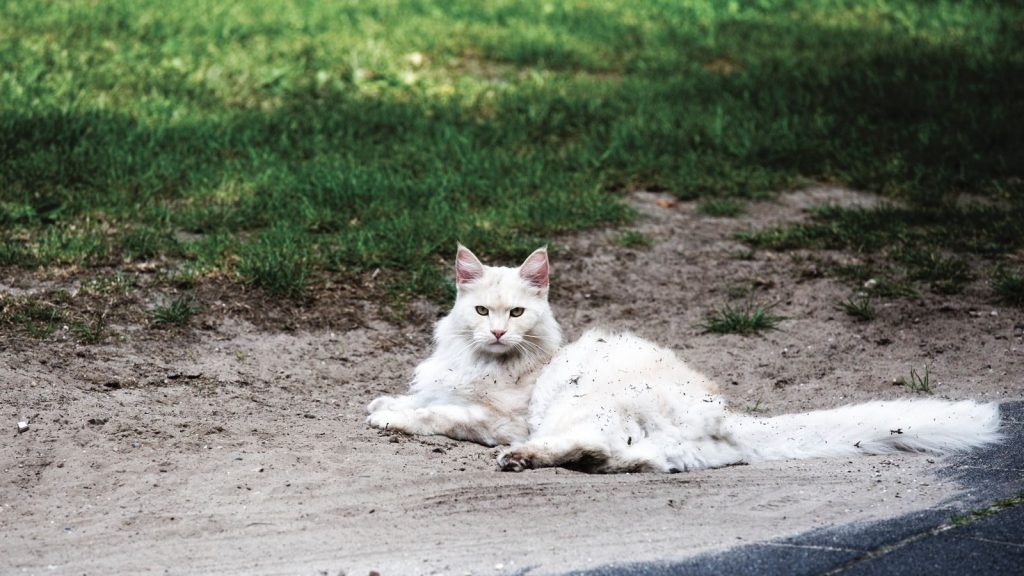

You look at a Maine Coon and expect to see a large, fluffy pet. But when they walk, their long tail sweeps the ground like a mythical creature.
This incredible physical trait is a favorite for cat lovers worldwide. There is a fascinating evolutionary story behind why these giant felines possess such massive tails.
The critical role of thermal winter regulation
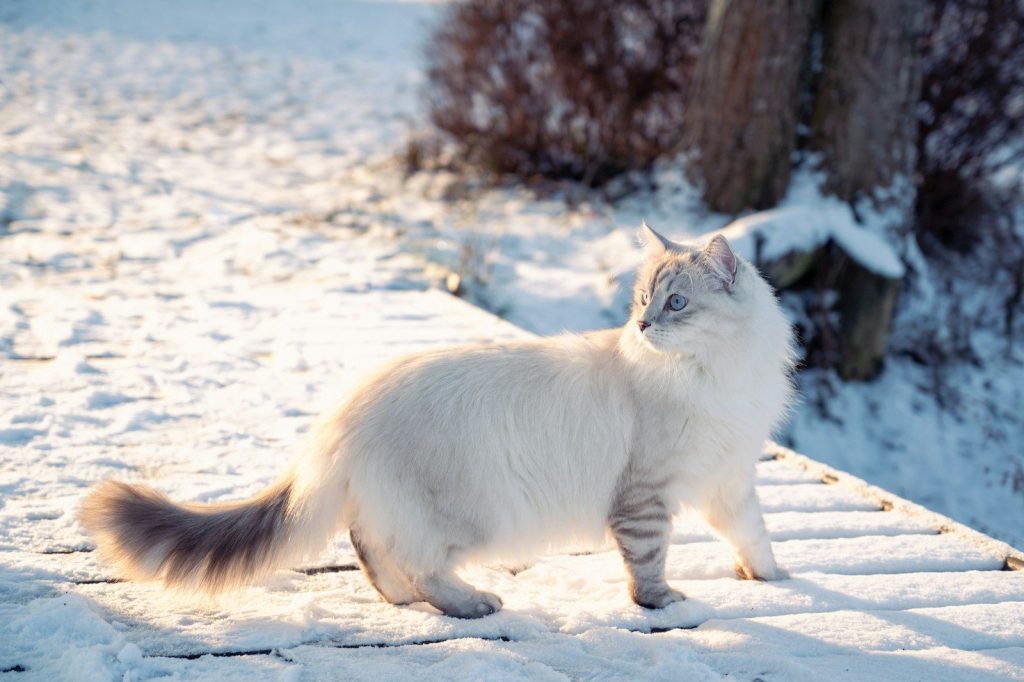
Maine Coons developed their dense coats in the freezing state of Maine. To survive brutal blizzards, they needed a way to protect their face and paws from freezing. Their extremely long, bushy tails act as a portable blanket. They wrap the tail tightly around their body to trap vital heat. But temperature control is only one use.
Perfect balance for the ultimate heavy hunter
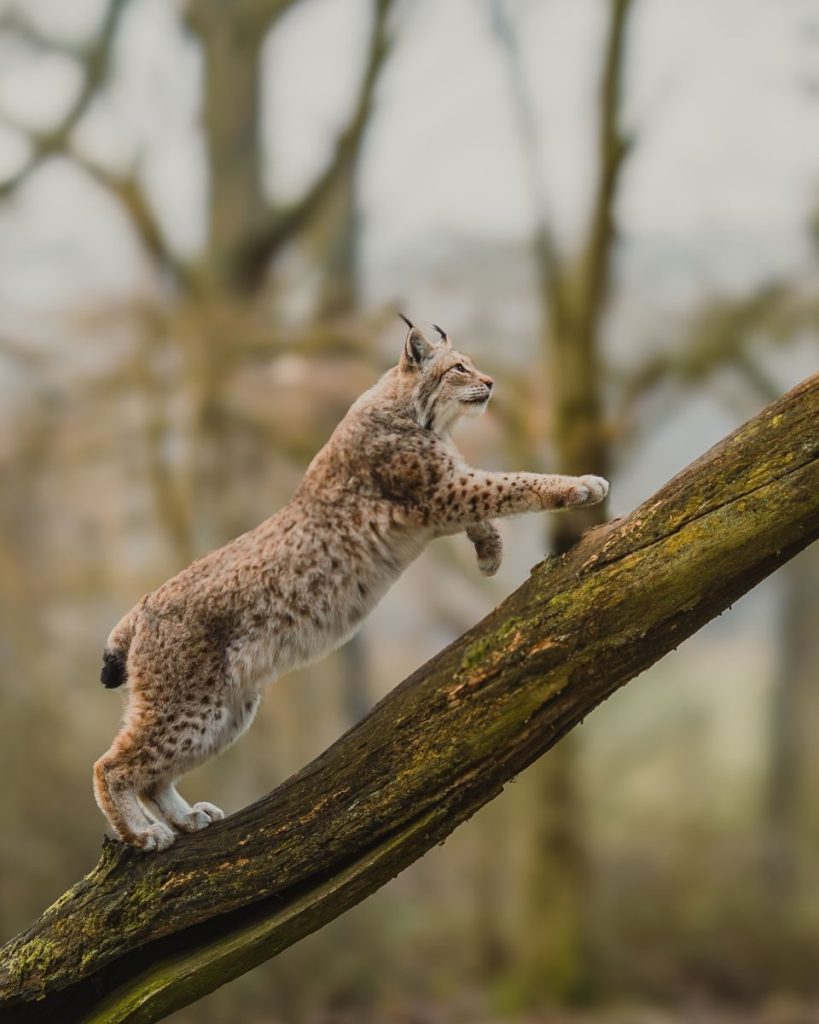
Standard cats rarely exceed ten pounds, but Maine Coons can easily reach twenty-five pounds. Navigating high branches and rocky terrain with a heavy frame requires incredible balance. The long tail acts as a dynamic counterweight, helping them make precise turns during high-velocity leaps. Yet, this majestic feature also serves as a communication tool.
Speaking silent language with a giant flag
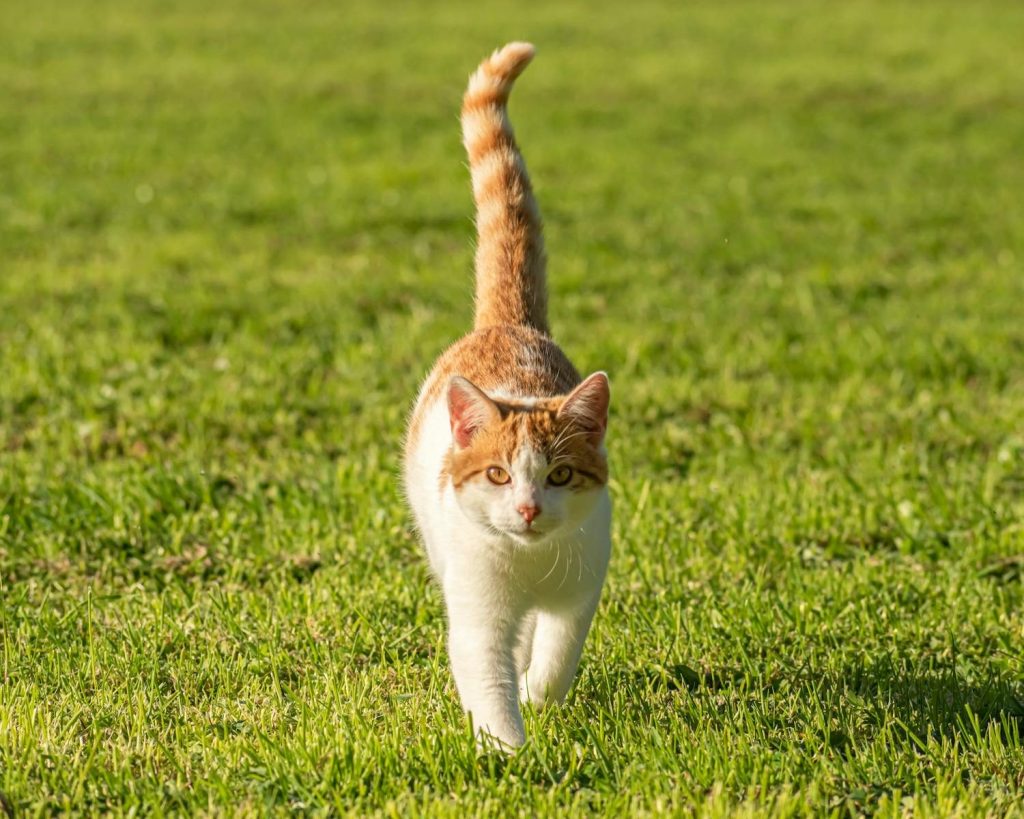
Cats communicate a massive amount of information through tail movement. Because of its size, a Maine Coon’s tail acts like a giant flag that other animals can spot from far away. A high, upright tail signals complete confidence and friendly intent to nearby companions. Still, managing this massive tail requires regular care.
The genetic marvel behind the extreme length
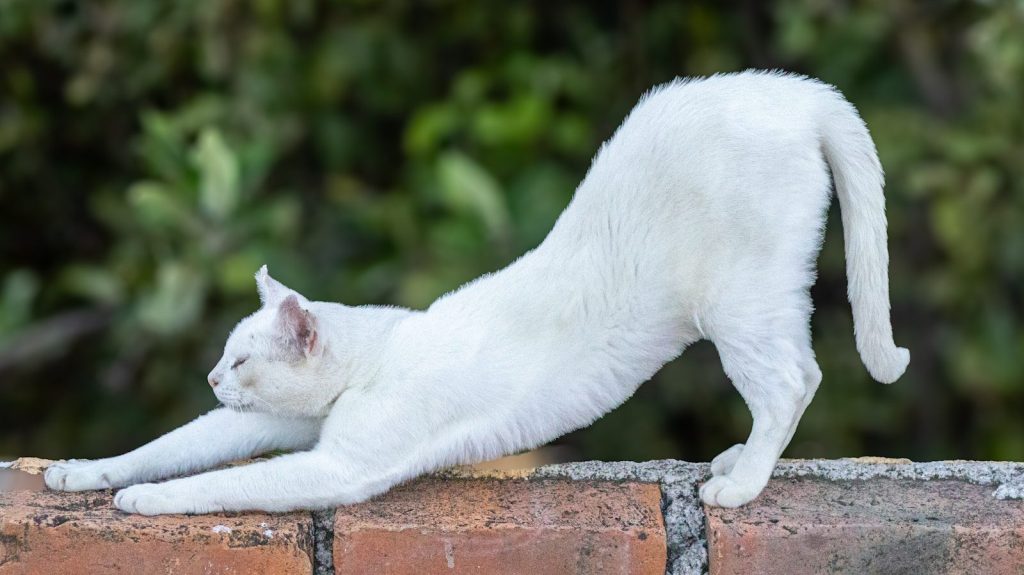
According to the Cat Fanciers Association, the breed’s tail should be as long as its entire body. This physical standard is driven by specific genes that promote skeletal growth. It ensures they remain highly agile despite their large bones. However, keeping this beautiful plume clean presents a daily challenge.
Establishing a daily grooming routine for safety
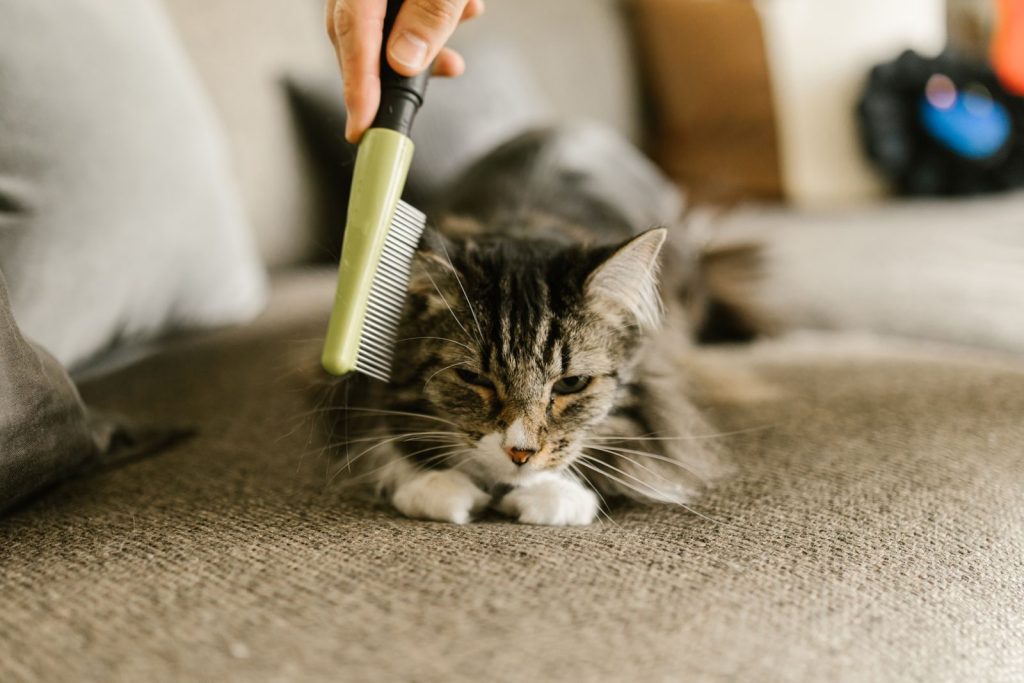
Because their tails are so close to the ground, they easily trap loose dirt and debris. You should brush their long tail fur gently several times a week to prevent painful knots. This grooming process mimics maternal care and strengthens your bond with your giant pet. But you must be careful about one specific area.
Managing the high sensitivity of the tail bones
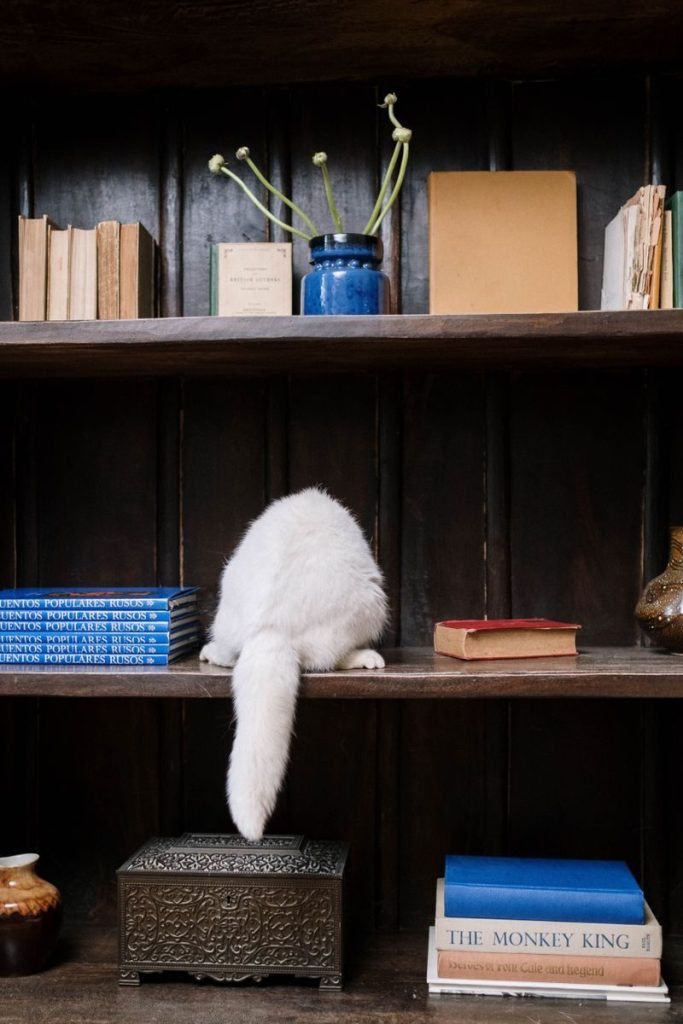
A cat’s tail is a direct extension of its spine, packed with sensitive nerves. Pulling or rough play can cause severe pain and permanent nerve damage. You should teach children to handle your pet’s tail with extreme care. This simple step keeps your giant companion safe and happy. Fortunately, they are highly patient pets.
Watching their regal movement in your home
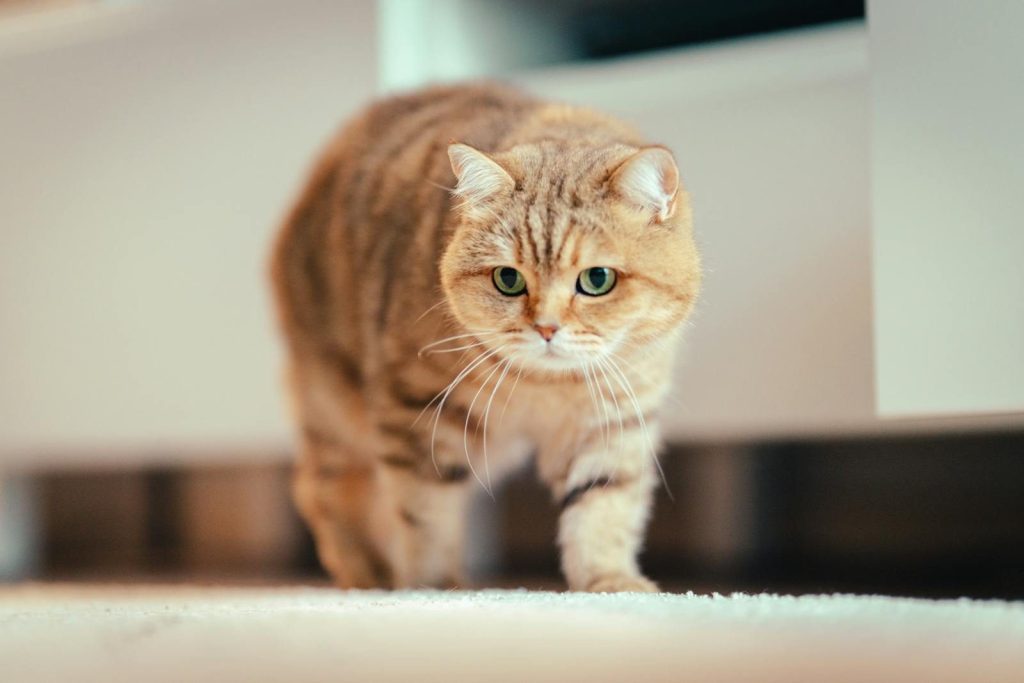
Sharing your life with a Maine Coon is a highly rewarding daily adventure. Their majestic tails sway gracefully as they follow you from room to room. This beautiful movement is a direct link to their history as wild New England survivors. Soon, you will realize how much character it adds to your household.
Celebrating the wild beauty of giant felines
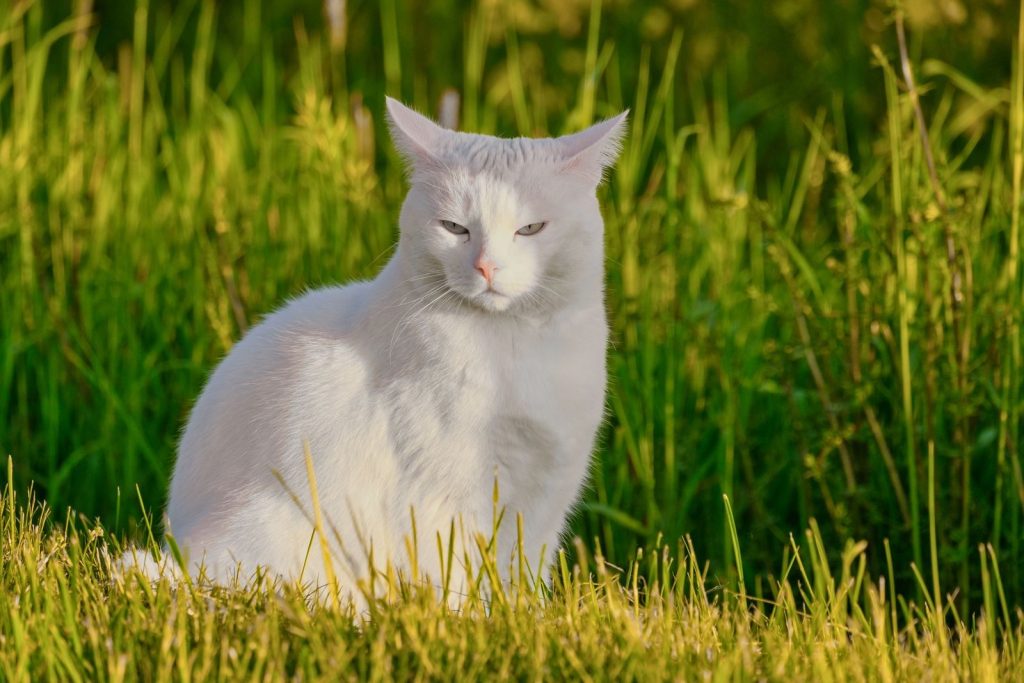
Giving your Maine Coon proper care and plenty of love ensures they stay mobile and comfortable. Their unique dragon tail is a stunning physical feature that makes them stand out in any crowd. Understanding their biology helps us appreciate their wild majesty even more. This article is for informational purposes only and does not constitute veterinary advice.
Featured Image: Photo by Matthias Zomer on Pexels