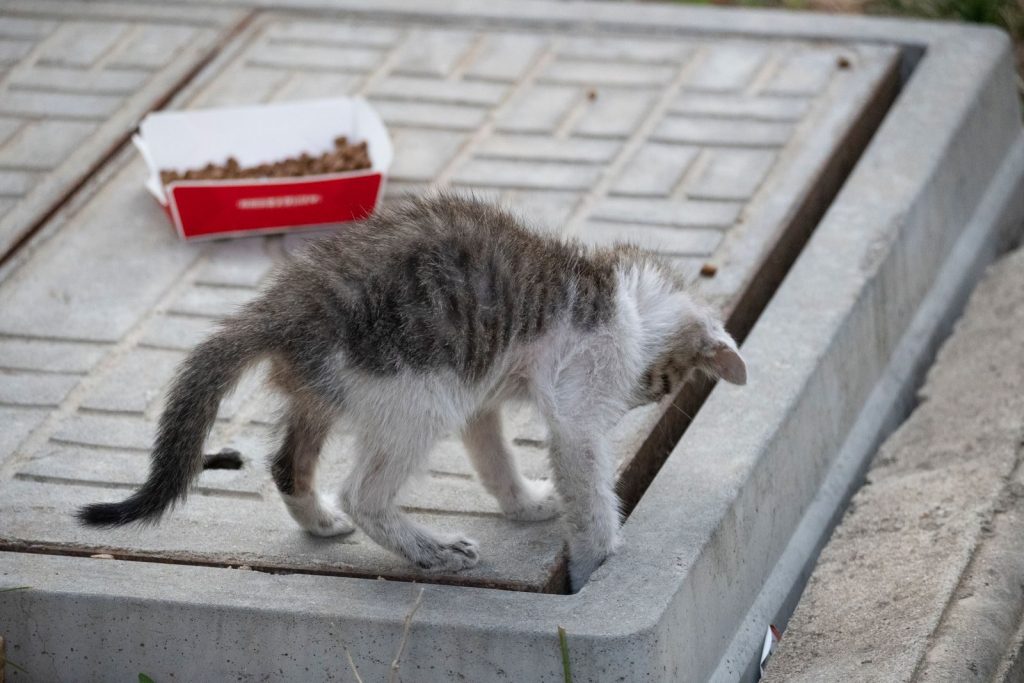

You see a stray cat searching through a trash bin for scraps of food. They look thin, dirty, and completely exhausted by the harsh outdoor life.
It is incredibly difficult for domestic animals to survive alone on the streets. But when one rescuer spotted a sick cat in a feral colony, she knew she had to take action. This is his story.
The harsh physical reality of feral colonies
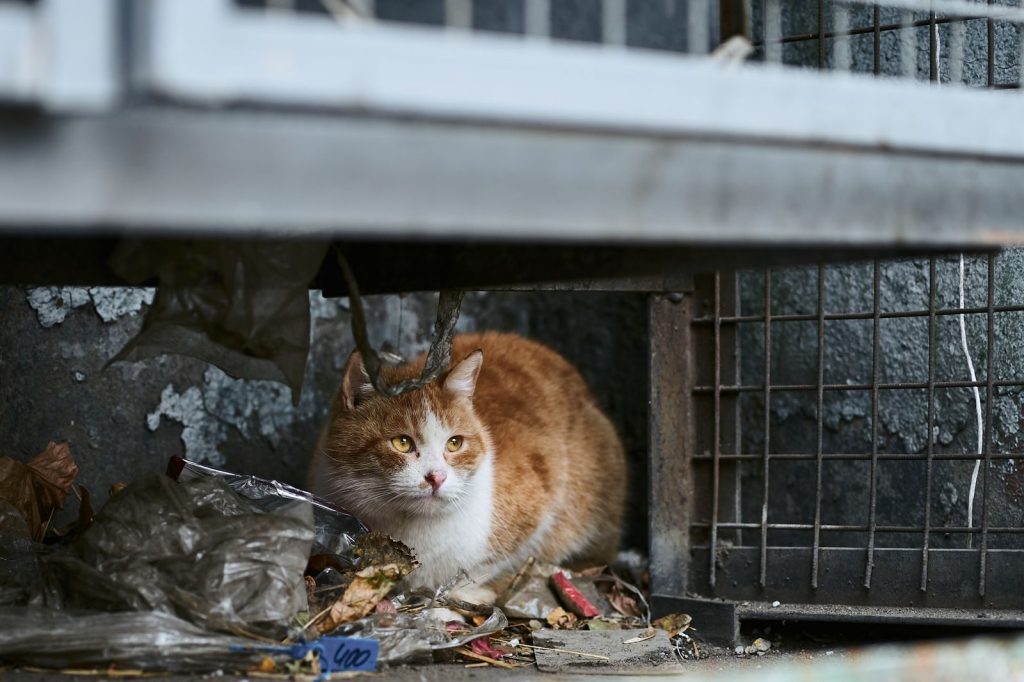
Feral colonies often form in industrial areas and abandoned yards. While some kind neighbors leave food, these strays face constant threats from disease, weather, and traffic. According to the ASPCA, cats in these colonies have a much shorter life expectancy without veterinary support. This sick stray was running out of options.
The slow process of planning a safe rescue
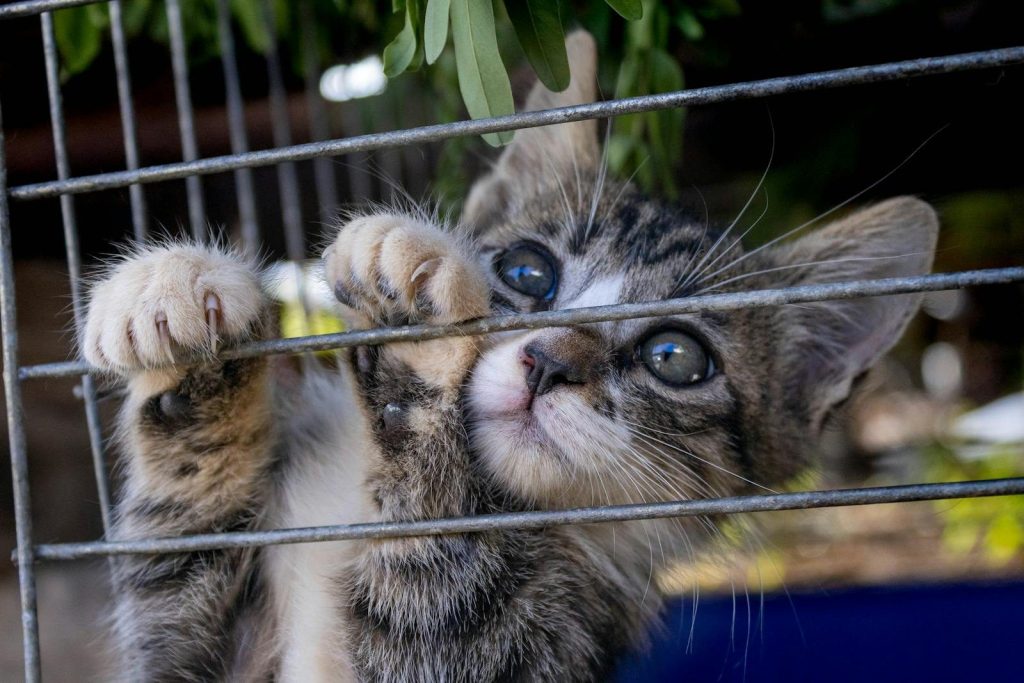
Rushing a scared street cat will only trigger defensive panic. The rescuer spent days visiting the colony area, establishing a consistent feeding routine to gain his trust. She used a humane trap covered with a soft towel to make the cage look safe and hidden. This quiet patience paid off when the gate closed.
Getting an urgent clinical checkup for survival
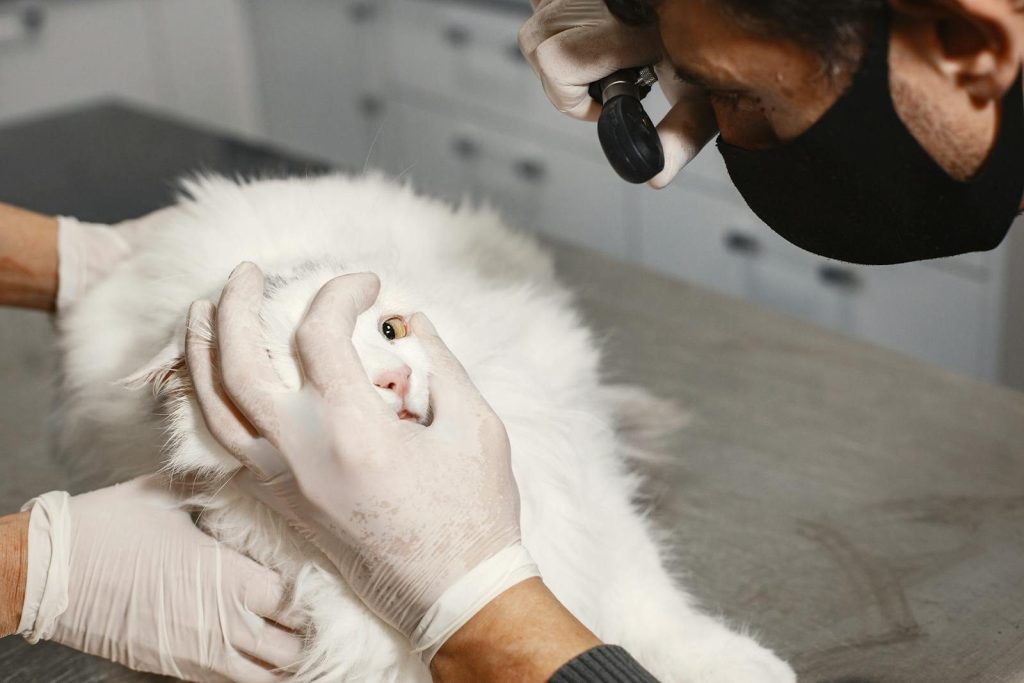
Once captured, she rushed him to a local clinic for an immediate medical evaluation. The veterinary team checked him for parasites, microchips, and severe infectious diseases. Dr. Sarah Evans, a shelter vet, treated his deep ear infections and severe skin allergies. His recovery would take months of dedicated care. Still, they remained hopeful.
Turning off the chronic survival panic switch
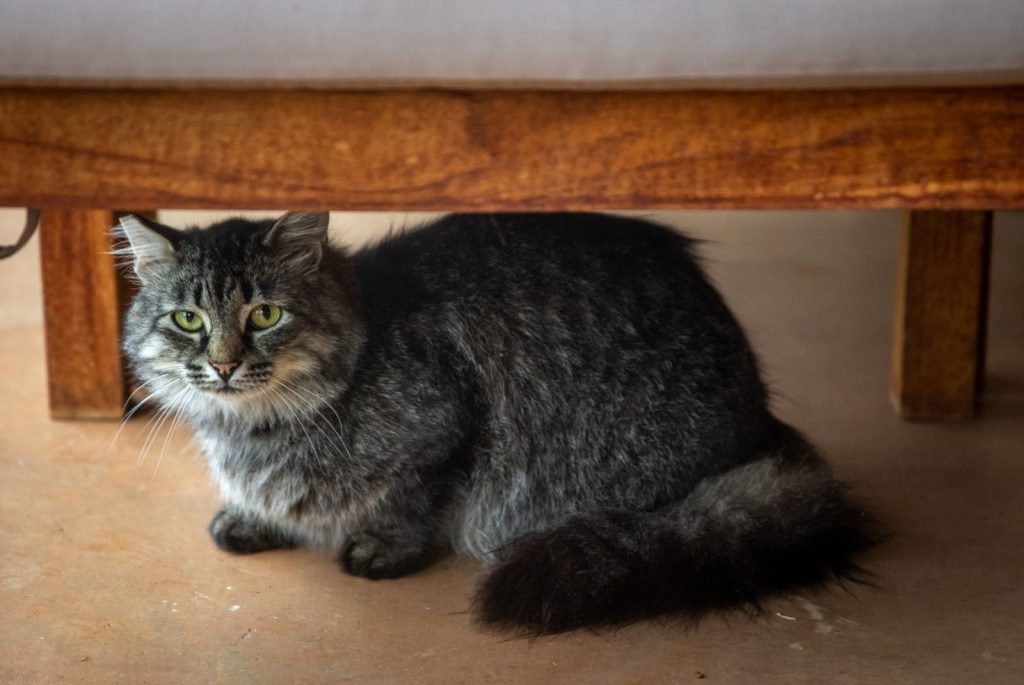
Feral cats live in a constant state of fight or flight to survive predators. To help him heal, his foster mom placed him in a small, quiet room with soft lighting. This secure space allowed his nervous system to calm down and reduce high cortisol levels. Yet, he still hid in the darkest corners.
Using delicious treats to reprogram their brains
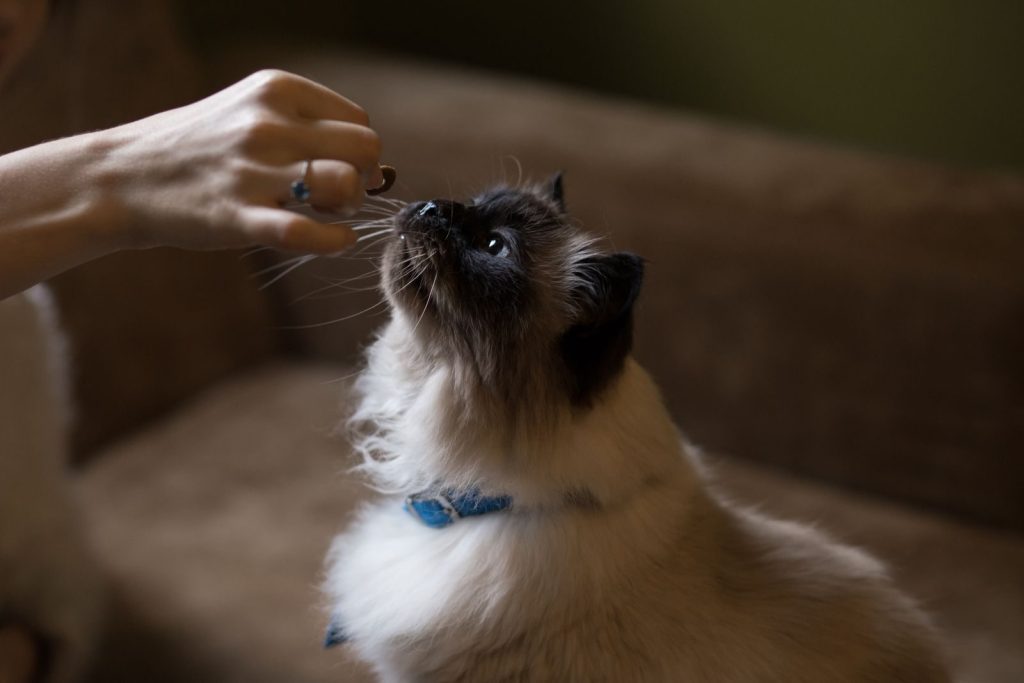
Food is the fastest way to build a bond with a scared animal. She sat quietly on the floor, offering high-value wet treats without making direct eye contact. Felines view a direct stare as a challenge, so looking away signaled safety and respect. Slowly, his curiosity outweighed his fear.
Transitioning to gentle hand contact safely
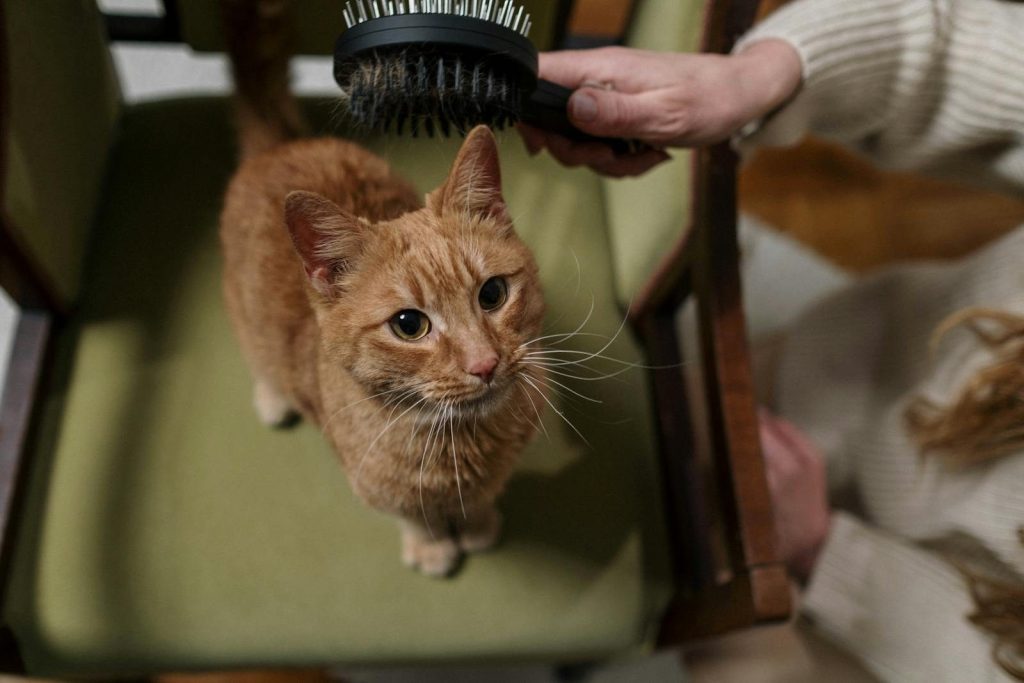
She used a soft grooming brush as a safe hand extension for their first physical touch. This allowed him to experience the comfort of grooming from a safe distance. He immediately leaned into the bristles, purring for the first time in his life. This major breakthrough paved the way for real touch.
Watching his true loving soul emerge daily.
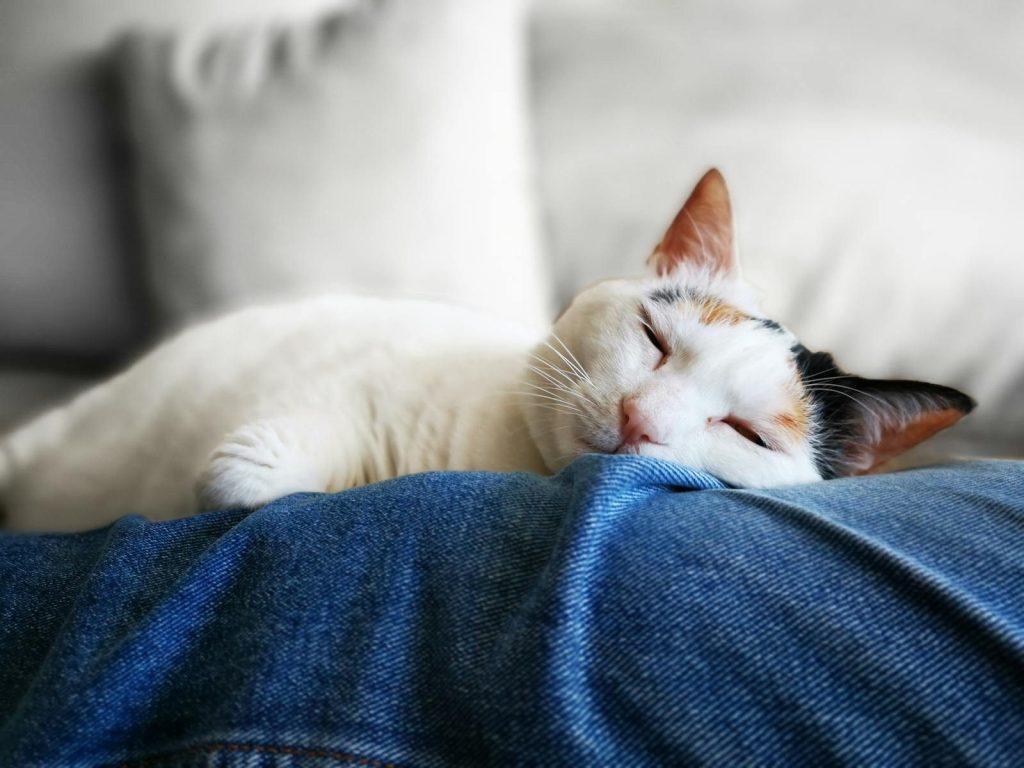
Weeks of patient fostering transformed this once-aggressive stray into a champion cuddler. He began seeking out lap snuggles, sleeping in warm sunbeams, and playing with small toys. His matted coat grew back into a soft, glossy blanket that hid the physical trauma of his past life. Soon, his final transition was ready.
Celebrating a beautiful lifetime of cozy snuggles
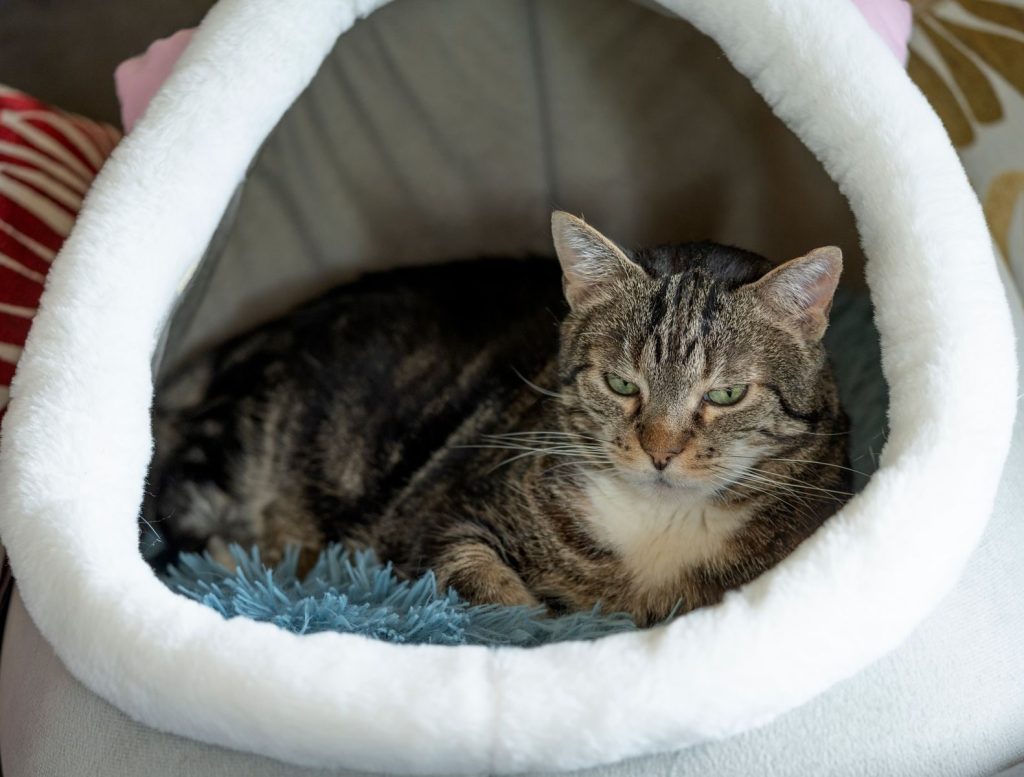
Today, this resilient survivor lives in a peaceful home, safe from the cold streets. His touching journey shows that patience, veterinary care, and love can heal even the most traumatized hearts. Your support can help save another vulnerable animal in need. This article is for informational purposes only and does not constitute veterinary advice.