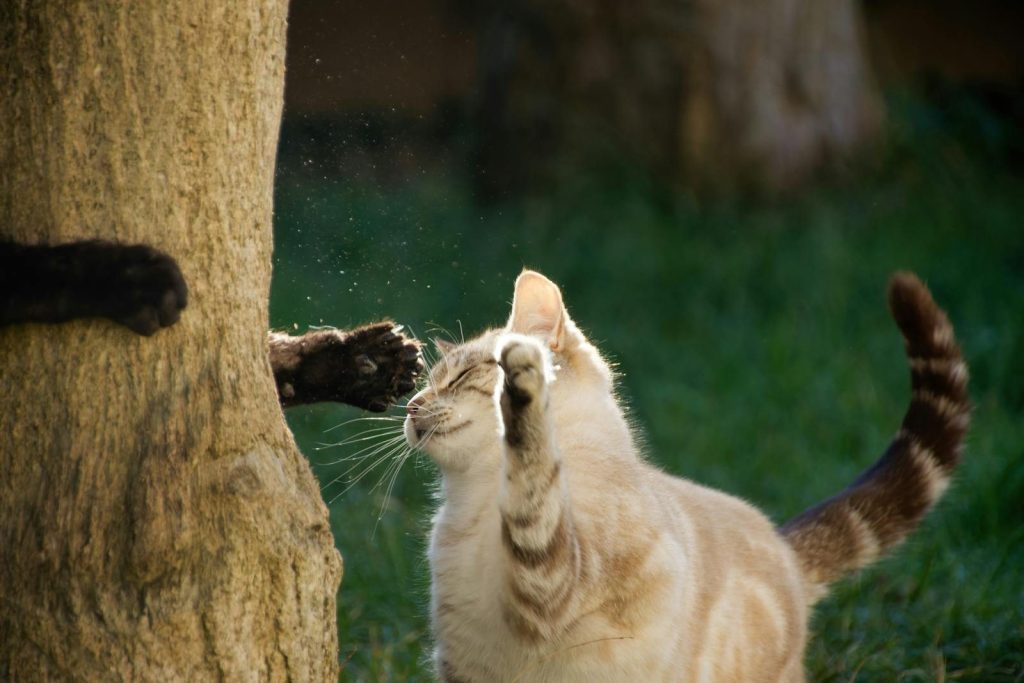

One moment, your pets are sleeping peacefully on the rug. The next moment, they are standing on their hind legs and throwing rapid paw slaps at each other.
A viral video of a sneaky tabby teasing an orange cat shows how fast these fights can start. Understanding why felines engage in these sudden battles is key to keeping a peaceful home.
The surprising psychology of feline instigation behaviors
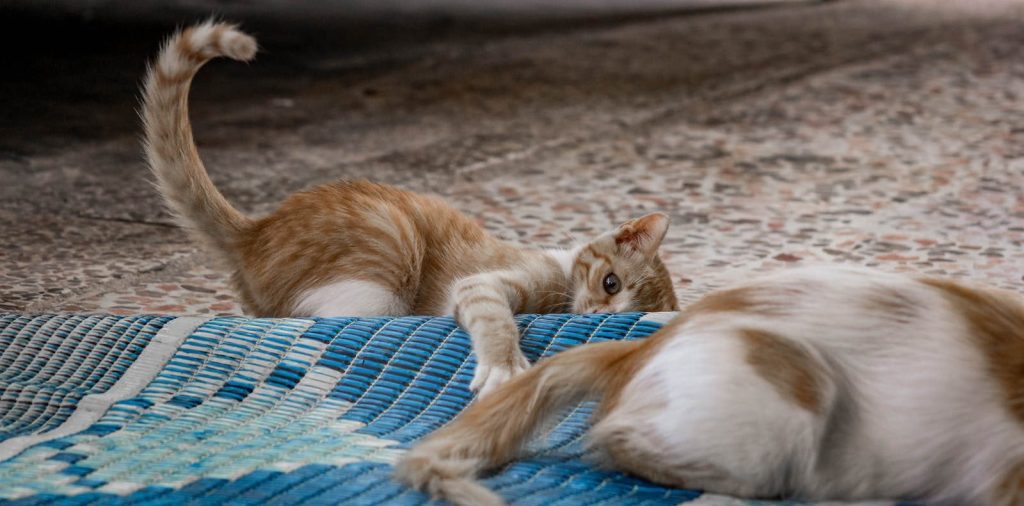
Some cats are natural instigators. They will deliberately walk up to a sleeping sibling and swat their tail or stare them down. According to animal behaviorists, this behavior is a way to cure sudden boredom. The instigating cat wants interaction and knows exactly which buttons to push. But these playful provocations can quickly turn into a highly intense physical matchup.
How to spot a playful mock battle from real aggression
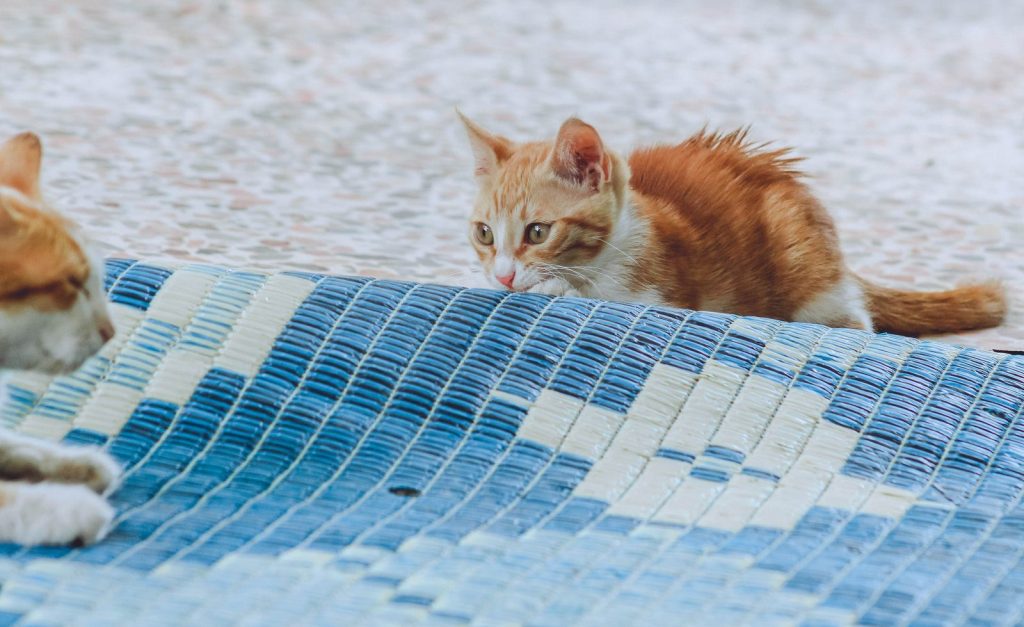
It is easy to mistake a loud slap fight for a serious conflict. However, cats use mock battles to practice their hunting skills. According to the ASPCA, play fighting involves silent movements, retracted claws, and frequent pauses. The pets will often take turns being the attacker. But when certain physical signs appear, you might need to step in and help.
Red flags that signal a playful match is turning dangerous.
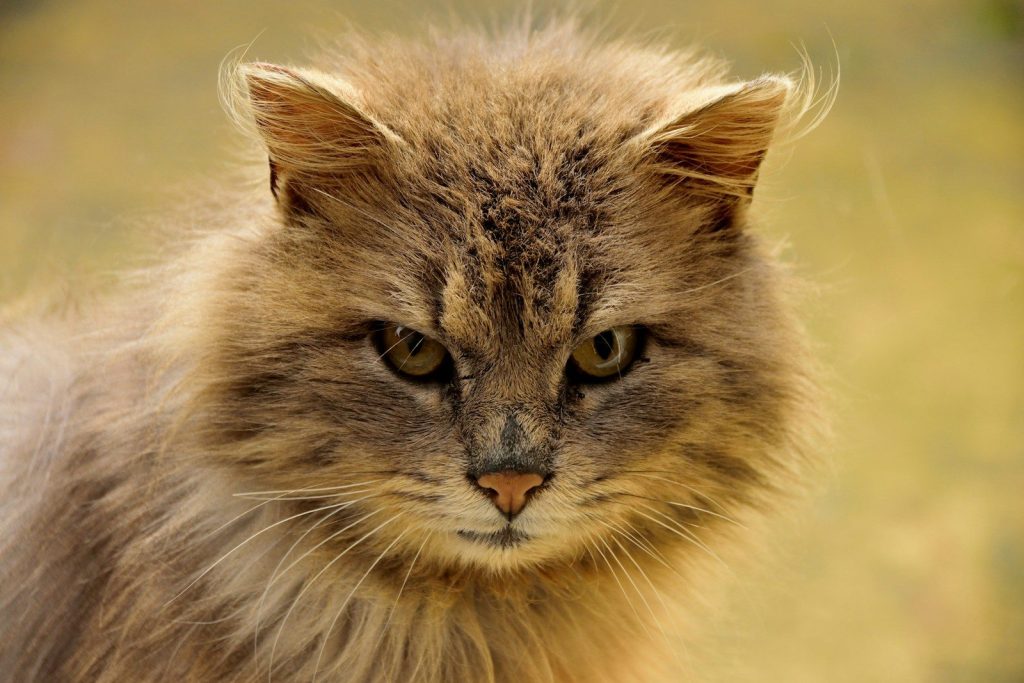
If you hear loud growling or see flat ears, the mood has shifted. Dilated pupils and puffed-up fur are clear warning signs of actual fear. Unlike play, real fights involve sharp claws and rapid bites that can cause injury. According to veterinary experts, minor scratches can easily get infected. Knowing how to safely separate the fighting pets is your next crucial step.
The safest way to break up an active cat fight
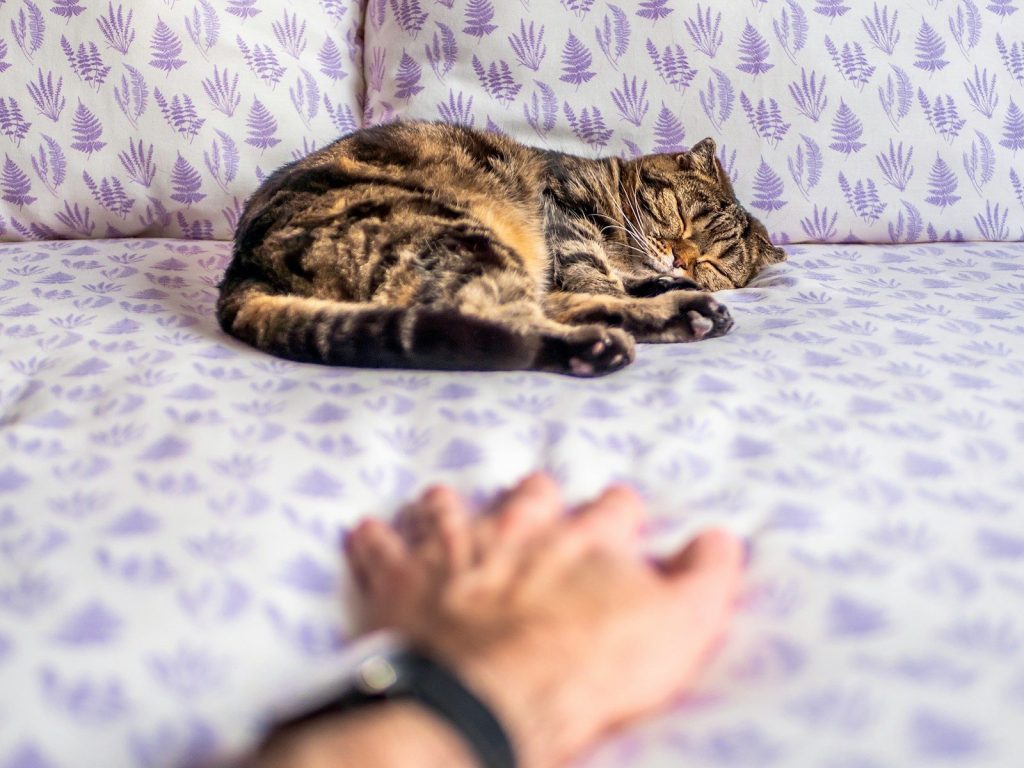
Never place your hands between two fighting cats. You could easily end up with a painful bite. Instead, try making a loud noise or tossing a soft blanket over them to break their focus. This temporary distraction gives both animals a chance to retreat. Once they separate, you must handle the immediate aftermath carefully to prevent another round.
Creating physical space for your stressed pets to calm down
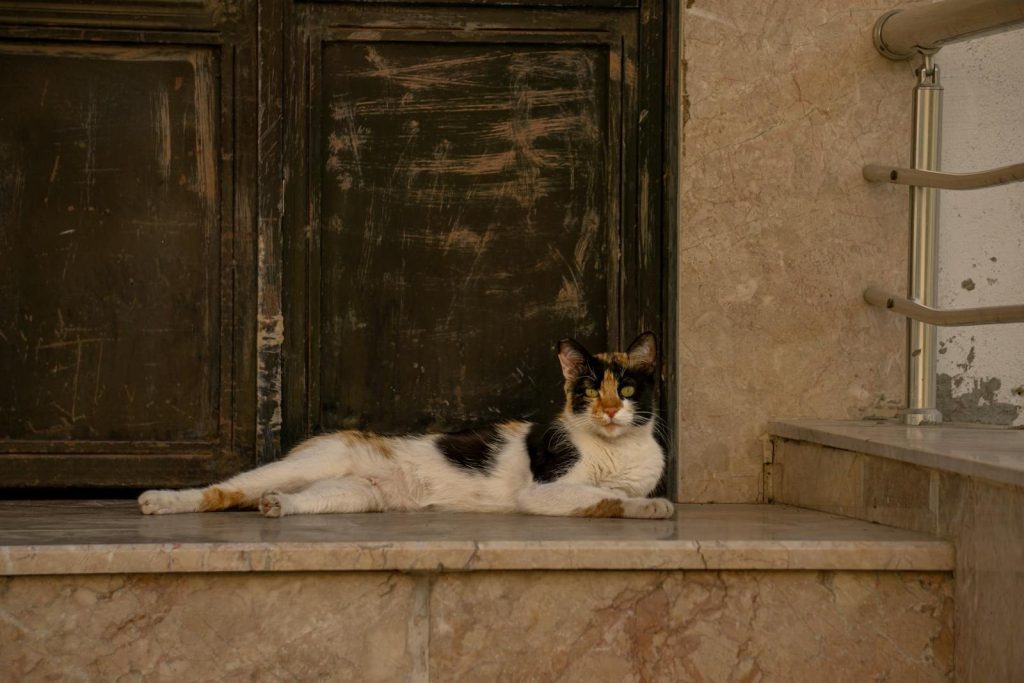
After a tense fight, both cats will be full of adrenaline. Move them to separate rooms with closed doors so they cannot see each other. Keep their food, water, and litter boxes nearby. This article is for informational purposes only and does not constitute veterinary advice. But leaving them isolated is only a short-term fix for a deeper household problem.
Easy ways to channel their hunting energy into safe play
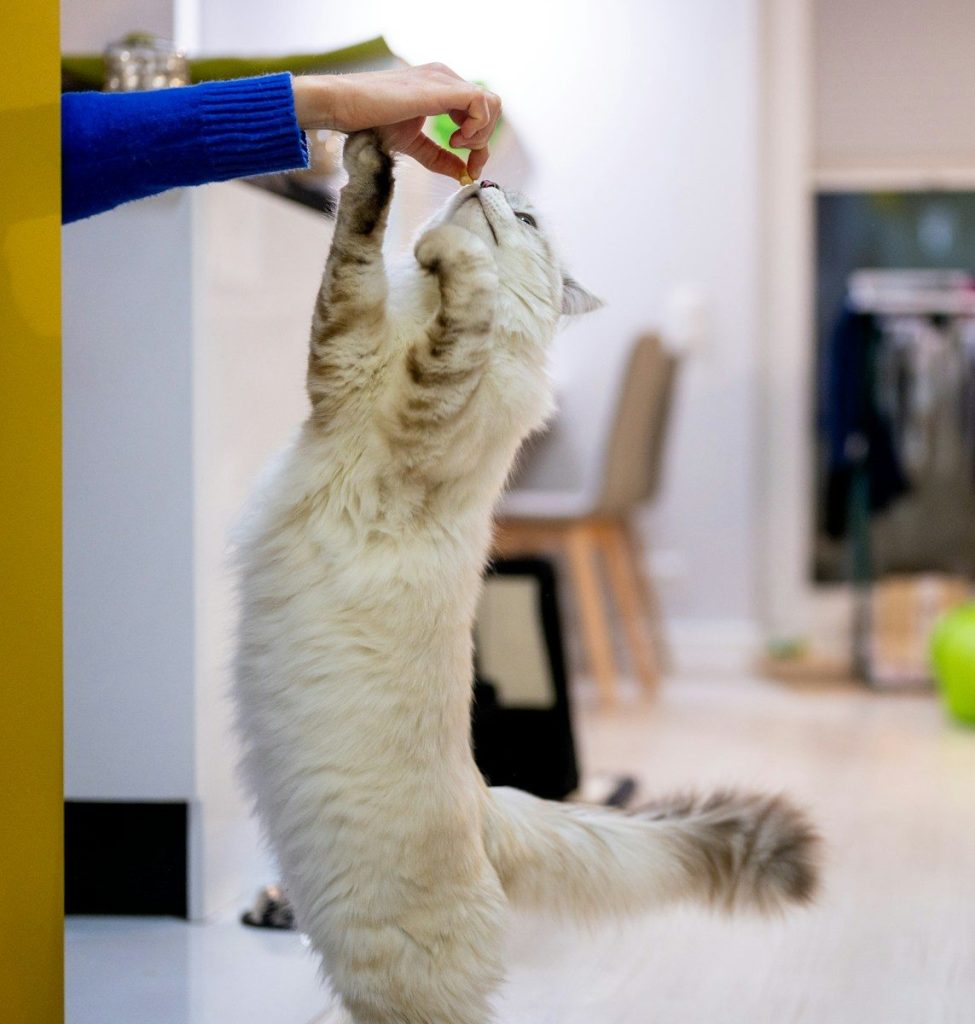
Cats often fight because they have too much built-up energy. You can solve this by introducing structured play sessions every day. Use interactive toys like feather wands or laser pointers to tire them out individually. According to the American Association of Feline Practitioners, active play reduces stress and household tension. But how do you safely bring them back together?
Reintroducing your pets to ensure long-term peace at home
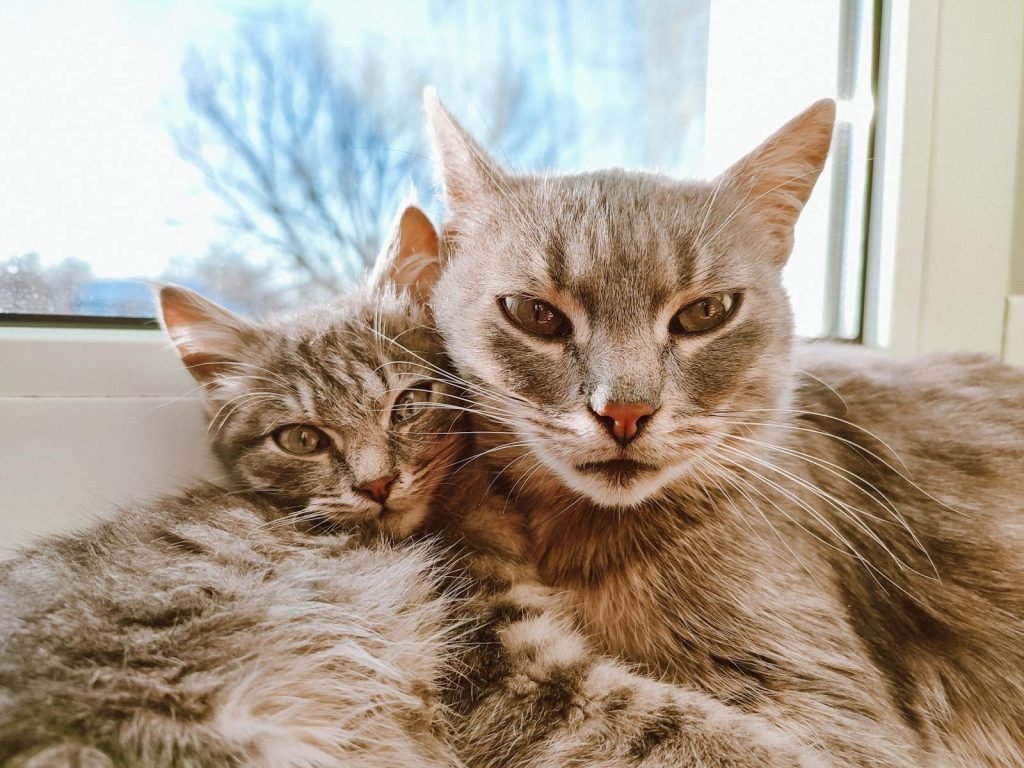
Let your cats interact slowly under close supervision. Reward their calm behavior with high-value treats to create positive associations. With patience and consistent training, your cats will learn to enjoy each other’s company again. They will soon trade their intense slap fights for peaceful naps and happy purrs.