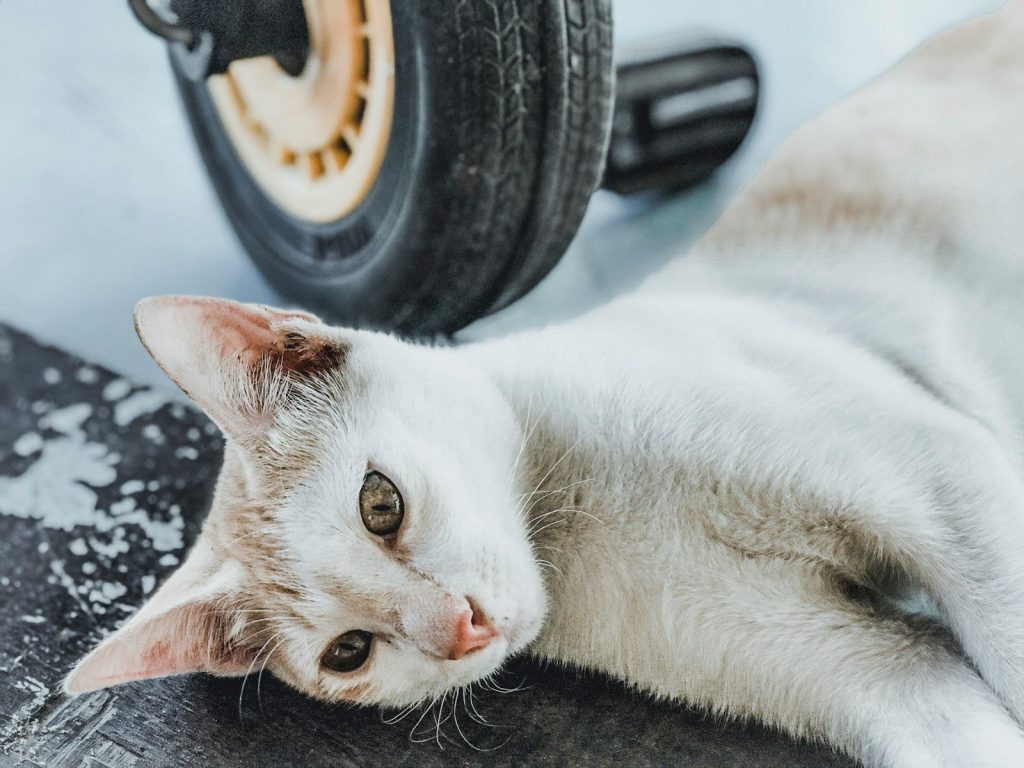

Indoor cats often get a reputation for being lazy. They spend most of their days sleeping in sunny windows or lounging on comfortable sofas.
But some pets possess an incredible amount of energy. A viral cat has stunned the internet by refusing to step off its running wheel, raising big questions about feline exercise habits.
The hidden biological need for physical activity in felines
Cats are natural predators built for short bursts of intense speed. In the wild, they would spend hours hunting, climbing, and exploring their territory. Indoor environments can sometimes limit these natural physical outlets. According to the Cornell Feline Health Center, a lack of exercise can lead to boredom and behavioral issues. This reality is why exercise wheels have become so popular.
How exercise wheels mimic natural feline territorial patrols
A running wheel offers a safe way for cats to sprint indoors. It allows them to reach high speeds without running into household furniture. Many cats enjoy the smooth, continuous motion of the wheel. It satisfies their primitive instinct to run and patrol their territory. But getting a cat to use a wheel requires a specific training process.
The secret to training your cat to run safely
Most cats will not immediately start running on a wheel. They need encouragement to build up their confidence. You can use treats or laser pointers to guide them onto the moving surface slowly. According to the Cat Fanciers Association, positive reinforcement is the most effective training tool. Once they understand the movement, some pets develop a surprising habit.
Why do some cats develop a playful obsession with exercise?
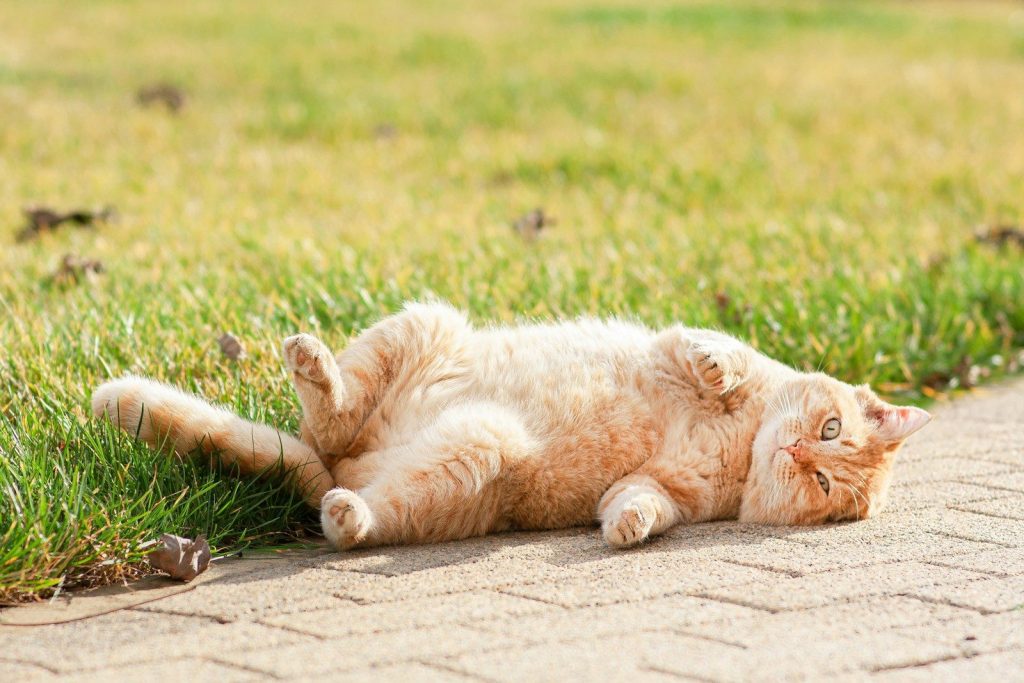
Some cats enjoy the endorphin rush of running so much that they refuse to stop. They will hop on the wheel multiple times a day. This high-energy habit is excellent for keeping their muscles toned and strong. According to veterinary behaviorists, running is also a fantastic way for anxious cats to relieve stress. However, too much exercise can occasionally cause hidden health concerns.
Understanding the risks of overexertion in active pets
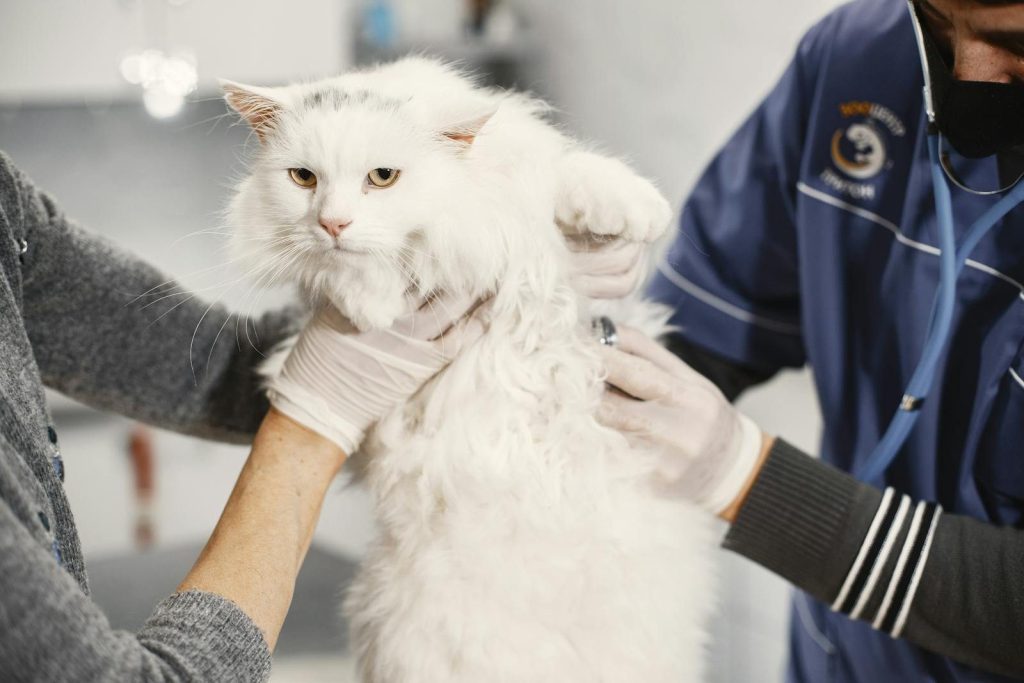
While exercise is highly beneficial, excessive running can strain a cat’s joints. This risk is especially high for older pets or breeds prone to heart conditions. According to the American Veterinary Medical Association, owners should monitor their pet’s breathing during intense play. This article is for informational purposes only and does not constitute veterinary advice. Fortunately, you can spot the warning signs easily.
How to spot signs of physical fatigue in cats
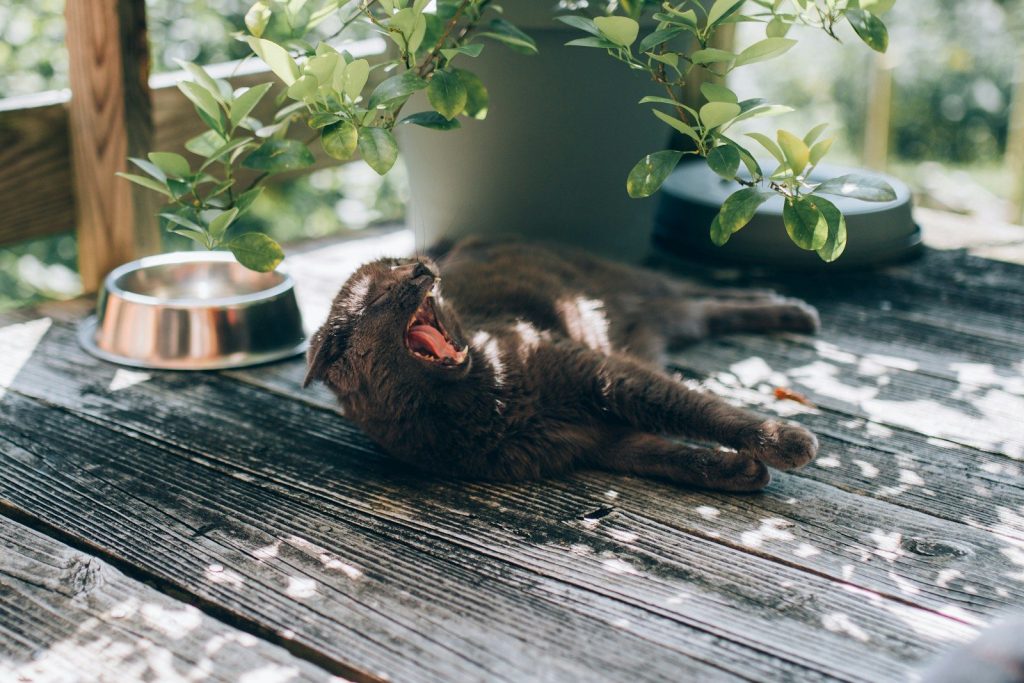
A tired cat might pant with its mouth open or lie down immediately after running. Heavy breathing is a major sign that your pet needs to rest. You should gently encourage them to take a break by offering fresh water. Keeping a close eye on their recovery time will help ensure they stay safe. But how do you choose the right wheel?
Choosing a safe and sturdy running wheel for the home
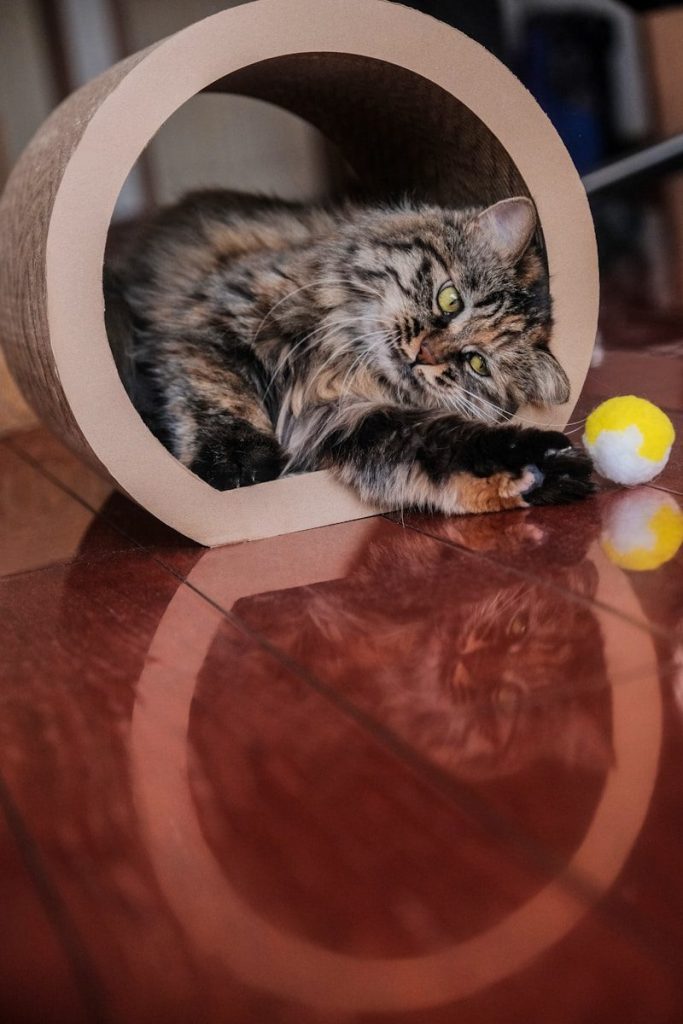
Not all cat wheels are built the same way. You need to look for a model with a wide running track to protect their spine. The wheel must spin smoothly without wobbling or making loud noises. A secure backing ensures your pet’s paws do not get pinched during a fast run. Once you set it up, you can enjoy watching their transformation.
The long-term health benefits of an active indoor lifestyle
Regular exercise keeps your pet at a healthy weight and protects their cardiovascular health. It keeps their mind sharp and prevents common age-related diseases. By providing a safe outlet for their energy, you help your cat live a longer and happier life. Your favorite feline will thrive with the perfect balance of rest and active play.