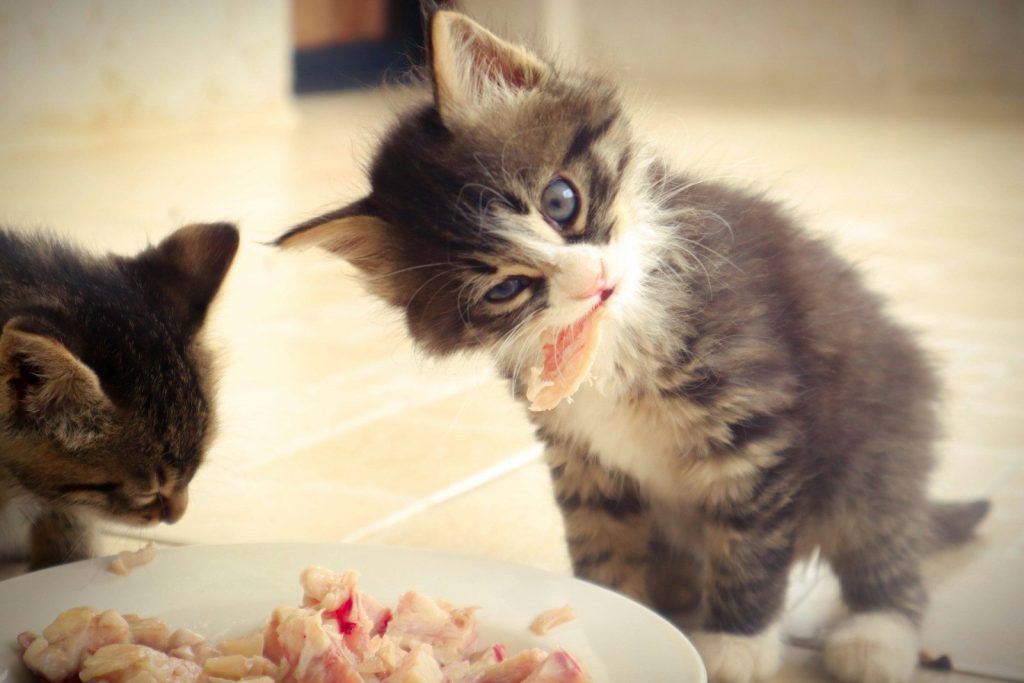

Kittens do some of the funniest things when they are growing up. They might follow an older pet around the house and mimic every single step.
A viral video of a tiny kitten eating next to a big cat shows this copycat behavior in action. But there is a deep survival reason behind these copycat meals.
The power of social learning in young felines
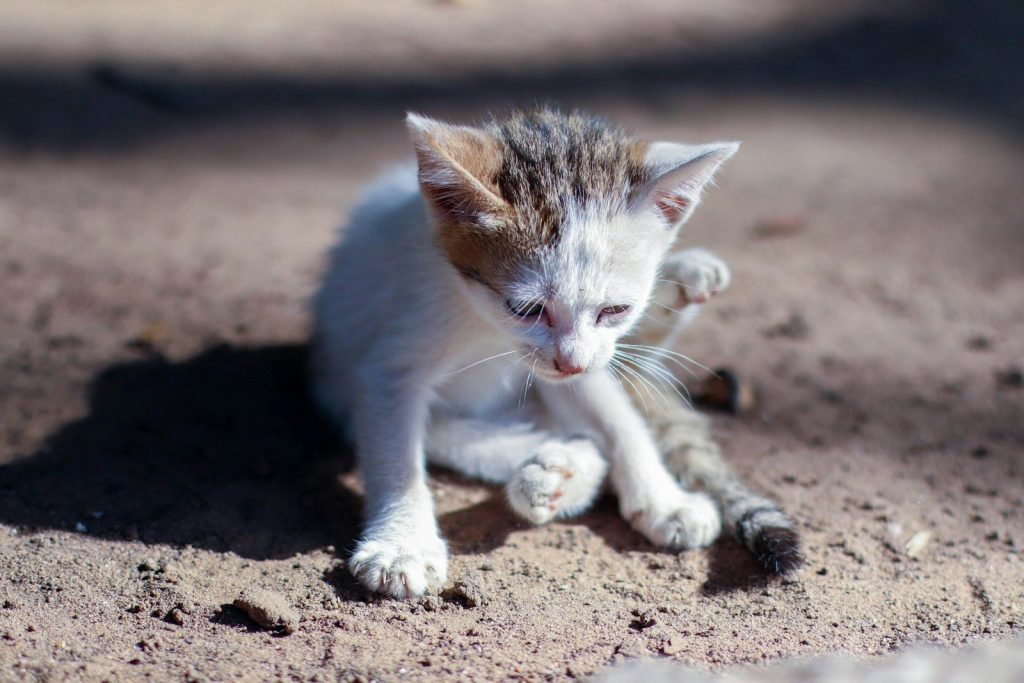
Young animals learn how to survive by watching their parents or older companions. According to the Cornell Feline Health Center, kittens pick up habits much faster when they copy an experienced mentor. They observe everything from grooming habits to playing styles. But their behavior during dinner time reveals an even more critical lesson.
How felines determine if their food is actually safe
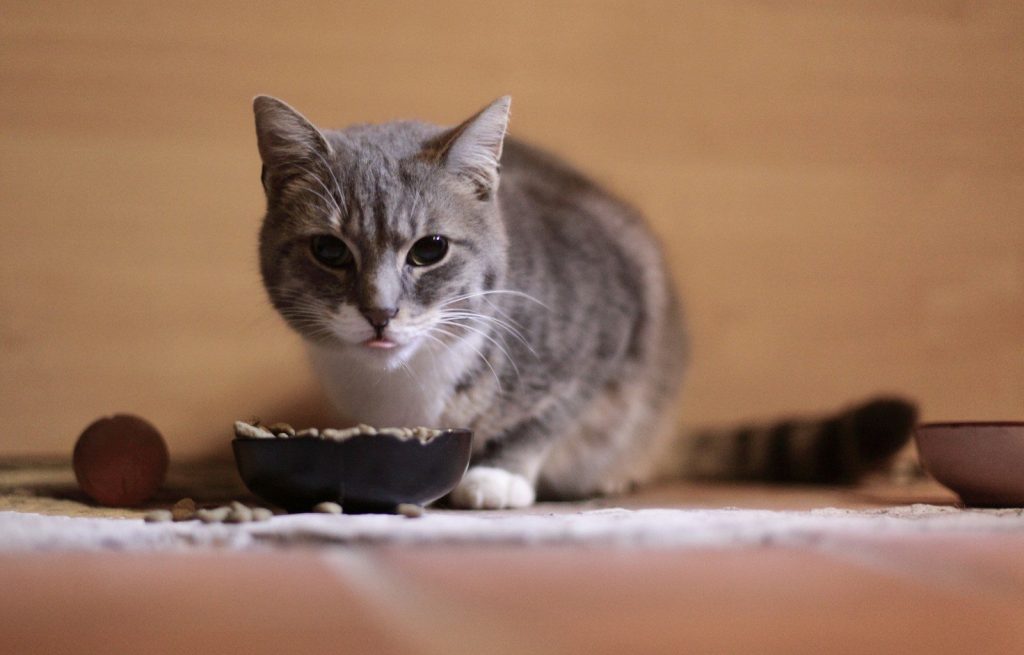
In the wild, eating the wrong thing can be a fatal mistake. Kittens do not automatically know what is safe to eat or drink. They look to older cats to show them that a meal is completely non-toxic. When a kitten watches an adult cat take a bite, it gains immediate confidence. However, safety is not the only reason they watch so closely.
Mastering the art of chewing and swallowing food properly
Eating solid food requires coordination that young kittens simply do not have yet. They must learn how to pick up kibble and use their teeth correctly. By staring at an older cat, they study the physical mechanics of chewing. It looks like a simple stare, but they are actually taking a mental masterclass. Still, this mimicry can sometimes create a hilarious kitchen dynamic.
Why copying leads to adorable mealtime turf wars
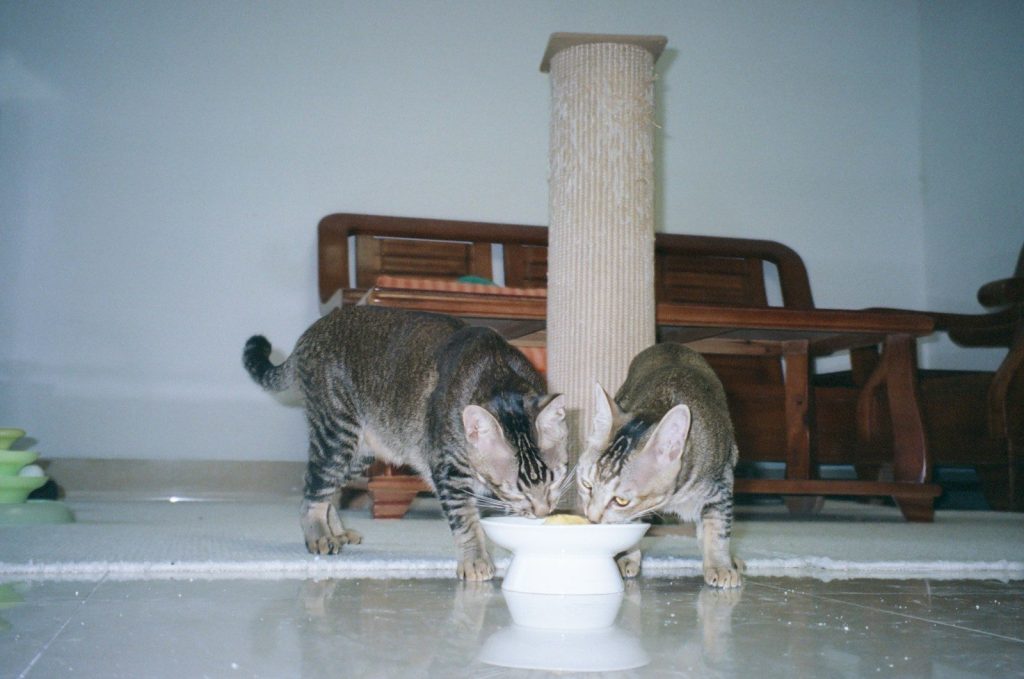
When a kitten copies an older cat, it often gets a bit too close. It might push its tiny face right into the same bowl. This boundary invasion can test the patience of even the calmest adult pet. According to animal behavior experts, some older cats will gladly share, while others prefer to eat alone. This reaction depends on how they establish their household hierarchy.
Establishing a peaceful eating environment for both pets
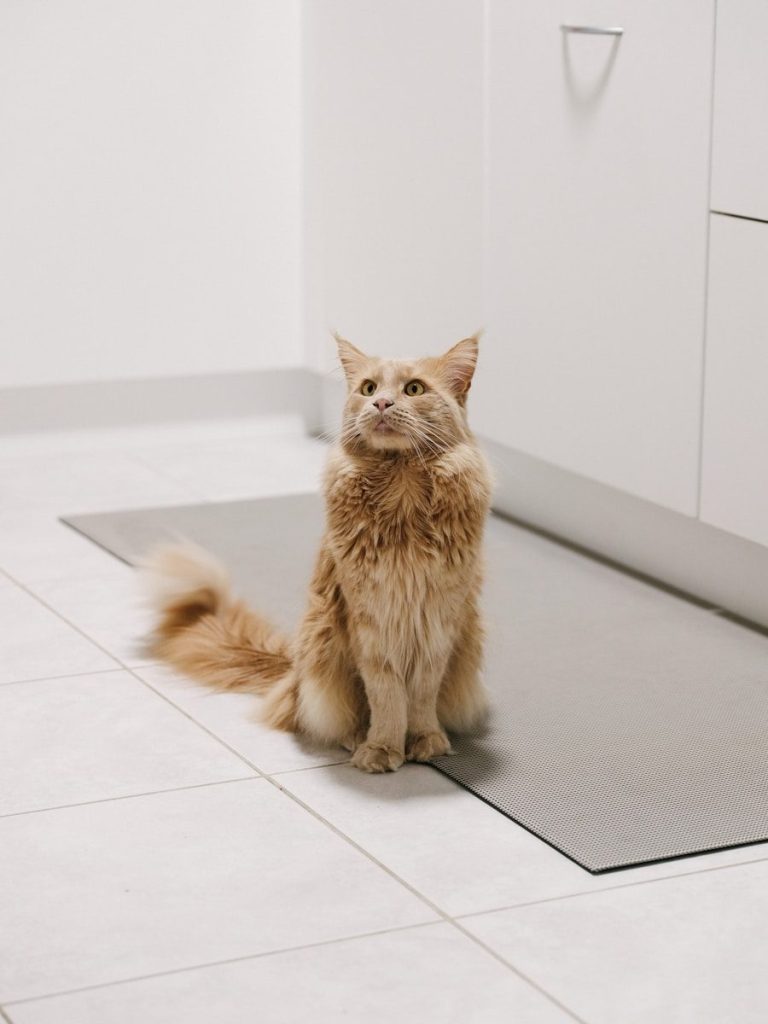
Feeding multiple pets can quickly turn chaotic if you do not plan ahead. To keep the peace, you should set up separate bowls a few feet apart. This separation allows the kitten to watch and learn without stealing food. This article is for informational purposes only and does not constitute veterinary advice. But how do you know if the older cat is getting stressed?
Subtle signs of stress during shared household meals
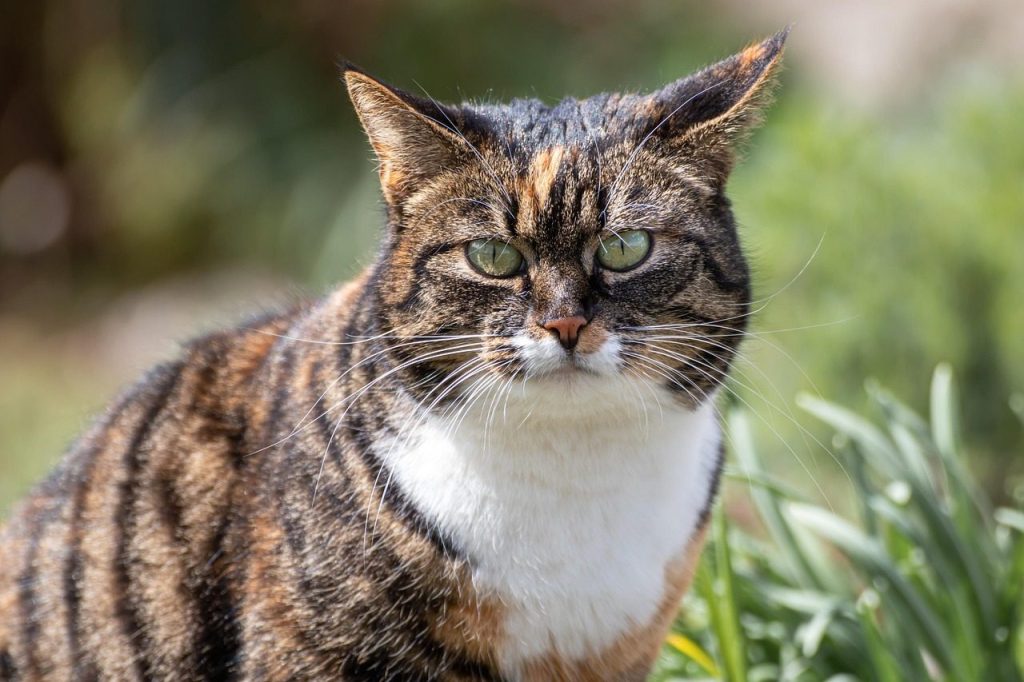
An older cat might growl softly or walk away from its bowl if it feels crowded. These quiet signals are easy to miss. According to the American Veterinary Medical Association, ignored meal stress can lead to digestive issues or sudden hiding behaviors. Recognizing these tiny shifts in body language will help you protect your older pet. But there is a way to turn this into a bonding exercise.
How to use mealtime to build lifelong pet bonds
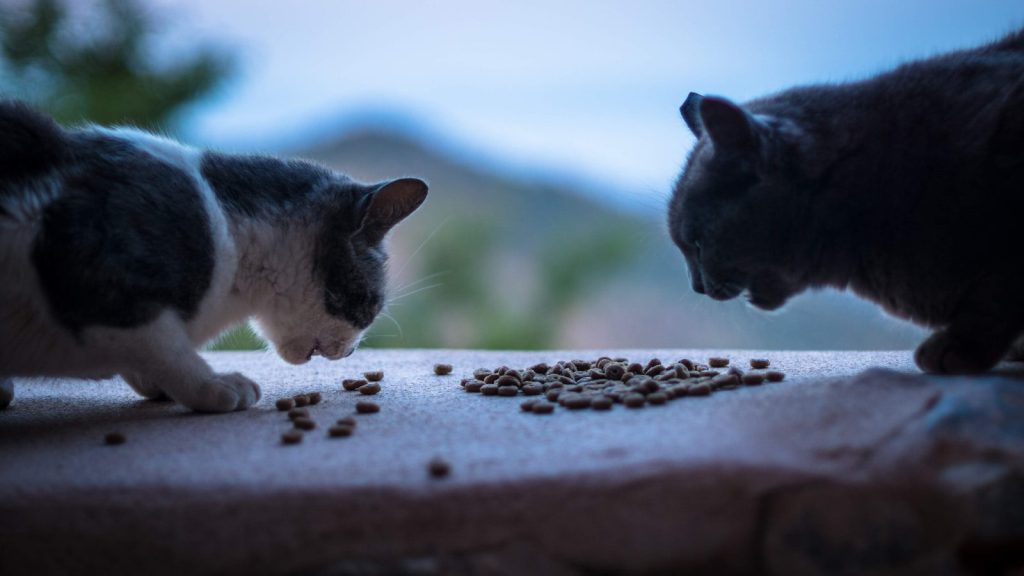
You can build mutual trust by feeding them at the exact same time every day. Routines make cats feel safe and reduce competitive anxiety. Over time, the older cat will accept the kitten as part of the family circle. The copying behavior will slowly transform into mutual grooming and shared naps. But there is one final thing you must watch out for as the kitten grows.
When copycat behaviors finally turn into independent habits
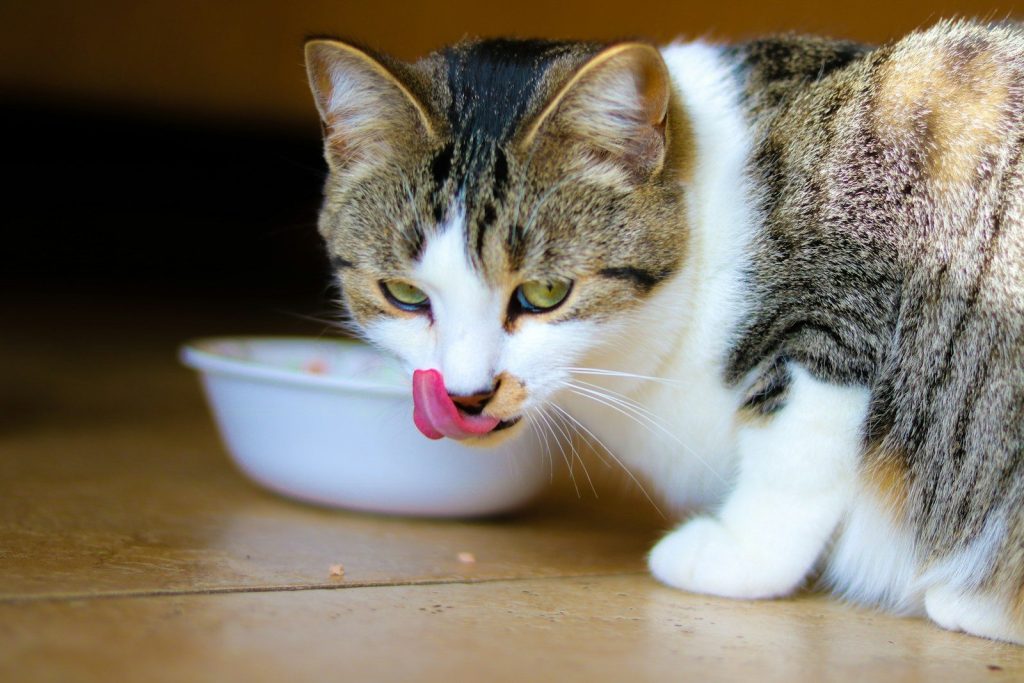
Eventually, the kitten will grow confident enough to eat without looking for reassurance. It will develop its own unique quirks and preferences. Watching this transition is one of the most rewarding parts of raising a young cat. Your pets will live a harmonious life built on early lessons of trust and copycat meals.
Featured Image: Photo by khaled khazna on Unsplash