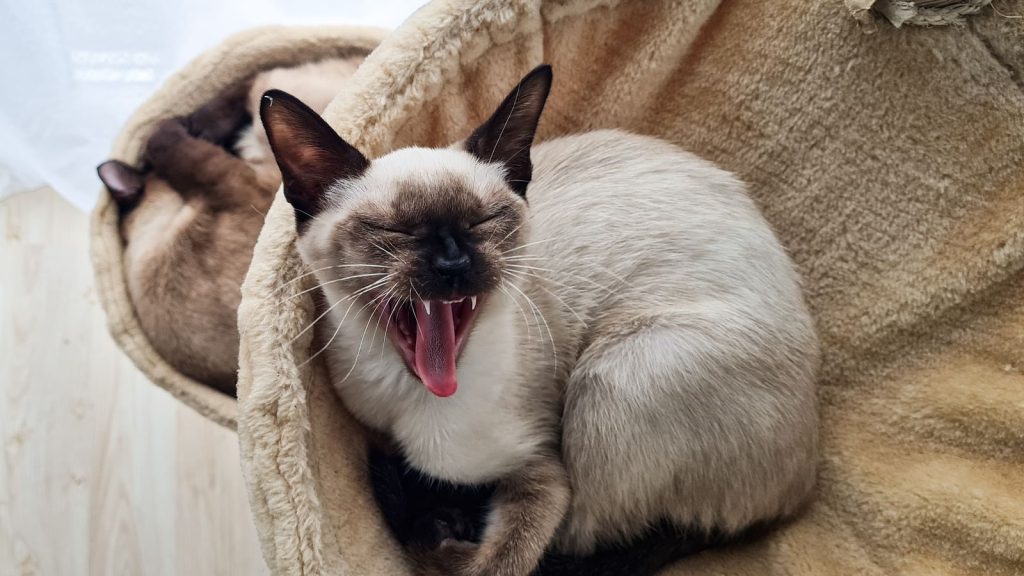

Cats can be affectionate, social and closely bonded with their people, yet they rarely behave like animals bred to work alongside humans. Their apparent refusal to “help” is usually better understood through feline instincts, learning and individual personality.
Unlike dogs, cats were not selectively bred for jobs such as retrieving, guarding or following human commands. They developed a much more flexible relationship with people, which helps explain why a cat may happily share your home without feeling obligated to do your chores.
Cats Were Not Bred to Work
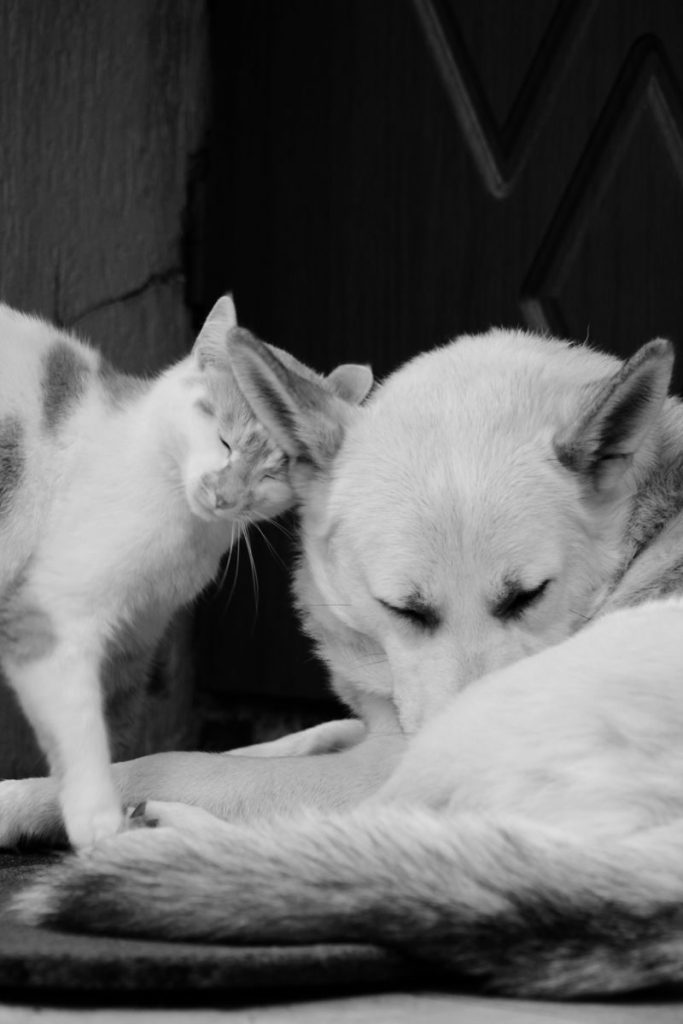
Dogs have been selectively bred for many tasks that require cooperation with humans, while cats experienced far less selection for working behavior. Modern cats therefore retain many behaviors associated with independent hunting and self-directed activity.
Cats Are Skilled Solo Hunters
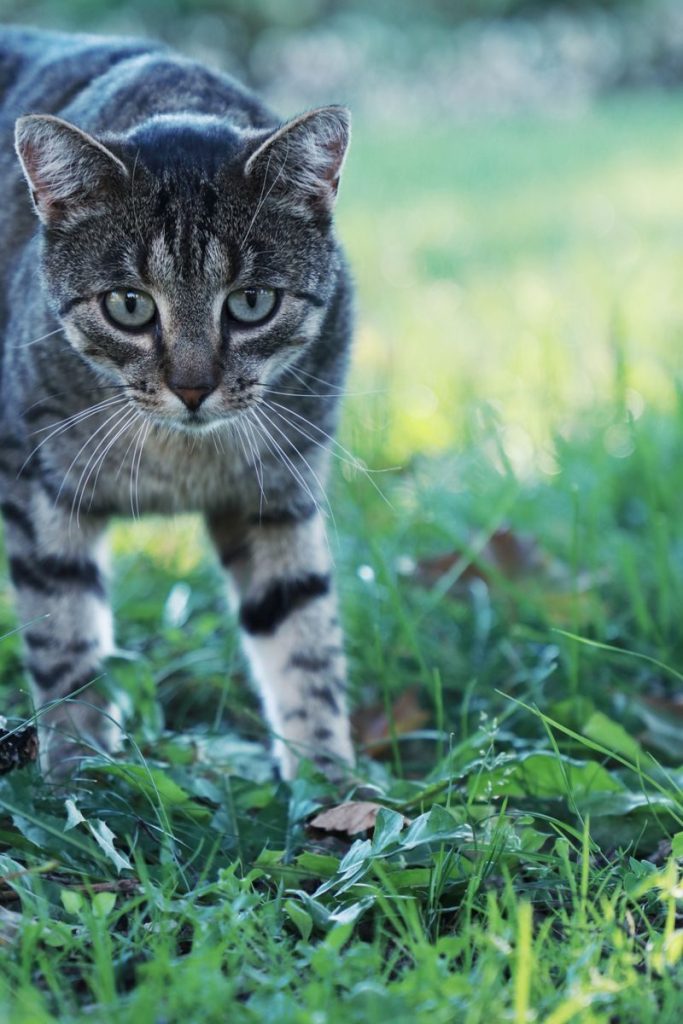
Most cats are solitary hunters, relying on stalking, chasing and catching small prey rather than coordinated group hunting. This hunting style does not naturally require following another animal’s instructions. What looks like stubbornness to a person can simply be normal feline behavior shaped by their evolutionary history.
Their Relationship With Humans Is Different
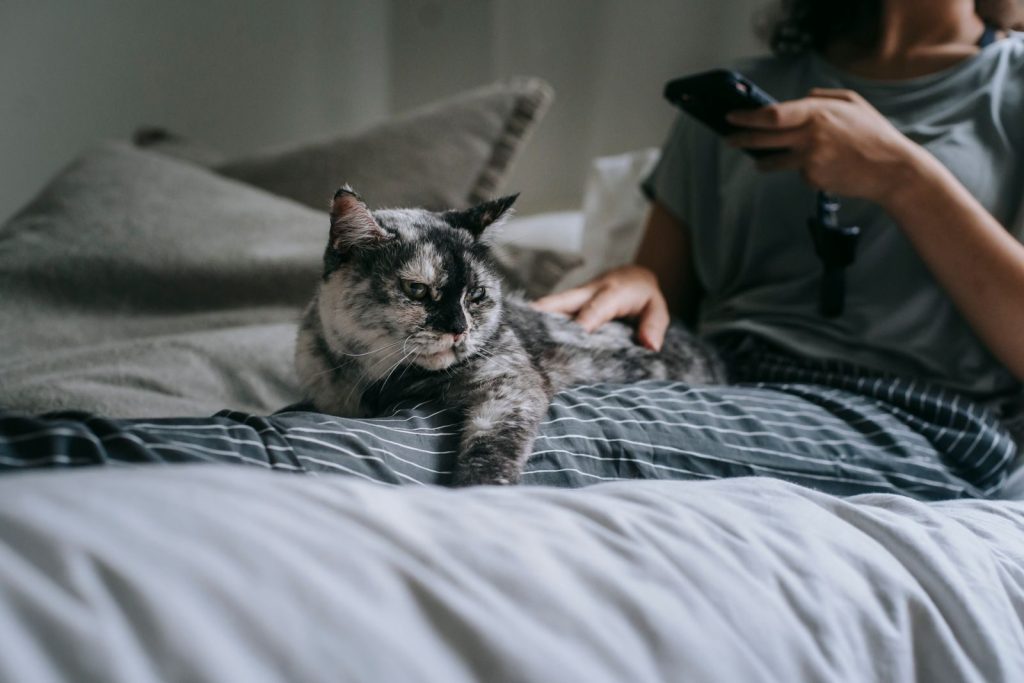
Cats can form strong social relationships with people, but their social behavior is flexible rather than based on constant cooperation. Research shows that cats vary widely in how social they are, depending on genetics, early experiences, environment and individual personality.
Food Can Motivate Their Behavior
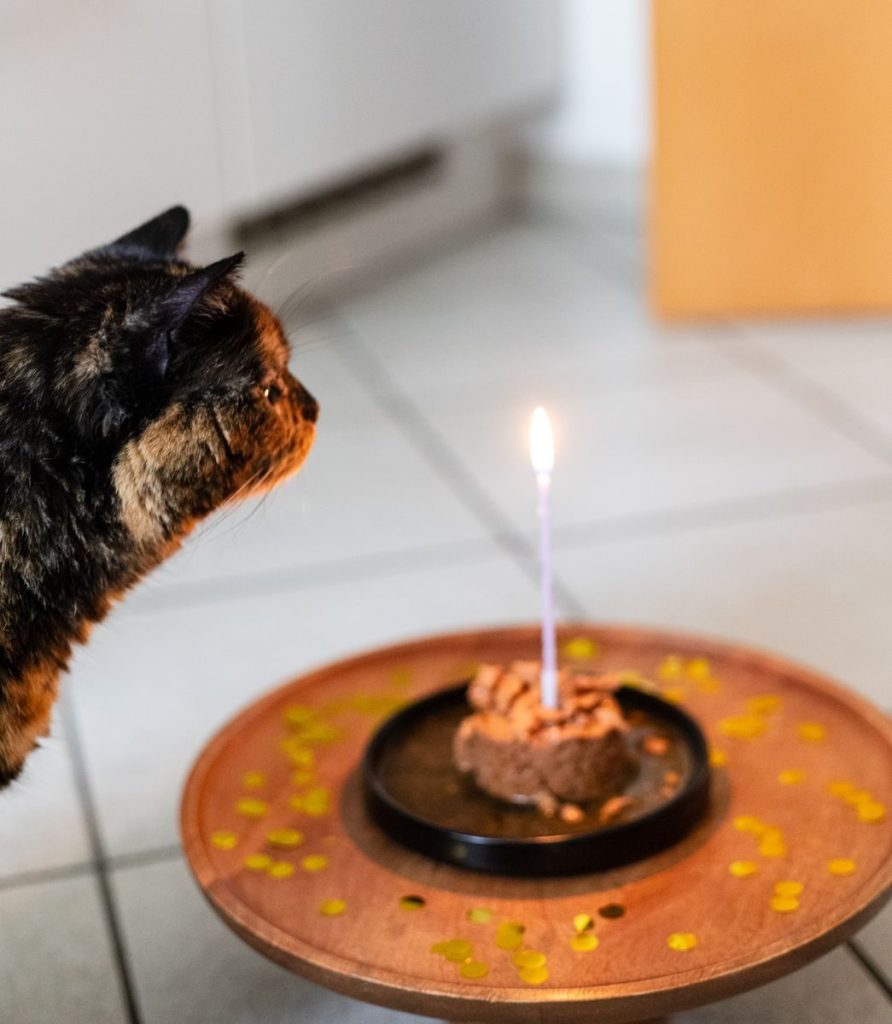
Cats can learn through rewards, including food, and positive experiences can influence how they respond to people. However, learning that a particular action earns a reward does not mean a cat will automatically want to perform every task a human requests. Motivation varies from one cat to another.
Cats Still Communicate With Us
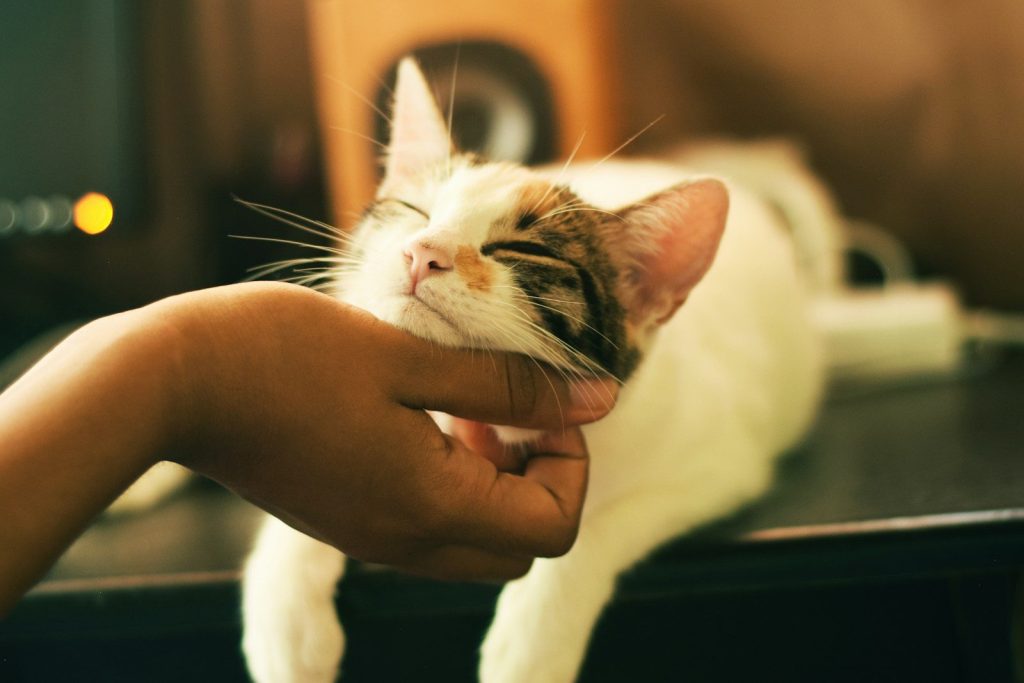
A cat that does not fetch your belongings or respond to every request is not necessarily ignoring you. Cats communicate through behaviors such as rubbing, grooming, vocalizing, body posture and proximity. Their social signals are simply different from those humans commonly expect from dogs.
Some Cats Like More Independence
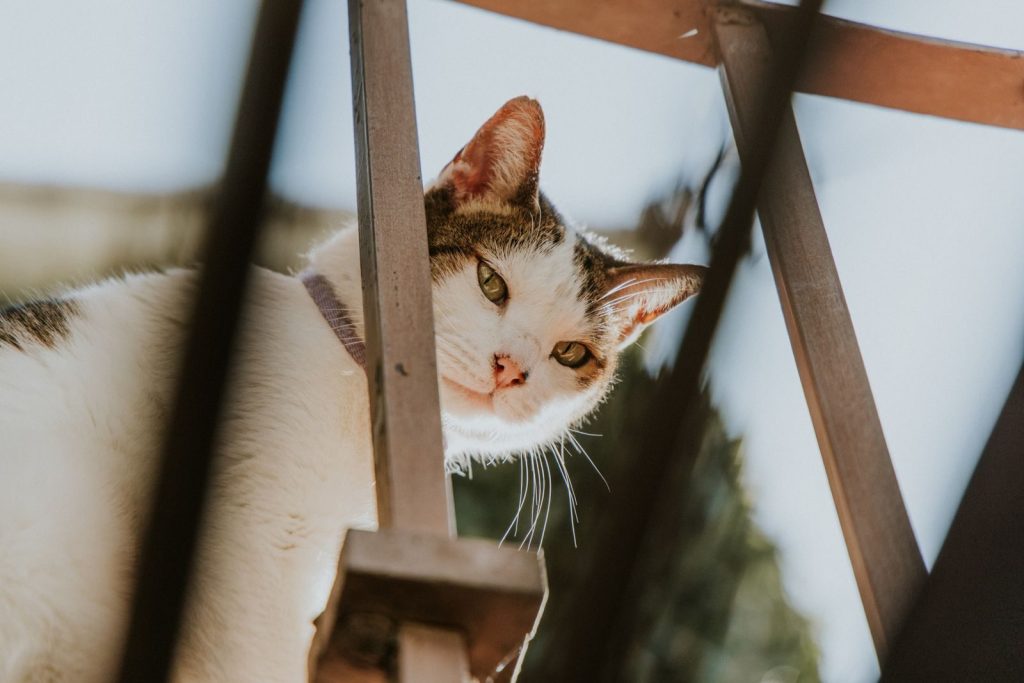
Domestic cats can live comfortably alone or in social groups, depending on their circumstances and individual preferences. Some cats actively seek human attention, while others prefer shorter interactions or more personal space. Respecting these differences can help prevent unnecessary stress and strengthen the human-cat relationship.
They Can Learn Useful Behaviors
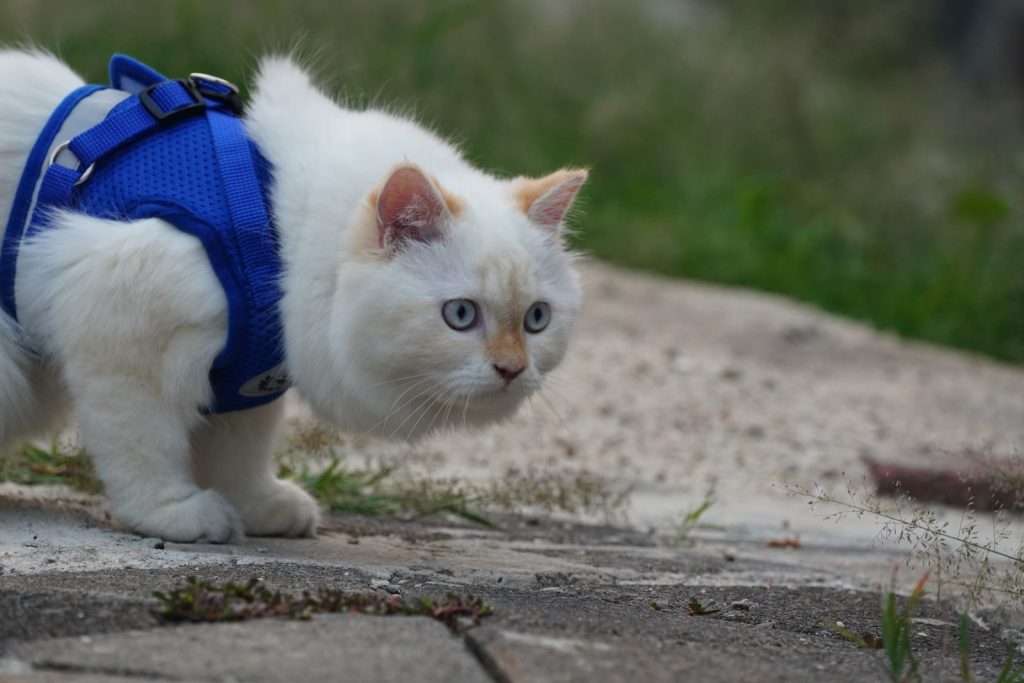
Cats are capable of learning behaviors through positive reinforcement, so they can be taught things such as responding to cues or participating in simple routines. The goal is to make the behavior rewarding rather than expecting obedience simply because a person gives a command.
“Unhelpful” May Actually Mean “Being a Cat”
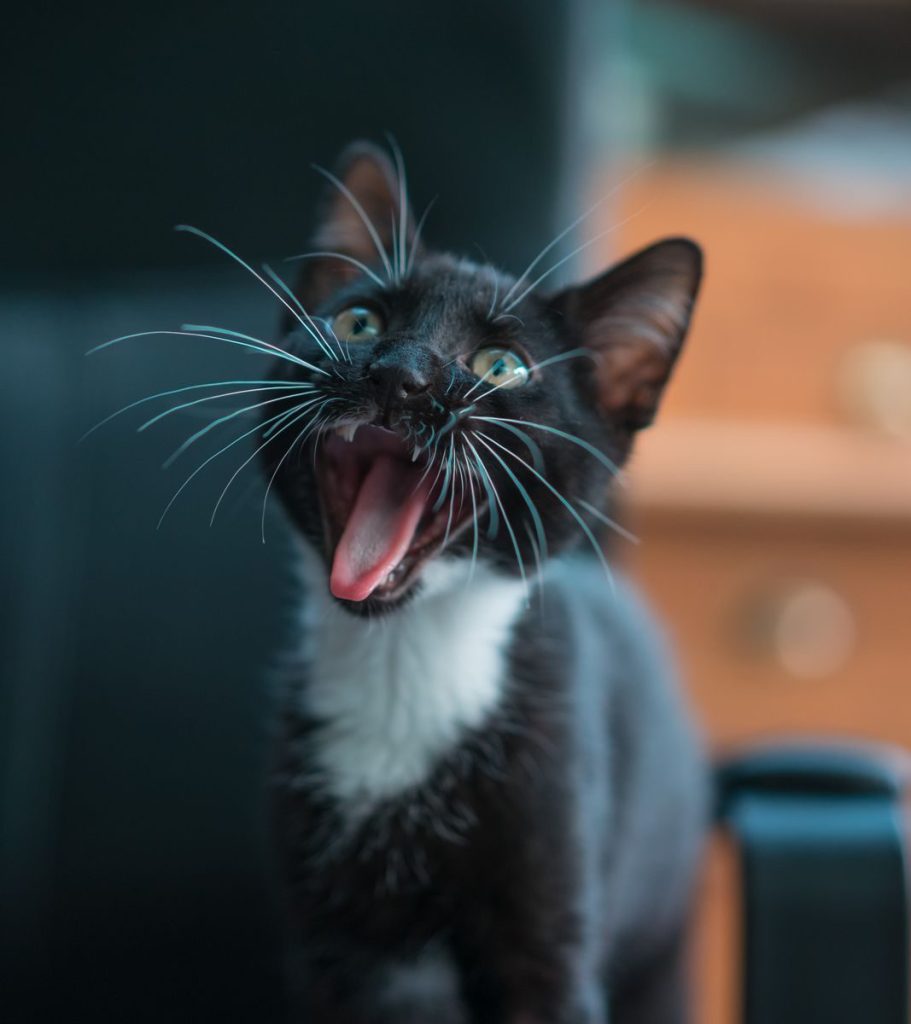
A cat refusing to perform a human-requested task does not mean it lacks intelligence, affection or a bond with its owner. Cats evolved with a different behavioral history from working dogs, and their willingness to cooperate depends on the individual, the situation and the motivation involved. Their version of companionship may simply look less like teamwork and more like choosing to be beside you.