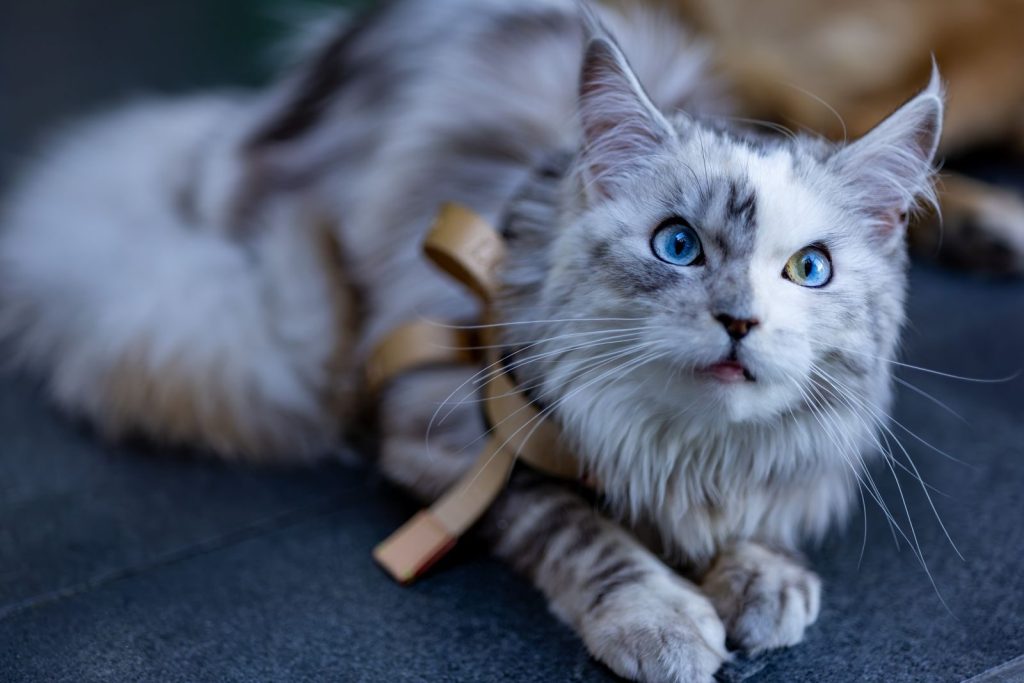

A Maine Coon mother named Selena recently delivered eight kittens whose smoky blue-and-black coats quickly drew attention online.
Their father, Sith, is black, while Selena is blue. Together, their kittens display subtle differences in shade and pattern despite belonging to the same litter.
Selena Is a Blue Maine Coon
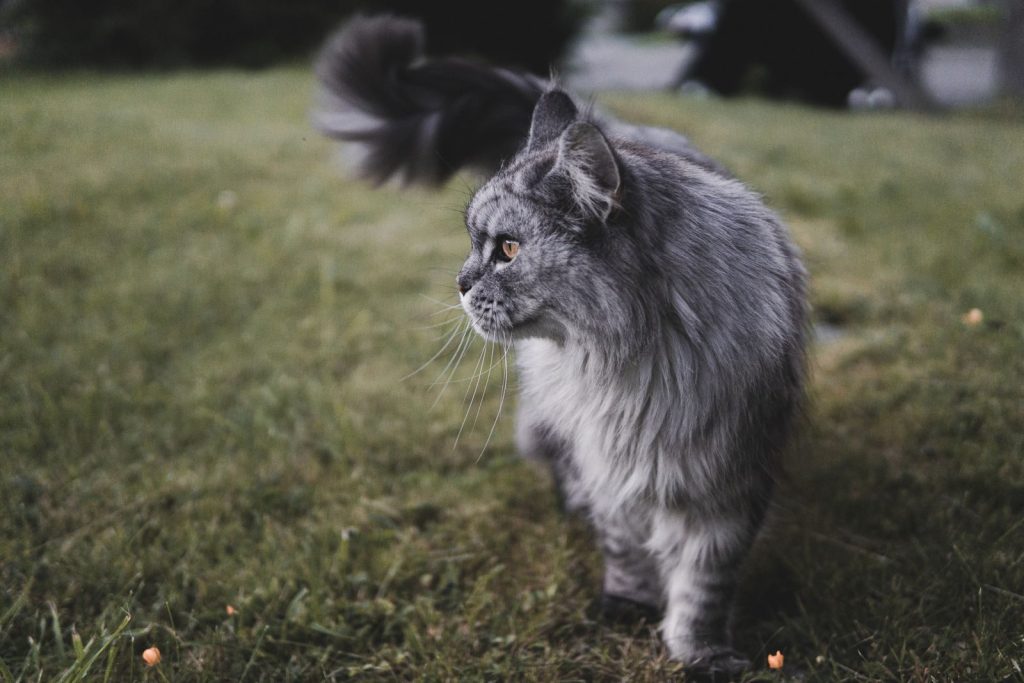
Selena belongs to Tassel Ears Maine Coon Cattery and has a blue coat. In cat-color terminology, “blue” describes a diluted grey appearance rather than literally blue fur.
Their Father Is Sith
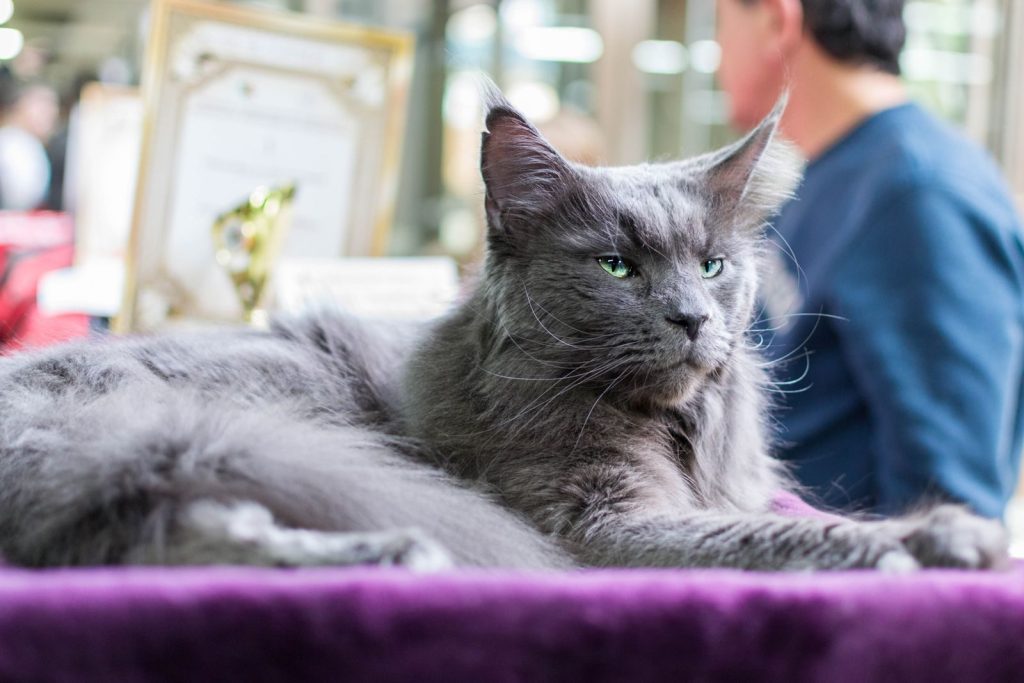
The kittens’ father is a black Maine Coon named Sith. Pairing the two cats produced a litter dominated by dark blue and black-smoke appearances, with lighter areas creating distinctive swirling effects.
Eight Kittens Arrived
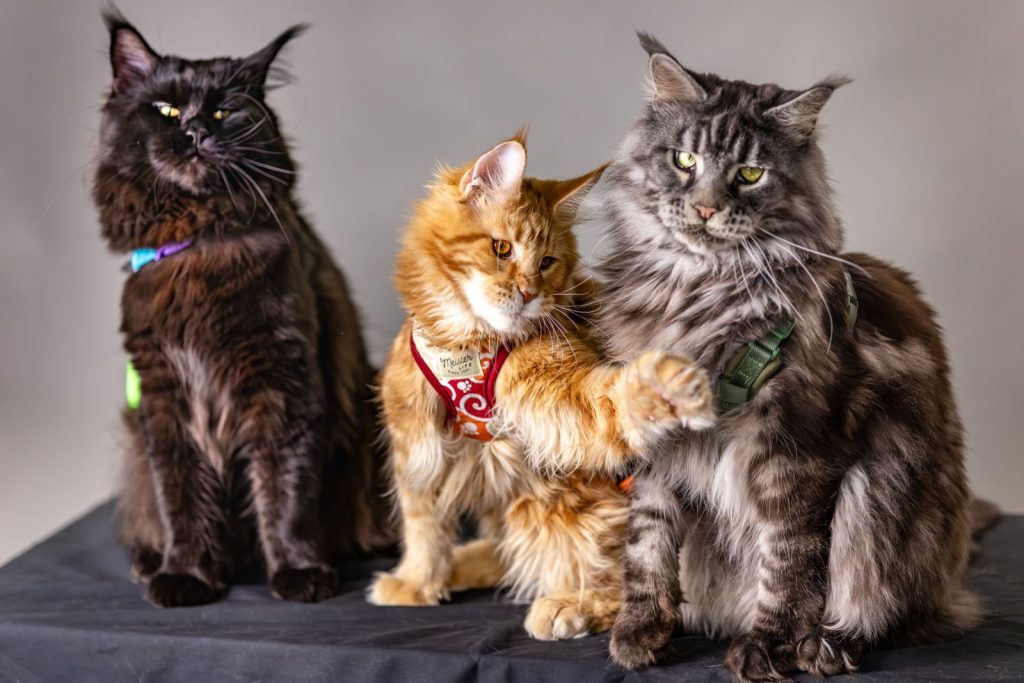
Selena delivered eight kittens. Although they share the same parents and similar base colors, each baby has its own arrangement of lighter and darker fur, making individuals recognizable as their coats develop.
Smoke Coats Hide a Light Base
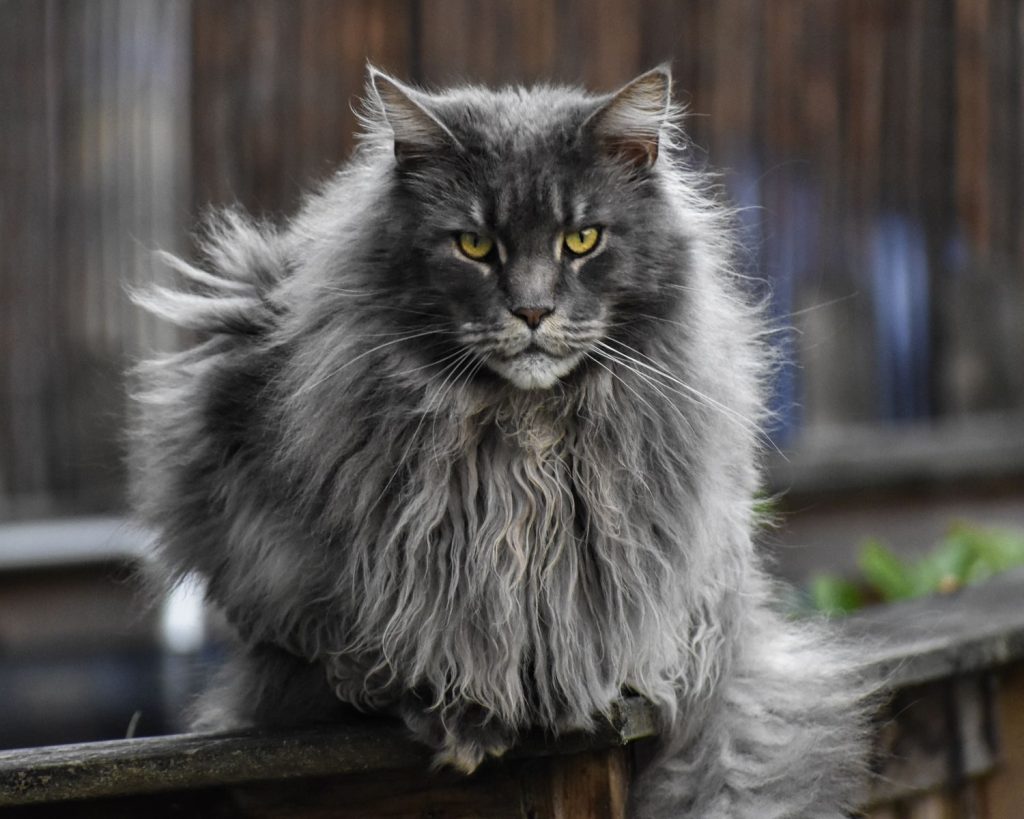
The Cat Fanciers’ Association describes blue-smoke Maine Coons as having a white undercoat deeply tipped with blue. The lighter base becomes more obvious when the coat moves or the hairs are separated.
Every Kitten Looks Different
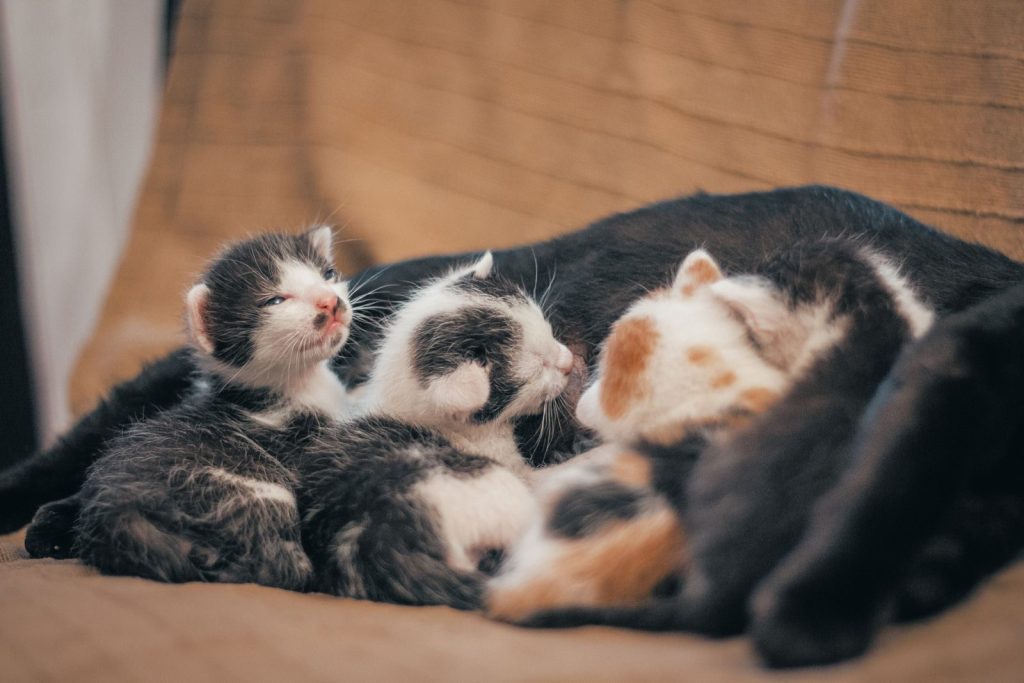
Littermates receive genetic material from the same two parents, yet the combination inherited by each kitten differs. That is why siblings can show different markings, shades and other physical characteristics despite being closely related.
Their Eyes Will Change
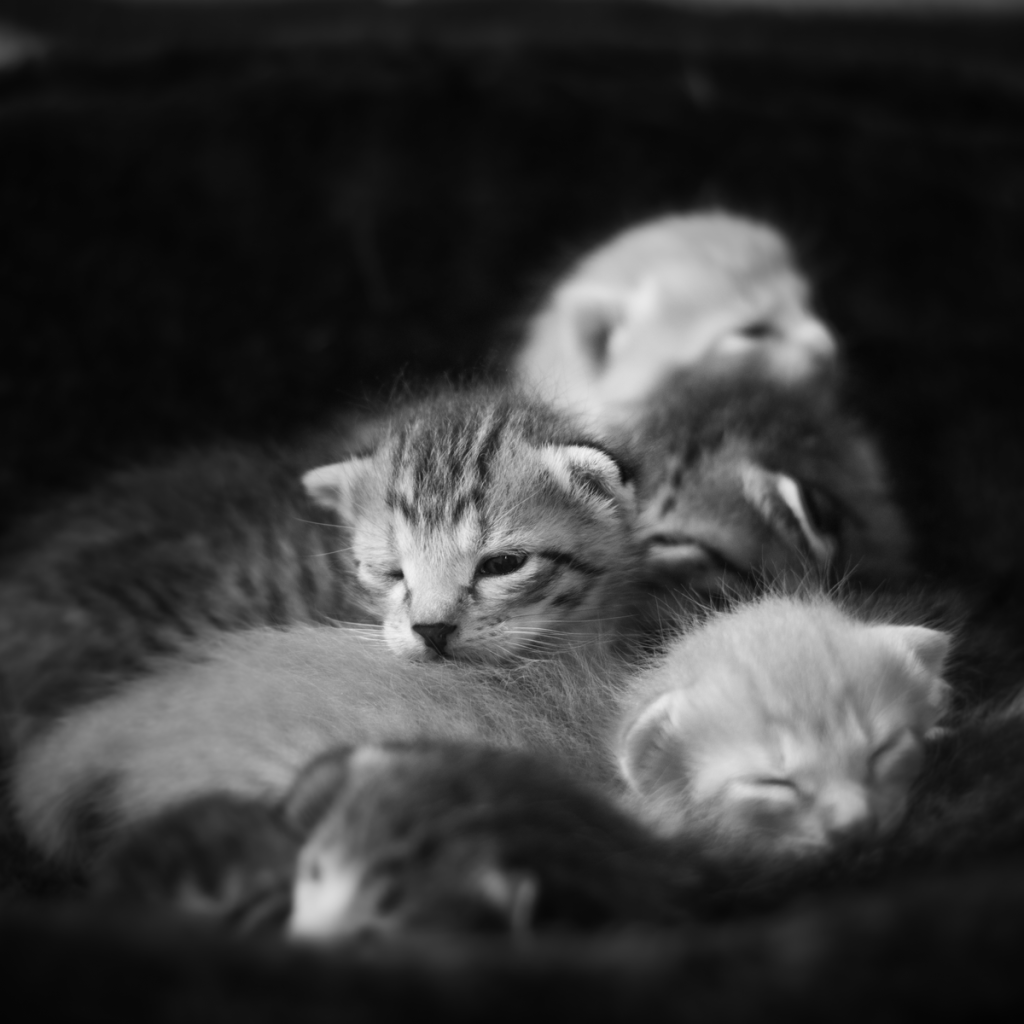
Very young kittens commonly begin life with blue-grey eyes because pigment continues developing after birth. Their permanent eye color gradually becomes clearer as they grow, so the babies’ early appearance will not remain exactly the same.
Maine Coons Mature Slowly
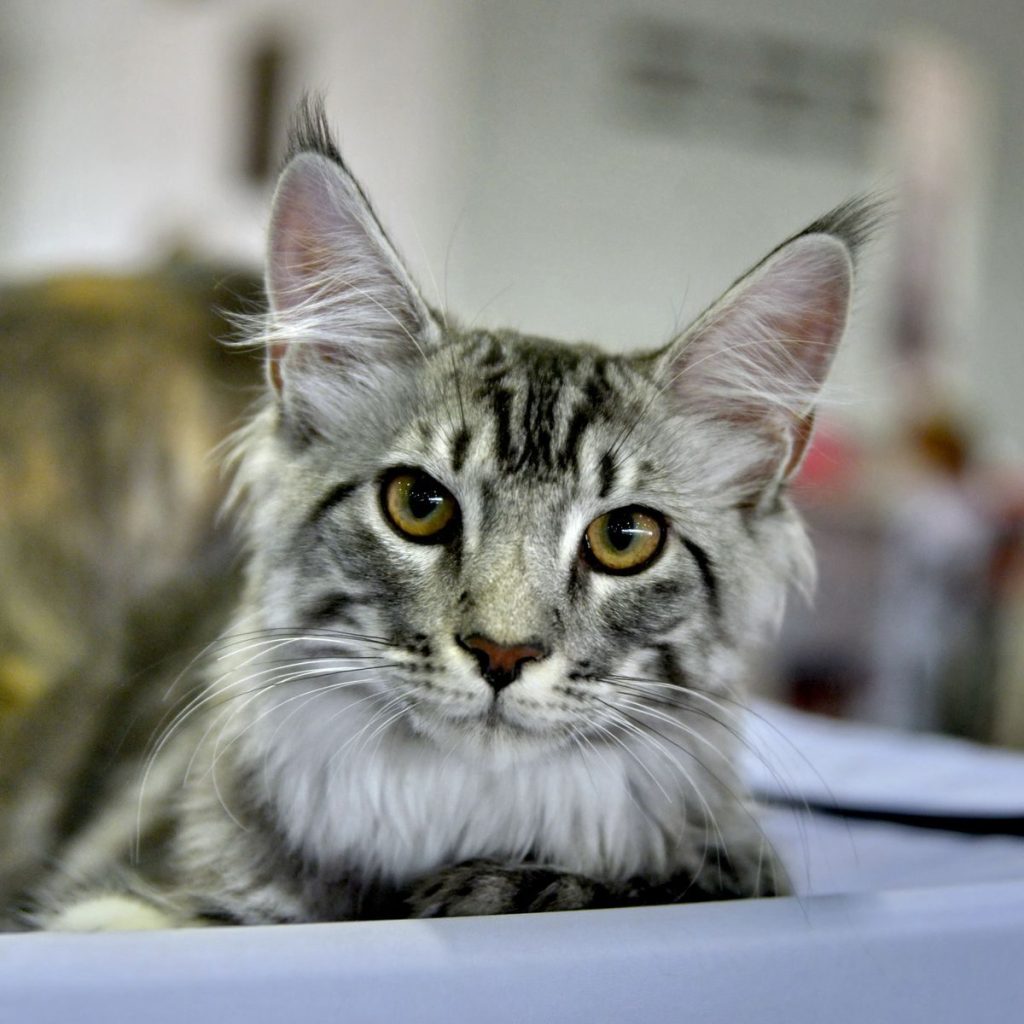
Maine Coons become impressively large cats, but kittens do not reach that size overnight. Their bodies, coats and facial features continue developing well beyond the tiny newborn stage seen in the viral footage.
Responsible Breeding Includes Health
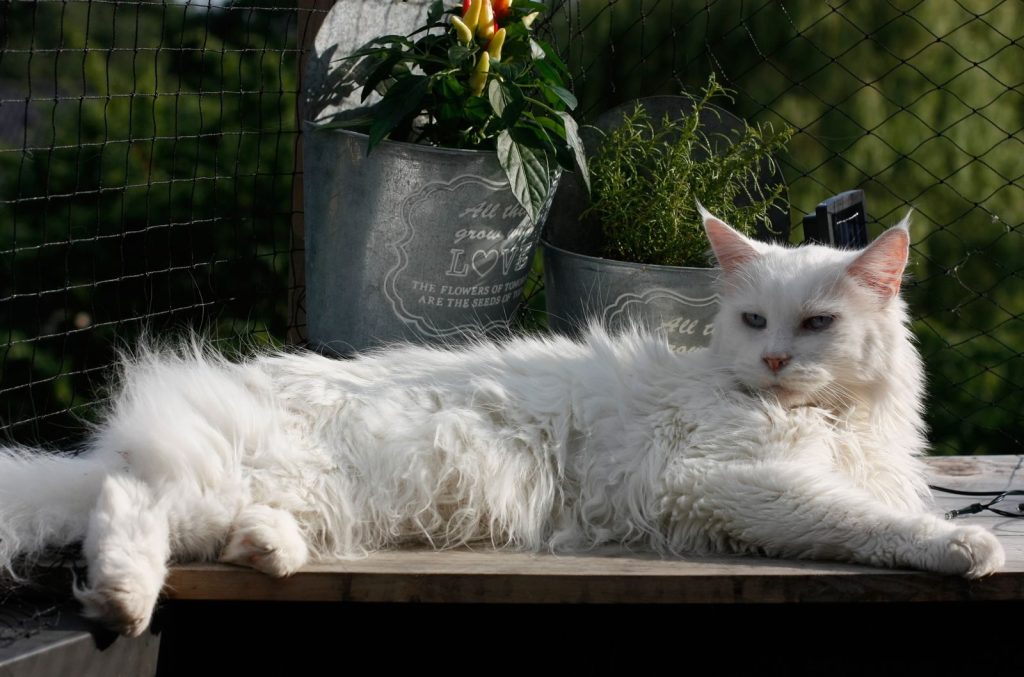
Coat color can be beautiful, but responsible breeding should prioritize health and temperament. Genetic screening and appropriate veterinary testing help breeders make more informed decisions instead of selecting parents solely for fashionable colors or patterns.