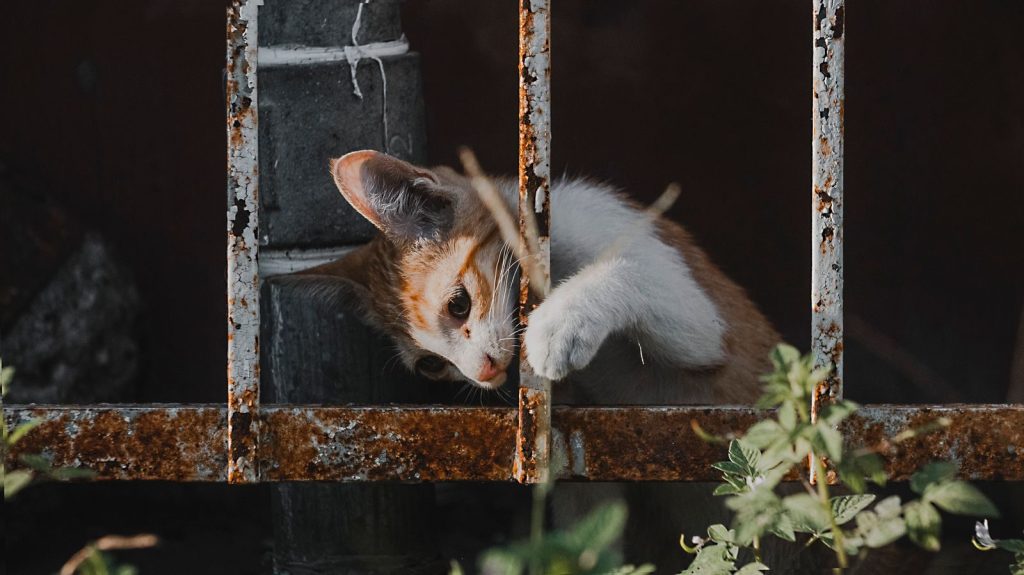

Some cats are naturally more energetic than others, and certain breeds are especially well known for staying busy. They may chase toys, climb furniture, learn games, follow people from room to room, or invent their own entertainment when the house becomes too quiet. For owners who enjoy an interactive companion, those traits can be a great match, but they also mean the cat needs regular opportunities to move, explore, and think rather than being expected to entertain itself all day.
There is no scientific ranking that can name one breed as the single most playful cat, and breed descriptions are only general tendencies. Age, health, early socialization, environment, and individual personality can make two cats of the same breed behave very differently. The eight breeds below are consistently described by major cat registries as active, playful, curious, or highly interactive. Each can thrive when its household provides safe climbing spaces, appropriate toys, daily attention, and enough quiet time to rest when playtime is over.
Abyssinian
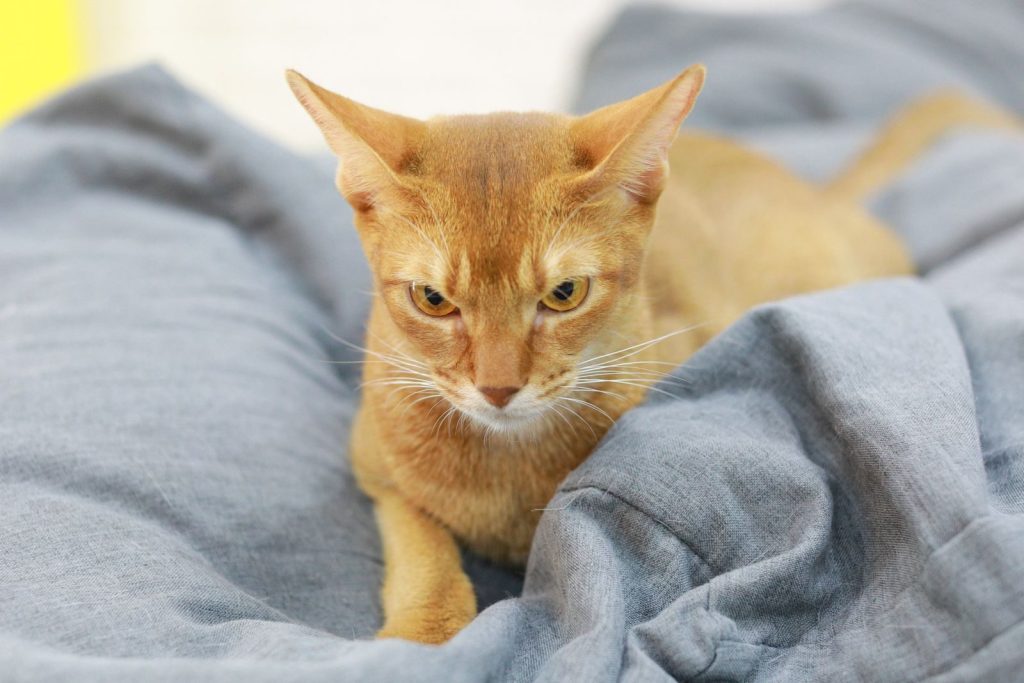
Abyssinians are among the clearest examples of an active, playful breed. The Cat Fanciers’ Association describes them as extremely active and playful, and many prefer exploring the house to sitting still for long periods. They often enjoy climbing, chasing interactive toys, watching activity from high places, and following people from room to room. A tall cat tree, puzzle feeders, and several short play sessions can give that curiosity useful outlets. Individual Abyssinians still vary, so a quieter cat is not abnormal simply because the breed has an energetic reputation.
Bengal
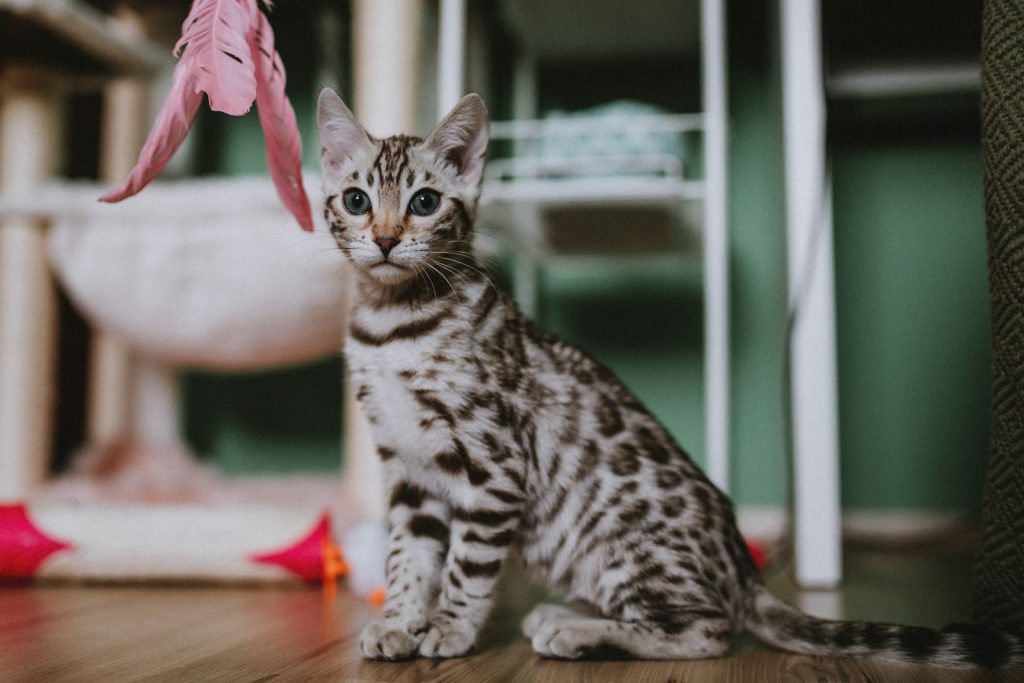
Bengals are athletic cats with a strong reputation for curiosity, climbing, and energetic play. The International Cat Association describes them as playful, intelligent, and highly trainable, with many enjoying fetch, puzzle toys, harness training, and games that involve chasing or climbing. Their activity level can be demanding if the home offers little stimulation. Regular interactive play, vertical space, and food puzzles can help keep them occupied. Bengals are individuals, however, and some are more reserved than others, so the breed’s high-energy reputation should never be treated as a guarantee.
Burmese
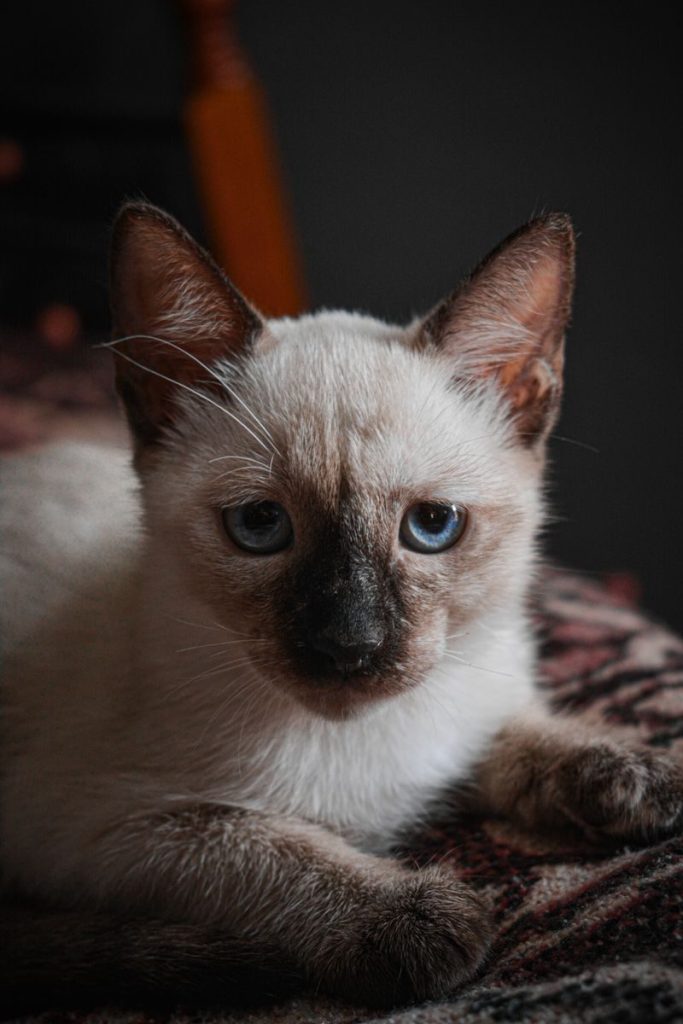
Burmese cats are social companions that often keep a strong interest in play well beyond kittenhood. The Cat Fanciers’ Association describes them as curious, clever, friendly, and playful, noting that many remain active into old age. They may enjoy fetch, lightweight toys, chasing games, and simply following family members to see what is happening. Because Burmese cats tend to be people-oriented, interactive play can be especially rewarding. Their energy usually becomes easier to manage with age, but owners should still provide regular activity instead of assuming an adult Burmese has outgrown play.
Cornish Rex
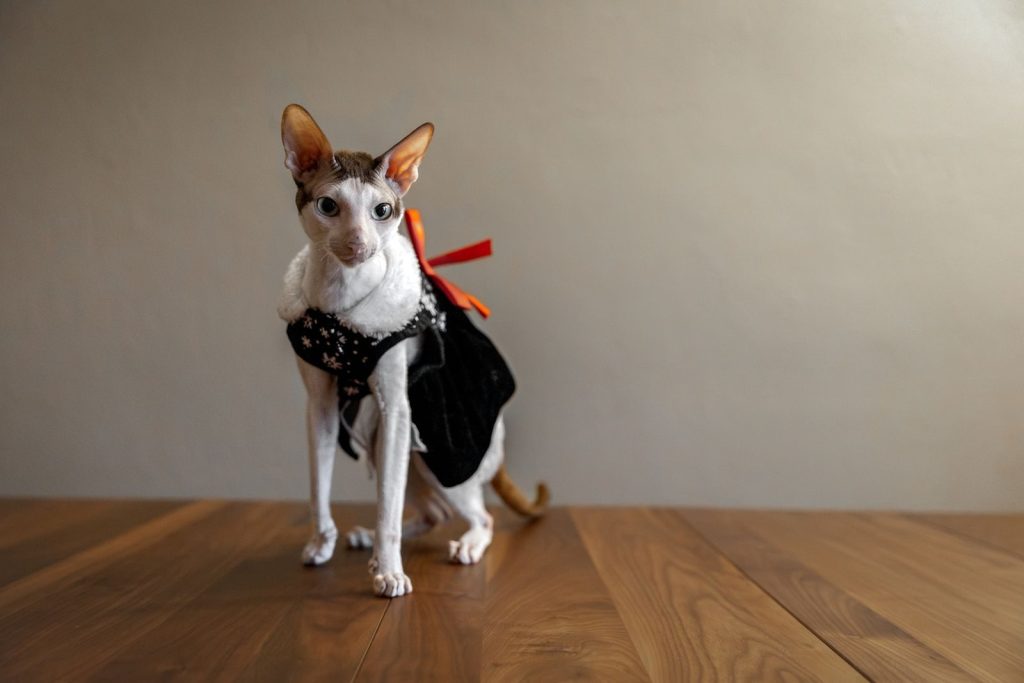
Cornish Rex cats combine a distinctive wavy coat with a very active personality. The Cat Fanciers’ Association describes the breed as active, alert, adventurous, and constantly interested in finding new things to play with. Many enjoy jumping, racing, climbing, and joining whatever their people are doing. Secure climbing furniture and interactive toys can help direct that energy safely. Because curious Cornish Rex cats may investigate household objects that were never meant to be toys, fragile or dangerous items should be secured. Their playfulness is a tendency, not an identical personality shared by every cat.
Devon Rex
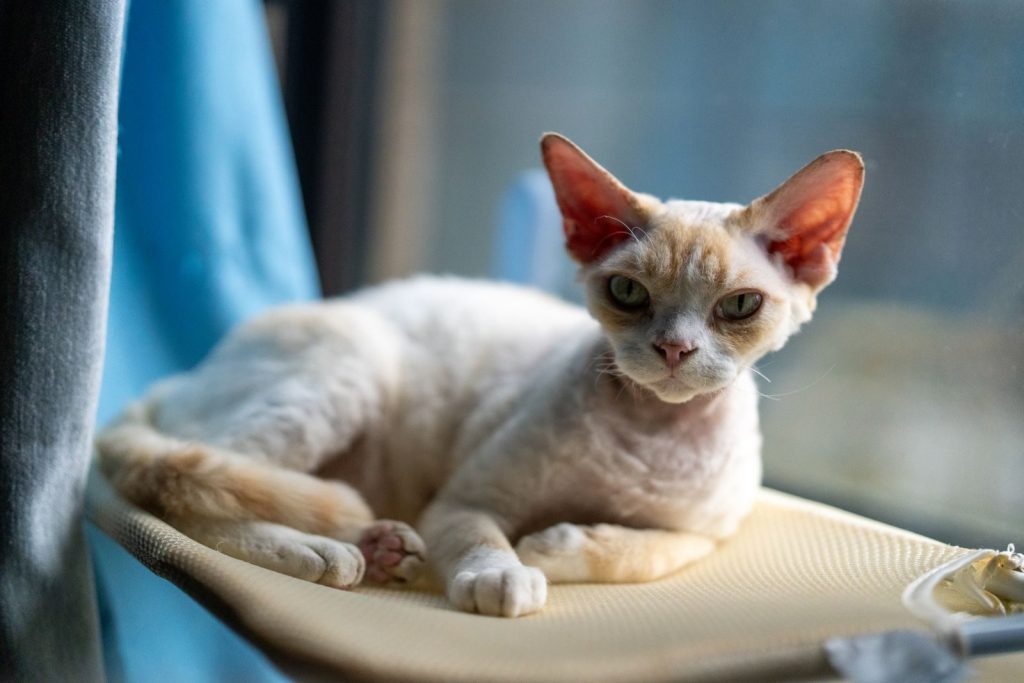
Devon Rex cats are known for playful, mischievous behavior and a strong interest in people. The International Cat Association describes them as intelligent and active, with many enjoying toys, puzzle games, fetch, and climbing to places that give them a better view of the household. Their curiosity can become troublesome when they are bored, so rotating toys and providing safe exploration opportunities can help. Devons also tend to seek company, meaning play often works best when people are involved. As with any breed, activity varies according to the individual cat’s age, health, and personality.
Singapura
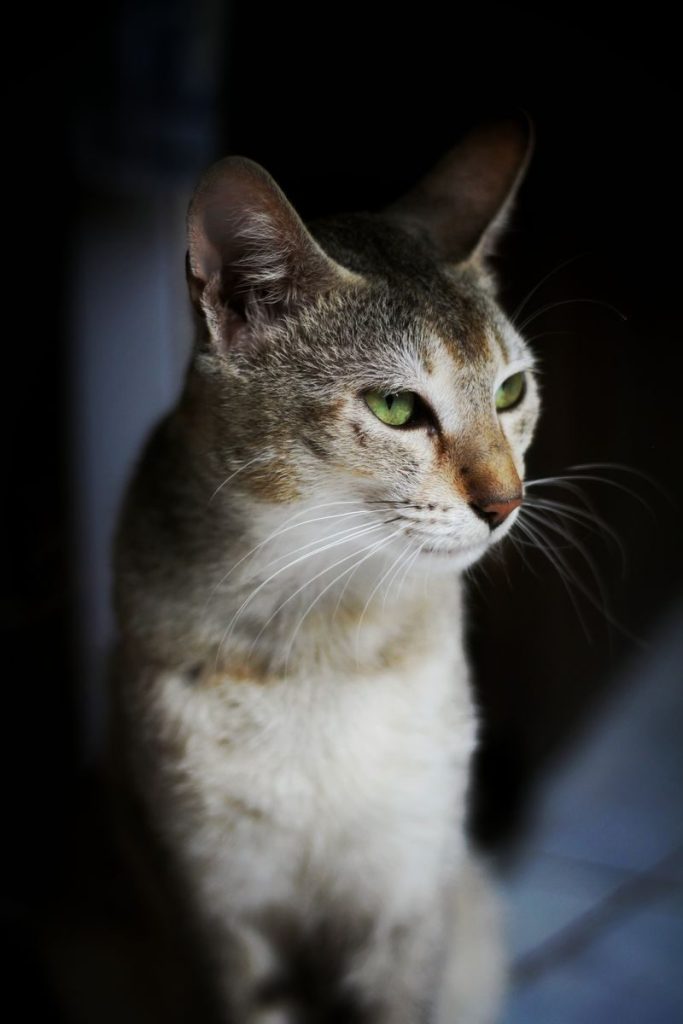
The Singapura is small in size but often remarkably active. The International Cat Association describes the breed as playful, inquisitive, energetic, and interested in being part of household activity. Many enjoy high perches, drawers, shelves, toys, and anything new enough to investigate. Their size should not be mistaken for low exercise needs. A Singapura can benefit from climbing areas, tunnels, puzzle feeders, and interactive games that encourage movement. Some individuals are calmer than others, but the breed is generally better suited to people who enjoy a curious cat that wants to stay involved.
Bombay
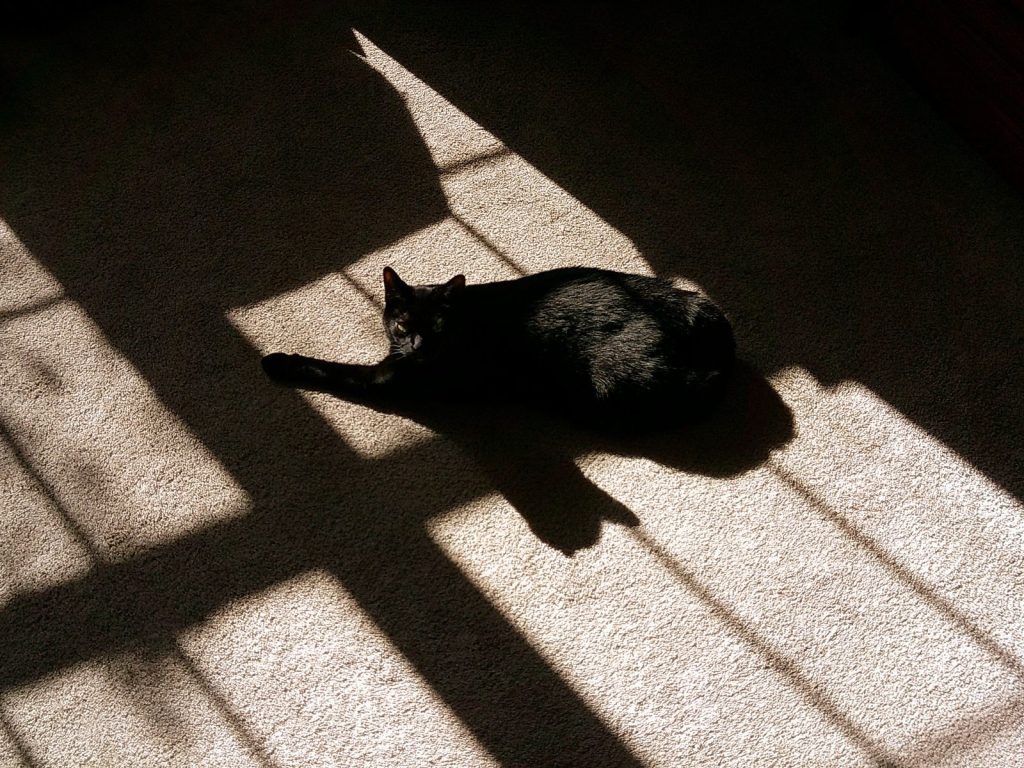
Bombays were developed to resemble miniature black panthers, but their personalities are entirely domestic. The Cat Fanciers’ Association describes them as playful, outgoing, intelligent, affectionate, and strongly interested in toys. Many are happy to investigate boxes, bags, lightweight objects, and games involving their people. They are not generally described as relentlessly hyperactive, which can make their playful nature easier to fit into many households. Regular games and enrichment are still useful, especially for young cats. A sudden drop in a normally active Bombay’s interest in play can also justify a veterinary check.
Turkish Angora
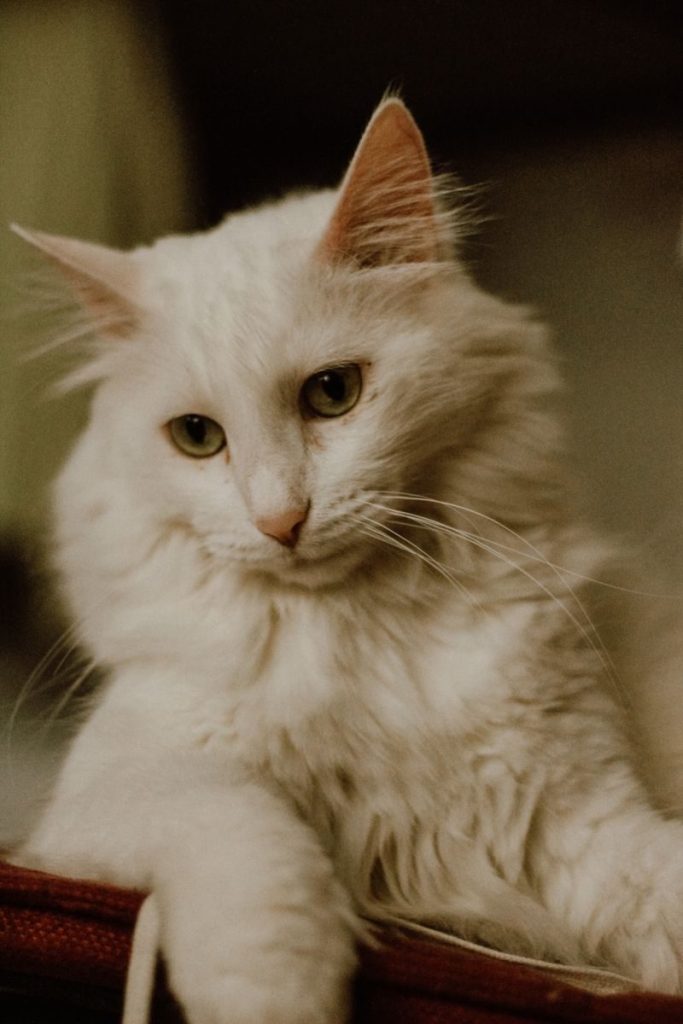
Turkish Angoras are graceful cats with a surprisingly active side. The International Cat Association describes the breed as intelligent, active, and inquisitive, traits that can translate into climbing, exploring, chasing toys, and investigating household routines. Safe vertical spaces are particularly useful because an athletic cat may quickly discover shelves and furniture that owners assumed were out of reach. Interactive toys can provide exercise without encouraging rough play with hands. Like all breed descriptions, these traits represent common tendencies rather than promises; an individual Turkish Angora may be considerably calmer or more independent than expected.
Featured Image: Photo by Nothing Ahead on Pexels