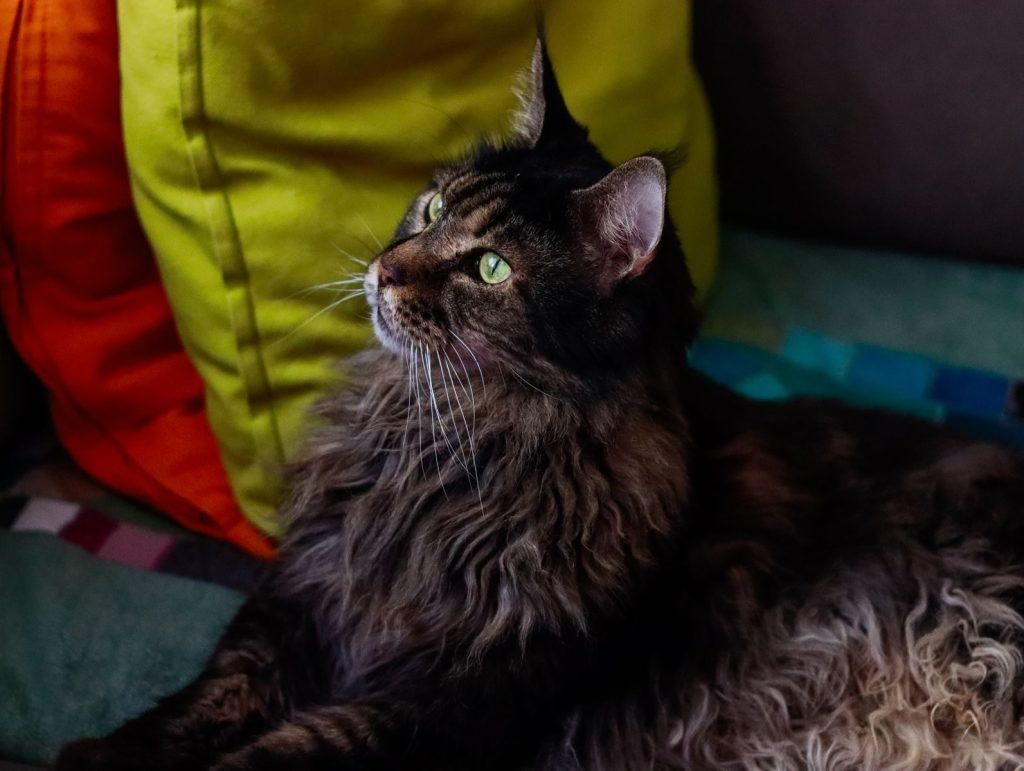

Chaka the Maine Coon became an internet favorite after her owner shared a clip of the large cat waking from a nap and immediately producing a series of unusually mournful meows. The sounds were soft, stretched, and dramatic enough that her owner joked she sounded as though she had just finished a double shift. Nothing in the clip showed an emergency. Chaka was simply lying on the floor, vocalizing after waking up, while her person answered her in the familiar conversational style many cat owners use.
The video works because Maine Coons already have a reputation for being expressive cats. They can meow, trill, chirp, purr, and develop distinctive sounds that familiar people learn to recognize over time. A single meow cannot reveal exactly what Chaka wanted, but her relaxed setting and repeated replies created a funny little exchange between cat and human. Her sleepy performance also offers a useful look at how cats use vocalization alongside posture, routine, and learned responses when communicating with the people around them.
Chaka Woke Up With Complaints
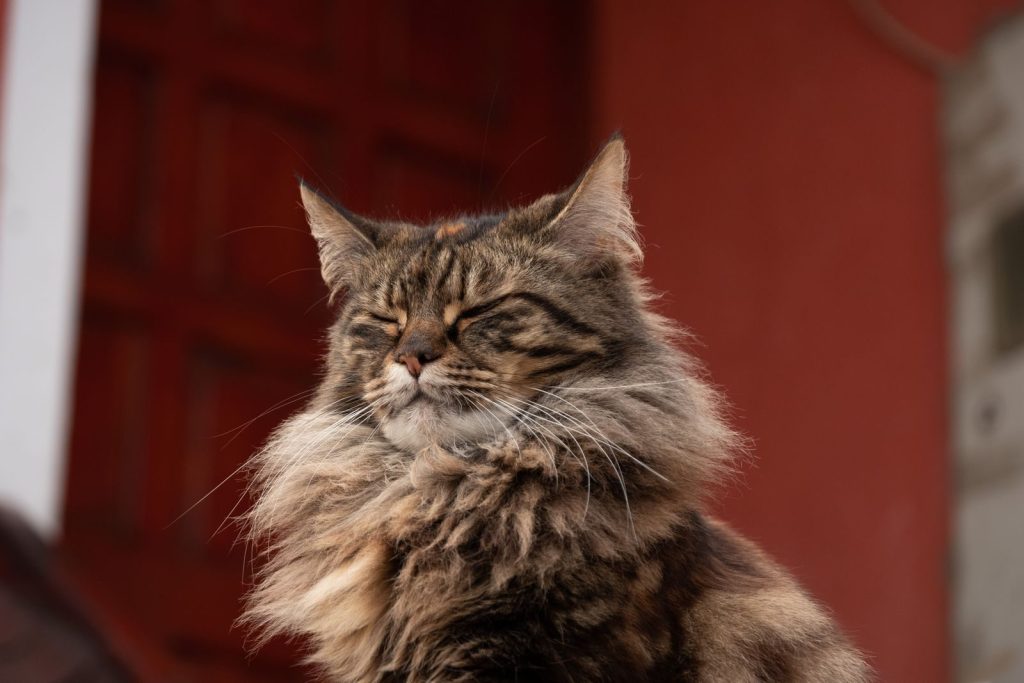
The viral moment begins immediately after Chaka wakes from a nap. Instead of stretching quietly and moving on with her day, she lies on the floor and answers her owner with a string of long, pitiful-sounding meows.
Her person asks whether she had a hard day, which makes the scene even funnier because Chaka looks completely comfortable. The contrast between a well-rested cat and a voice that sounds exhausted gives the short clip most of its charm for viewers online.
Her Owner Keeps the Conversation Going
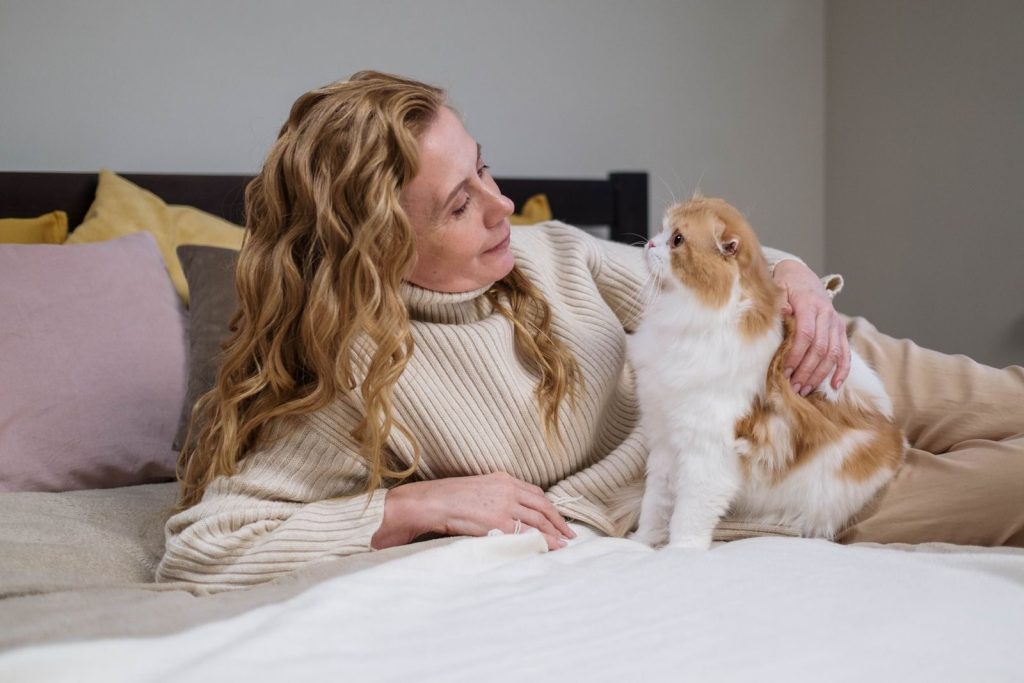
Chaka’s human does not simply film from across the room. She talks back, asking what the cat is doing and reacting to each new sound. That back-and-forth gives Chaka repeated opportunities to continue vocalizing.
Cats can learn that certain sounds reliably bring attention from familiar people. When a meow gets an immediate response, the exchange can become part of a household routine, with both cat and human gradually learning how the other typically answers during ordinary moments at home too.
Maine Coons Have Plenty to Say
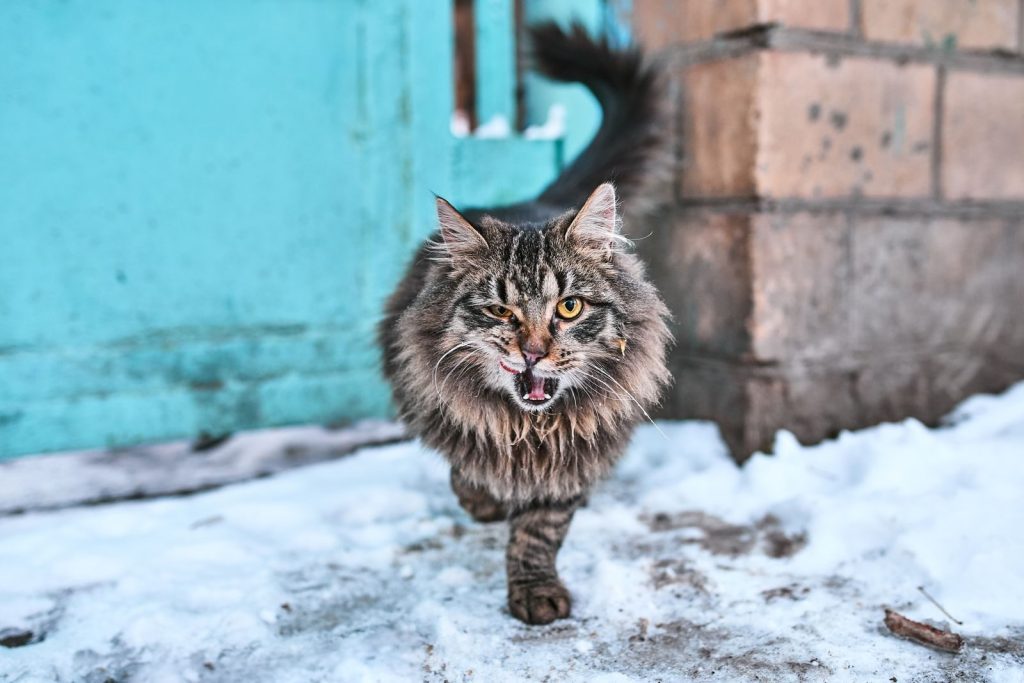
Maine Coons are often described as communicative cats, and many owners notice a broad range of sounds rather than one standard meow. Chirps, trills, soft mews, purrs, and more traditional calls can all appear in everyday interaction.
That vocal variety helps explain why videos of talkative Maine Coons attract so much attention. A very large cat producing a tiny trill or a strangely mournful squeak creates an appealing mismatch between the breed’s imposing appearance and its unexpectedly expressive voice in everyday family life.
Meows Are Often Aimed at Humans

Adult domestic cats frequently use meowing when communicating with people. A meow may appear during greetings, food requests, attention seeking, frustration, anticipation, or other situations in which the cat has learned that a human is likely to respond.
That does not mean every sound has one fixed translation. The same cat may use noticeably different calls in different routines, and familiar caregivers often become better at recognizing those patterns because they hear the animal in the same situations every day.
Trills Give the Voice More Variety
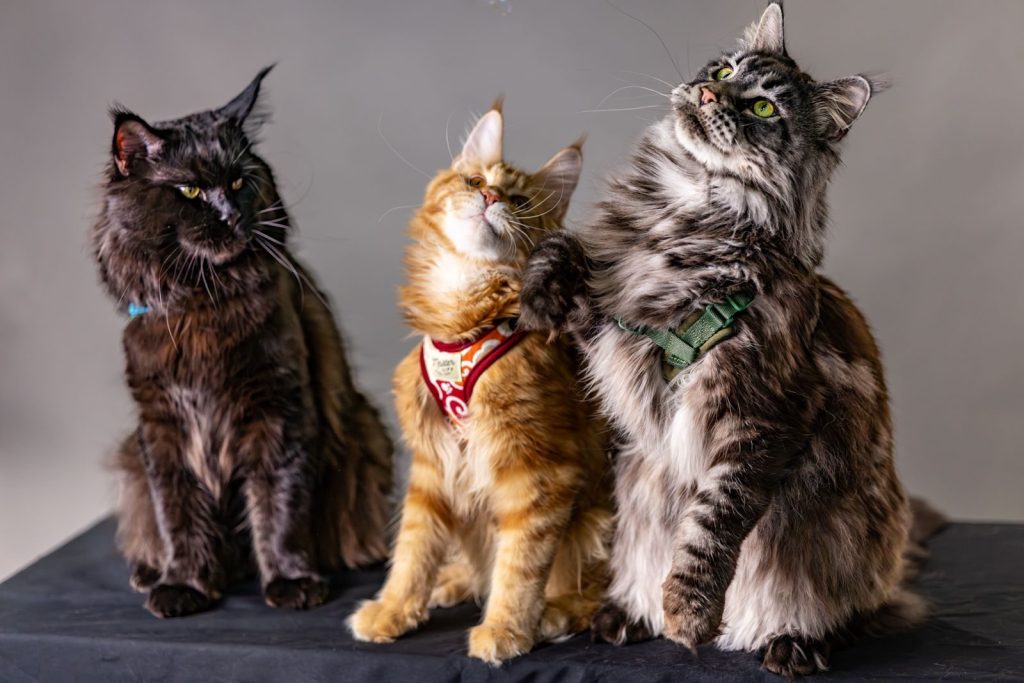
Maine Coons are also well known for trilling, a higher, rolling sound that can be quite different from an ordinary meow. Cats may trill during greetings, social interaction, movement around the home, or moments of excitement.
A trill can sound surprisingly small coming from a big Maine Coon. That contrast is one reason the breed’s vocalizations are so memorable online. Chaka’s clip focuses on meows, but the wider Maine Coon soundscape can be much more varied during everyday interaction too.
Body Language Completes the Message
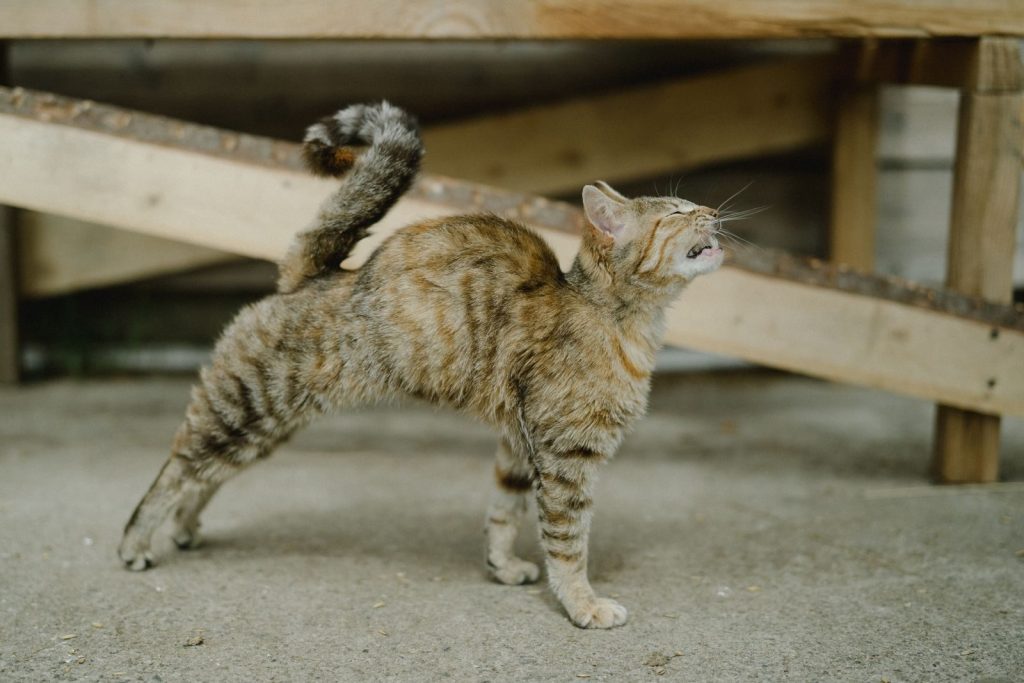
A cat’s voice makes more sense when it is considered alongside the rest of the body. Ear position, tail movement, posture, pupils, movement, and whether the cat is approaching or withdrawing can all add useful context.
Chaka appears settled on the floor while talking, which creates a very different picture from a cat vocalizing while crouched, hiding, or trying to escape. Reading several signals together gives a fuller picture than treating one dramatic meow as the entire message in that particular moment.
Familiar People Learn Individual Sounds
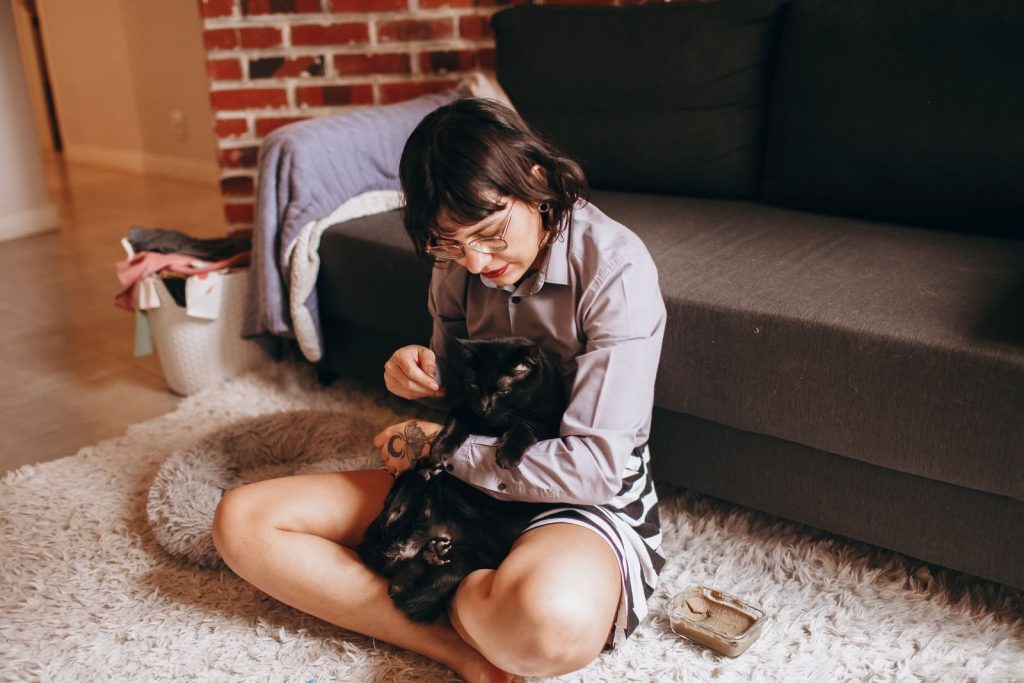
Over time, many caregivers begin recognizing recurring sounds from their own cats. One call may appear before breakfast, another near a closed door, while a softer sound may happen during greetings or when the cat wants company.
Those household patterns are learned through repetition rather than through a universal feline dictionary. Chaka’s owner may understand her routines better than a stranger watching one clip, because she has heard the same cat communicate across countless ordinary moments at home throughout the day.
Chaka Turns a Nap Into a Performance

Chaka does not need a complicated trick to make the video entertaining. She wakes up, stays comfortably on the floor, and produces a voice dramatic enough to make an ordinary post-nap moment sound like the end of an exhausting workday.
That simple exchange captures why talkative cats are so entertaining to live with. Their sounds become part of the rhythm of the home, and sometimes one perfectly timed series of meows is enough to turn a sleepy Maine Coon into the star of the room.
Featured Image: Photo by Ирина Сороколетова on Pexels