
Most cat lovers expect kittens to inherit a single blended coat pattern from their parents. We assume facial markings usually spread evenly across a pet’s cheeks and forehead.
But a tiny rescue kitten surprised her caretakers with a perfectly straight line dividing her facial fur into two colors. Her striking appearance quickly captivated animal lovers around the world.
A Striking Divide Across Facial Features
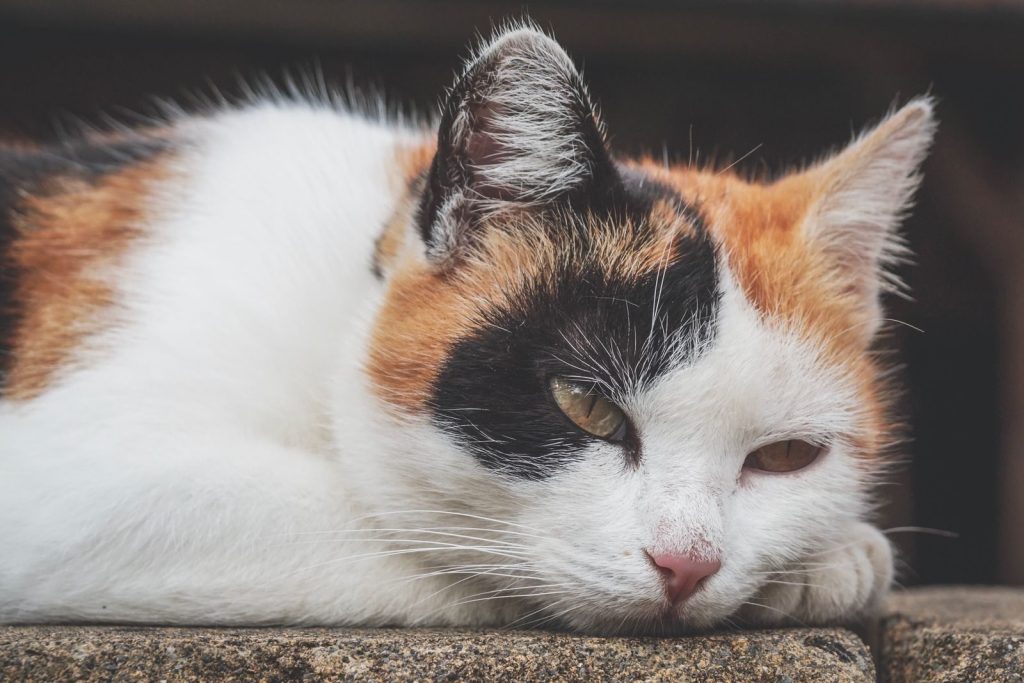
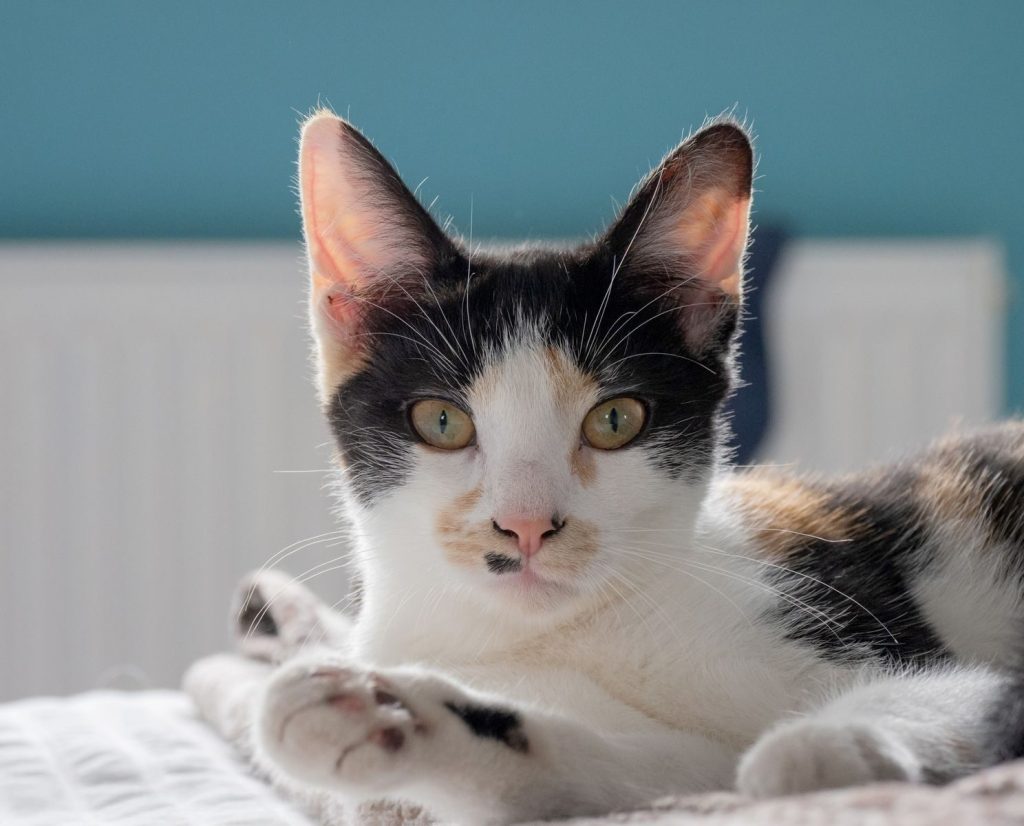
The kitten’s facial markings split directly down the center of her nose. One half displays jet black fur while the opposite side shows a warm golden tabby pattern. Her face looks split. According to veterinary geneticists, this distinct visual divide occurs when two distinct embryonic cell lines merge during early development. But this rare genetic event involves a fascinating cellular process.
Understanding The Rare Chimera Phenomenon
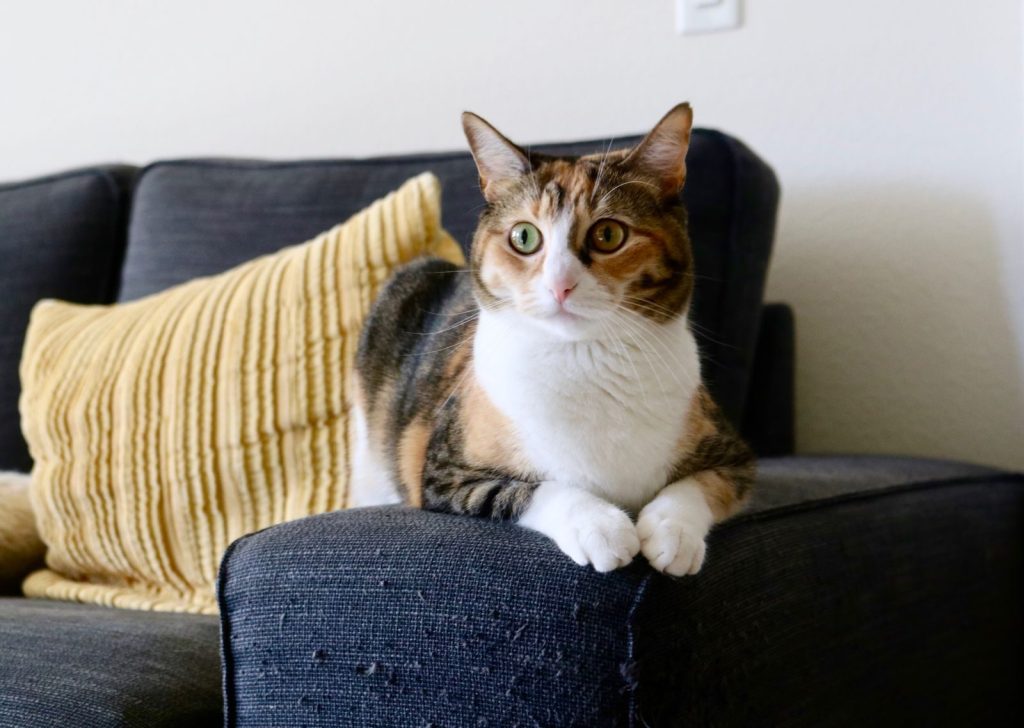
Scientific researchers refer to animals with two sets of DNA as genetic chimeras. This happens when two early embryos fuse together in the womb into a single organism. The result is extraordinary. According to the Cornell Feline Health Center, chimera cats essentially carry two distinct genetic blueprints inside one single body. Yet scientists caution that coat patterns alone do not tell the whole story.
Distinguishing Chimerism From Standard Calico Patterns
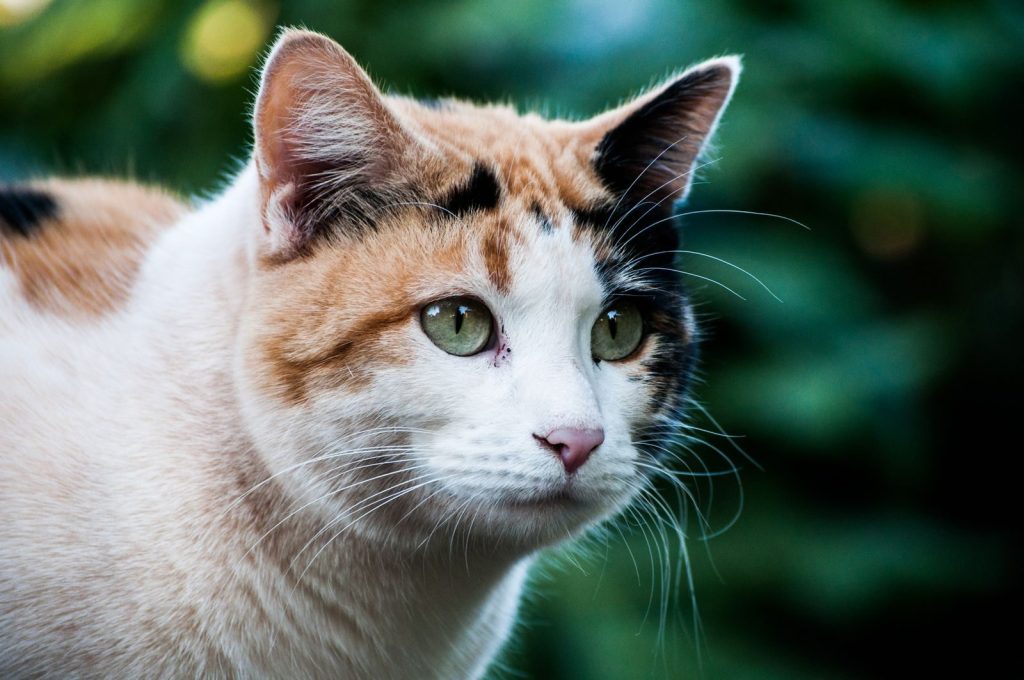
Many split-face cats are actually calico or tortoiseshell females with unusual pigment distribution. Female cats carry two X chromosomes, which control black and orange coat colors. Genetics shape these patterns. According to feline geneticists, random chromosome inactivation during embryonic growth often creates sharp color boundaries without full cellular chimerism. But testing their DNA revealed another interesting detail.
Heterochromia Enhances The Visual Divide
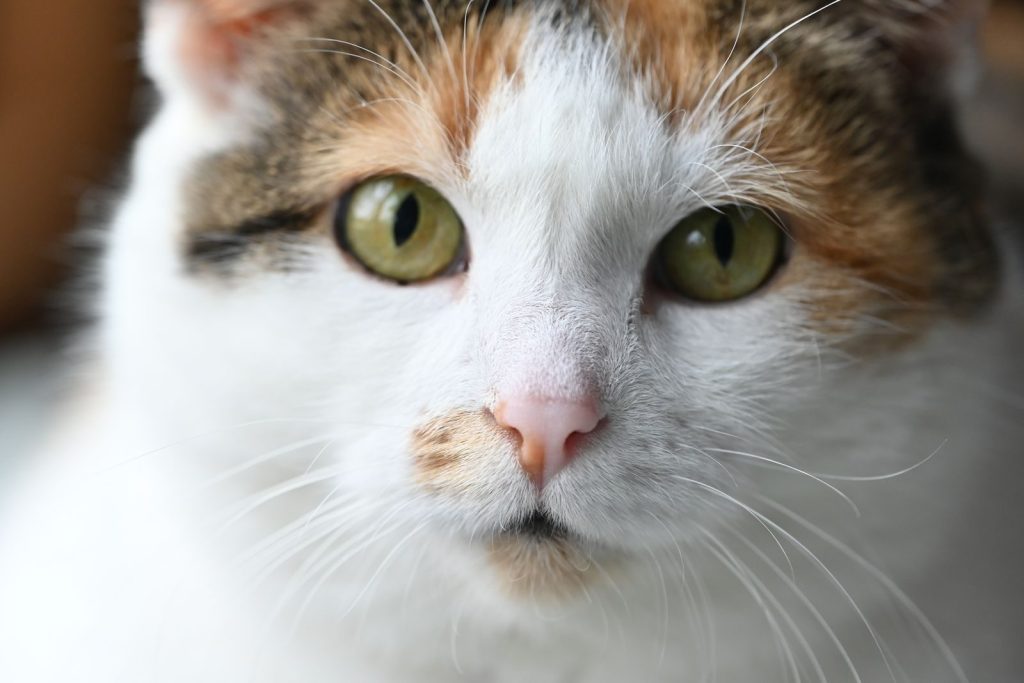
In addition to contrasting fur colors, many split-face cats possess eyes of two different colors. This condition is known medically as heterochromia. It creates striking contrast. According to veterinary ophthalmologists, uneven melanin distribution during eye development causes one iris to turn blue while the other turns green or amber. That led researchers to investigate if this trait affects daily health.
Normal Health And Playful Personality Traits
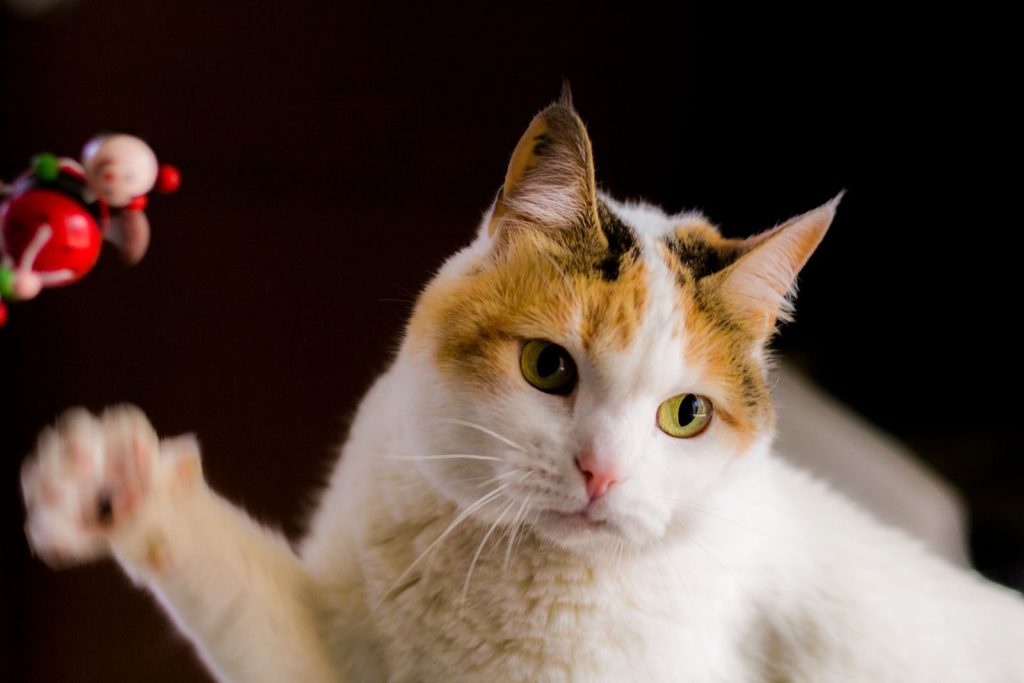
Despite their unusual genetic origin, split-face kittens grow up completely healthy and active. Their unique DNA makeup does not cause medical complications or developmental delays. They thrive like any kitten. According to veterinary experts, chimera cats enjoy standard lifespans and display typical playful feline behaviors. But caring for unique rescue kittens still requires thoughtful attention.
Celebrating Natural Genetic Diversity In Felines

Cat owners worldwide celebrate these rare visual quirks as examples of nature’s creativity. Every coat pattern reflects complex genetic code unfolding during early life. Nature works in mysterious ways. According to feline behavior specialists, physical appearance never alters a cat’s fundamental need for love, shelter, and proper nutrition. That brings us to how prospective owners should support rescue pets.
Providing Loving Homes For Rescue Pets
Whether a kitten carries rare genetic traits or ordinary markings, every rescue animal deserves a safe and loving home. Routine veterinary checkups and balanced nutrition ensure long-term health for every companion animal. Every feline is special. According to animal welfare organizations, adopting rescue pets enriches human lives in countless ways. This article is for informational purposes only.
Featured Image: Photo by Brett Jordan on Pexels