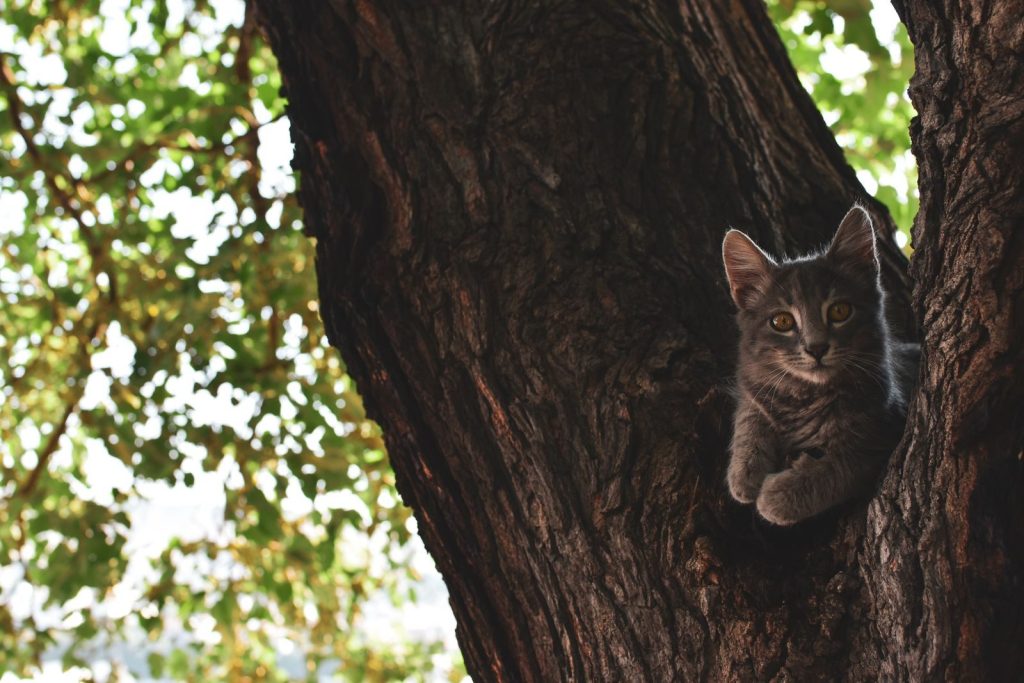

Finding a small animal stranded in the woods requires quick thinking and resourcefulness. Most people assume bringing a stray kitten indoors is always an immediate option.
But when rescuers discovered a feral kitten deep in a dense forest, she resisted human contact. They spent days constructing a custom weatherproof sanctuary right in the woods.
A Fragile Discovery In Deep Woods
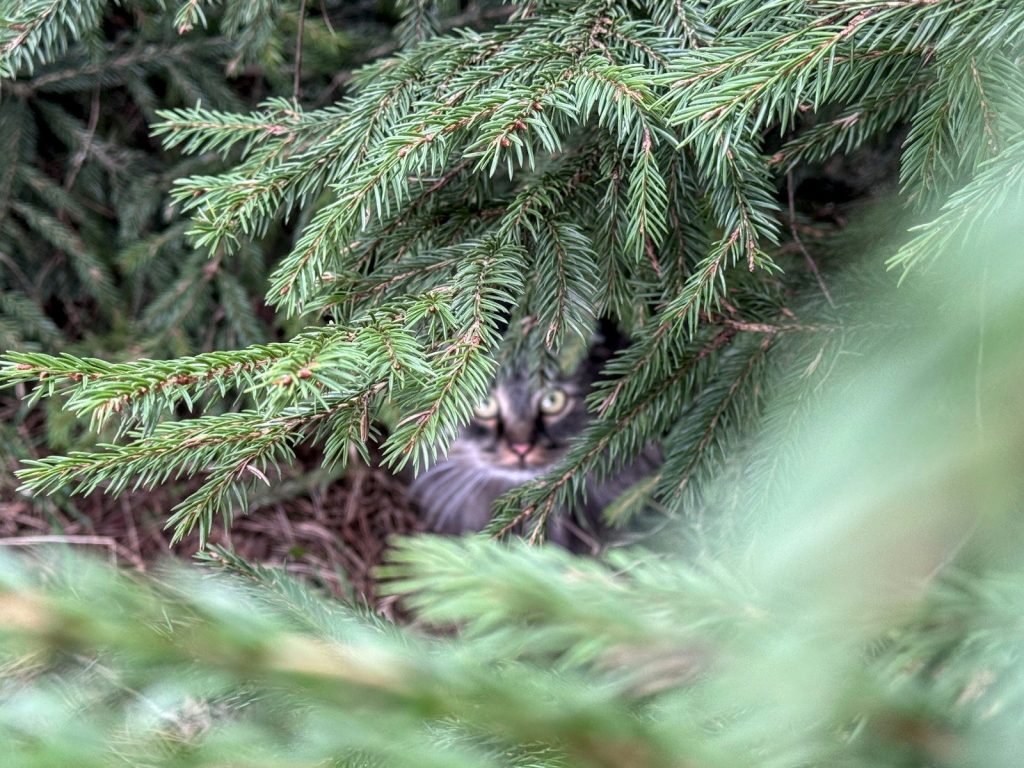
Hikers exploring a dense forest path spotted a tiny grey kitten huddled under fallen branches. She was very wary. The small creature retreated into the brush whenever humans stepped close. According to local rescue reports, the team realized they needed a different strategy to save her. Time was running out as cold weather approached.
Designing An Outdoor Insulated Shelter
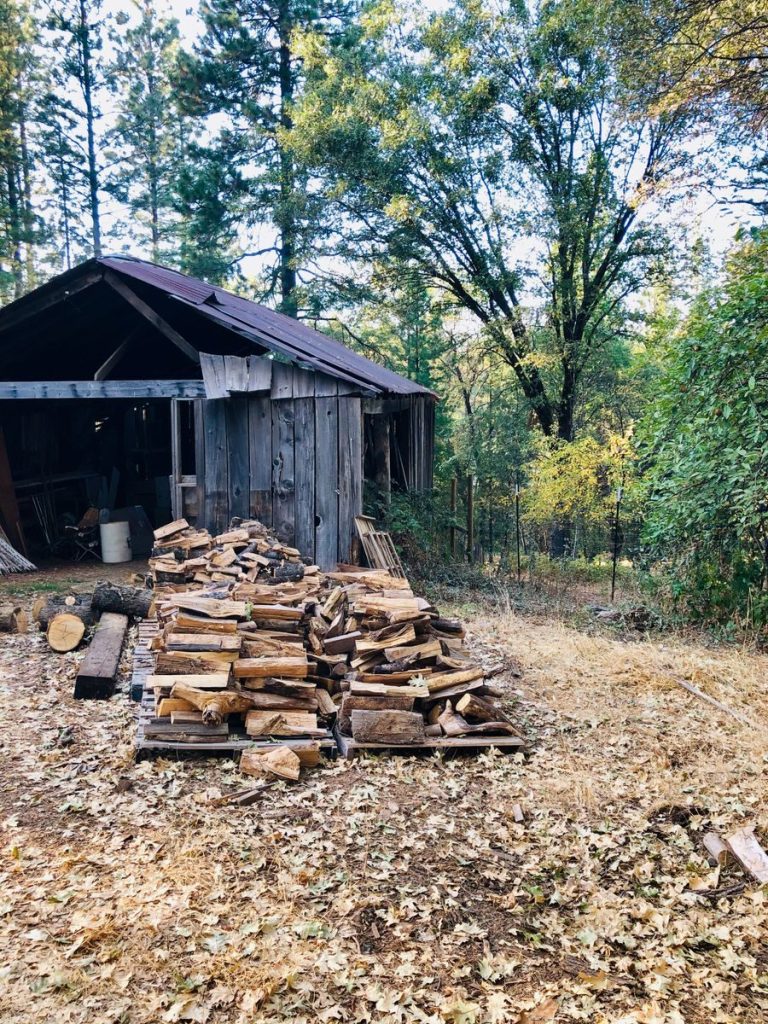
Rather than forcing a stressful capture, rescuers decided to build an insulated home on site. Proper insulation keeps cold out. They used plastic storage bins packed with dry straw for heat retention. According to animal rescue specialists, straw provides better insulation than blankets because it repels moisture. But structural stability was another major challenge.
Elevating The Structure Off the Ground

Placing a shelter directly on damp soil allows ground moisture to drain away body heat quickly. Elevation keeps interior spaces dry. Rescuers raised the shelter onto wooden pallets above the mud line. According to shelter building experts, air gaps underneath prevent freezing ground moisture from chilling the structure interior. That left the entrance design next.
Crafting A Safe Predator Entry
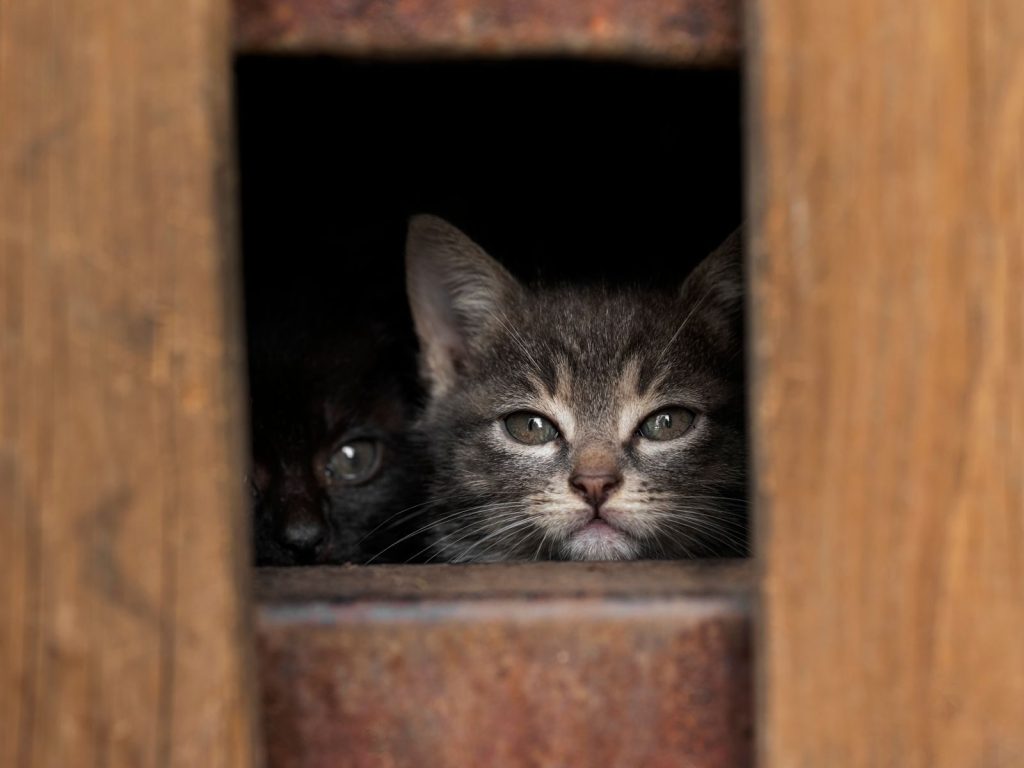
Forest wildlife poses constant threats to small young kittens living outdoors alone. Safety remains top priority. The team installed a small entry door that allowed the kitten entry while keeping larger animals out. According to wildlife experts, narrow entryways give small animals confidence because they can defend tight spaces. Food placement came next.
Establishing A Daily Feeding Routine
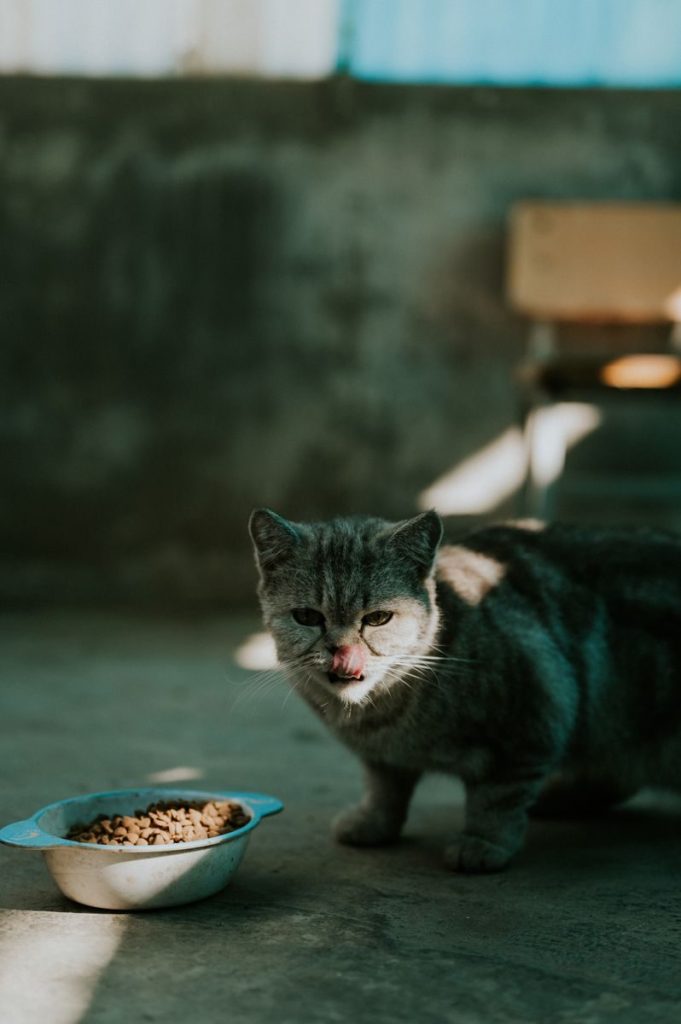
High-calorie food placed inside the shelter enticed the cautious kitten to explore her new home. Routine builds necessary trust. Rescuers visited daily at set times so the kitten associated human presence with safety. According to veterinary professionals, reliable feeding schedules reduce stress levels in wild animals significantly. Slowly, her guarded behavior began shifting.
Gaining Trust Step By Step
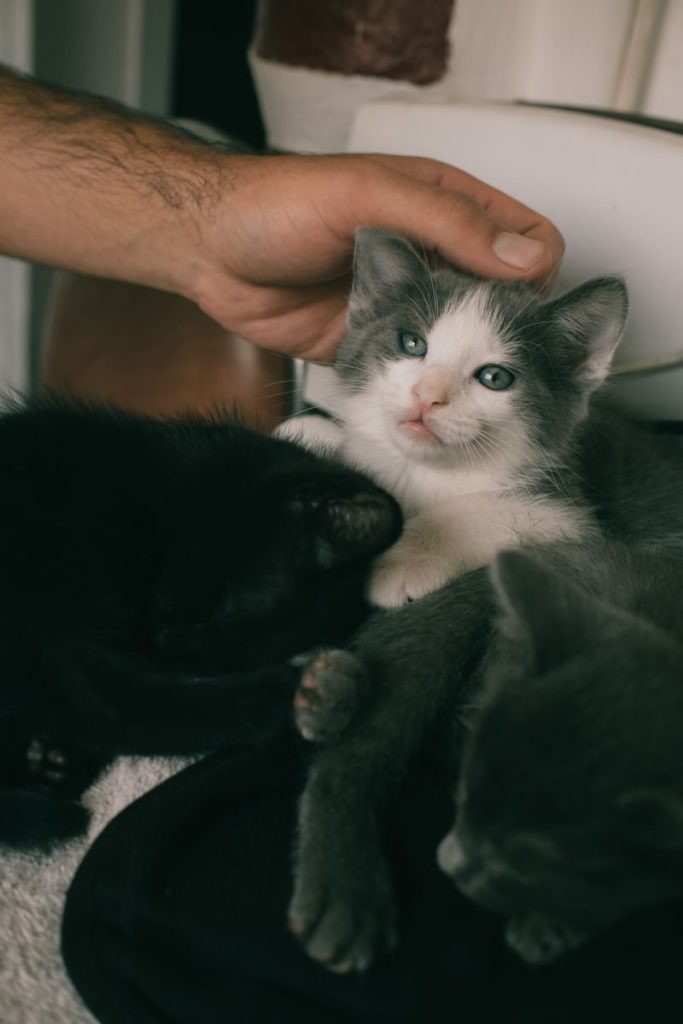
After five days of patience, the kitten began stepping out of her shelter to greet rescuers. Hope restored her spirit. She purred gently while eating her morning meal right beside her caretakers. According to rescue organizers, patient outdoor acclimatization prepares feral kittens for eventual indoor adoption. The final breakthrough was right around the corner.
From Forest Haven To Forever Home
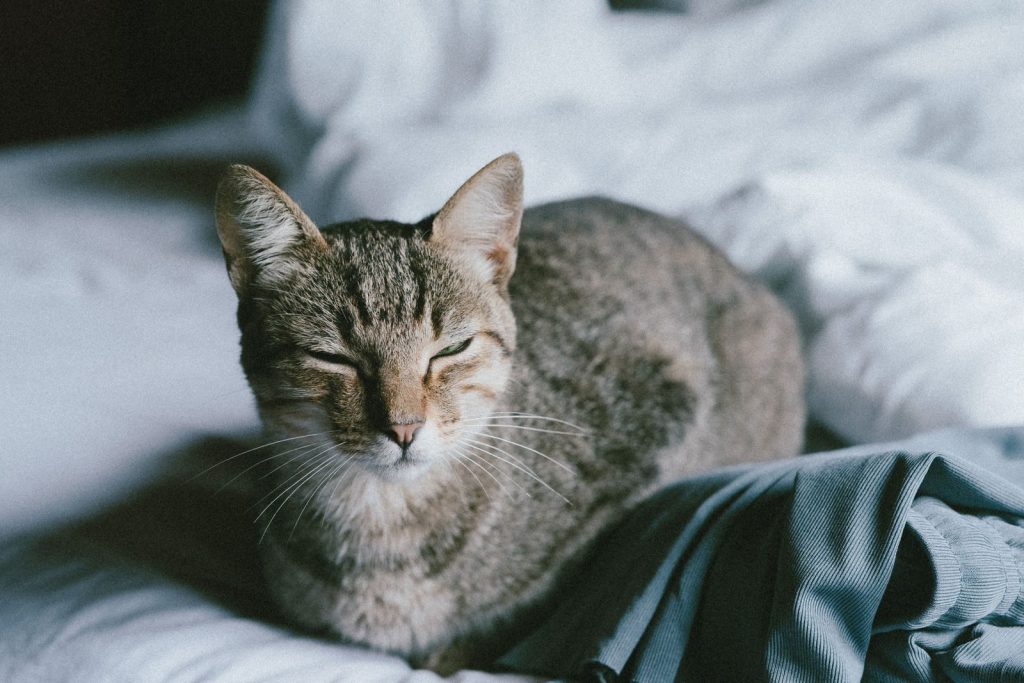
Once the kitten felt safe with her human caretakers, she willingly stepped into a soft transport carrier. Warmth replaced cold isolation. She was safely moved to a loving home where she now rests on warm beds. According to veterinary rescue reports, dedicated shelter efforts saved her life and gave her a bright future.
Featured Image: Photo by Artem Makarov on Pexels