

Most pet owners view playful kitten antics as pure entertainment for the household. We assume high-energy pouncing and erratic running are simply ways to burn off extra energy.
But animal behaviorists reveal that funny kitten behaviors serve a crucial developmental purpose. These playful actions shape lifelong hunting skills and physical coordination.
Why Young Kittens Practice Pouncing Routines
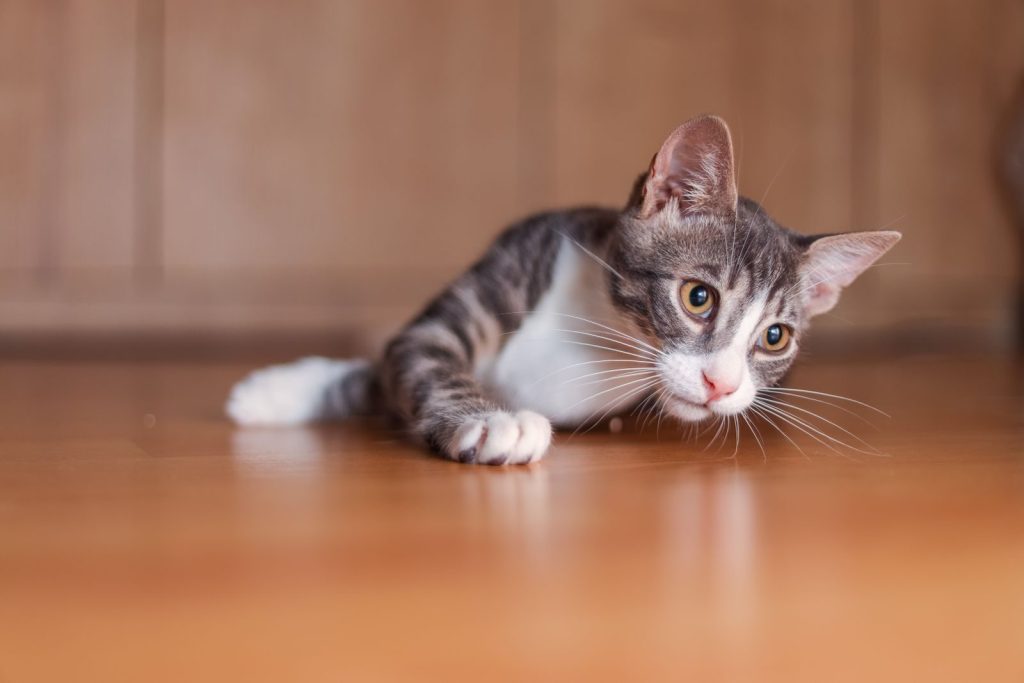
Kittens begin exploring interactive play at around three weeks of age. Their movements appear hilarious. They leap sideways, arch their backs, and stalk invisible prey across the living room carpet. According to animal behavior specialists, these dramatic movements build essential motor skills and spatial judgment. But there is another reason why kittens target moving objects.
The Instinct Behind High-Speed Chases
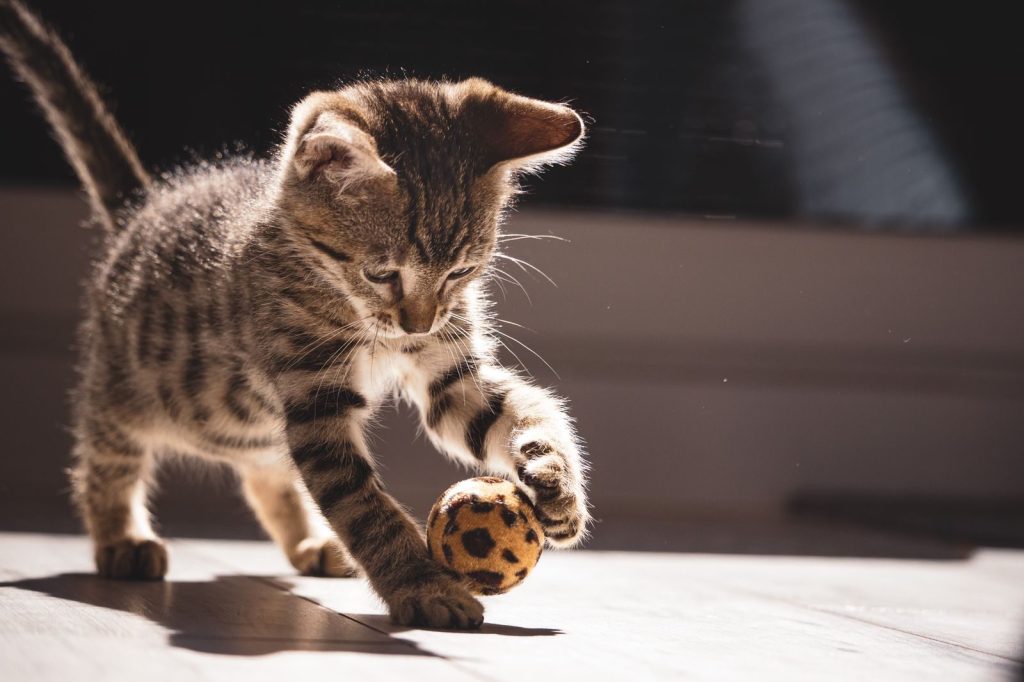
Feathers, strings, and rolling balls trigger an innate predatory drive in growing felines. Movement awakens their instincts. Kittens cannot resist chasing fast objects because their eyes detect rapid motion instantly. According to veterinary behaviorists, play allows young cats to refine their pouncing accuracy without real stakes. That explains why sudden zoomies happen late at night.
Understanding Sudden Late Night Zoomies

Late-night bouts of chaotic running often surprise new cat owners. Energy bursts strike suddenly. Felines are crepuscular animals, meaning they are naturally active at dawn and dusk. According to pet welfare reports, indoor kittens use night play to release pent up energy accumulated during daytime naps. But play also plays a vital role in social learning.
Social Play Teaches Boundaries And Control
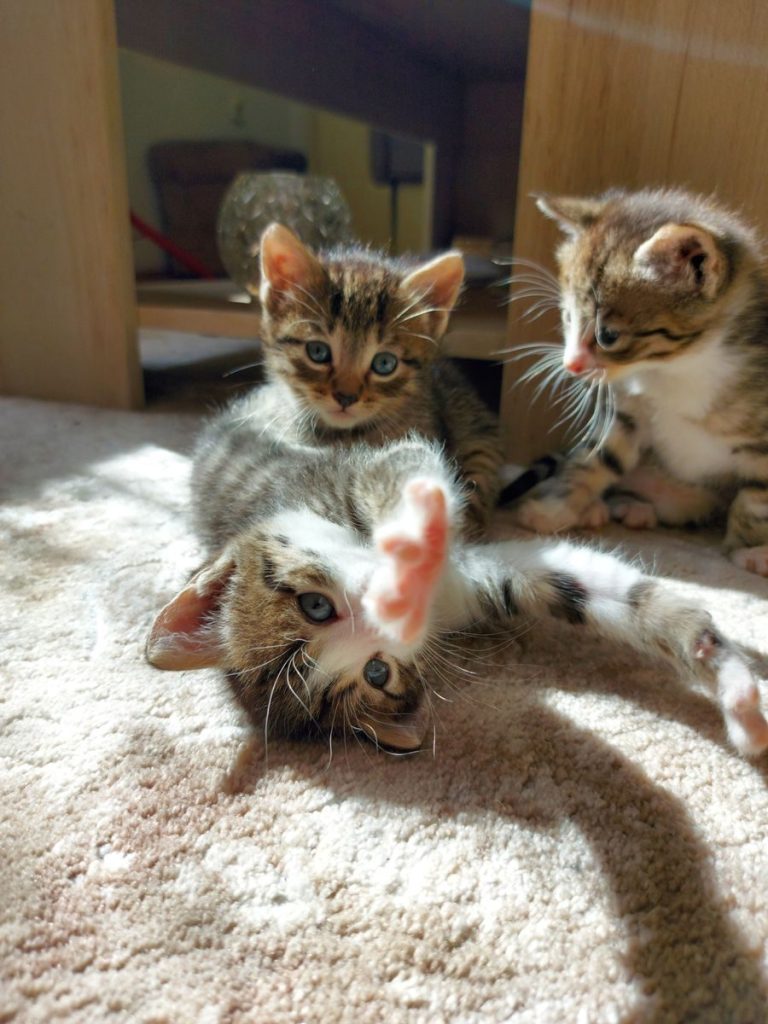
Wrestling with littermates teaches young kittens how to control their bite force and claw use. Boundaries protect everyone. If one kitten bites too hard, the other squeals and stops playing immediately. According to the International Society of Feline Medicine, this feedback teaches kittens how to socialize gently. That brings up how owners should manage energetic play.
Selecting Safe And Engaging Interactive Toys
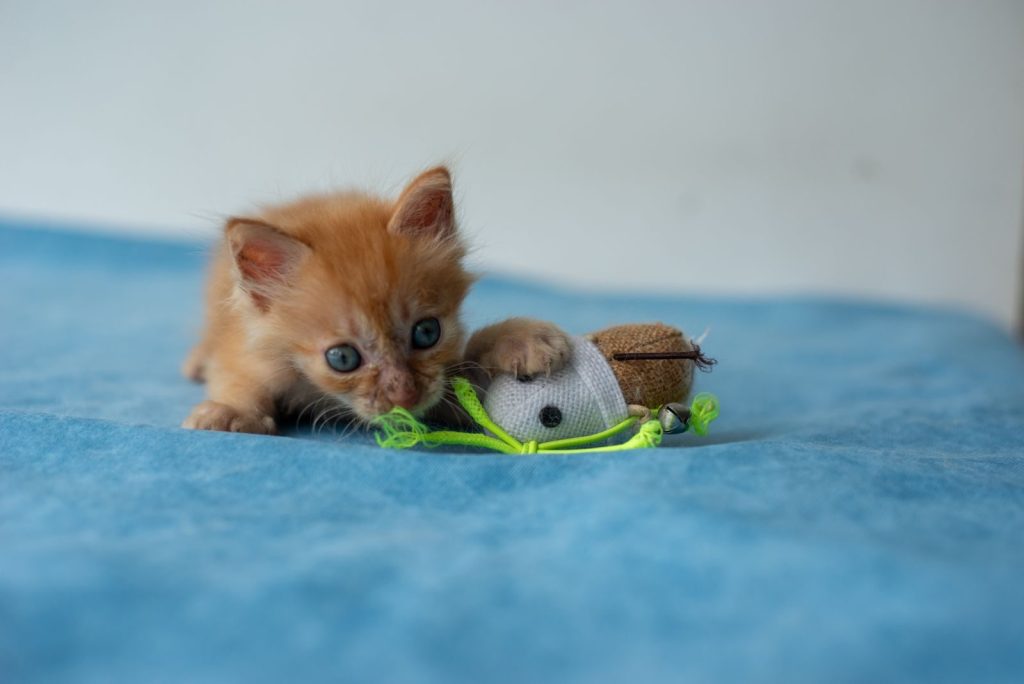
Providing appropriate play objects prevents kittens from targeting human hands or feet during playtime. Safety comes first always. Wand toys and stuffed kicker toys offer healthy outlets for natural hunting instincts. According to pet safety experts, avoiding hand play prevents accidental scratches and reinforces good habits early. But how much daily play does a kitten actually need?
Establishing Structured Daily Play Sessions
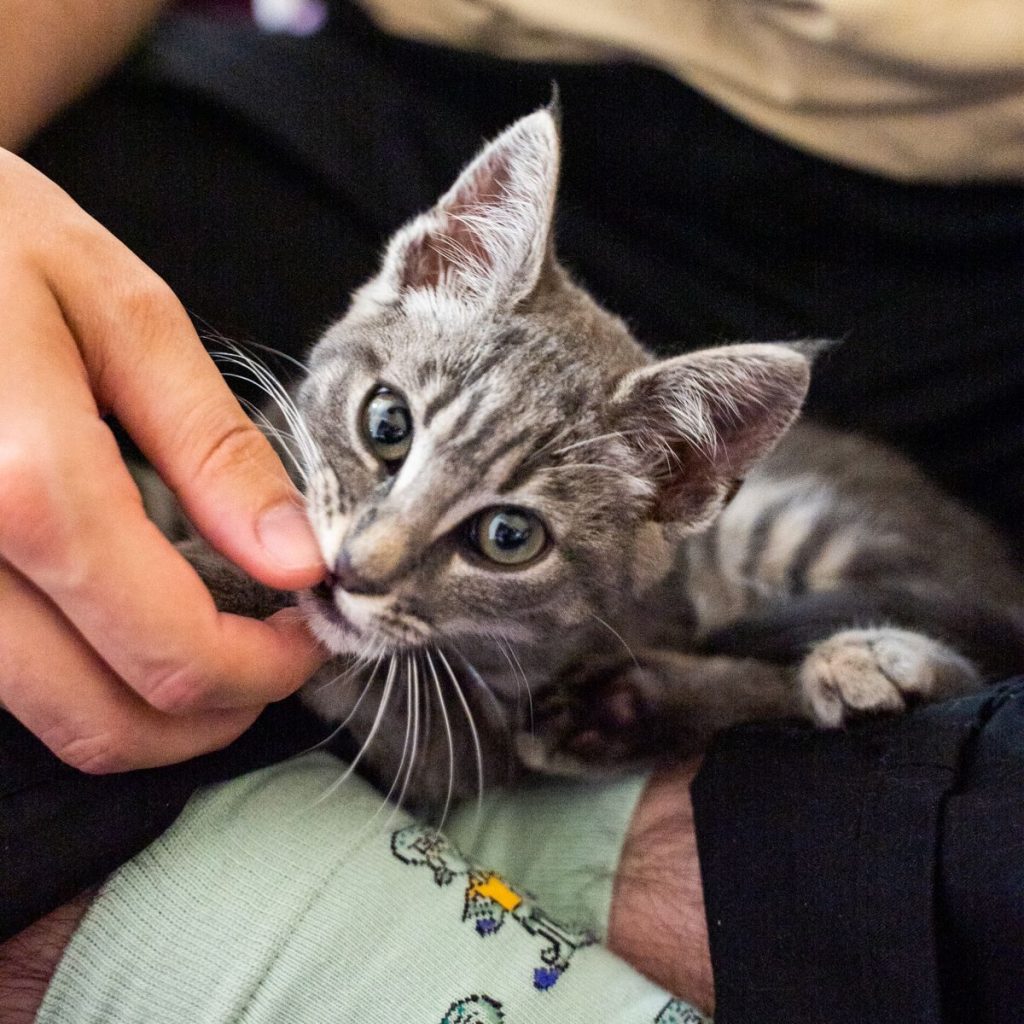
Short interactive play sessions spread throughout the day keep kittens mentally stimulated and happy. Consistency creates routine. Two to three fifteen-minute sessions help prevent boredom and destructive chewing behaviors. According to feline behavior specialists, ending play sessions with a meal satisfies their natural hunt-eat-sleep cycle. But play needs change as kittens grow.
Transitioning From Kitten Play To Exercise
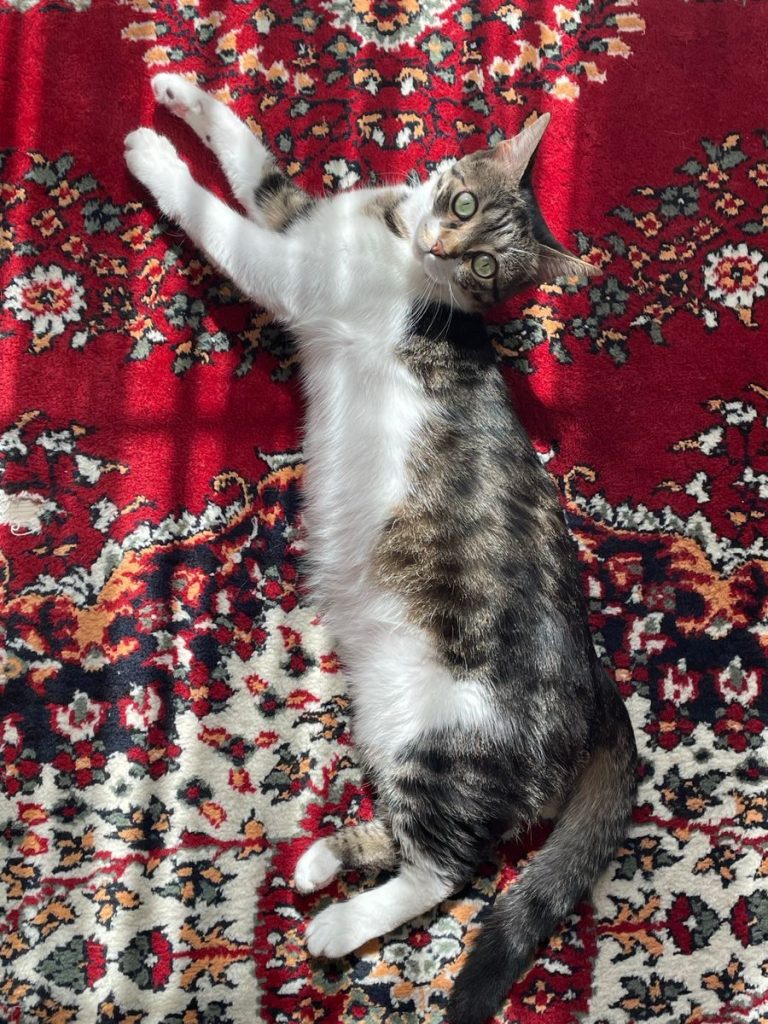
As kittens mature into adult cats, their play style shifts from clumsy exploration to focused exercise. Growth changes everything. Adult felines still require daily activity to maintain healthy body weight and sharp minds. According to veterinary health guidelines, regular play prevents pet obesity and reduces stress levels significantly. That leaves one final key to long-term happiness.
Creating Lasting Bonds Through Daily Playtime

Engaging in regular play with your kitten strengthens the bond between human and pet. Loving care builds trust. Structured play provides physical health benefits while bringing endless joy to every pet owner. According to veterinary behavior experts, daily interactive time ensures a confident and well-adjusted adult cat. This article is for informational purposes only.
Featured Image: Photo by Hải Nguyễn on Pexels