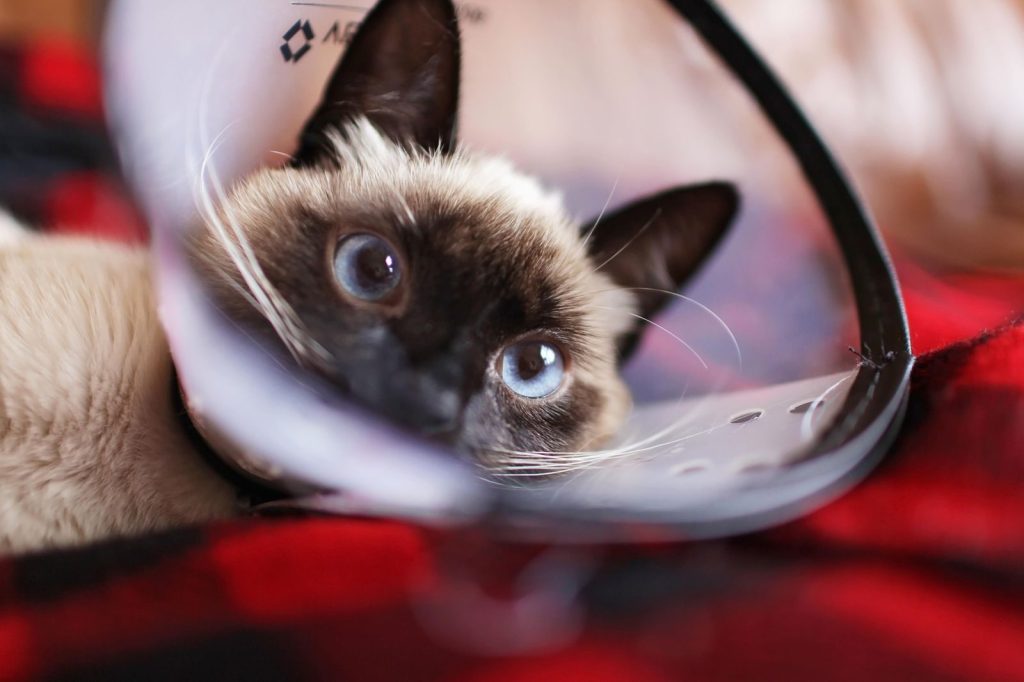

Most cats are eager to lose the cone they wear after surgery, but Taylor turned hers into something closer to a favorite possession. The Dodo reported in August 2026 that Taylor first received an Elizabethan collar after an operation and continued showing interest in it long after recovery. Thirteen years later, the old cone was still part of her life. The unusual habit makes a charming story, but it is also a good opportunity to separate Taylor’s personal attachment from the medical reason recovery collars are prescribed in the first place.
An Elizabethan collar, often called an E-collar or cone, is designed to stop a cat from licking, biting, or scratching a healing wound. Veterinary guidance generally treats it as temporary medical equipment, worn for the period recommended after a procedure rather than kept on indefinitely for health reasons. Taylor’s 13-year fascination is therefore an individual quirk, not a care recommendation. For cats actively recovering from surgery, correct fit, access to food and water, wound monitoring, and following the veterinarian’s timeline matter far more than whether the patient likes the cone.
Taylor Kept the Cone After Recovery
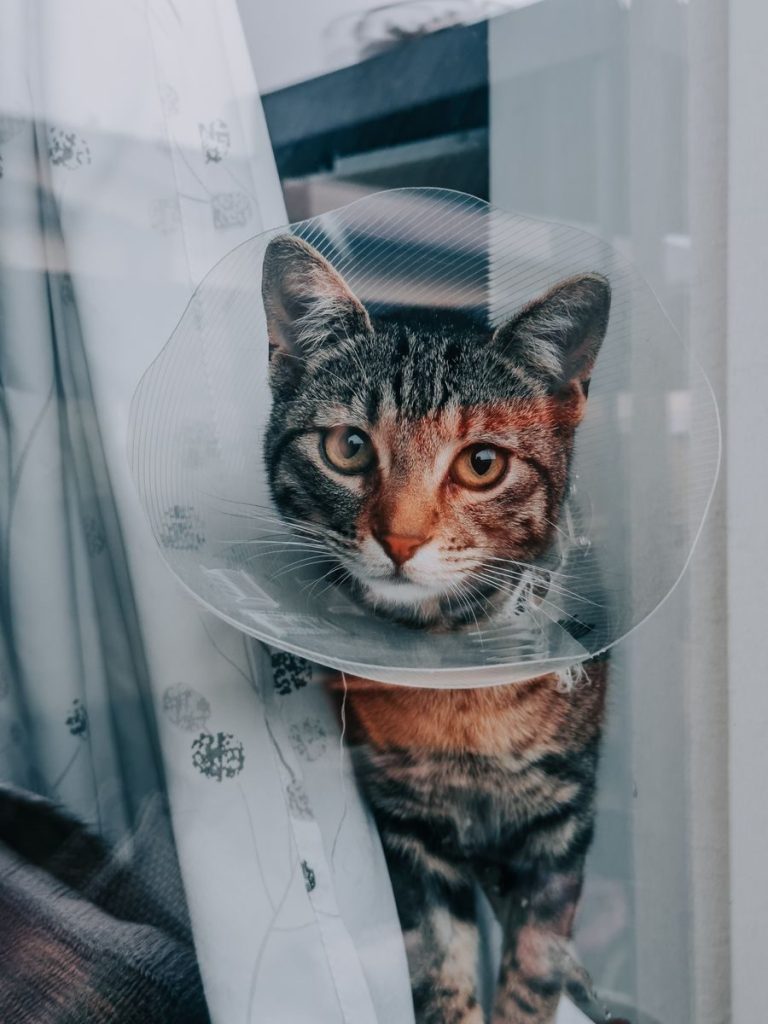
Taylor’s story began with an ordinary medical need. After surgery, she was given a protective cone to keep her from interfering with the healing area. What happened after recovery was much less ordinary. The Dodo reported that Taylor continued treating the cone like a valued object rather than something she wanted removed and forgotten. Her family kept it, and the attachment persisted for 13 years. The published account does not require guessing why she likes it. The verified point is simply that an item associated with temporary recovery became a long-lasting part of this cat’s routine.
The Habit Lasted 13 Years

Thirteen years is what makes Taylor’s behavior stand out. Recovery collars are usually associated with days or weeks, not more than a decade. Veterinary guidance says the necessary duration depends on the procedure, wound, and veterinarian’s instructions. Taylor was not reported to need the cone medically for all those years; instead, she continued interacting with the old collar after the original recovery period had ended. That distinction matters because her story should not encourage owners to extend cone use unnecessarily. A veterinarian, not a viral example, should decide how long wound protection is required.
E-Collars Protect Healing Wounds
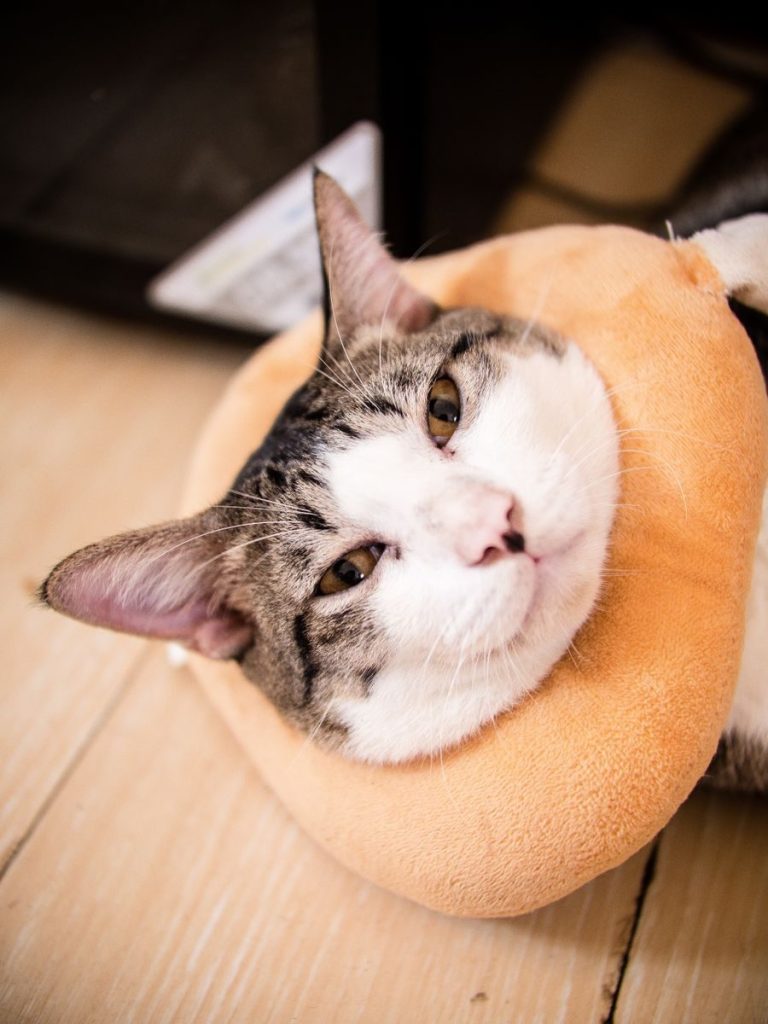
The medical purpose of an Elizabethan collar is straightforward: it blocks a cat’s mouth from reaching a surgical incision, wound, or irritated area. Licking may seem like normal grooming, but repeated licking, chewing, or scratching can damage healing tissue, remove sutures, introduce contamination, or delay recovery. VCA and Cats Protection both describe protective collars as tools for preventing self-trauma while healing takes place. If a veterinarian prescribes one, owners should use it as directed even when the cat initially dislikes it, unless the clinic recommends a safer alternative for that specific procedure.
A Proper Fit Is Essential
A recovery cone should fit securely without being overly tight. VCA advises that owners should generally be able to fit about two fingers between the collar and the cat’s neck, while the front edge needs to extend far enough to prevent access to the protected area. A badly fitted cone may fail to stop licking or may create unnecessary discomfort. Because body shape and surgical location differ, owners should ask the veterinary team to demonstrate the fit before leaving the clinic and contact them if the collar repeatedly slips off or seems to interfere with normal breathing.
Cats Must Reach Food and Water
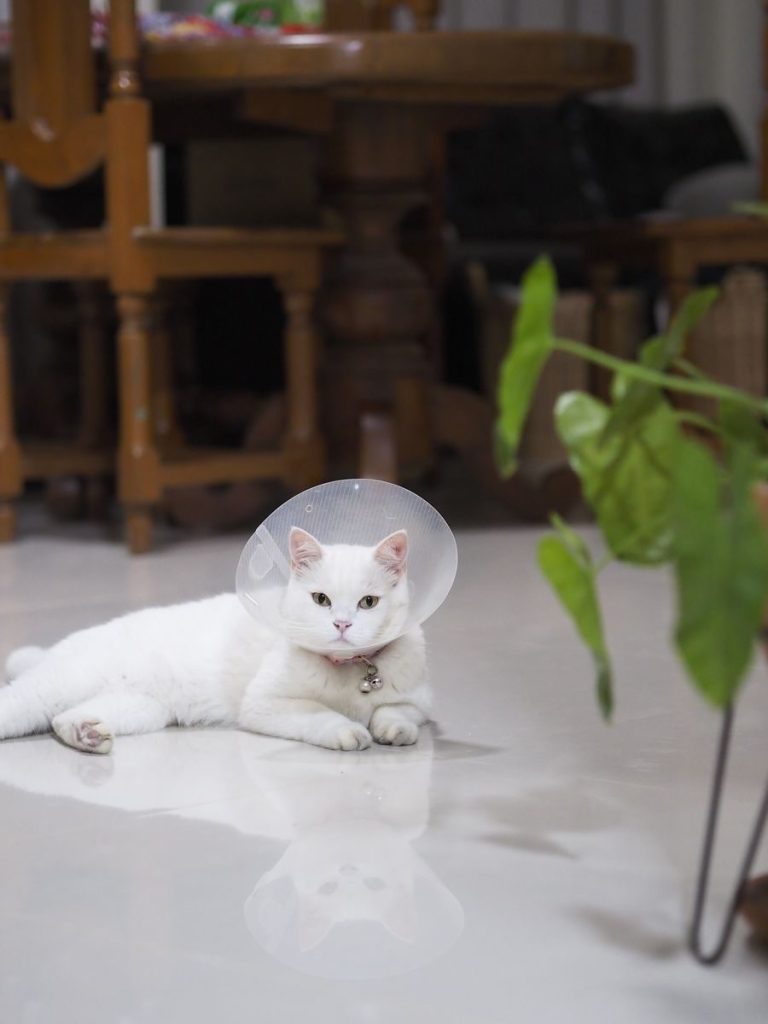
Cats wearing a cone still need to eat, drink, rest, and use the litter box. Many adjust after a short period, but bowls may need repositioning so the rim of the collar does not constantly strike the dish. VCA notes that pets should be able to reach food and water while wearing an appropriately fitted collar. If a cat refuses to eat or drink, owners should contact the veterinary team rather than simply abandoning wound protection. Temporary supervised removal may sometimes be recommended, but only when the veterinarian considers it safe for that individual patient.
Alternatives Depend on the Surgery
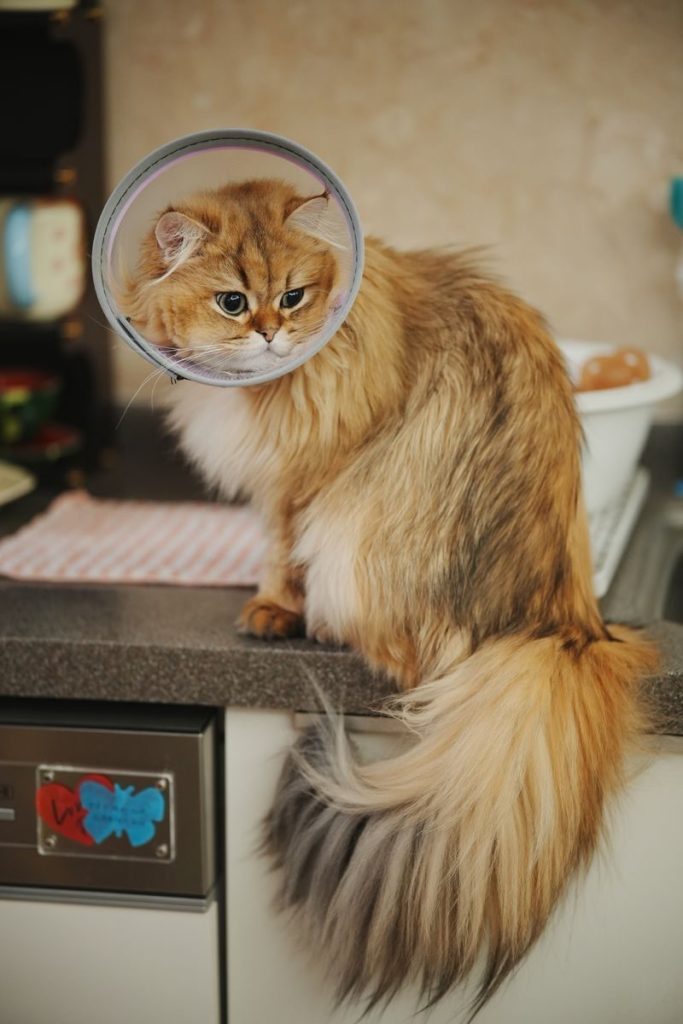
Soft collars, inflatable designs, recovery suits, and other barriers are sometimes used instead of a traditional plastic cone, but they are not interchangeable for every surgery. An alternative is useful only if it actually prevents the cat from reaching the wound. A flexible collar that feels comfortable but allows licking does not accomplish the medical goal. VCA advises discussing alternatives with the veterinarian because the correct option depends on the location and type of injury or procedure. Owners should also check any substitute regularly for rubbing, slipping, moisture, or access to the healing area.
Check the Wound Every Day
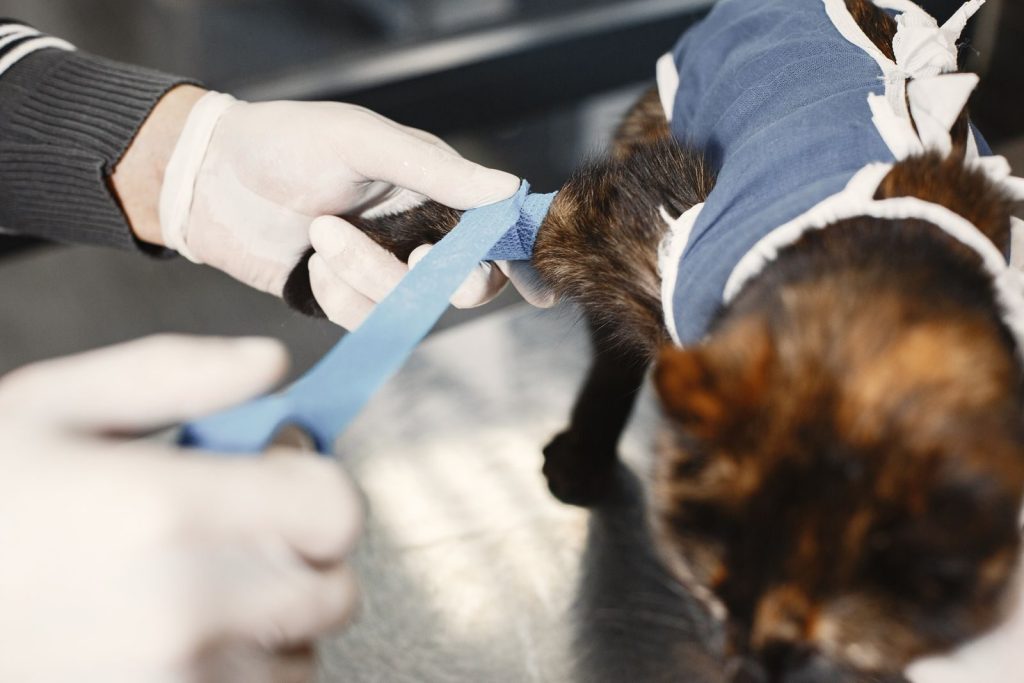
Wound monitoring remains important even when a cone is doing its job. Cats Protection advises checking a surgical site for concerning changes such as increasing redness, swelling, discharge, or other signs that healing may not be progressing normally. Activity restrictions may also be needed after some procedures, because a cone cannot prevent jumping or vigorous play from straining an incision. Owners should follow the discharge instructions provided by their clinic and seek veterinary advice when something looks wrong. Protective equipment supports recovery, but it does not replace observation or follow-up care.
The Veterinarian Sets the Timeline
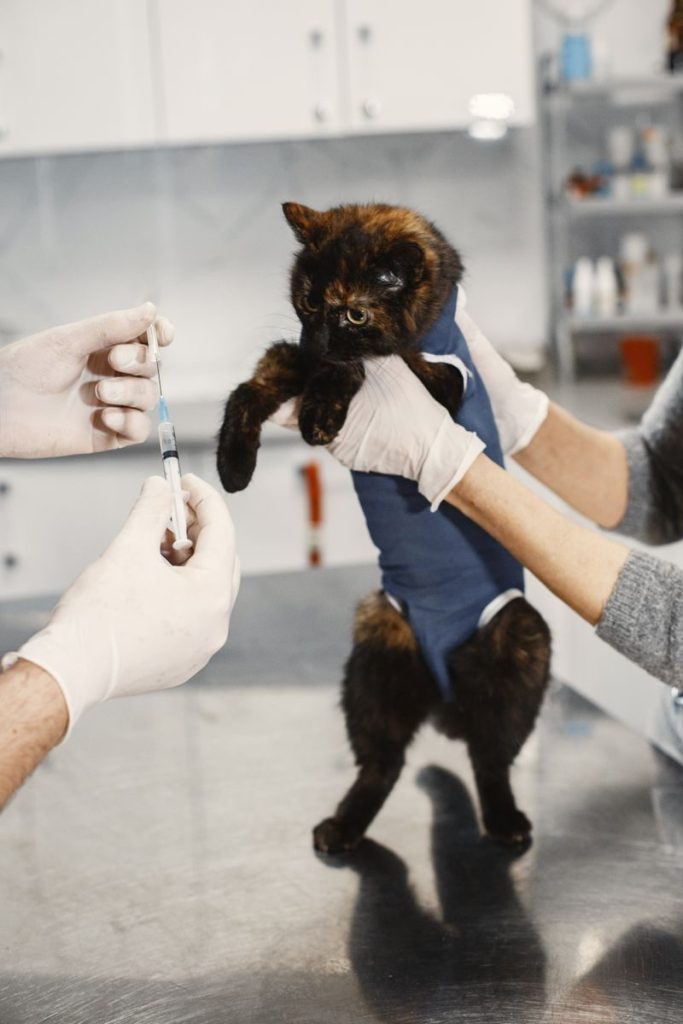
Taylor’s story works because it flips the usual cone narrative. Instead of spending recovery trying to escape the awkward collar, she apparently kept returning to it long after it had stopped serving a medical purpose. That makes her memorable, but the practical lesson remains conventional: use a recovery collar when a veterinarian recommends it, make sure it fits correctly, monitor the cat and wound, and remove or change it according to professional guidance. Once healing is complete, whether an old cone becomes an eccentric favorite object is a different question entirely—and one Taylor seems to have answered for herself.
Featured Image: Photo by Leah Newhouse on Pexels