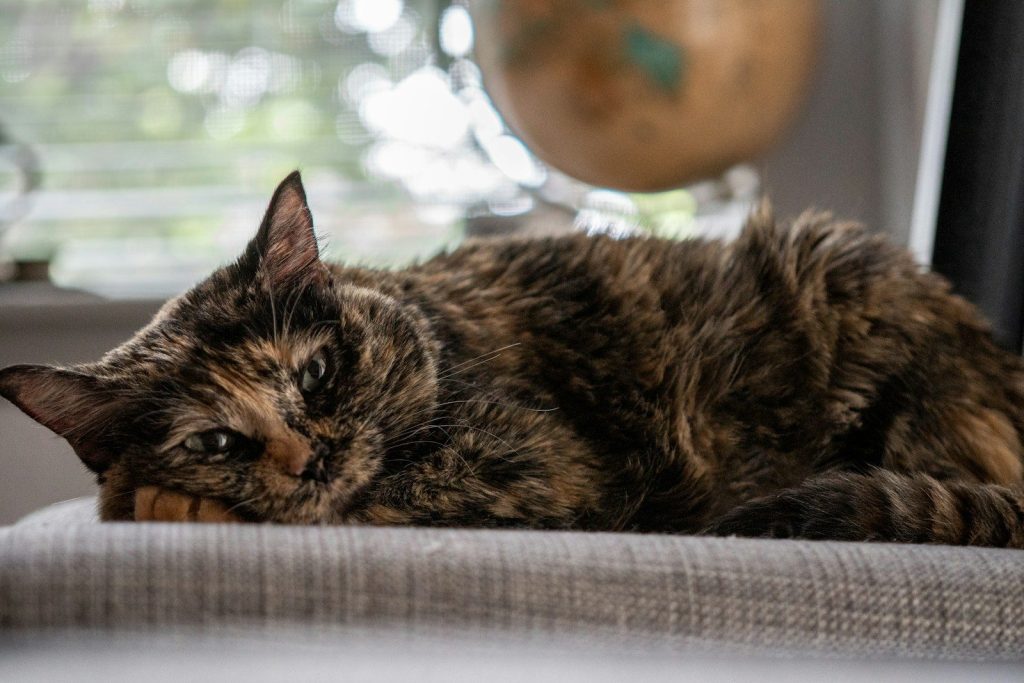

Tortoiseshell cats look as though several autumn colors were brushed across the same coat. Black, brown, orange, red, cream, and diluted blue-gray shades can appear in patches, streaks, speckles, or sharply divided areas. “Tortoiseshell” describes a color pattern rather than a breed, so torties can appear among many different domestic cats. Their striking mosaic has a real genetic basis involving the X chromosome, making the coat far more than a random collection of pretty colors and helping explain why most tortoiseshell cats are female.
Recent feline genetics research has added another piece to that story. In 2025, scientists identified an X-linked deletion near the ARHGAP36 gene associated with orange coloration in domestic cats. In females carrying different color information on their two X chromosomes, random X-chromosome inactivation helps create the patchwork appearance seen in tortoiseshell and calico cats. Their coats may attract people instantly, but coat color does not lock every tortie into one personality. Each cat still develops as an individual with its own temperament, preferences, and social style.
Tortoiseshell Is a Coat Pattern
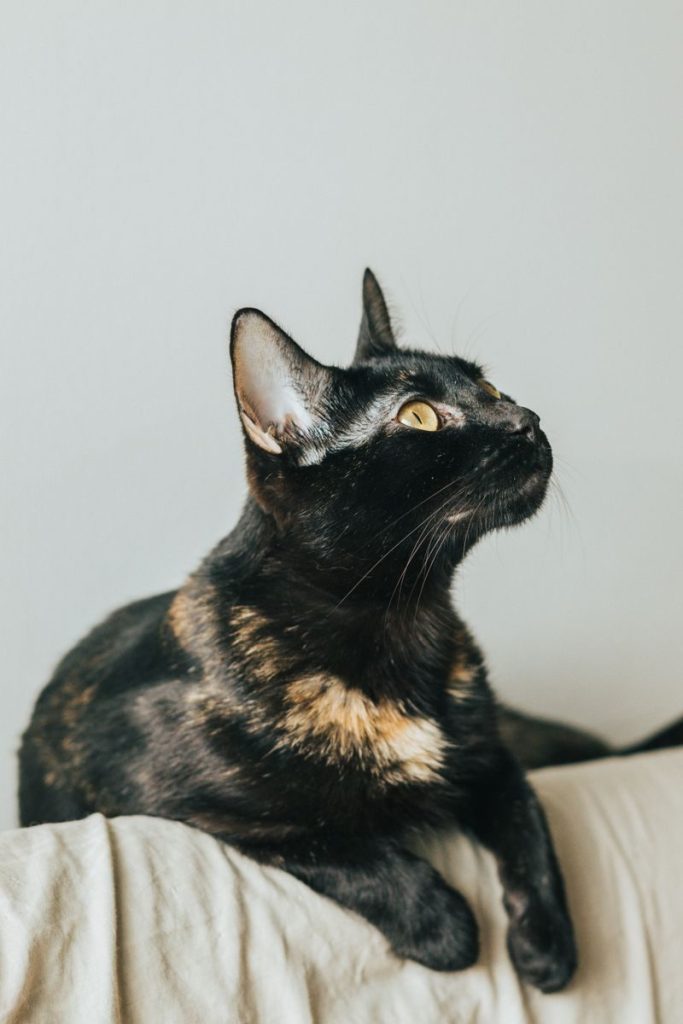
A tortoiseshell cat is defined by its mixed orange-related and darker pigmentation, not by belonging to one specific breed. The pattern can appear on shorthaired, longhaired, pedigreed, and mixed-breed cats in many body shapes and sizes.
That variety is part of the appeal. Two torties may share similar colors while looking completely different in coat length, face shape, build, and markings. The tortoiseshell label describes the mosaic on the fur, while the rest of the cat comes from a much broader genetic background.
X Chromosomes Shape the Colors

The classic tortoiseshell pattern is closely tied to color information carried on the X chromosome. Female cats usually have two X chromosomes, allowing orange-related information on one and non-orange information on the other to appear within the same animal.
During early development, cells silence one X chromosome. Different groups of cells can silence different copies, producing patches where one color pathway is active and neighboring patches where the other is expressed. That cellular mosaic becomes visible across the finished coat.
Most Torties Are Female
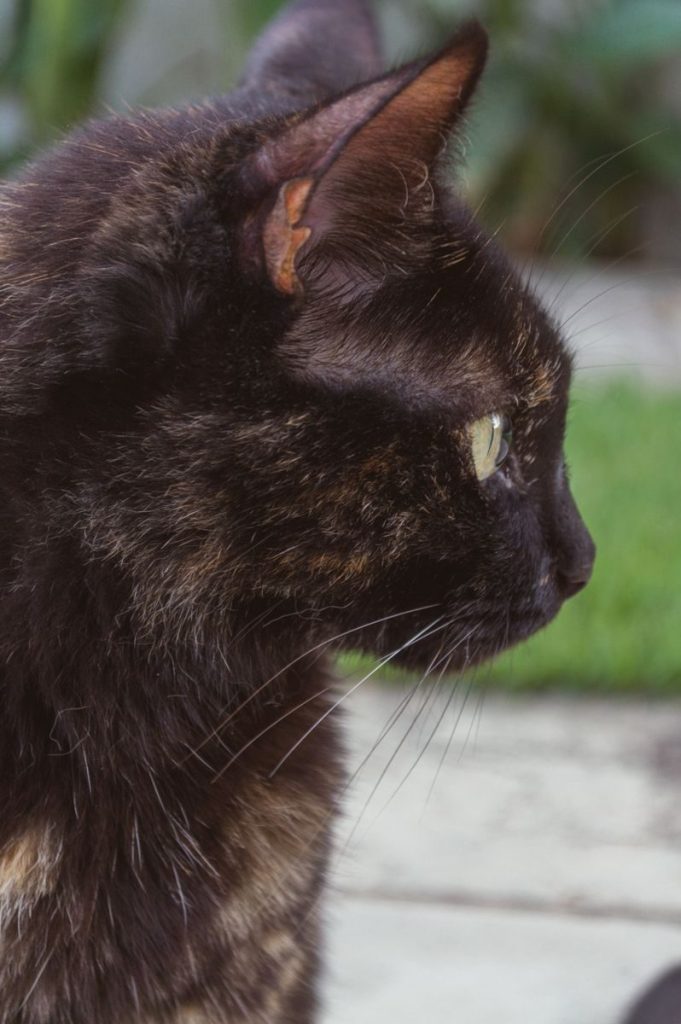
Because the orange-and-black combination usually requires color information from two X chromosomes, nearly all tortoiseshell cats are female. Typical male cats have one X and one Y chromosome, so they normally express only one X-linked color version.
Rare male tortoiseshell cats can occur through unusual chromosome combinations or other uncommon genetic events. Their rarity makes them biologically interesting, but female torties themselves are not unusual. The familiar sex difference follows directly from how feline coat-color genes interact with the X chromosome.
Every Tortie Pattern Is Different
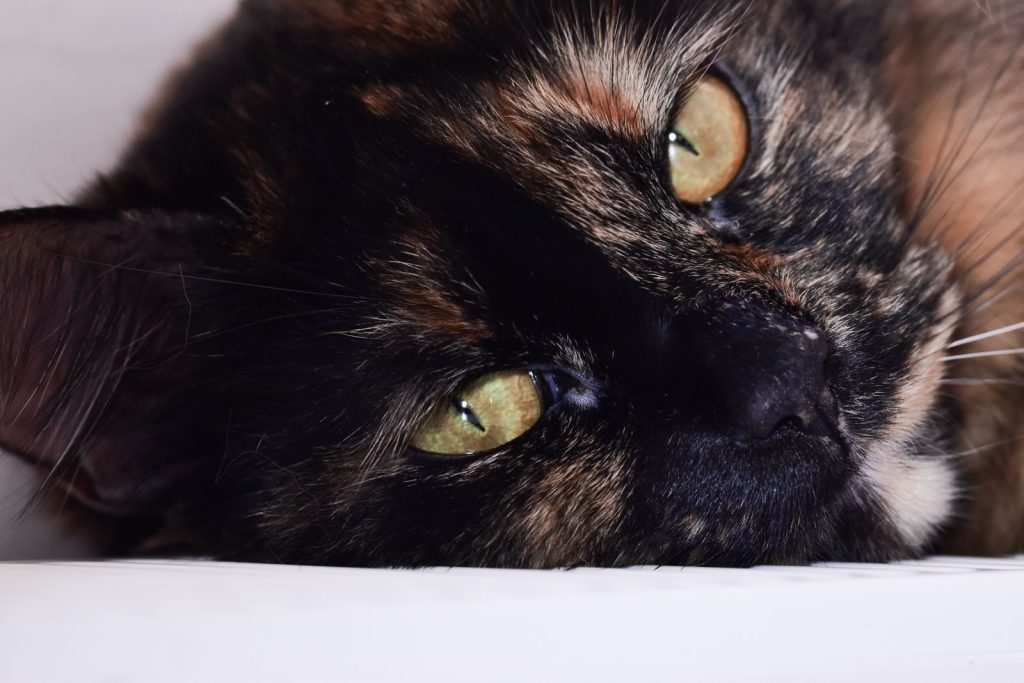
The placement of tortoiseshell patches is not copied from one cat to the next. Random X-chromosome inactivation during development means one kitten may have finely blended colors while another develops large, sharply separated areas across the face and body.
That is why torties can look almost hand-painted. A dark mask, orange blaze, split face, mottled paw, or tiny cream patch may appear in a completely different location on another cat. The same basic genetics can therefore create an enormous range of individual visual patterns.
Dilute Torties Use Softer Shades
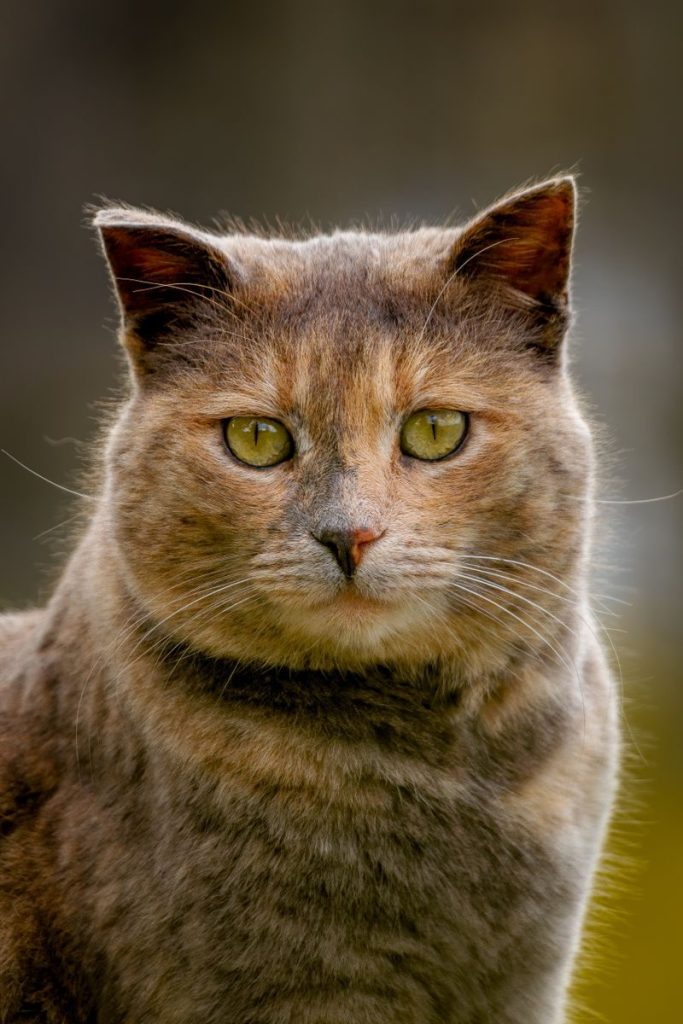
Not every tortoiseshell coat combines deep black with strong orange. Dilution genes can soften those pigments, producing blue-gray and pale cream instead. These cats are commonly described as dilute tortoiseshells and often have a gentler, pastel appearance.
The underlying mosaic principle remains similar even though the visible colors change. One cat may look smoky and subtle while another appears bright and fiery. Both belong to the broad tortoiseshell family, showing how additional coat-color genes can dramatically alter the final effect without removing the patchwork pattern.
Calico Adds More White
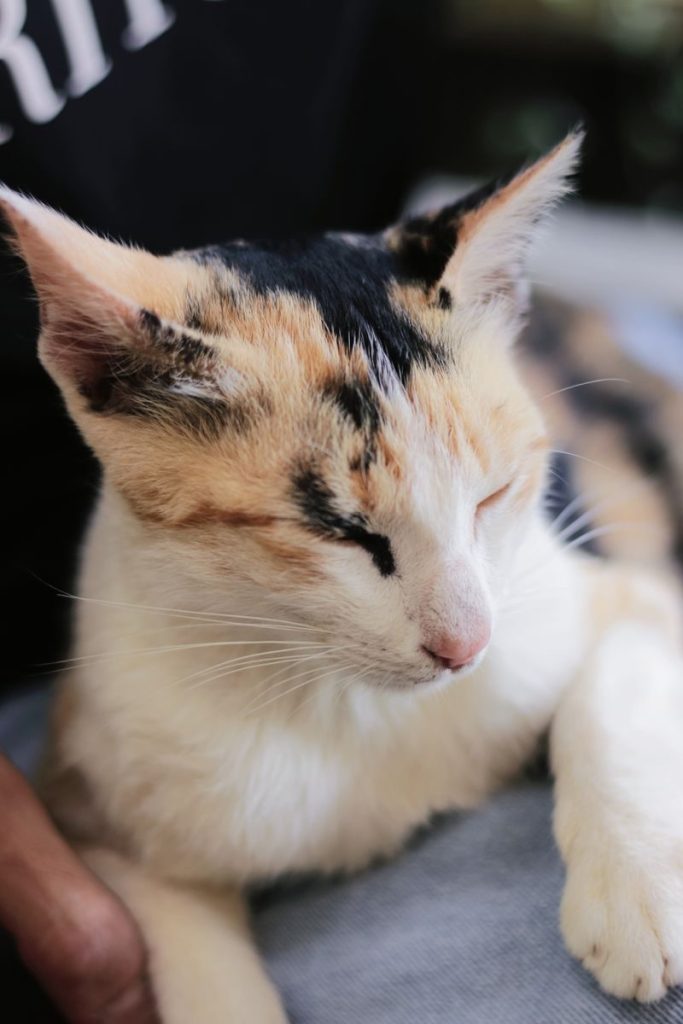
Tortoiseshell and calico patterns are closely related, but calico cats usually have more obvious white areas separating patches of orange and dark pigmentation. White spotting is controlled separately from the X-linked orange-versus-dark color system.
That extra white can make individual patches look larger and more clearly defined. A mostly mottled cat may be called tortoiseshell, while one with substantial white is often called calico. Naming conventions can vary, but both patterns showcase the same remarkable interaction between sex-linked color genetics and other coat genes.
Tortitude Is a Famous Cat Meme
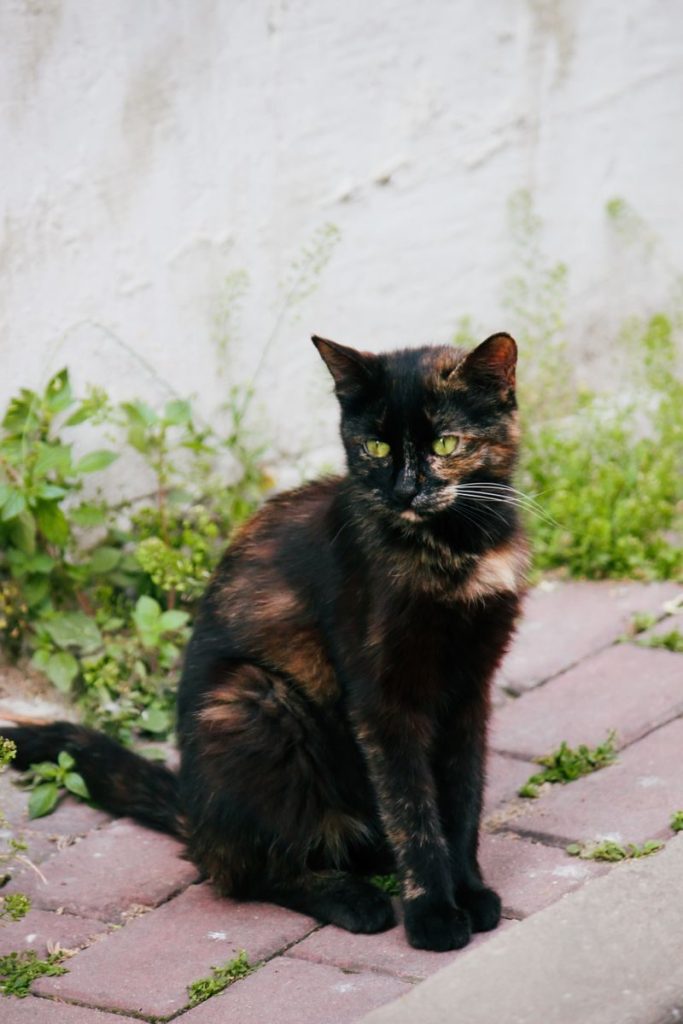
Tortoiseshell owners often joke about “tortitude,” a supposed combination of confidence, sass, independence, and dramatic opinions. The stereotype has become part of tortie culture because memorable markings and memorable behavior make an easy pairing online.
Personality cannot be predicted reliably from coat color alone. Health, genetics beyond coloration, early socialization, learning, age, environment, and individual experience all shape behavior. One tortie may be bold and vocal while another is quiet and cautious, and both are equally typical examples of the pattern.
Their Individuality Is the Real Attraction
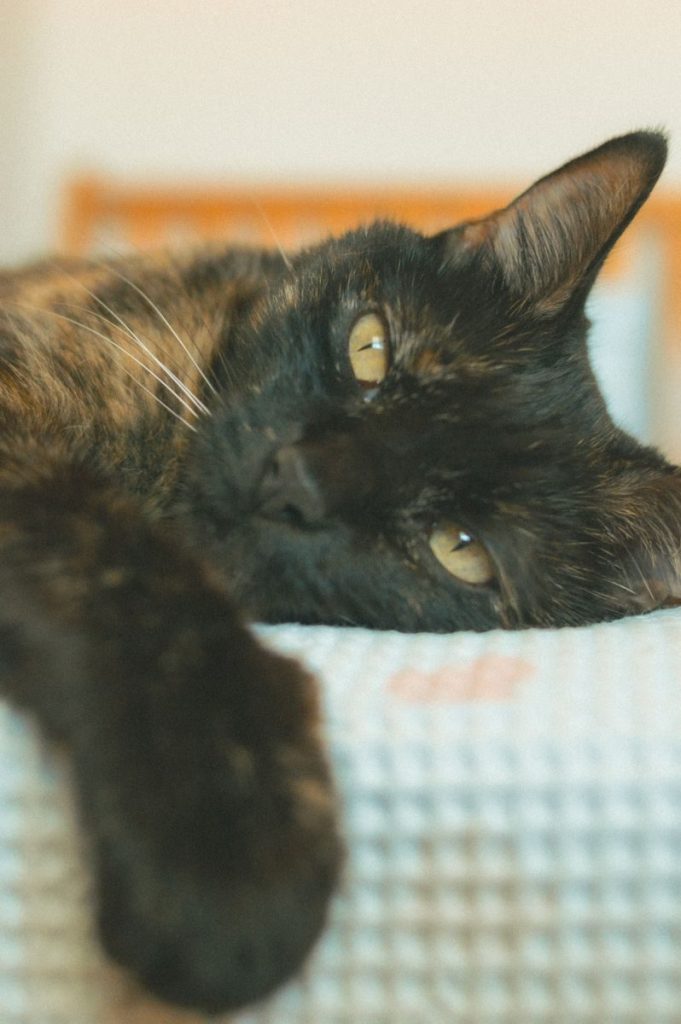
A tortoiseshell coat gives every cat an instantly recognizable mosaic, but no photograph can show the whole animal. The personality behind those markings emerges through everyday choices: where the cat sleeps, how it plays, who it approaches, and what kind of contact it enjoys.
That combination may explain why torties inspire such devoted fans. The coat provides the first visual surprise, then the individual cat supplies everything else. Each one carries a genetic patchwork that is distinctive before personality even begins making the impression more personal.
Featured Image: Photo by Justin Lauria on Unsplash