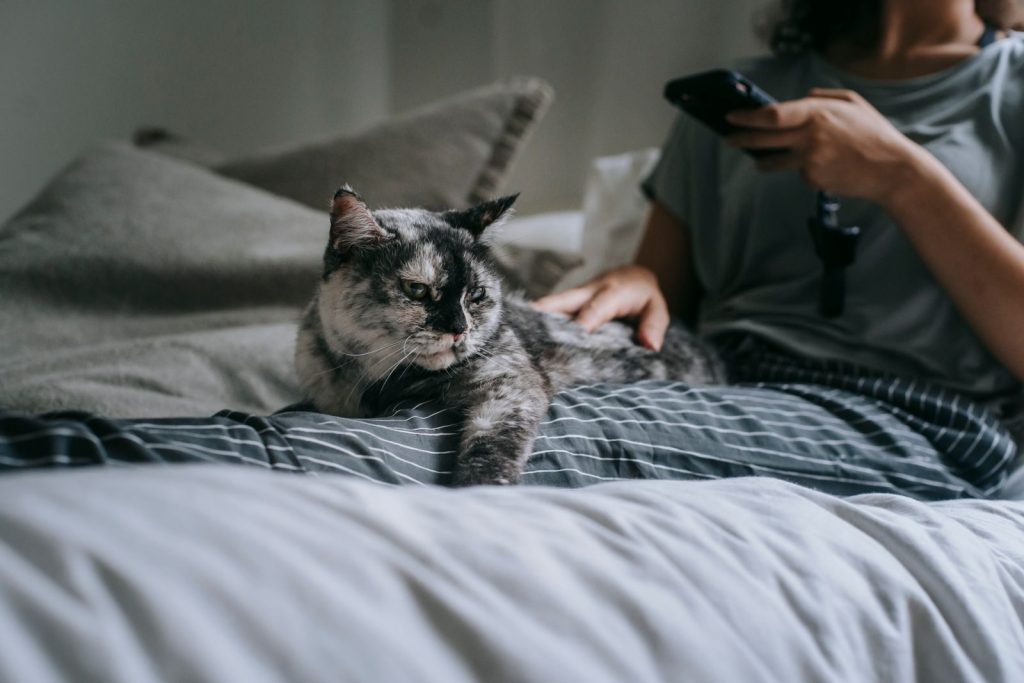

The exact viral story behind this title could not be independently verified from a trustworthy report, so there is no solid basis for claiming that a doctor discovered a hidden medical reason for a cat’s daily visits. What can be verified is that cats often change how much attention they seek, and those changes can have several explanations. A cat may simply enjoy a familiar person, follow a comfortable routine, or seek warmth and contact. Sudden changes, however, deserve closer observation rather than a dramatic medical conclusion.
Veterinary guidance is especially clear about one point: a noticeable shift in a cat’s usual behavior can sometimes be a clue about the cat’s own health or stress level. VCA notes that sick cats may become withdrawn, but some become clingier or demand more attention. That does not mean a cat is diagnosing illness in a human. It means owners should look at the full pattern, including appetite, energy, grooming, litter-box habits, sleep, and social behavior, before deciding whether a veterinary check is needed.
Cats Form Social Bonds
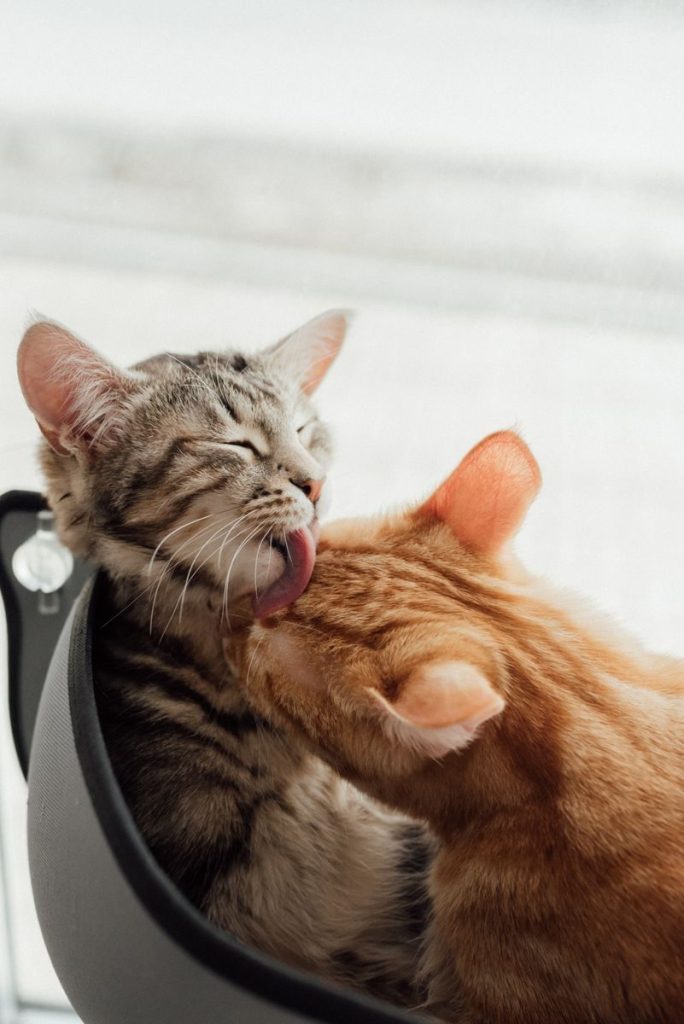
Cats can form strong social relationships with familiar people, even though they are often described as independent animals. International Cat Care explains that cats can build bonds with individuals they know well, and some actively seek contact on their own terms. A daily visit may therefore be nothing more mysterious than a cat choosing a person who feels predictable and safe. The useful clue is consistency: if the cat has always followed this routine and otherwise behaves normally, the behavior is very different from a sudden, unexplained change in sociability.
Daily Routines Can Matter
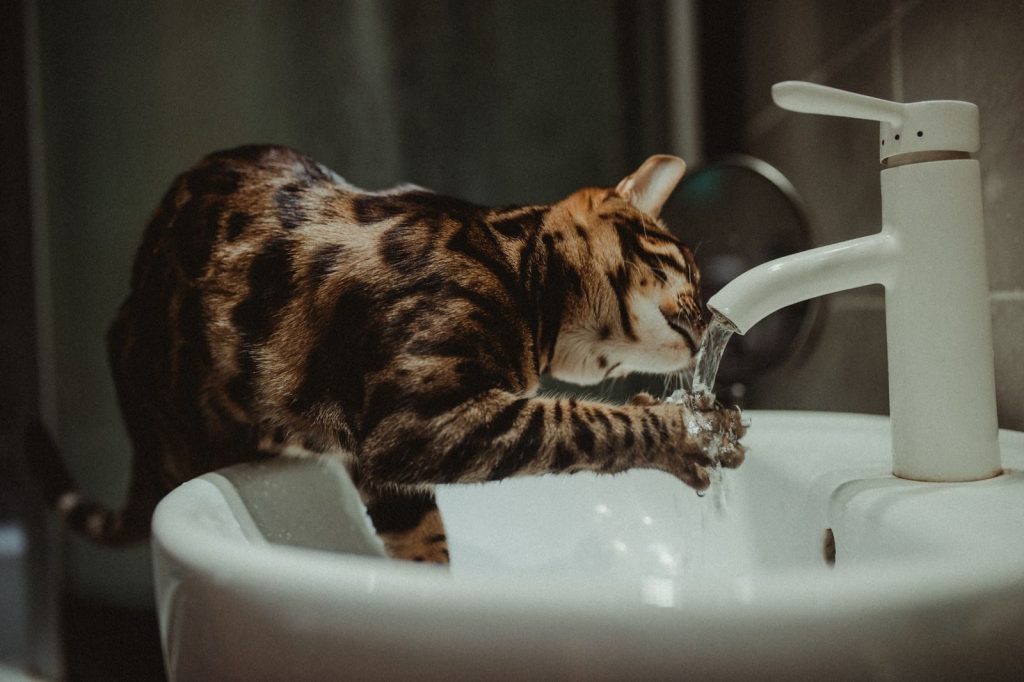
Routine can be a powerful part of feline behavior. Cats learn when people wake up, sit in a favorite chair, prepare food, return from work, or settle down for the evening. Repeated daily visits can become part of that predictable schedule, especially when the interaction brings petting, warmth, play, or access to a comfortable resting place. This does not require a hidden medical explanation. Before treating a repeated visit as extraordinary, consider what normally happens at that time and whether the cat has learned that approaching the person leads to something pleasant.
Affection Looks Different
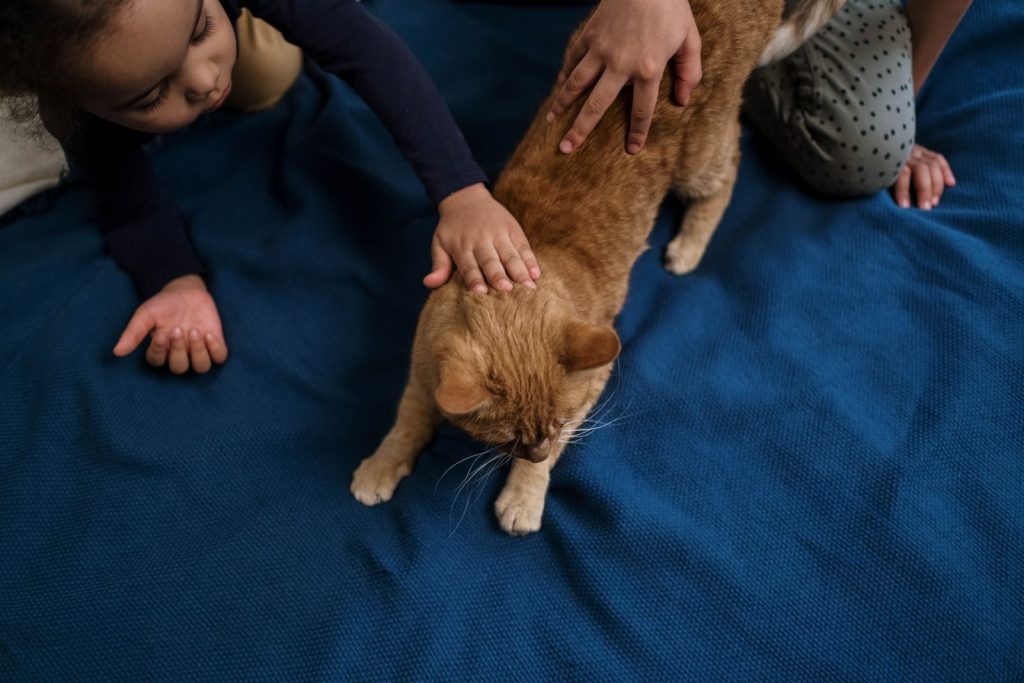
Some cats clearly prefer more physical contact than others. One may climb onto a lap several times a day, while another shows attachment by resting nearby without being touched. International Cat Care advises allowing cats to control the amount and type of interaction they receive. That matters when interpreting frequent visits. A cat that approaches, relaxes, and leaves freely is giving different information from one that follows a person restlessly, vocalizes unusually, or cannot settle. Looking at body language is more useful than assigning a human-style motive to the behavior.
Clinginess Can Signal Illness
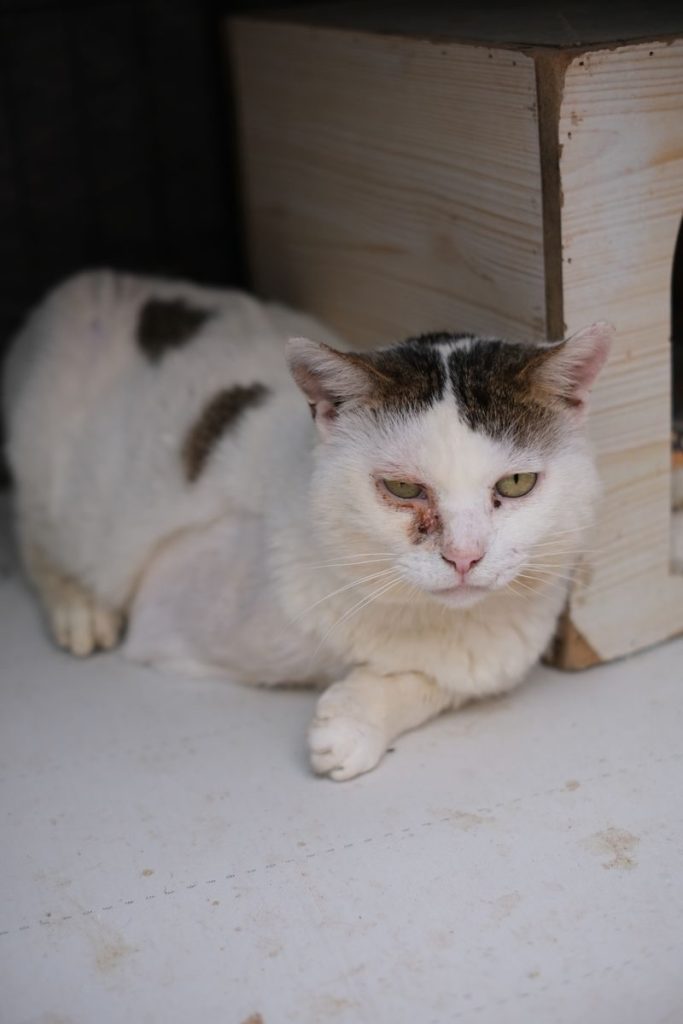
A sudden increase in clinginess can sometimes reflect a health change in the cat rather than anything happening to the owner. VCA advises that illness can alter sociability, energy, grooming, appetite, litter-box use, and other normal behaviors. Some unwell cats hide, while others seek more attention than usual. Because cats often mask discomfort, a change that seems merely emotional can be worth noting. If increased closeness arrives alongside reduced appetite, lethargy, vomiting, breathing changes, weight loss, or altered toileting, veterinary advice is appropriate.
Stress Can Change Contact
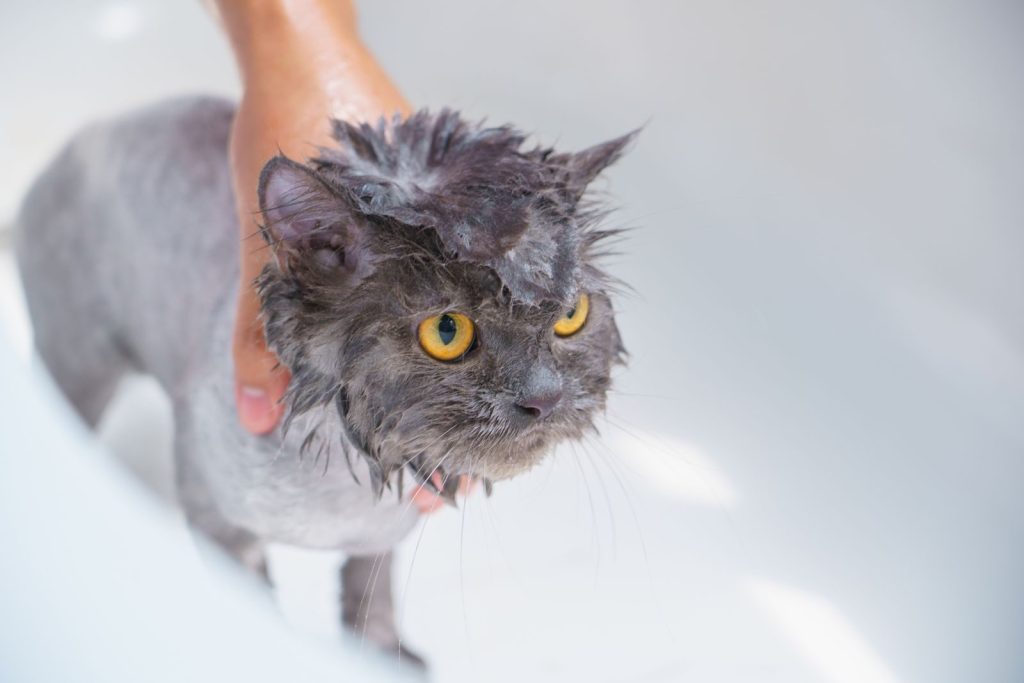
Stress can also change how much contact a cat seeks. Changes in the household, unfamiliar visitors, another pet, moving furniture, altered work schedules, or the loss of an animal companion can affect feline behavior. Some cats respond by hiding, while others become more attentive to familiar people. The important point is that the same outward behavior can have different causes. Owners should think about what changed around the same time, give the cat access to quiet resting and hiding areas, and avoid forcing extra interaction when the cat chooses to move away.
Cats Are Not Medical Tests
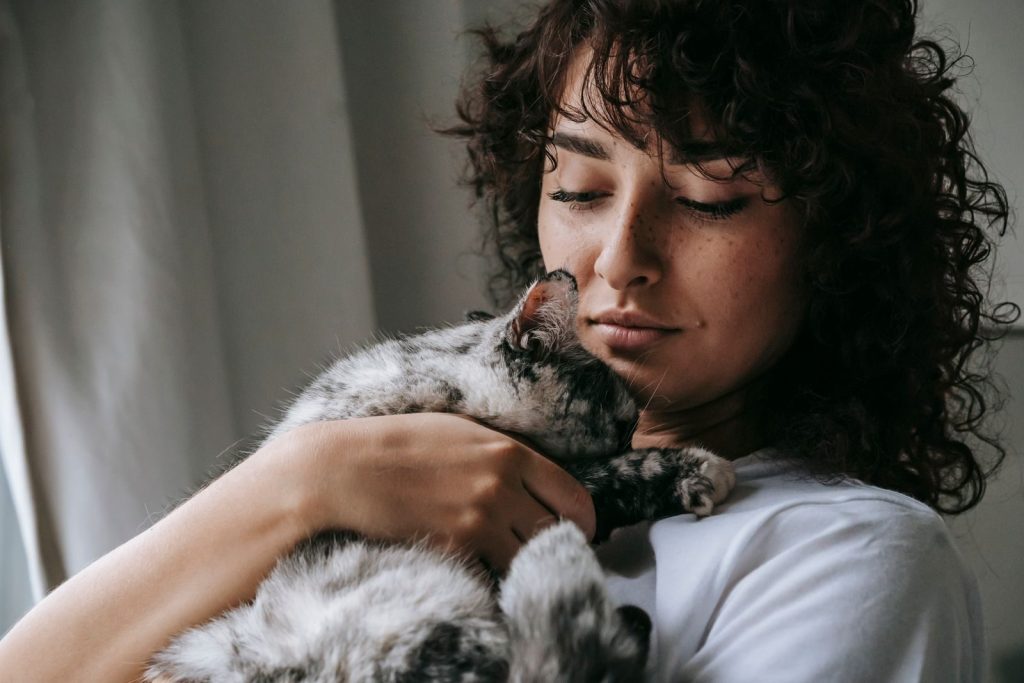
Stories about cats detecting serious human illness are compelling, but a single change in feline behavior cannot diagnose a person. Cats have sensitive senses and can notice changes in routine, movement, smell, voice, or activity, yet that is not the same as proving they recognized a specific disease. If a person feels unwell, medical decisions should come from symptoms, examinations, and qualified healthcare professionals, not from a pet’s behavior. The safest interpretation is that the cat noticed something different, without claiming to know exactly what that difference meant.
Watch the Whole Pattern
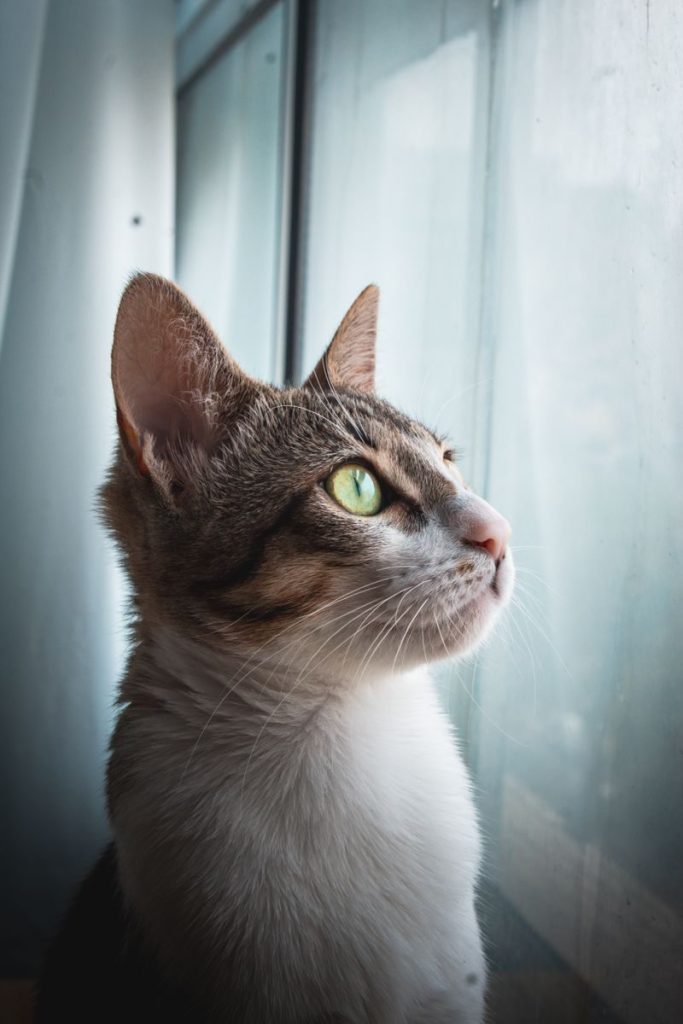
When a cat suddenly becomes more attached, keep track of the whole picture for a few days. Note whether eating, drinking, grooming, sleeping, play, jumping, vocalizing, and litter-box habits remain normal. Also consider changes in the home and whether the cat is seeking attention at particular times. This simple record can help distinguish a new routine from a broader behavioral shift. It can also give a veterinarian more useful information if concerns develop. One isolated behavior rarely tells the complete story, but several changes appearing together deserve more attention.
Sudden Changes Deserve Attention
The most useful lesson from an unverified viral claim is not that cats secretly act as doctors. It is that owners benefit from knowing what is normal for their own cat. VCA recommends veterinary attention for sudden behavioral changes because illness can appear in subtle ways. If a cat becomes unexpectedly clingy, withdrawn, restless, less active, or otherwise different, watch for additional signs and contact a veterinarian when the change is persistent or concerning. Familiar affection is normal; a marked departure from an individual cat’s usual behavior is the part worth investigating.