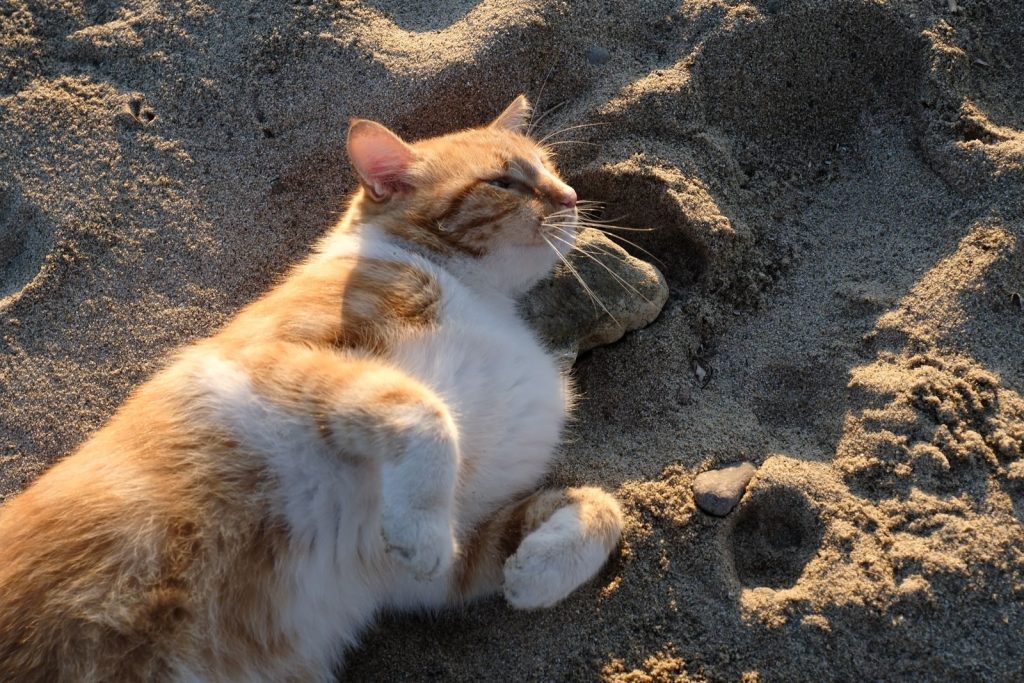

Sand cats look almost impossibly kitten-like even as adults. Their broad heads, large eyes, low-set ears, short legs, and compact bodies give mature animals proportions people often associate with young domestic cats. Yet these are fully wild felines built for some of the harshest desert environments on Earth. Smithsonian’s National Zoo describes sand cats as small, solitary cats native to deserts across Africa and Asia, where their pale coats and specialized feet help them move through extremely dry, shifting landscapes.
An adult sand cat weighs only about 3 to 7.5 pounds, helping preserve that tiny appearance long after kittenhood. Their small size is only the beginning of their desert specialization. Dense fur protects them from temperature extremes, hair covers the footpads, large ears help locate prey, and burrows provide shelter from daytime heat. They can obtain much of the moisture they need from prey and spend much of their active time hunting small animals after the desert cools.
Their Faces Stay Remarkably Kitten-Like
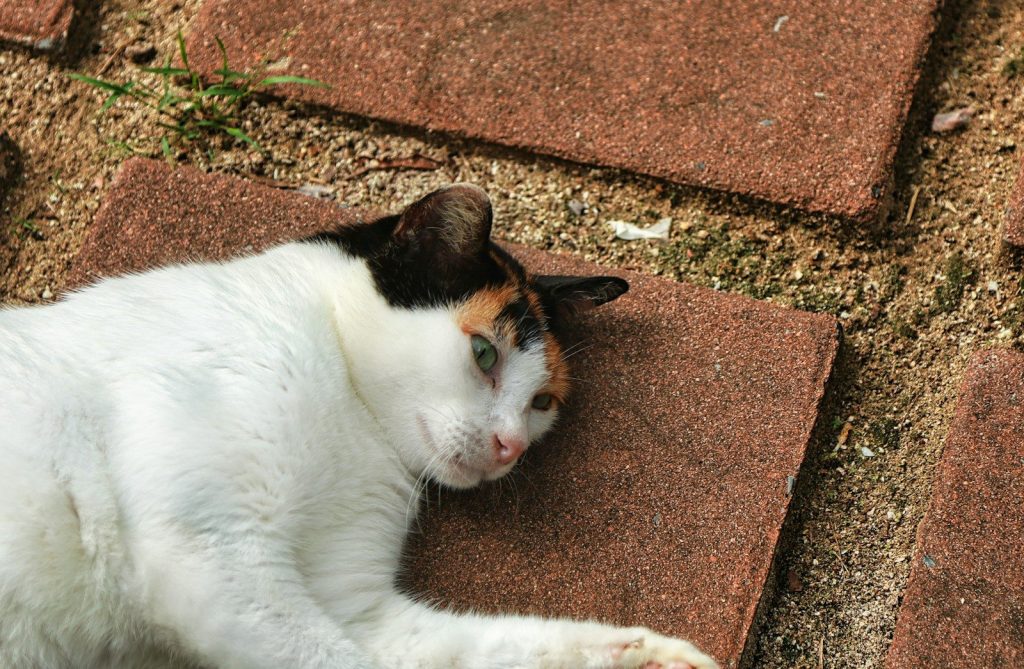
The sand cat’s face is a major reason adults keep looking young. Smithsonian describes a broad head, large eyes, low-set ears, and short limbs, creating proportions that resemble an oversized domestic kitten.
Those features remain after maturity. Instead of growing into the longer face and taller outline people may expect from many adult cats, the sand cat retains a compact, rounded appearance that keeps photographs of fully grown animals looking surprisingly youthful. Even their ears sit lower on the head than those of many familiar domestic cats.
Adult Sand Cats Stay Very Small

Adult sand cats remain genuinely small. Smithsonian lists their body length at about 18 to 22.5 inches, while mature animals weigh roughly 3 to 7.5 pounds.
That puts many sand cats within or below the weight range of ordinary house cats. Their thick fur can make them look broader than the numbers suggest, but beneath the coat is a lightweight desert predator. Their proportions remain compact even when the animal is completely grown, reinforcing the species’ famous kitten-like appearance.
Big Ears Help Them Find Prey
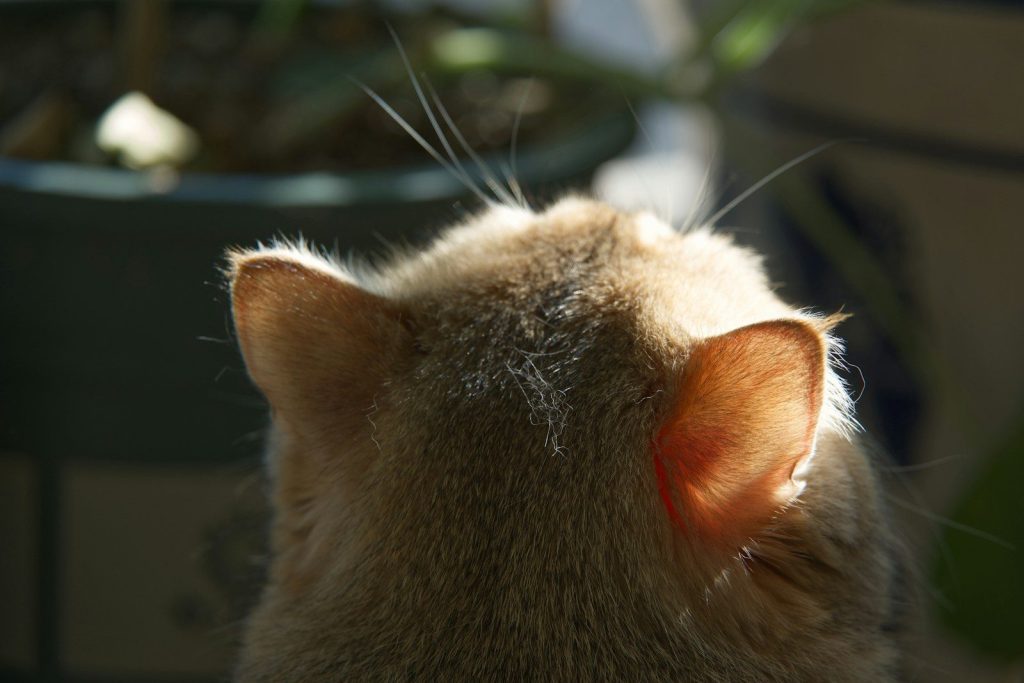
Large ears are not simply part of the sand cat’s appealing appearance. They provide an important hunting advantage in open desert landscapes where prey may be hidden beneath the ground or moving through sparse vegetation.
Sand cats listen for small animals and can detect movement beneath the sand before digging toward the source. The wide, low-set ears therefore combine two effects at once: they make the face look unusually youthful while functioning as highly practical equipment for locating food in difficult terrain.
Furry Feet Protect Them From Sand

The bottoms of sand cat feet are covered with dense hair that helps protect them from extremely hot and cold ground. Those furry pads also aid movement across loose sand.
Their broad feet distribute weight effectively, and Smithsonian notes that sand cats can leave remarkably faint tracks. Together, the furry soles and compact body help these little cats cross shifting desert surfaces while remaining insulated from temperature extremes beneath their paws.
Burrows Help Them Escape Desert Heat
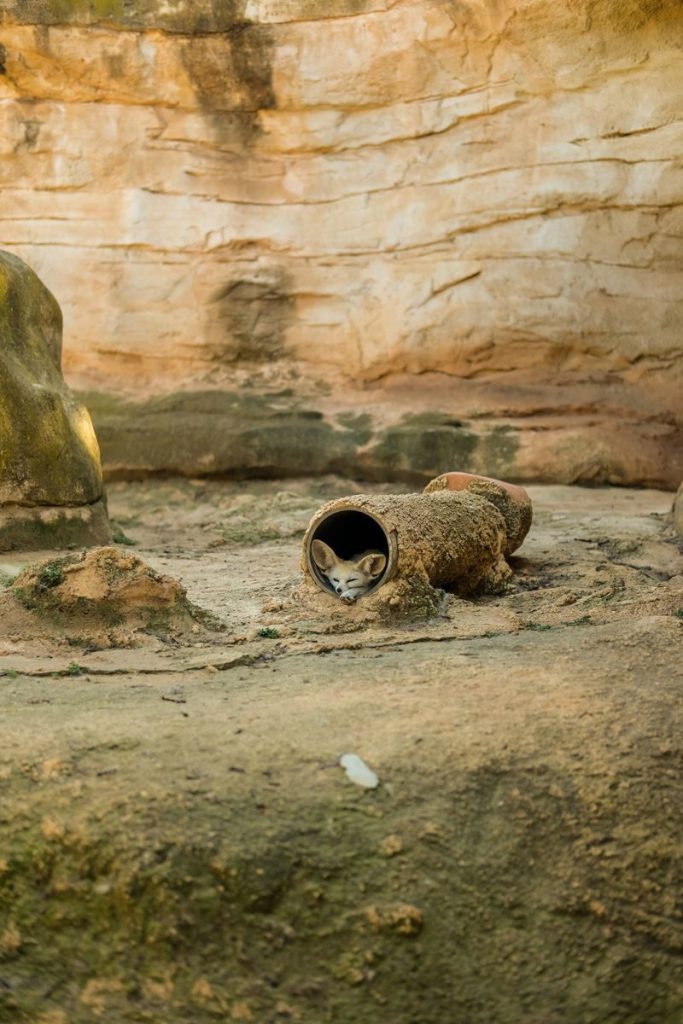
Sand cats avoid the harshest desert temperatures by spending much of the day inside burrows. Smithsonian describes them as mainly nocturnal and crepuscular, becoming active when conditions are more manageable.
Their ability to dig is therefore central to everyday survival. A burrow offers shelter when exposed desert surfaces become punishingly hot or cold. The same short, sturdy body that makes a sand cat resemble a kitten is well suited to a life that regularly includes disappearing underground.
Much of Their Water Comes From Food

Water can be scarce across the sand cat’s natural range, so the species is adapted to obtain much of its moisture through prey. Smithsonian notes that sand cats can go for weeks without directly drinking water.
Their diet includes small rodents, birds, insects, spiders, reptiles, and occasionally hares. Catching enough prey therefore supplies both calories and valuable moisture, allowing these little cats to remain active in landscapes where dependable surface water can be difficult to find.
The Tiny Cats Are Serious Hunters
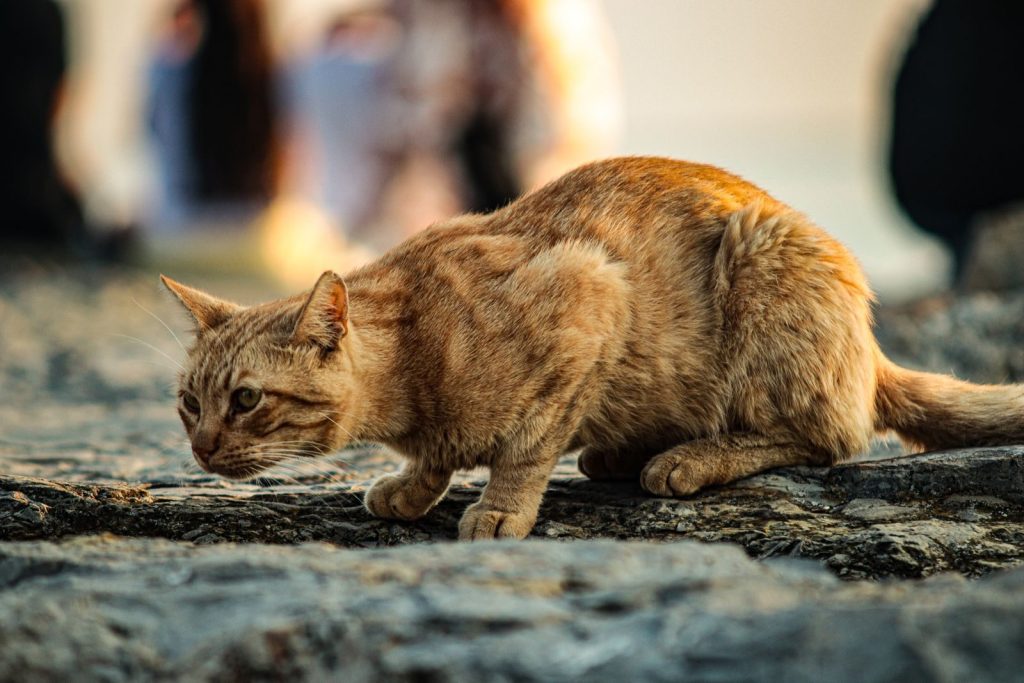
Despite their small appearance, sand cats are capable predators. They move close to the ground, listen for hidden prey, dig quickly when necessary, and can even hunt venomous snakes within their range.
That contrast is part of what makes the species so memorable. An animal that resembles a permanently young house cat is actually equipped for survival in extreme deserts. Its soft appearance hides a lifestyle built around stealth, sensitive hearing, rapid digging, and efficient hunting.
Their Range Covers Vast Deserts

Sand cats occur across separated desert regions in North Africa, the Arabian Peninsula, and parts of western and central Asia, including Iran, Pakistan, Turkmenistan, and neighboring areas. Their remote habitat makes them difficult to study.
Smithsonian identifies habitat loss and declining prey as important threats, while disease and predation involving domestic animals can also affect populations. Their kitten-like faces make sand cats instantly recognizable in photographs, but their real home remains the vast desert landscapes that shaped every unusual feature they possess.
Featured Image: Photo by Semanur Çoban on Pexels