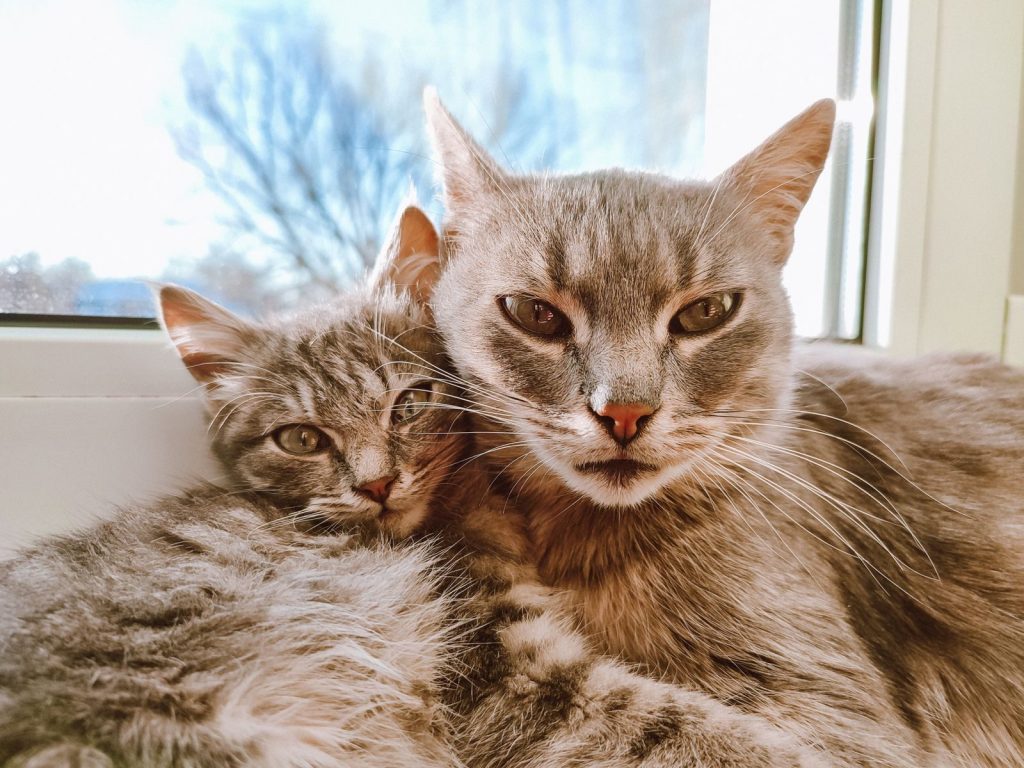

Life with a cat is often shaped by hundreds of tiny moments rather than one dramatic event. A cat waiting nearby, stretching beside a laptop, asking for play, choosing the same chair each evening, or settling close while someone reads can become part of the structure of a day. Research on human-cat relationships supports the idea that cats form meaningful attachment bonds with caregivers, while owners frequently experience companionship, routine, entertainment, and physical closeness as major parts of sharing a home with them.
Research into pets and human wellbeing is more complicated than saying a cat automatically makes every person happier. Studies can produce mixed results depending on the population and circumstances. What research does show clearly is that cats recognize familiar people, establish social relationships, respond to interaction, and participate in repeated household routines. Those exchanges help explain why many cat lovers feel that a home with a cat develops its own rhythm, atmosphere, and collection of familiar little moments.
Cats Add Quiet Companionship
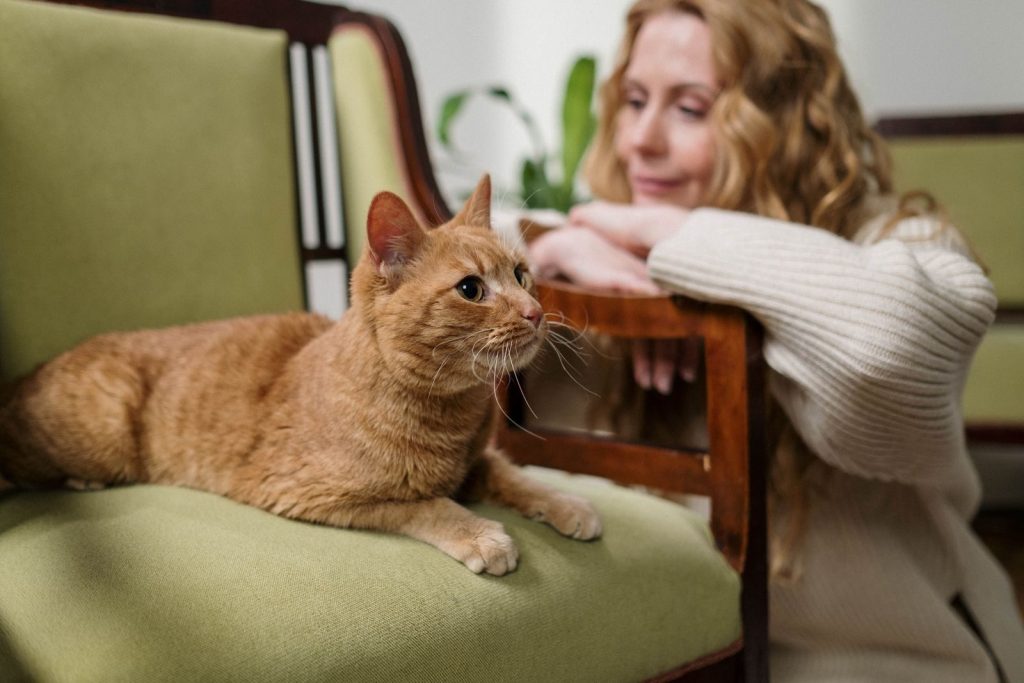
A cat adds another living presence to ordinary moments. Even when the animal is sleeping across the room, its movements, sounds, feeding schedule, favorite locations, and occasional requests for attention become part of the home.
That companionship does not need constant cuddling. Many cats spend long periods doing their own thing while still returning for interaction. For people who enjoy that balance, the combination of independence and familiar company can make quiet time feel less empty. The relationship can feel present without demanding attention every minute.
Cats Can Become Attached to Caregivers
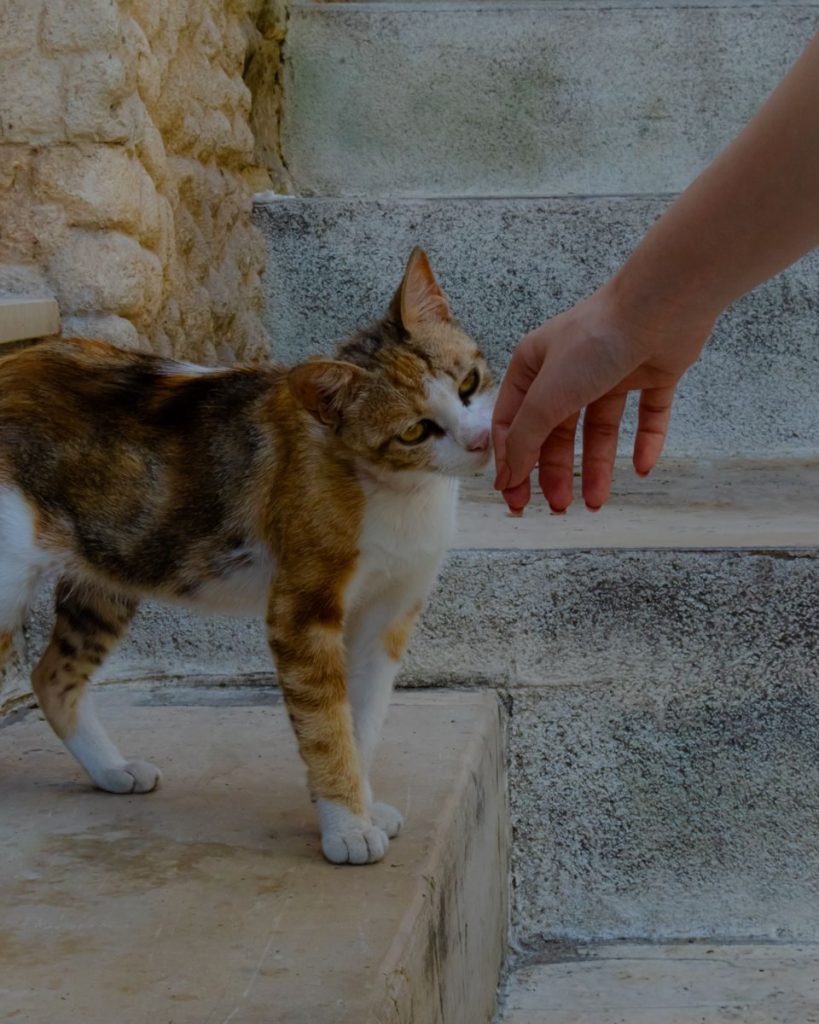
Oregon State University researchers found that many cats show attachment patterns toward caregivers in a secure-base test. Securely attached cats could use the familiar person as a source of comfort before resuming exploration.
That finding helps explain why a cat can seem independent without being socially detached. A cat may spend hours resting alone, investigate another room, or decline a lap while still maintaining a stable relationship with the person who provides safety, resources, and familiar daily interaction.
Your Smell Becomes Familiar
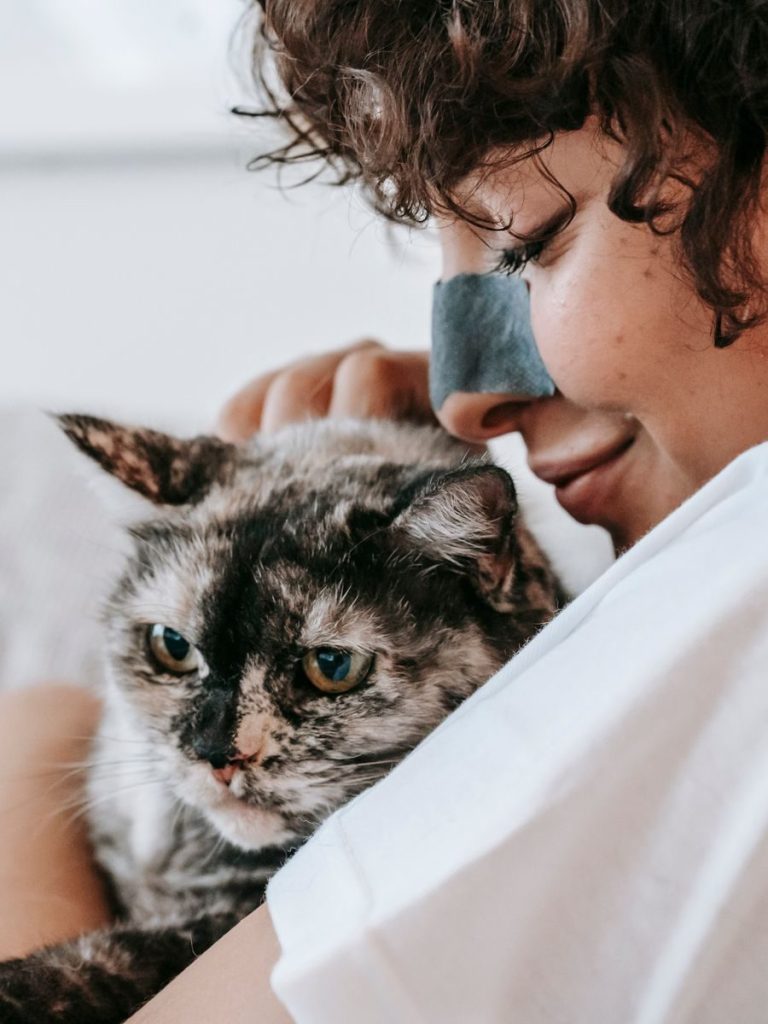
Cats can distinguish familiar humans through scent. In a 2025 PLOS One study, cats spent longer investigating odor from an unfamiliar person than odor taken from their owner.
That makes everyday closeness more interesting. A favorite blanket, worn clothing, hands, furniture, and shared rooms all contain familiar smells. The household a person experiences visually is also an olfactory environment for the cat, filled with information linked to the people living there. Familiar scent quietly connects the cat’s social world with the spaces everyone shares.
Cats Learn Familiar Voices

Cats can also respond differently to familiar human voices. Research has found evidence for individual-level recognition of familiar speakers, showing that human voices can carry information beyond simple noise.
An ear turning, head movement, glance, or brief change in attention may be easy to miss. Living with the same cat often teaches people to notice these small reactions. Daily conversation can become part of the relationship even when the cat does not respond with a loud meow every time.
Play Creates Shared Time

Play gives cats opportunities to stalk, chase, pounce, explore, and solve small problems while also creating a regular activity shared with their humans. Research has examined associations between play and the quality of cat-guardian relationships.
A few focused minutes with a wand toy or another appropriate game can become an easy break from work, chores, or screens. Repeated play also creates recognizable routines for the cat, turning enrichment into one of the simplest daily activities that both sides can anticipate.
Interaction Can Affect Human Mood
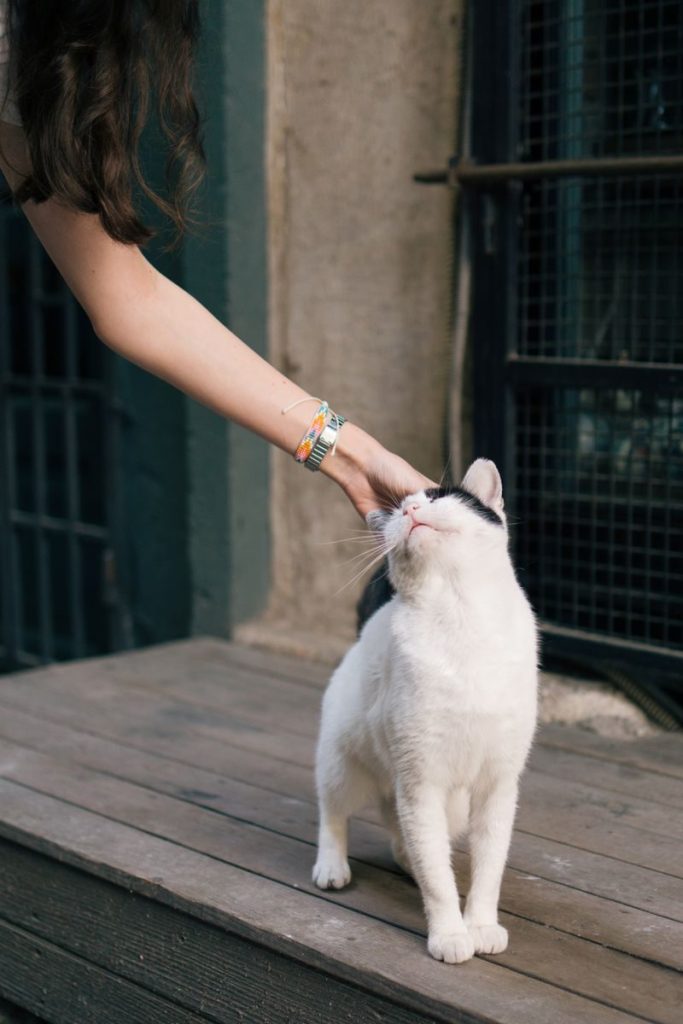
A 2023 study measuring owners during free interaction with their cats found changes in emotional arousal and autonomic activity while people spent time with the animals. The physiological picture was more complex than simply saying cats make everyone calmer.
The everyday takeaway is that interaction can measurably affect the human participant as well as the cat. Stroking, talking, playing, watching, and sitting together are active exchanges that can influence how a moment feels. That makes ordinary contact part of the lived experience of companionship.
Homecomings Become Shared Events
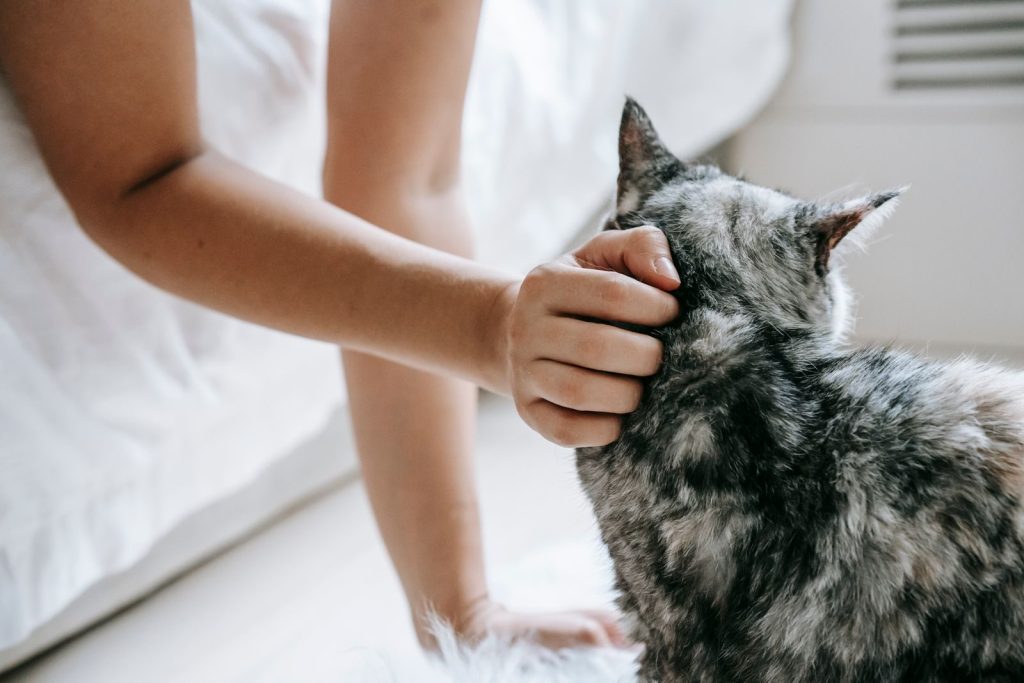
Research comparing shorter and longer separations found that cats purred and stretched more following the longer absence, while owners also increased their verbal contact when reunited.
Anyone living with a cat may recognize a personal version of that pattern. One waits by the door, another appears several minutes later, and another calls from a favorite room. The details differ between animals, but returning home can become a familiar social event shaped by both cat and person.
Small Routines Make Home Feel Different
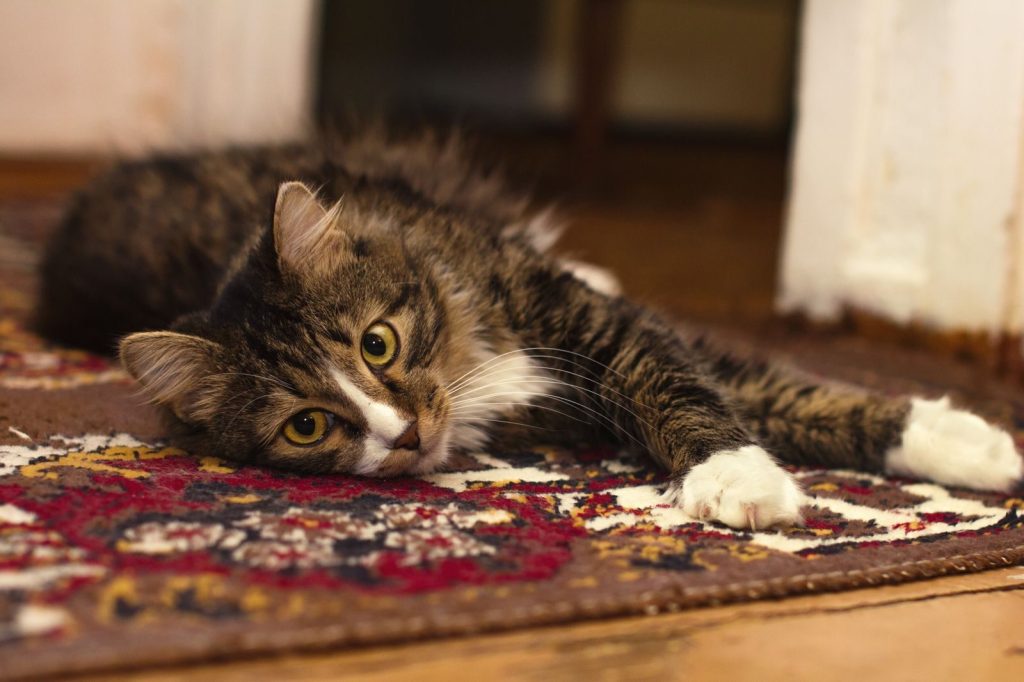
The strongest appeal of living with cats may be how quickly ordinary habits become shared ones. Breakfast gains a spectator, laundry attracts an inspector, a particular chair gains a regular occupant, and bedtime develops its own predictable sequence.
None of those moments needs to be spectacular to matter. Over months and years, they accumulate into the texture of home life. For many cat lovers, that is why life feels better with cats around: the day becomes filled with small routines that gradually belong to both species.