Short-haired cats offer far more variety than a single easy-care coat. A March 2026 Parade Pets guide asked veterinarians Julie Hunt and Aimee Warner to highlight six appealing short-haired breeds: the American Shorthair, Siamese, Burmese, British Shorthair, Bengal, and Abyssinian. Their recommendations covered cats ranging from calm and easygoing to intensely active and social. The common thread was not one perfect personality, but a shorter coat paired with distinctive behavior, energy levels, and household needs. That range makes the list useful for matching temperament as much as appearance.
Veterinarian Aimee Warner emphasized that choosing a breed should go beyond appearance and focus on whether the household matches the cat’s activity and social requirements. That matters because these six cats are very different once you look beyond coat length. A British Shorthair may prefer quietly supervising nearby, while a Bengal can demand climbing and problem-solving. A Siamese may seek frequent interaction, while an Abyssinian often combines affection with independence. The cutest match is ultimately the one whose lifestyle fits yours.
Short Hair Still Comes With Personality

Short hair generally makes coat maintenance simpler than it is for many longhaired cats, but it does not eliminate grooming entirely. Cats still shed, groom themselves, and benefit from normal health and coat care.
The bigger differences among short-haired breeds often involve personality and activity. Parade’s veterinarians emphasized social needs, play, independence, and stimulation because two equally sleek cats can require very different kinds of homes despite having similarly easy-looking coats. Coat length is only one small part of the day-to-day experience of sharing a home with a particular cat.
American Shorthairs Bring Easygoing Charm
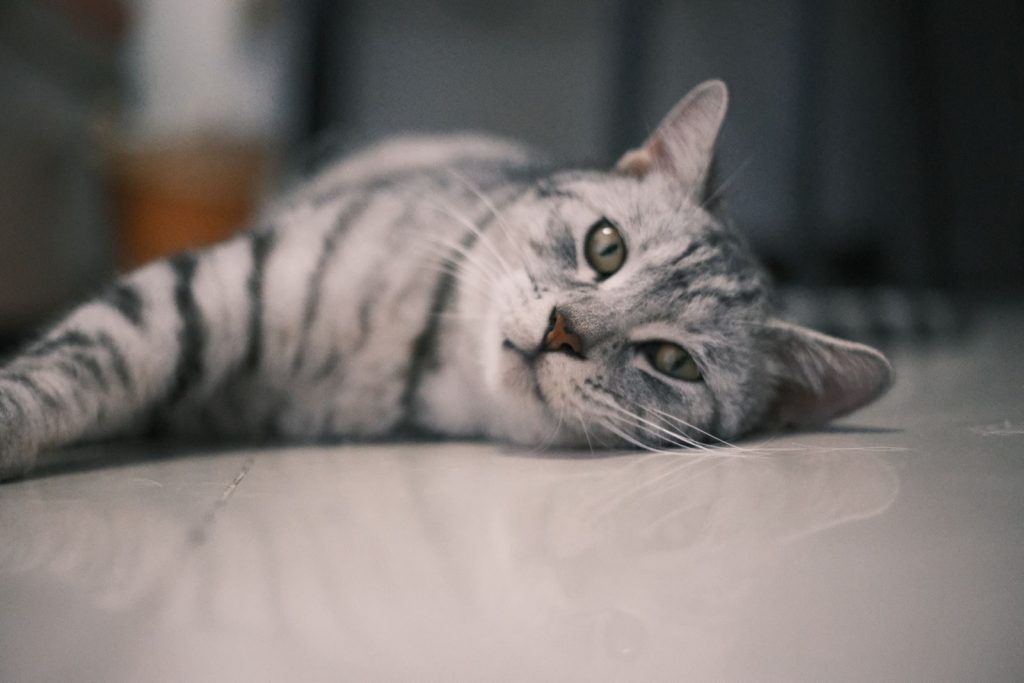
The American Shorthair earned a place on the list for a combination of adaptability and sociability. Veterinarian Julie Hunt described most members of the breed as friendly, affectionate, playful, intelligent, and generally comfortable around families.
Not every American Shorthair wants constant cuddling, and Hunt noted that some prefer interacting on their own terms. That balance can appeal to people who want a companionable cat without expecting nonstop lap time, especially in homes that include children or other properly introduced animals.
Siamese Cats Want to Participate
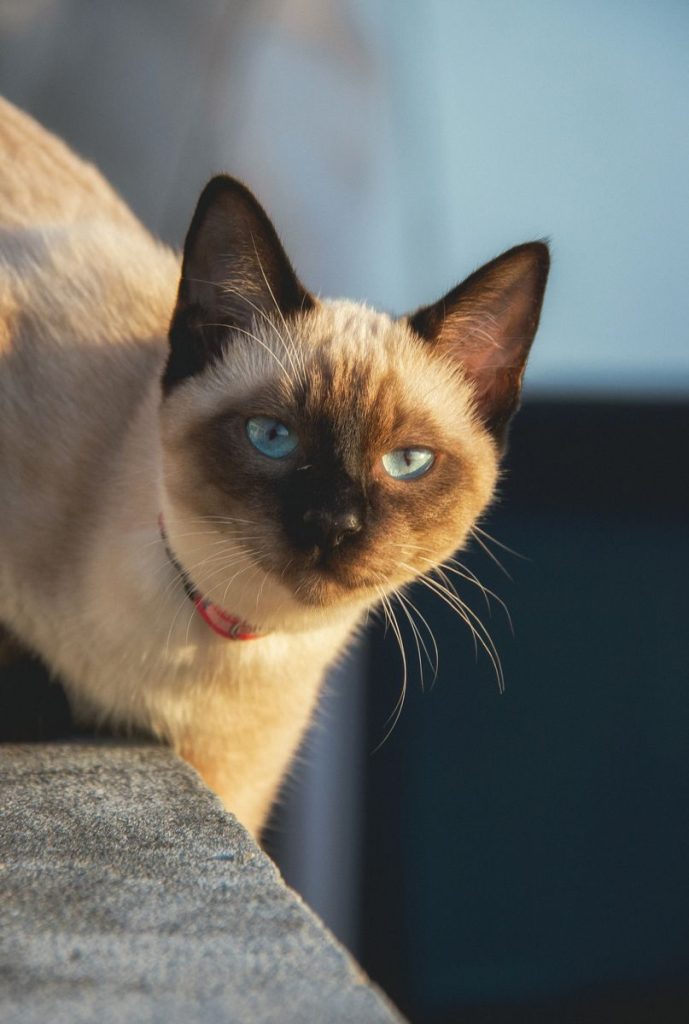
Siamese cats bring far more than their sleek coat and striking color points. Veterinarian Aimee Warner described them as highly social and vocal cats that often form close relationships with their humans and actively seek interaction.
That makes the Siamese a strong fit for households where people are home frequently or can provide regular attention and stimulation. Their tendency to follow people around can make them feel deeply involved in daily life, but it also means a very quiet, hands-off household may not suit every individual.
Burmese Cats Mix Play and Affection

Burmese cats combine an athletic side with a strong interest in people. Hunt described them as playful, confident, social, and highly trainable, with enough energy that they need activities capable of engaging both body and mind.
They can also be notably affectionate, often preferring to stay close to their owners or settle on laps. Their short coat may be straightforward to maintain, but their social and play needs deserve equal attention. A Burmese home works best when interaction is part of the normal daily schedule.
British Shorthairs Prefer Quiet Company

British Shorthairs bring a very different style. Hunt described most as calm, friendly, and occasionally playful, with a preference for being near their people that does not always translate into wanting to sit on a lap.
That tendency has earned them a reputation for “supervisor behavior.” A British Shorthair may happily remain close while declining prolonged petting or handling. Their combination of quiet companionship, solid build, round features, and short plush coat makes them appealing to people who enjoy a more understated feline presence.
Bengals Bring Serious Energy
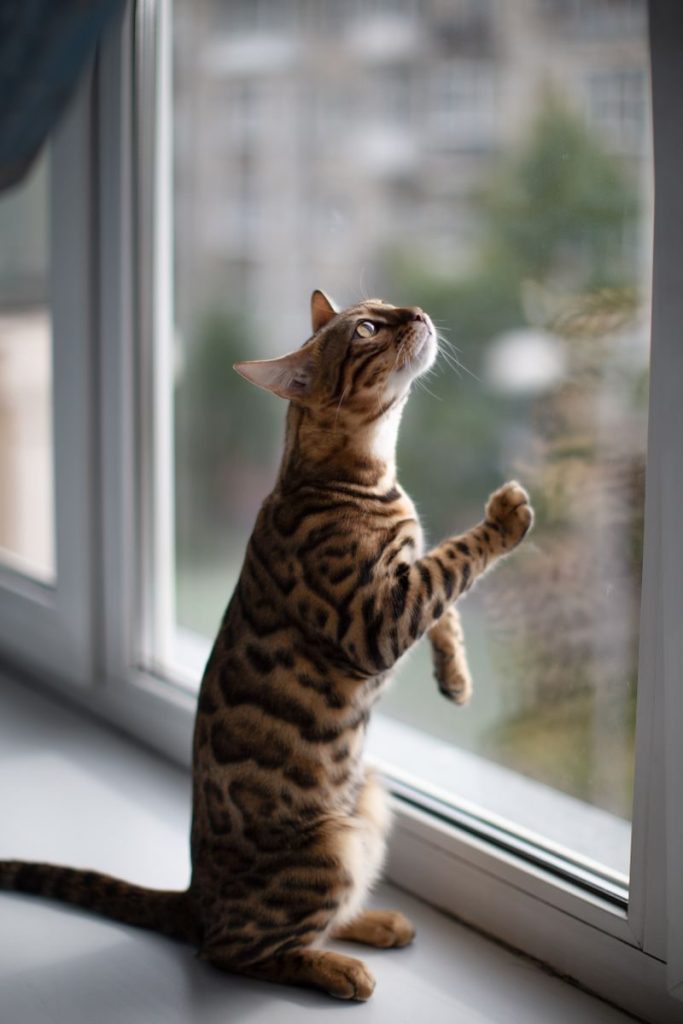
Bengals are the high-energy option on the list. Warner described them as extremely active and intelligent cats that enjoy exploration, climbing, and solving problems, making environmental enrichment especially important in a Bengal household.
Without enough stimulation, that energy can find its own outlets around shelves, furniture, and anything interesting enough to investigate. Vertical space, puzzle toys, interactive play, and daily engagement give Bengals appropriate ways to stay busy. Their striking spotted coat may attract attention first, but their activity level shapes everyday life much more.
Abyssinians Stay Busy Into Adulthood
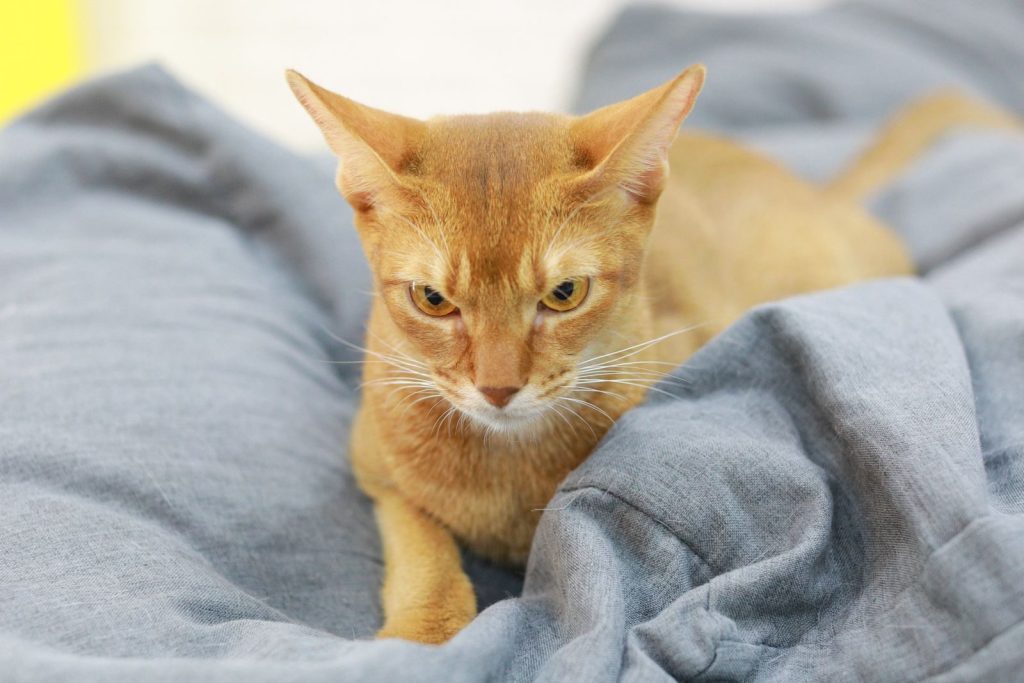
Abyssinians combine a sleek, short coat with a reputation for curiosity and athleticism. Warner described them as playful, quietly confident cats that enjoy high places and often retain a kitten-like level of energy into adulthood.
They can be affectionate without needing constant physical attention, creating an appealing mix of connection and independence. An Abyssinian home benefits from climbing opportunities, stimulating toys, and room to explore. Their graceful appearance may look effortless, but keeping that busy mind satisfied is an important part of living with the breed.
The Best Breed Fits Your Routine
These six breeds show why choosing a cat by coat length alone misses most of the story. The American Shorthair, Siamese, Burmese, British Shorthair, Bengal, and Abyssinian all wear short coats while bringing very different social and activity patterns.
The best match depends on what daily life in the home actually looks like. Someone wanting quiet company may make a different choice from someone eager for constant play and interaction. Good matching lets the cat’s personality and the household rhythm work together long after the first adorable photo.
Featured Image: Photo by Yusuf Çelik on Pexels