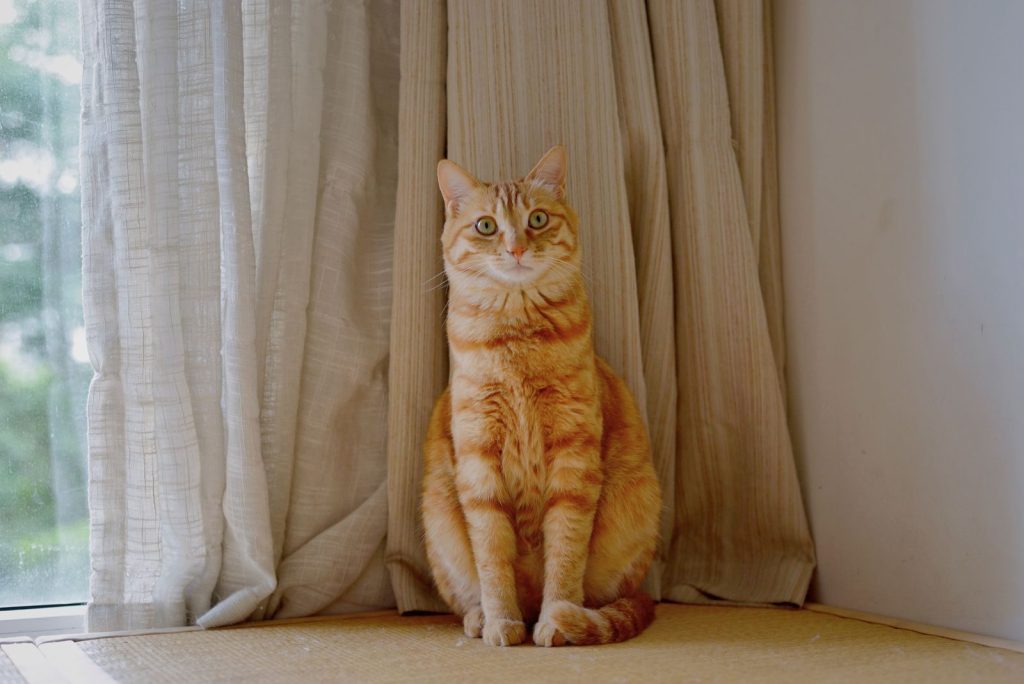

Cat owners often rely solely on meows to figure out what their pet wants. Most people assume a purring cat is always happy and content.
But felines communicate their true feelings primarily through subtle body language cues. Learning these physical signals transforms how owners bond with their domestic cats.
Tail Flicks Signal Stress
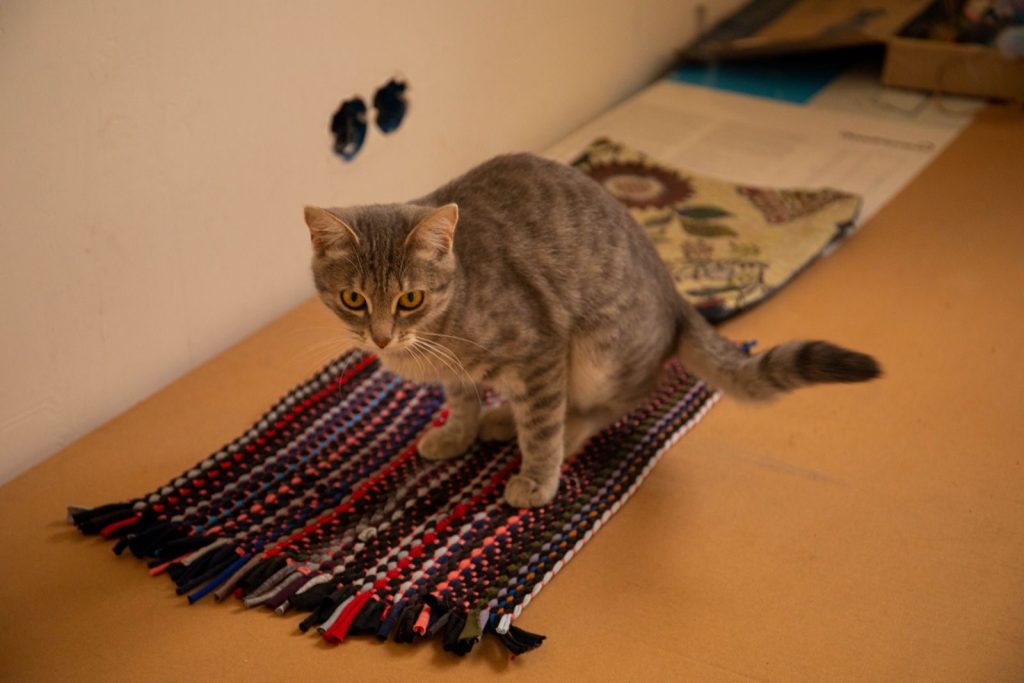
A cat’s tail acts like a barometer for their emotional state throughout the day. While a dog’s wagging tail shows joy, a swishing cat tail usually indicates rising frustration or overstimulation. According to the American Veterinary Medical Association, a cat thumping its tail against the floor signals that they need space immediately. Ignoring this warning can lead to swiping or nipping. Tail movement signals mood. Paying attention to these tail flicks helps owners avoid unwanted scratches during interactive play sessions. Reading tail movement naturally leads to observing eye signals.
Slow Blinks Express Affection
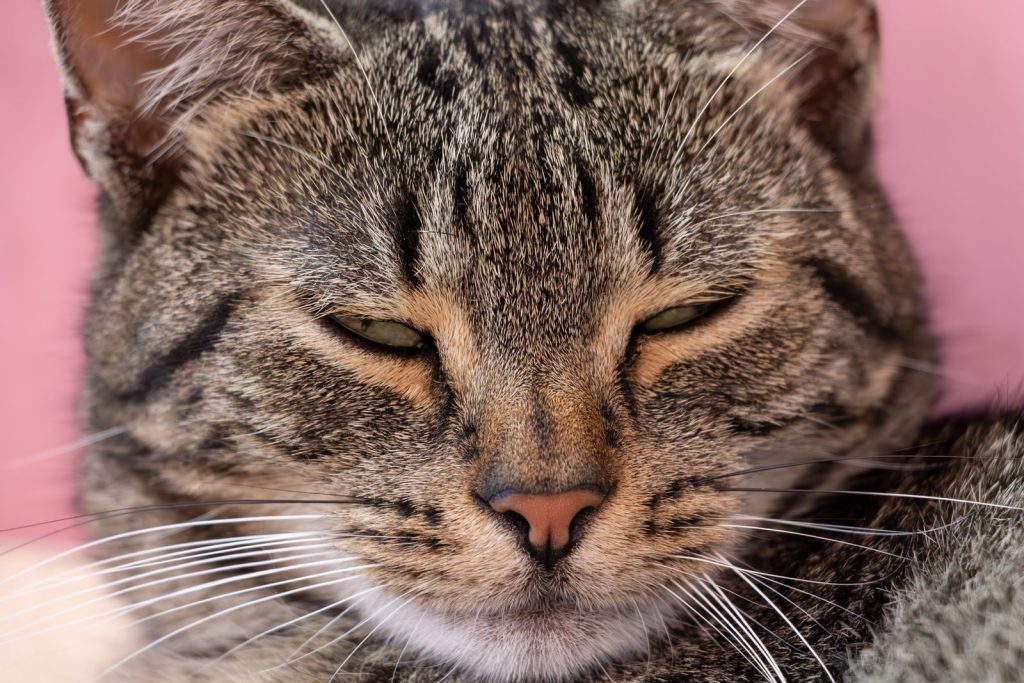
When a cat looks at you and slowly closes their eyes, they are offering one of the highest compliments in the feline world. Animal behaviorists call this gesture the slow blink or feline kiss. According to studies published in the journal Scientific Reports, cats slow blink at humans to signal complete trust and safety. Returning the slow blink helps reassure your pet that you are friendly and calm. Trust builds through eyes. This gentle visual exchange deepens the bond between cats and their human families. Ear movements offer another clear window into feline emotions.
Flattened Ears Show Fear
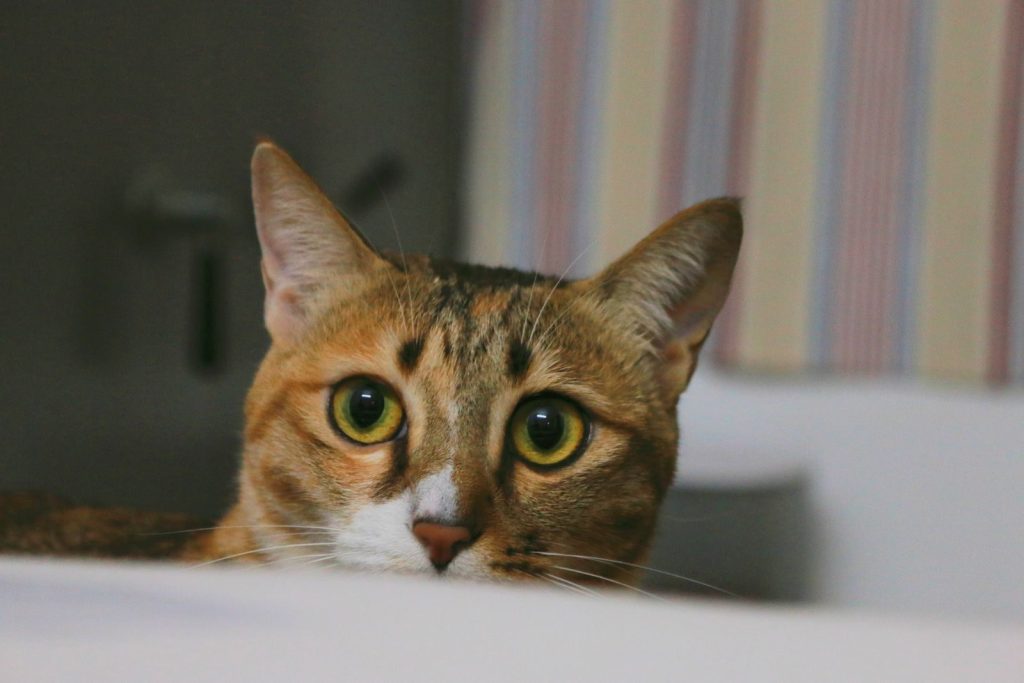
A cat’s ears contain over thirty muscles that allow them to swivel independently toward sound or convey emotion. When ears are facing forward, the cat is relaxed and curious about their surroundings. According to International Cat Care, ears flattened backward against the head indicate severe fear, anxiety, or defensive aggression. A frightened cat needs a quiet safe space where they can retreat until they feel secure again. Space calms anxious cats. Recognizing flattened ears prevents owners from forcing interactions when a cat feels threatened. Whisker positions also reveal subtle mood changes.
Forward Whiskers Show Curiosity
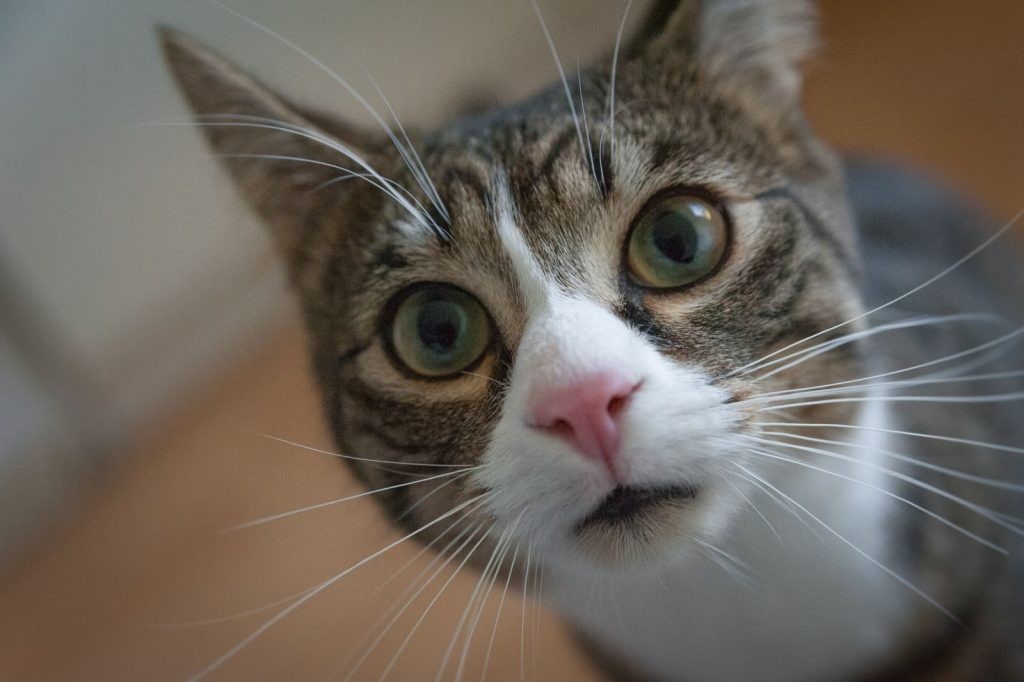
Whiskers are highly sensitive tactile organs that do far more than measure tight openings. Their position on a cat’s muzzle reveals how engaged the cat feels in the moment. According to the Cornell Feline Health Center, whiskers pushed slightly forward indicate that a cat is excited, curious, and ready to explore or play. Conversely, whiskers pulled tight against the cheeks suggest fear or defense. Whiskers guide daily perception. Observing whisker positions helps owners know when their cat is in a playful mood. Vocal signals like purring provide another layer of communication.
Purring Can Mean Pain
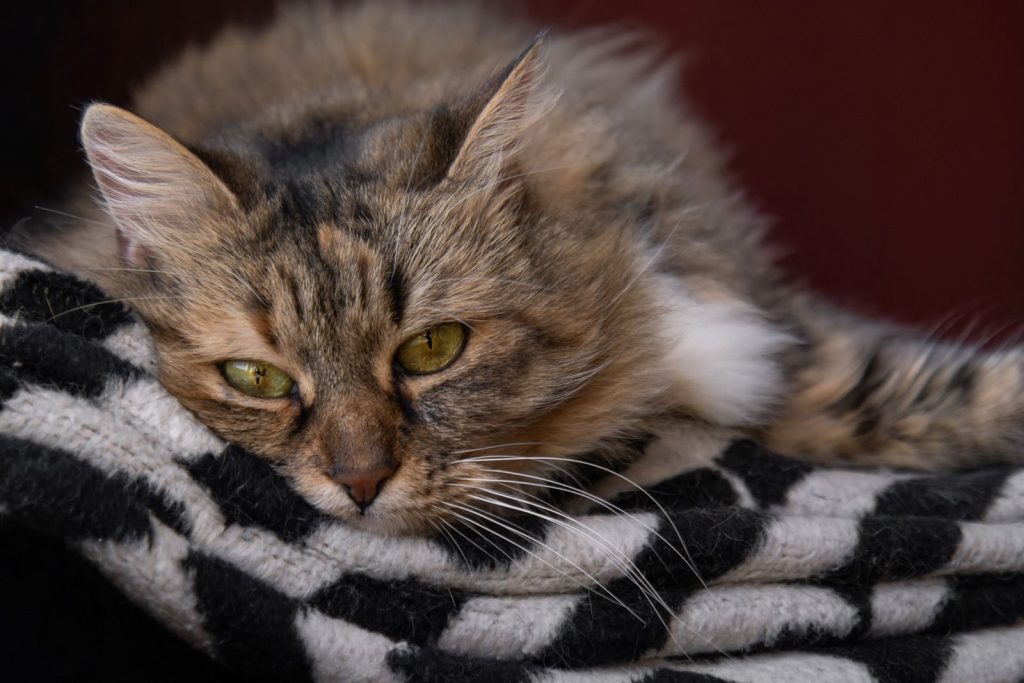
Most people assume purring strictly means a cat is happy and enjoying petting. While purring usually accompanies relaxation, cats also purr to soothe themselves when frightened, injured, or sick. According to the Journal of Feline Medicine and Surgery, low-frequency purr vibrations stimulate natural healing and release calming endorphins. Observing the cat’s overall posture helps distinguish happy purring from stress-induced purring. Purring heals internal distress. Checking for other physical signs ensures you offer comfort when your cat needs help. Spine posture offers another vital clues about mood.
Arched Backs Signal Moods
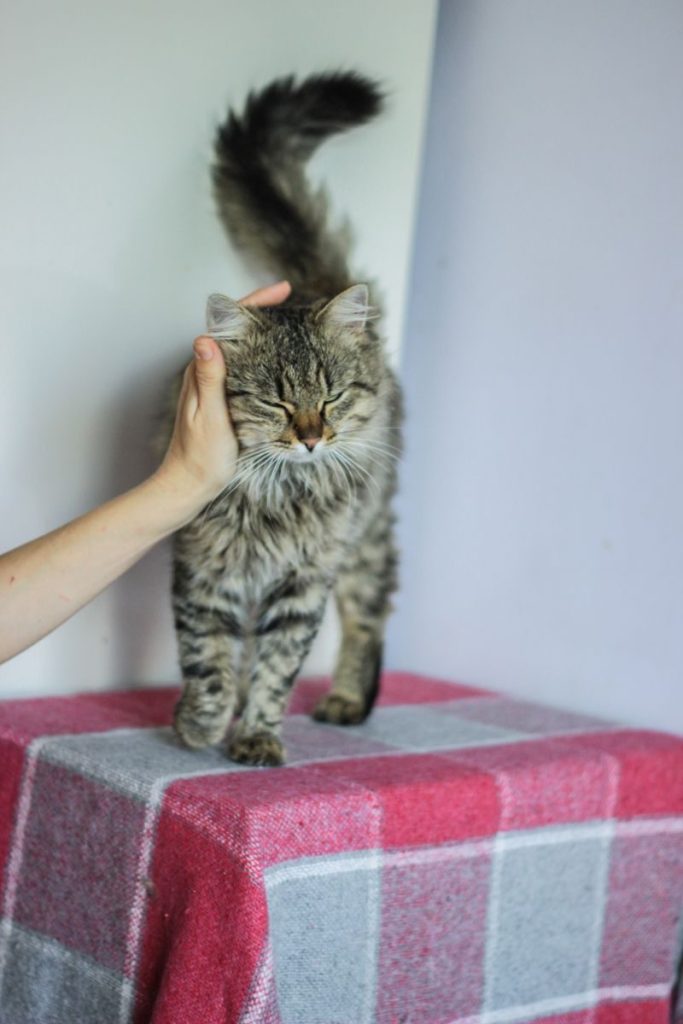
An arched back can mean two completely different things depending on the surrounding context and fur position. An arched spine paired with raised fur and a side-step walk signals intense defensive fear. According to the ASPCA, a smooth arched back accompanied by head rubbing usually means the cat wants gentle affection. Context clarifies physical movement. Watching body posture alongside ear and tail signals gives a full picture of what your cat feels. Scent marking habits provide even further insight into feline affection.
Head Bunting Shows Trust
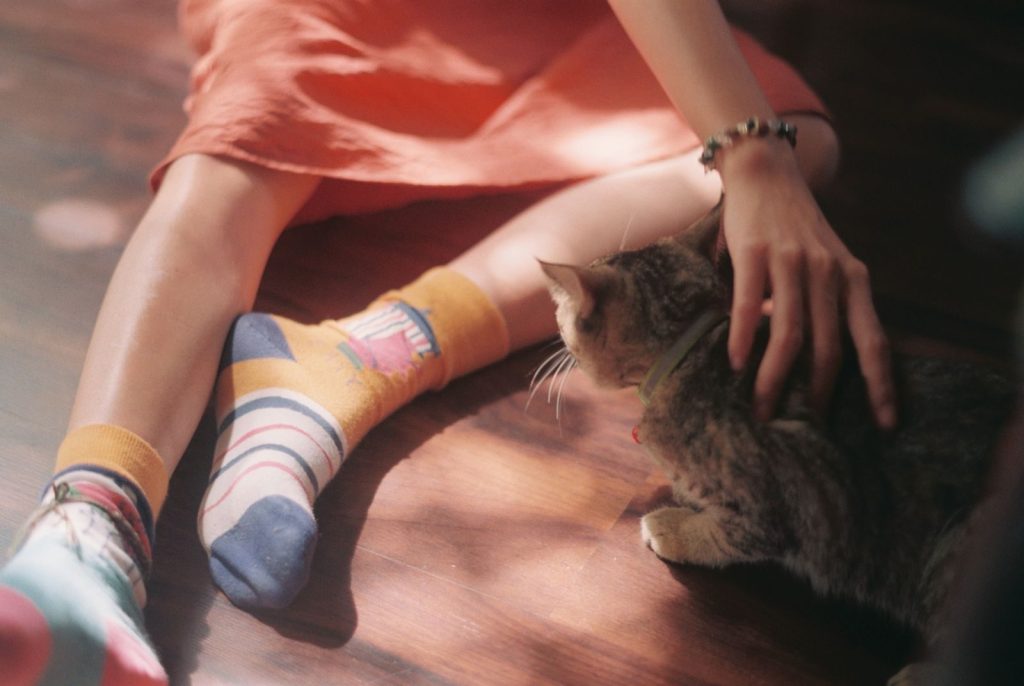
When a cat rubs their cheeks or forehead against your legs, they are engaging in head bunting. This endearing behavior deposits scent markings from facial glands onto you. According to feline behaviorists, head bunting marks humans as safe, familiar members of the cat’s social group. It creates a shared family scent profile that brings comfort to the cat. Scent marking builds safety. Accepting this sweet gesture reassures your pet that they belong in your home. Understanding these combined signals leads to better daily companionship.
Reading Signals Builds Trust
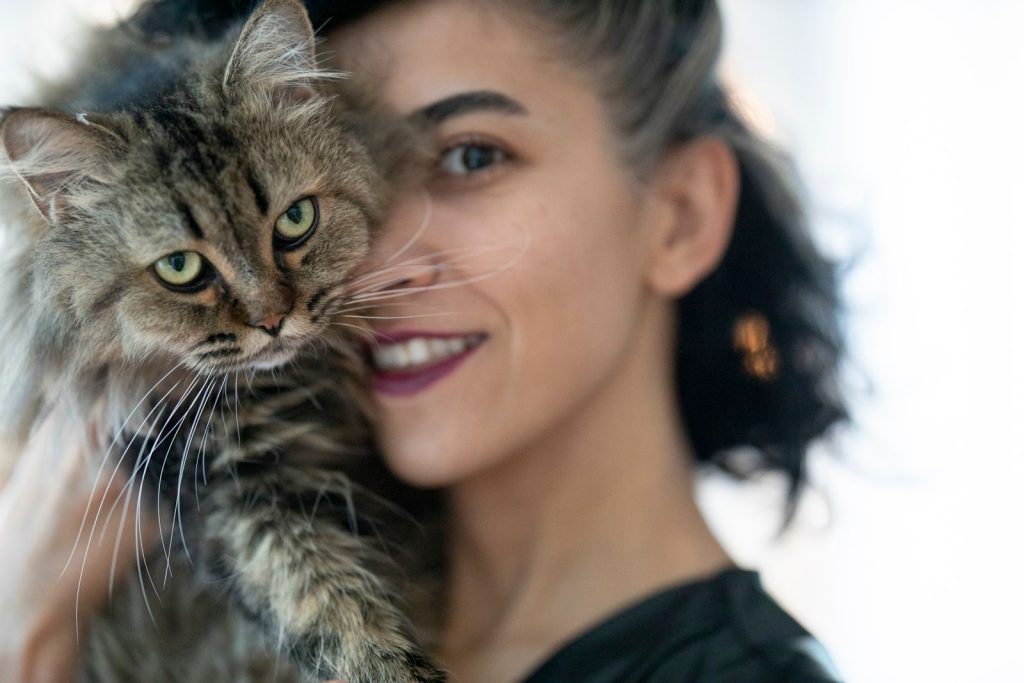
Learning to decode your cat’s body language builds deep trust, reduces household stress, and prevents behavioral misunderstandings. Paying attention to subtle eye, ear, and tail movements helps you respond accurately to your pet’s daily needs. Working with a professional cat behaviorist can resolve persistent communication challenges in your home. Loving observation turns everyday interactions into a lifelong bond. This article is for informational purposes only.