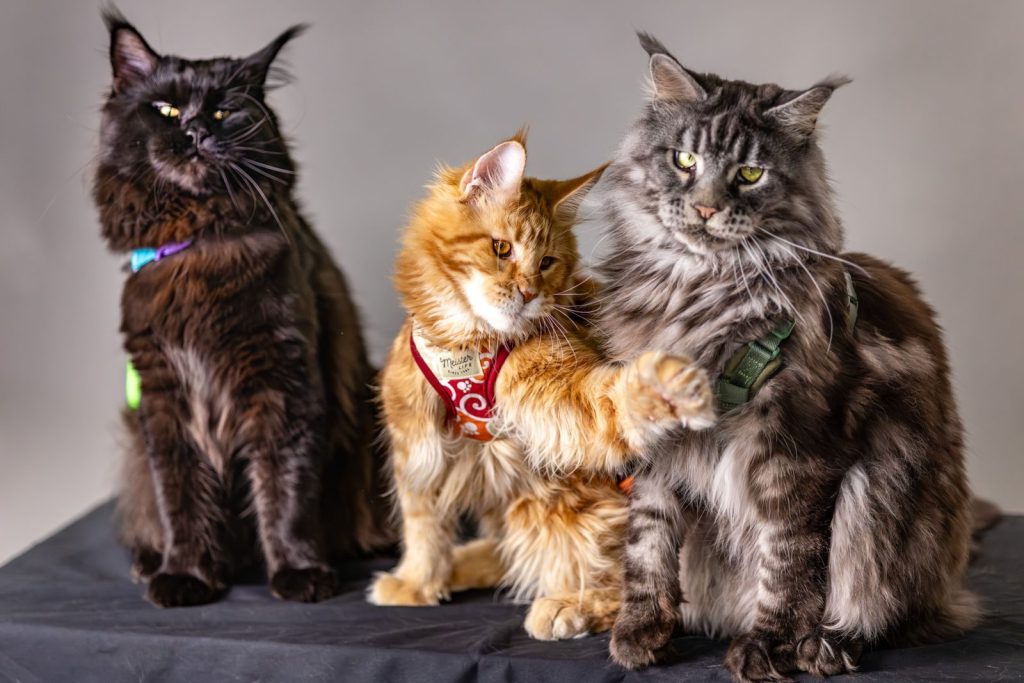

A ginger Maine Coon mother became the focus of a viral clip after a playful kitten repeatedly tried to pounce on her. The video, shared on TikTok and covered by PetHelpful in May 2026, shows the adult cat responding with gentle pushes and a more direct nudge when the kitten keeps coming back. Calling the moment a “scolding” is a human interpretation, but the visible behavior is clear: the mother changes her response as the kitten continues the interaction, creating a small but memorable lesson in feline communication.
The clip is entertaining because the mother’s movement is quick and easy to read, even without imagining exactly what either cat is thinking. It also points to a larger part of kitten development. Young cats learn through repeated experiences with their mother, littermates, people, sounds, and everyday surroundings. Cats Protection identifies roughly two to seven weeks as a particularly sensitive socialization period and recommends that kittens remain with their mother until at least eight weeks old when possible. Early experiences can influence how confidently kittens handle later life.
The Kitten Keeps Pouncing

In the viral clip, the kitten repeatedly approaches and pounces toward the adult Maine Coon during play. PetHelpful’s report describes the mother initially allowing the interaction before using her body to push the kitten away. That sequence matters because it shows a normal social exchange rather than a dramatic fight. Young kittens often test movement, coordination, and social responses through play. A brief video cannot tell viewers everything about the relationship, but the visible back-and-forth provides a simple example of how kittens receive immediate feedback from another cat during an energetic interaction.
The Mother Changes Her Response

The most noticeable moment comes when the mother becomes more direct after the kitten continues. PetHelpful describes her as gently pushing the kitten away and later using a stronger nudge to signal that the interaction should stop. It is tempting to translate that into human language such as “enough,” but the safer reading is behavioral: the adult cat altered her response when the kitten did not disengage. Cats communicate with posture, movement, facial expression, vocal sounds, and physical contact, so changes in intensity can carry useful information during social encounters.
Early Weeks Shape Social Learning
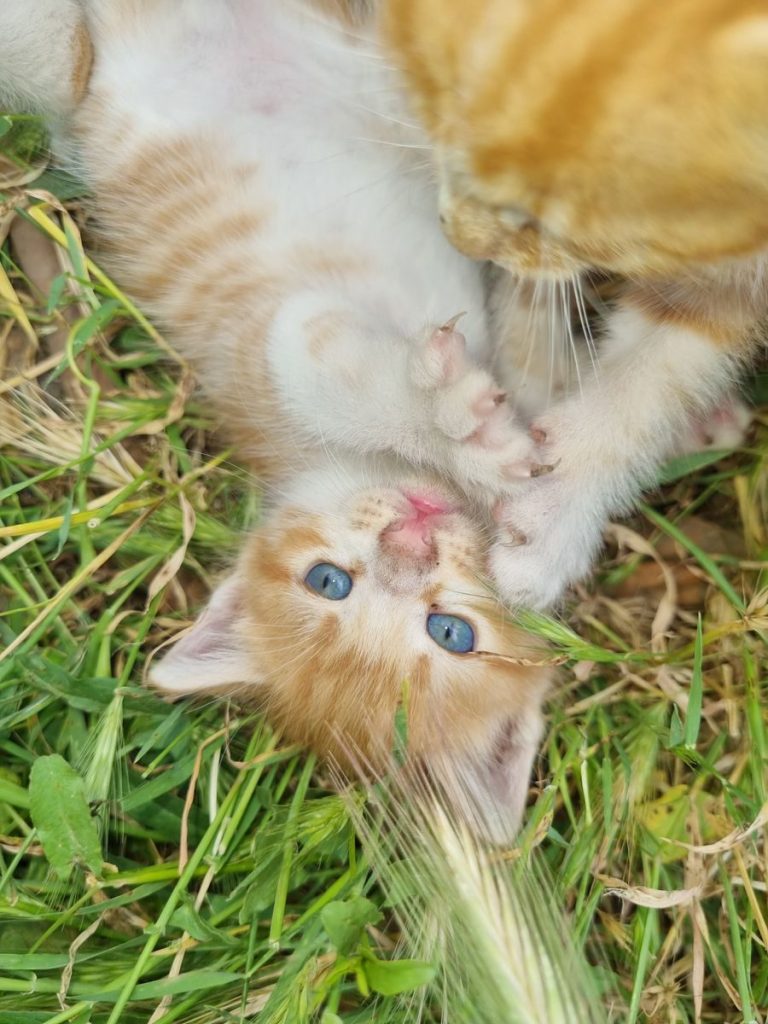
Kittens develop rapidly during their first weeks of life. Cats Protection describes the main socialization period as roughly two to seven weeks, when a kitten’s brain and sensory systems are still developing and experiences can affect how new people, sounds, objects, and situations are interpreted. Positive, controlled experiences can help kittens learn that ordinary parts of domestic life are not threatening. This does not mean every kitten develops identically, but it explains why responsible early care involves more than feeding. Safe exposure and responsive handling are important parts of preparing a kitten for a home.
Mother Cats Are Important Teachers

A kitten’s mother provides more than milk and warmth. Kittens observe her behavior and interact with her throughout a stage when they are rapidly learning about their surroundings. Cats Protection recommends avoiding separation before at least eight weeks when possible, partly because kittens still benefit from time with their mother and littermates. The viral Maine Coon clip fits neatly into that broader picture: the mother’s response gives the kitten real-time social feedback. It would be too strong to claim one nudge teaches a permanent lesson, but repeated interactions can contribute to normal development.
Littermates Add More Practice

Brothers and sisters also give kittens repeated opportunities to practice social behavior. Play between kittens can involve chasing, pouncing, wrestling, grabbing, and quick pauses when one participant has had enough. Those exchanges help young cats experience different reactions and adjust their behavior over time. International Cat Care notes that early upbringing and social experiences can contribute to differences in how kittens respond as they mature. That is another reason early development should not be reduced to a single milestone. Kittens are learning continuously from the animals, people, and environments around them.
Socialization Should Stay Gentle

More exposure is not always better if a kitten is overwhelmed. Cats Protection advises starting slowly and responding when a kitten shows signs of distress rather than forcing prolonged handling or unfamiliar experiences. The goal is to create positive, manageable encounters, not to flood a young cat with stimulation. That principle also applies when introducing household sounds, different people, grooming, carriers, or other animals. A confident kitten may progress quickly, while another may need much more time. Watching the individual kitten’s behavior is more useful than following an inflexible schedule.
Eight Weeks Is an Important Minimum
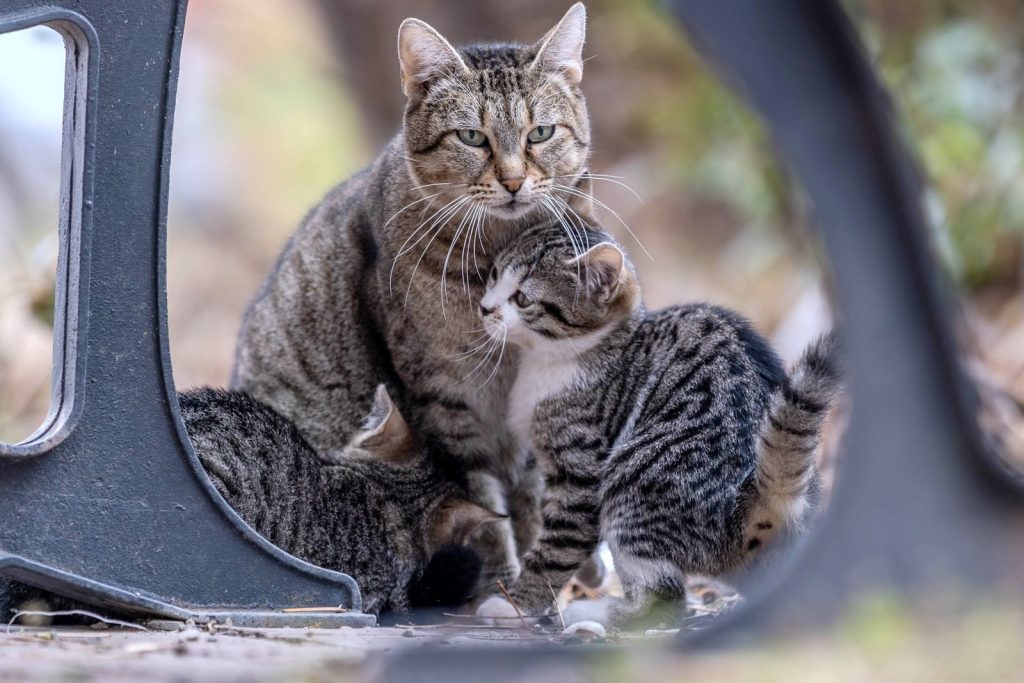
The caption discussed in PetHelpful argued that the kittens in the video benefited from staying with their mother beyond eight weeks. Cats Protection’s general guidance says kittens should not be separated from their mother until at least eight weeks old when possible, and some circumstances may call for later rehoming. The exact timing can depend on health, development, welfare, and professional advice. What the viral clip usefully illustrates is why age recommendations are not only about nursing. Kittens continue gaining experience from family interactions as they become increasingly independent.
One Clip Shows a Bigger Lesson
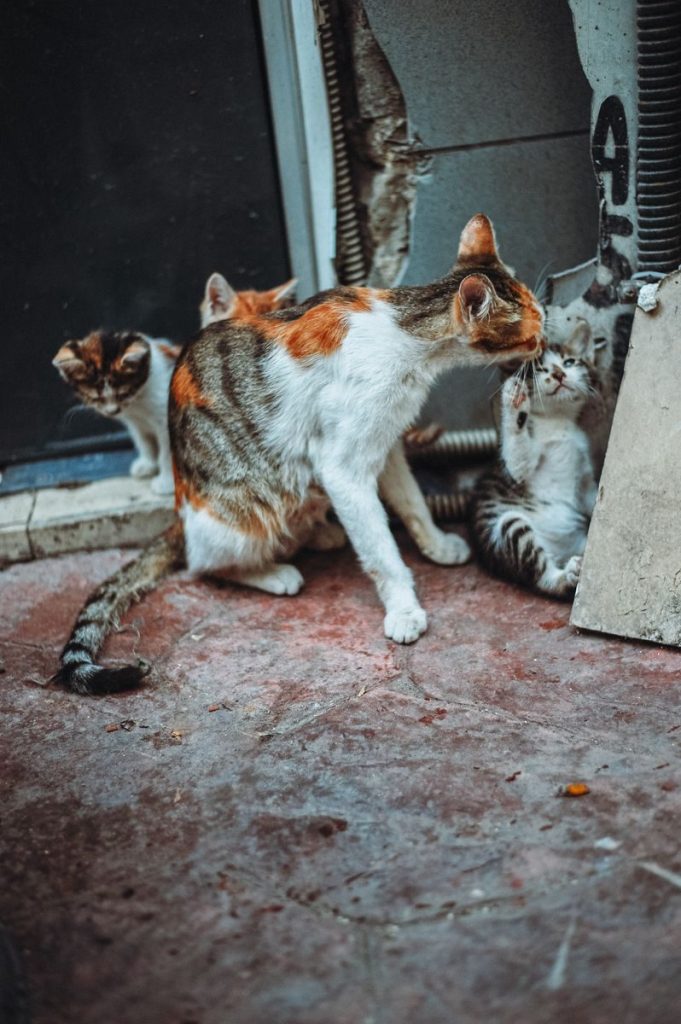
The charm of the video comes from a tiny physical moment, but its strongest takeaway is broader than the joke about a mother “scolding” her baby. The clip shows a kitten initiating play, an adult responding, and the interaction changing when the kitten persists. That is a useful reminder that feline communication often happens through small movements that people can easily miss. Rather than assigning human motives, viewers can appreciate the exchange as part of normal cat behavior. For kitten caregivers, the practical message is to protect early social development and allow age-appropriate learning.