

A tiny black Maine Coon kitten named Pikachu made a dramatic first impression when he met Teddy, the resident dog, in a video shared by Wild Mane Maine Coons. Parade Pets reported on the clip in August 2026, noting that Pikachu responded to the much larger dog with a hiss, visible teeth, and a puffed-up body and tail. Those signals may look comically bold coming from such a small kitten, but they should not be treated as proof of bravado. They are also familiar signs that a cat is uncertain, aroused, or trying to create distance.
First meetings between cats and dogs can be successful, but they should not depend on forcing the animals to “work it out.” Veterinary behavior guidance favors slow, controlled introductions that give each pet space and an easy way to retreat. VCA recommends using barriers such as a tall gate, allowing the kitten to approach at its own pace, and keeping early encounters positive. Pikachu and Teddy’s clip is funny because of their size difference, yet it also offers a useful reminder: a kitten’s defensive display is information, not a challenge that needs to be pushed further.
Pikachu Meets Teddy
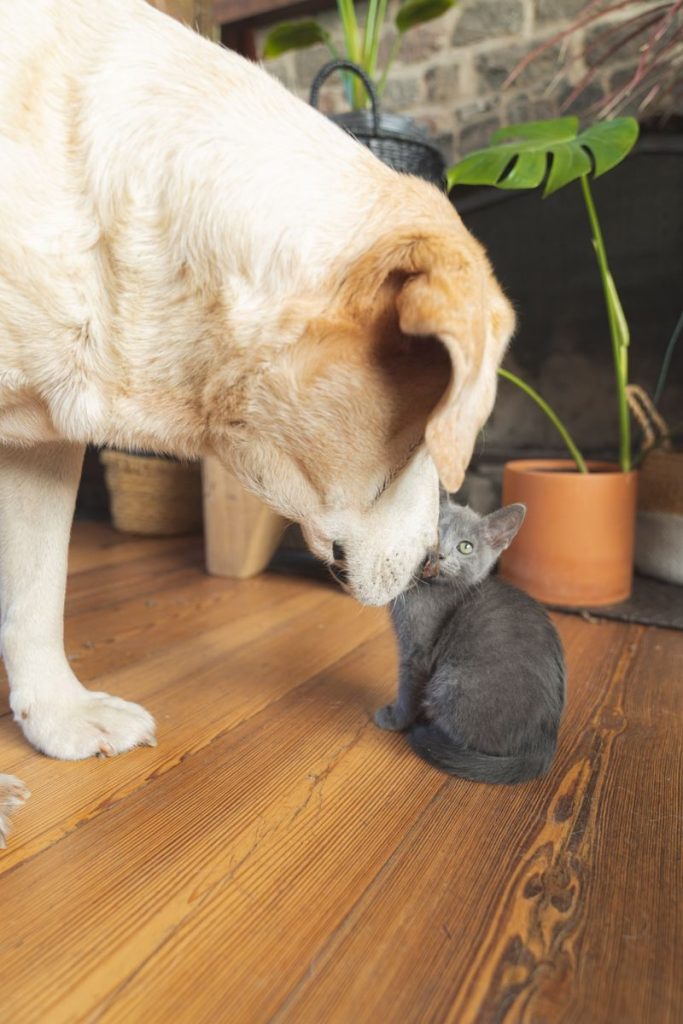
The video begins with Pikachu encountering Teddy, a dog who is much larger than the young Maine Coon. Parade Pets identifies both animals by name and describes the meeting as the kitten’s first encounter with the household dog. Size alone can make an introduction feel intense for a small cat, especially when the other animal is unfamiliar. Viewers may see a cute contrast between a fluffy kitten and a calm-looking dog, but the important detail is that Pikachu is processing a new social situation. A first meeting should always be judged from both animals’ behavior, not appearance.
The Kitten Uses Defensive Signals
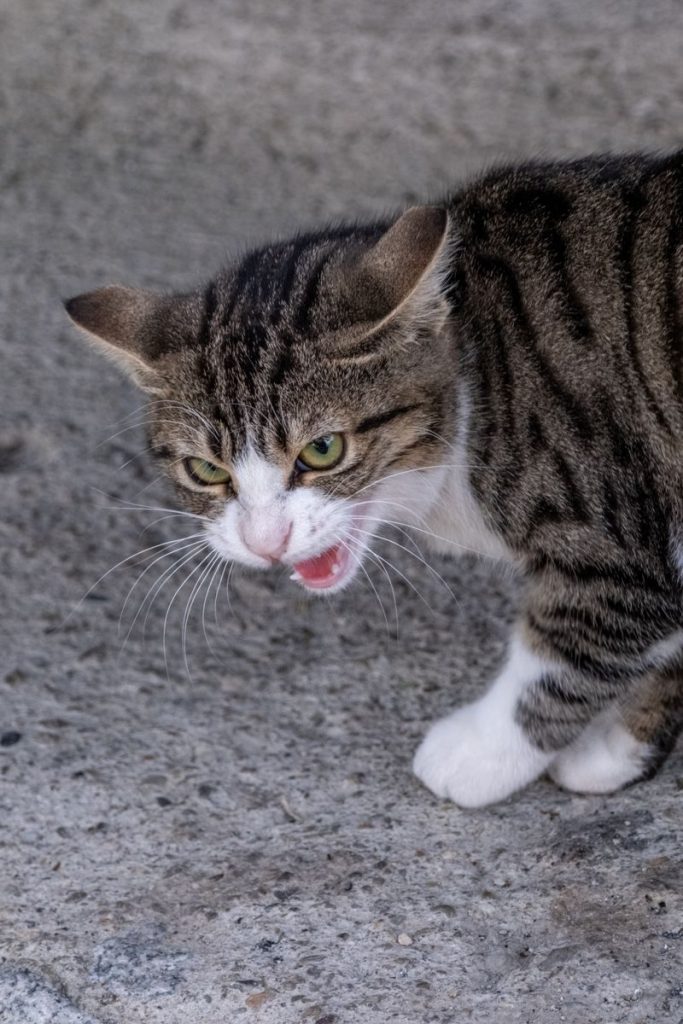
Pikachu’s reaction is easy to spot. Parade Pets reports that he hisses, shows his teeth, and puffs up his body and tail. In cats, those behaviors can occur when they feel threatened, startled, or unsure and want more space. They should not automatically be labeled aggression in the sense of a cat seeking a fight. Defensive displays often function as warnings that can prevent closer contact. When a kitten shows them during an introduction, people should reduce pressure, increase distance, and allow the animal time to settle rather than moving the pets closer for a better video.
Teddy Stays Part of the Picture

The dog’s role matters just as much as the kitten’s. Parade Pets describes Teddy as the household dog and presents him as relatively calm during Pikachu’s defensive display. Even so, a calm-looking moment does not guarantee that every future interaction will stay calm. Dogs vary widely in excitement, chase behavior, experience with cats, and response to sudden movement. Before introductions, VCA advises making sure the dog has a history of calm experiences with kittens when possible. Supervision remains important until both animals consistently show relaxed, predictable behavior around each other.
Barriers Make First Meetings Safer
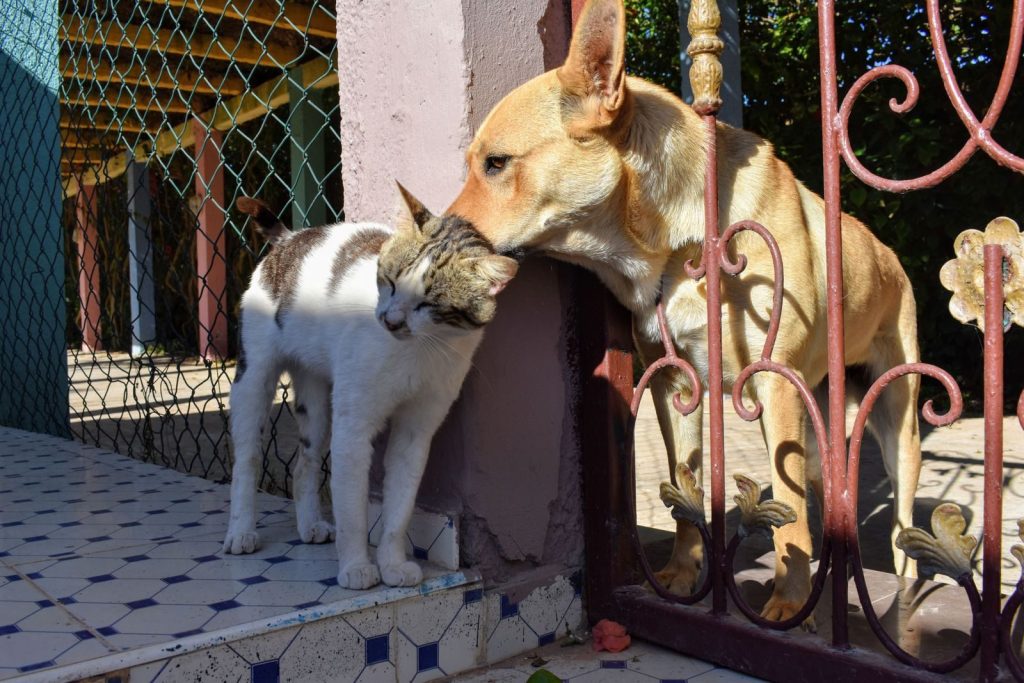
A physical barrier can lower the pressure of an introduction. VCA recommends options such as a tall gate so a kitten can see and smell a dog without being forced into direct contact. The kitten should be able to approach or move away voluntarily, while the dog remains controlled. This setup also gives caregivers a clearer view of each animal’s response before allowing closer interaction. A barrier is not a punishment or a sign that the pets will never get along. It is simply a tool for creating distance while they learn that the other animal can exist nearby safely.
Give the Cat an Escape Route
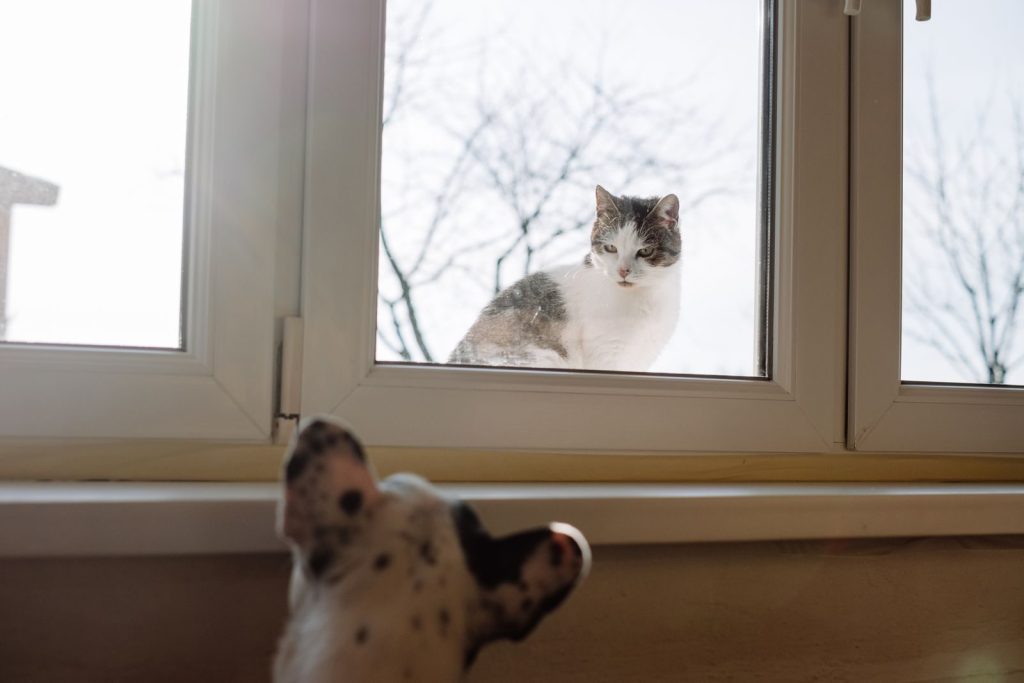
Cats need places where they can retreat without being followed. VCA recommends preparing dedicated spaces with essentials, while Parade Pets also notes the value of a permanent cat-only retreat such as a high cat tree or separate room. Vertical space is especially useful because it lets a cat observe from a distance. Food, water, resting areas, toys, and litter facilities should remain accessible without requiring the cat to pass close to the dog. When a cat knows escape is possible, an introduction is less likely to feel like an unavoidable confrontation.
Keep Early Sessions Short
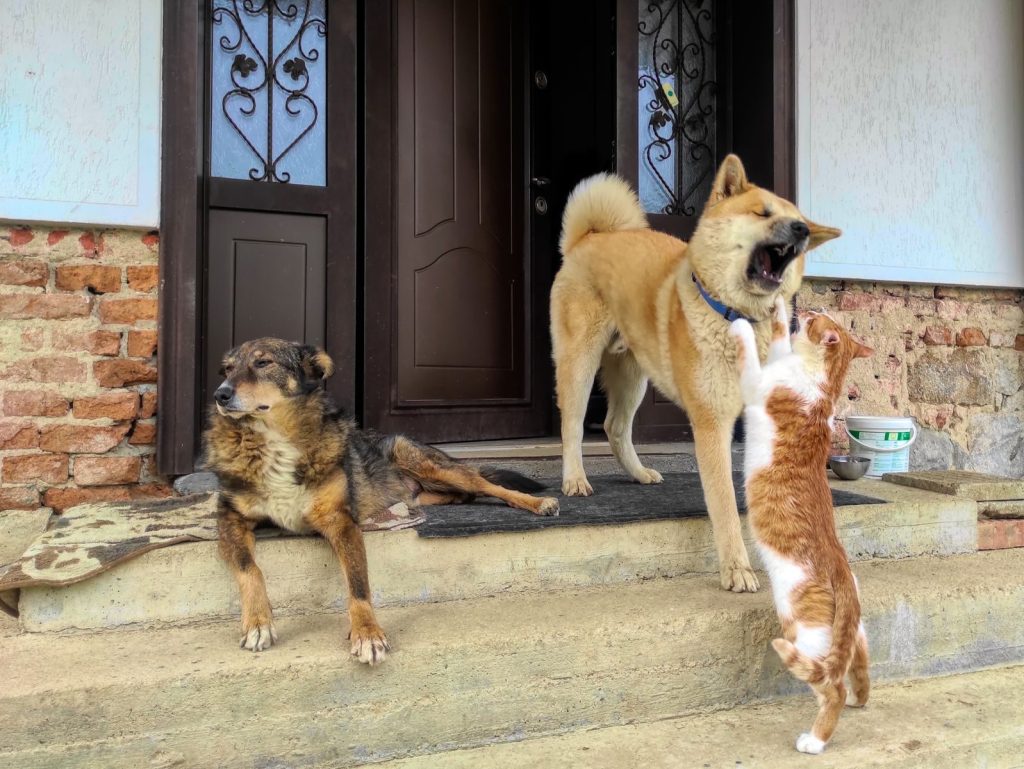
A successful introduction does not need to happen in one session. Short encounters make it easier to stop while both animals are still manageable and before excitement or fear escalates. VCA advises taking breaks and using treats or play to help a kitten remain relaxed around a new animal. If the kitten hides, tries to escape, refuses treats, or cannot engage normally, the exposure may be too intense. Returning to greater distance is not failure. It is a practical way to keep the experience within a level the kitten can handle and learn from.
Reward Calm Behavior

Positive reinforcement can help both pets build better associations with each other. Calm dog behavior around the cat can be rewarded, while a kitten can receive treats, play, or other valued experiences when it remains comfortable at a safe distance. The goal is not to distract an animal from overwhelming fear but to pair manageable exposure with something pleasant. If either pet is too tense to eat or play, the session should become easier. Progress may mean simply looking at the other animal without reacting before any attempt is made at closer contact.
Do Not Force Friendship
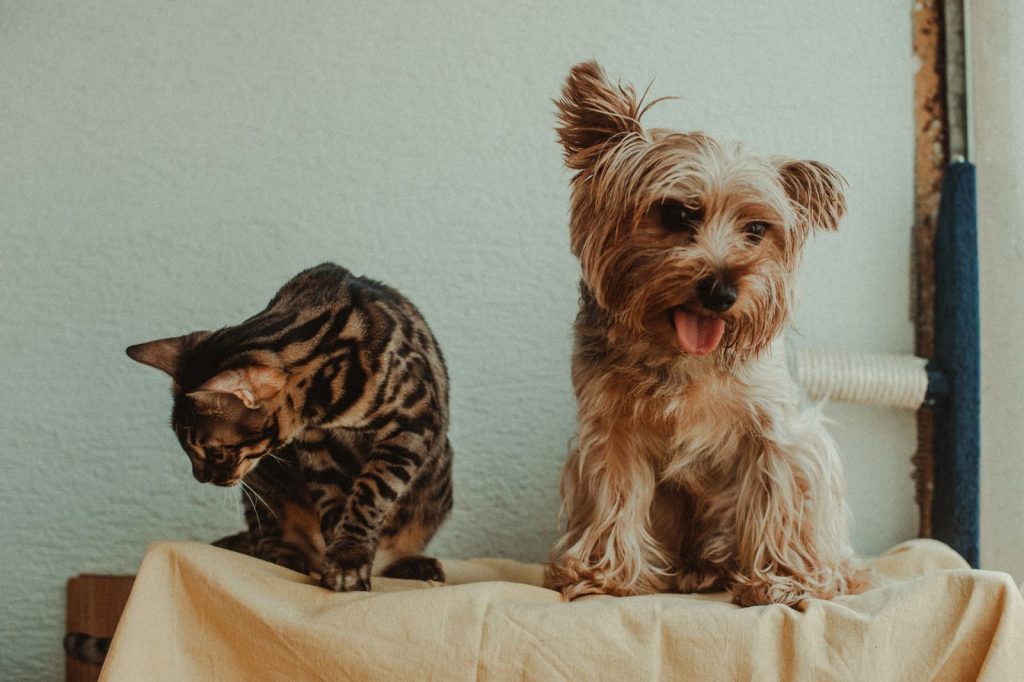
Not every cat and dog will become close companions, and that should not be the measure of success. Peaceful coexistence can be enough. Some pairs eventually sleep together or play, while others prefer separate spaces and limited interaction. What matters is that neither animal is repeatedly frightened, chased, cornered, or prevented from accessing essential resources. Pikachu’s first reaction to Teddy does not predict their entire future relationship. A single meeting captures one moment. Patient introductions, careful supervision, and respect for each animal’s comfort provide far better information about whether the household can become stable.
Fear Signals Deserve Respect
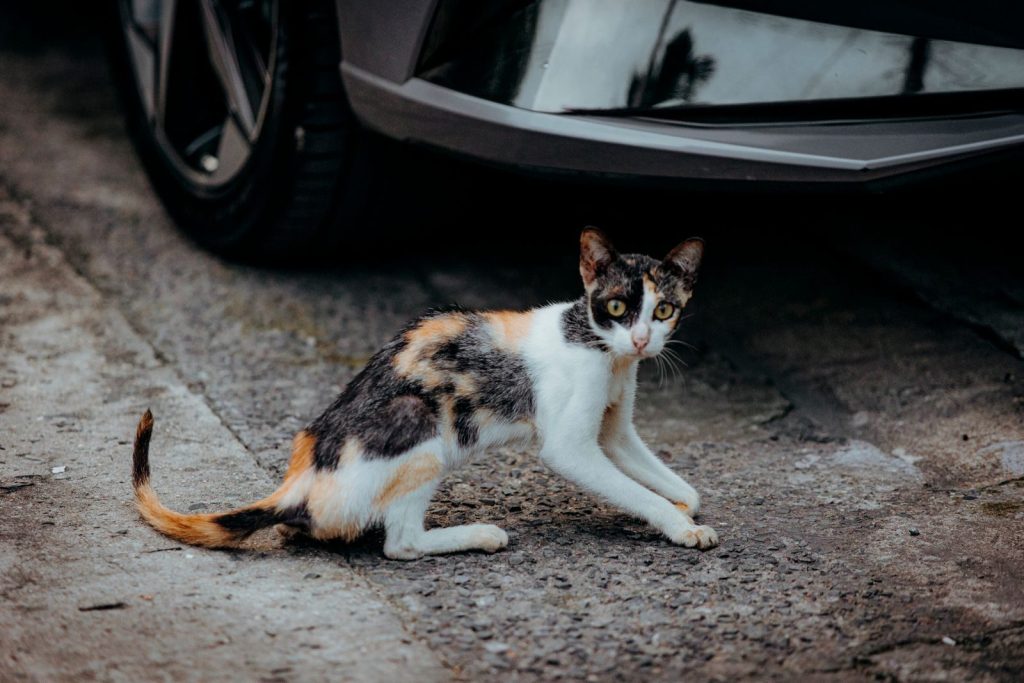
The funniest part of Pikachu’s clip may be how enormous his defensive display looks on such a tiny body, but the behavior itself deserves a serious reading. Hissing, puffing up, retreating, freezing, and refusing to engage can all tell caregivers that a cat needs more distance. VCA specifically warns against continuing socialization when a kitten is clearly frightened. A good introduction allows the animal to recover and try again under easier conditions. Respecting those signals reduces conflict and gives both cat and dog a better chance to build familiarity without unnecessary stress.
Featured Image: Photo by Alessandro Simonetto on Pexels