Cats have a remarkable talent for turning ordinary household objects into seats, beds, and hiding spots. A 2026 Bored Panda collection gathered 53 examples of cats settling into unexpected places, continuing the familiar “if it fits, I sits” joke that cat owners know well. The humor comes from the contrast: a perfectly good sofa may be nearby, yet the cat chooses the cardboard box, laundry basket, sink, or some other awkward-looking space instead. Behind the funny photos, several well-known feline preferences help explain the pattern.
Unusual sitting choices are not automatically signs that something is wrong. Cats Protection notes that cats may choose strange spots because they offer warmth, comfort, familiar smells, safety, attention, or simple novelty. Research on shelter cats also suggests that access to hiding boxes can reduce signs of stress, showing that enclosed spaces can have genuine welfare value. Of course, context matters. A cat repeatedly sitting somewhere unsafe, or suddenly choosing the litter box, may need closer attention rather than another photo for the family group chat.
Boxes Feel Protected
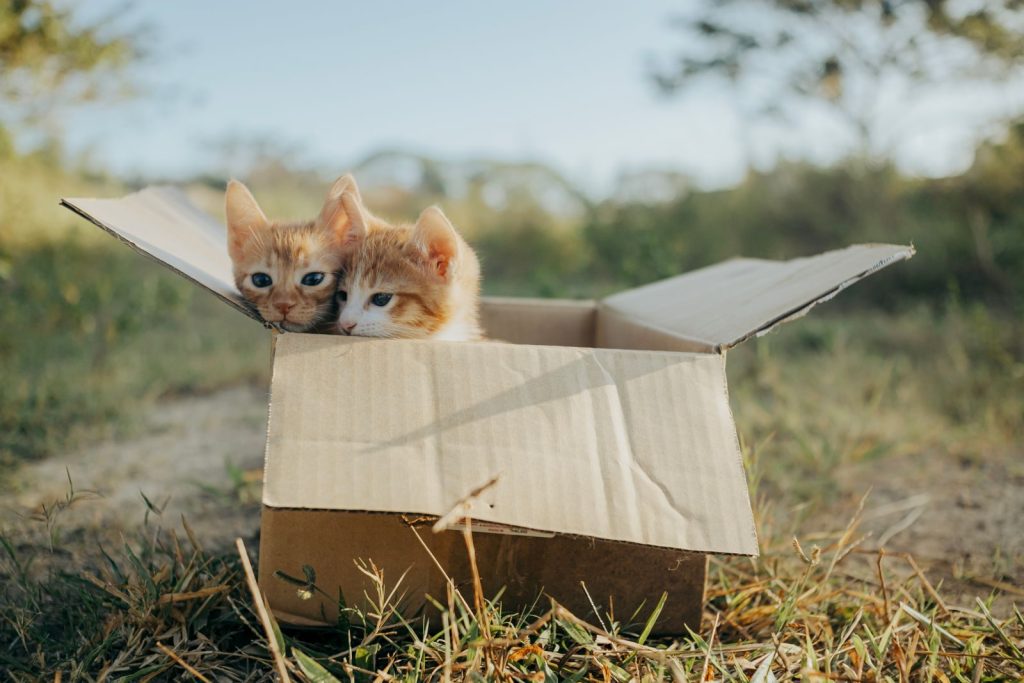
Cardboard boxes are one of the easiest places to understand. Cats are both predators and potential prey, so having walls around the body can provide a sense of cover while still allowing them to watch what is happening nearby. Cats Protection specifically lists cardboard boxes among useful hiding places. Research in shelter environments has also found that hiding boxes can help some cats adjust and show fewer stress-related behaviors. That does not mean every box-loving cat is anxious; many simply appear to enjoy a snug, predictable place to rest.
Warm Spots Are Attractive

Temperature can influence where a cat decides to settle. Cats Protection notes that cats commonly seek warm places such as sunny areas, laps, recently occupied seats, radiators, and electrical devices. That can make a cramped container surprisingly appealing if it holds body heat or sits in a warm part of the room. A basket beside a window may therefore beat a large bed in a cooler corner. Owners should still check that chosen spots are safe, especially around appliances, heaters, dryers, or other areas where warmth can become dangerous.
Soft Laundry Smells Familiar

Laundry piles and baskets combine several things cats often appreciate. Soft fabrics can provide a comfortable resting surface, while clothing may carry a familiar human scent. Cats Protection explains that scent plays an important role in feline communication and that cats may be drawn to objects that smell like trusted people. This helps explain why a cat may ignore a new pet bed and settle directly on a worn sweater instead. It can look like deliberate mischief, but the simpler explanation may be comfort, softness, and a smell already associated with home.
New Objects Invite Inspection

A newly delivered box, shopping bag, suitcase, or piece of furniture often becomes interesting before it has even been put away. Cats are naturally curious about changes in their environment, and Cats Protection notes that unfamiliar objects may prompt investigation. If the item seems harmless, a cat may sit on or inside it and leave its scent there. That turns a random household arrival into a temporary feline station. The behavior is usually harmless, but bags with handles, fragile containers, and unstable objects should be supervised or removed if they could trap or injure a cat.
Small Spaces Can Feel Comfortable
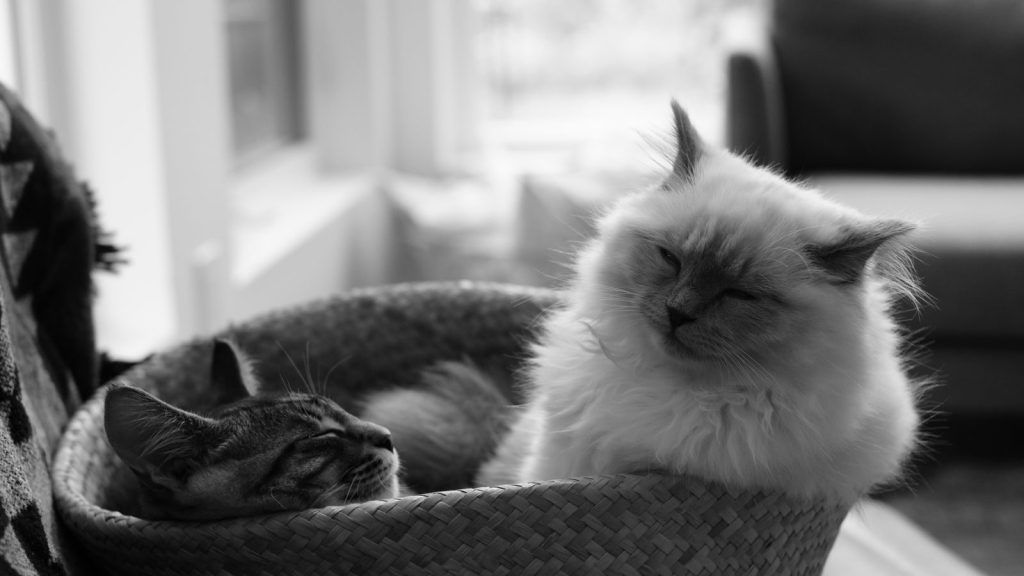
To people, a tight container may look uncomfortable, but a cat’s idea of a good resting place can be very different. A snug space can support the body, reduce exposure on several sides, and create a compact place to curl up. This is one reason boxes, baskets, bowls, and similar shapes repeatedly appear in funny cat photos. Comfort is individual, though. Owners do not need to force a cat into enclosed spaces; offering several choices is better. A cat that prefers an open bed should be allowed to make that choice too.
Height Can Add Security
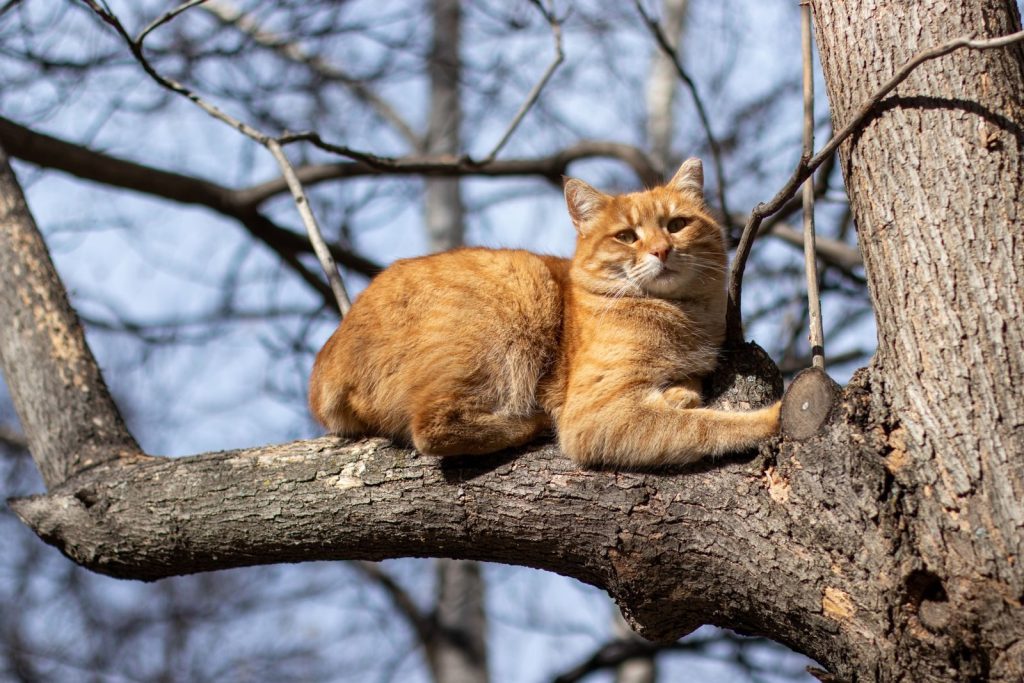
Not every strange seat is enclosed. Some cats choose shelves, sinks, furniture, or other raised locations because elevation gives them a clearer view of the room. Cats Protection notes that cats often feel safer off the ground, where they can monitor their surroundings. A high perch can therefore serve a different purpose from a box while meeting a similar need for security and control. Safe cat trees, shelves designed for pets, and sturdy window perches can provide this option without encouraging cats to balance on unstable cupboards or unsafe household objects.
Attention May Be Part of It

Sometimes the chosen spot is suspiciously close to whatever a person is using. Cats may sit on laptops, notebooks, newspapers, or chairs because those locations put them directly in the middle of human activity. Cats Protection suggests that some cats choose these positions because they increase the chance of attention. That does not prove a cat is consciously plotting to interrupt work, but it explains why the behavior is so easy to interpret that way. If the cat wants interaction, a short play session or nearby bed may offer a better alternative.
Some Sitting Changes Need Attention
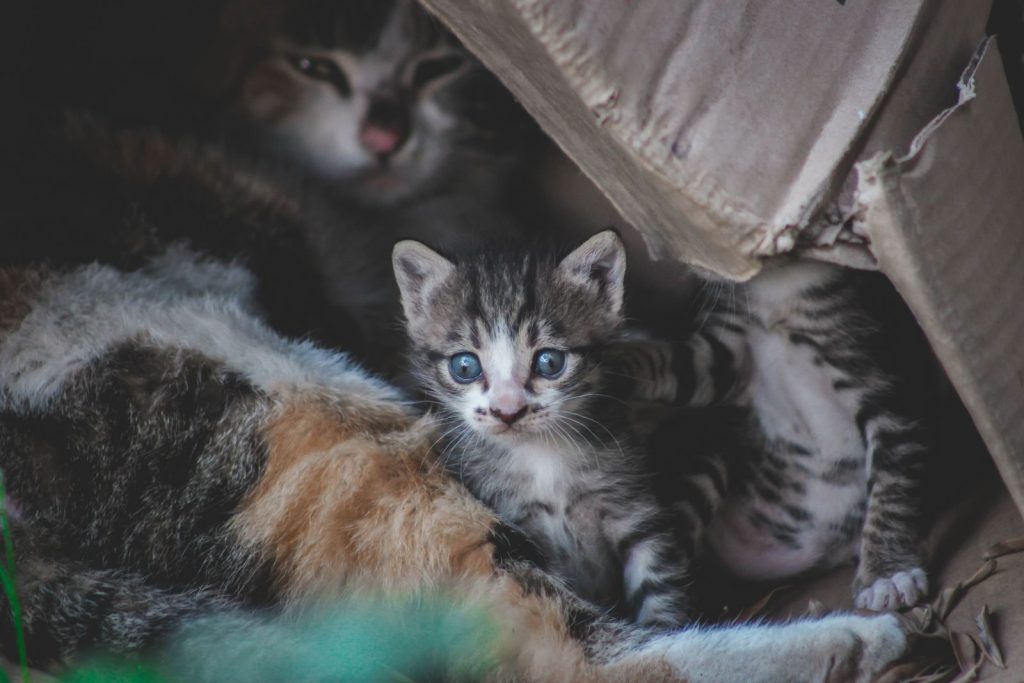
Most odd perches are simply part of normal feline behavior, but a sudden change can occasionally matter. Cats Protection advises owners to pay attention when a cat begins sitting or sleeping in the litter box, because toileting problems, pain, mobility difficulties, guarding behavior, or age-related changes can be possible explanations. The same principle applies elsewhere: behavior should be judged in context. If a cat seems distressed, cannot move comfortably, stops eating, strains to urinate, or shows another concerning change, a veterinarian is more useful than assuming the new habit is just another funny pose.
Featured Image: Photo by Nothing Ahead on Pexels