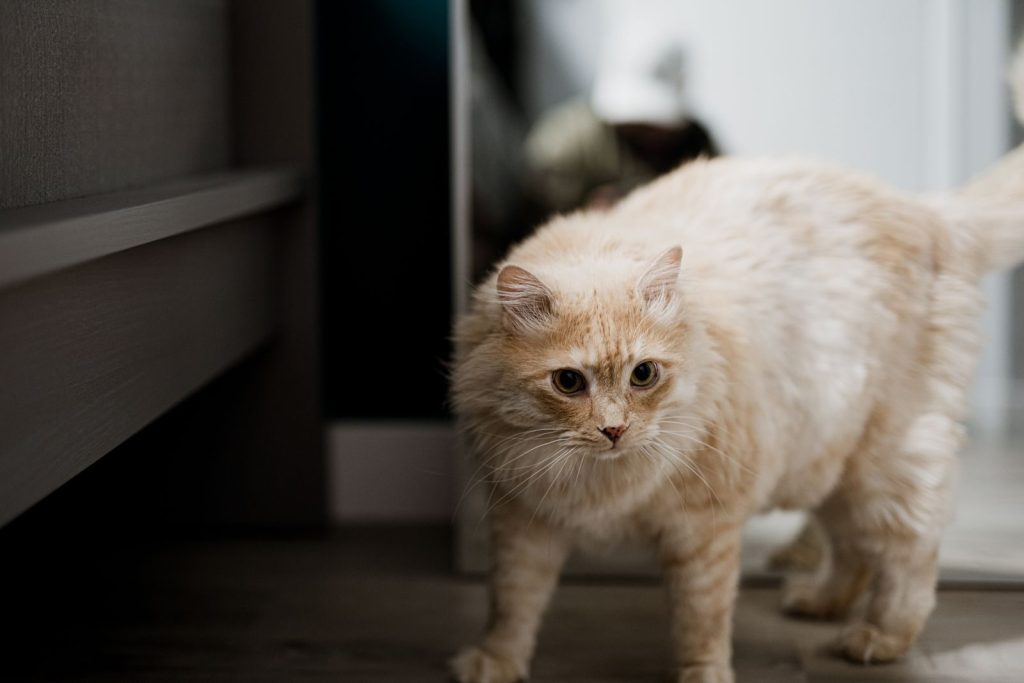

Keeping a cat indoors is not automatically cruel, but an indoor life still has to meet the animal’s behavioral and physical needs. A 2026 study surveyed 87 owners in Australia and New Zealand who had transitioned cats from free-roaming outdoor access to indoor-only living. Most owners ultimately viewed the change positively, and more than two-thirds said it was easier than they had expected. The results challenge the assumption that a cat accustomed to roaming can never adapt successfully to a well-designed indoor environment.
The study also showed that adjustment was not identical for every cat. More than 40 percent reportedly settled within days, about a quarter adjusted within weeks, and 12.6 percent had still not fully adjusted when owners completed the survey. Some cats became more vocal, scratched near doors or windows, or sought more attention during the transition. Successful indoor living therefore involves more than shutting a door. Cats need opportunities to climb, scratch, play, hide, rest, investigate, and interact in ways that make the contained environment worth using.
Most Owners Found It Easier
Researchers surveyed 87 owners who had moved previously free-roaming cats to indoor-only living. More than two-thirds reported that the transition was easier than they had expected, despite many worrying beforehand about their cat’s happiness.
The finding is useful because owner anxiety can become a barrier to containment. It does not prove every cat will adjust effortlessly, and the study relied on owner reports rather than a controlled experiment. Still, the results show that difficult transitions are not inevitable and that many households can successfully change an established outdoor routine.
Many Cats Adjusted Within Days
More than 40 percent of cats in the survey were reported to have adjusted to indoor-only life within days. Another 25 percent were said to have settled within weeks, showing that adaptation was relatively quick for many animals.
Younger cats generally adjusted faster than older cats, but age was not a guarantee of success or difficulty. Individual history, personality, home setup, and previous outdoor access can all matter. Owners should watch their own cat rather than treating an average timeline as a deadline. Some cats simply need a more gradual transition.
Not Every Cat Adjusted Fully

The study also included cats that continued struggling. About 12.6 percent had not adjusted by the time their owners completed the survey, and reported difficulties included increased vocalizing, scratching around doors and windows, frustration, and escape-related behavior.
Those cases are important because indoor living should not mean ignoring persistent signs of poor welfare. Owners may need environmental changes, a slower transition, veterinary advice, or help from a qualified behavior professional. Containment can improve safety, but the indoor environment must still give the individual cat meaningful choices, stimulation, rest, and opportunities for normal behavior.
Safety Was the Biggest Motivation
More than three-quarters of surveyed owners said cat safety was a major reason for moving their pets indoors. Concerns included traffic, attacks by other animals, disease, parasites, poisoning, and previous injuries or health problems.
Those risks vary by location and lifestyle, so there is no single outdoor danger level that applies everywhere. Still, roaming removes much of the owner’s control over what a cat encounters. Indoor living, secure outdoor enclosures, and other contained options can reduce exposure to hazards while allowing caregivers to monitor feeding, elimination, injuries, and changes in health more closely.
Wildlife Was Another Concern

About one-third of owners in the study also mentioned predation on wildlife as a reason for moving their cats indoors. Free-roaming domestic cats can hunt birds, mammals, reptiles, and other small animals even when they are regularly fed at home.
The scale of that impact differs between countries and ecosystems, but containment greatly limits a pet cat’s opportunity to hunt native wildlife. Owners who want to provide outdoor stimulation without unrestricted roaming can consider secure catios or other enclosed spaces where appropriate. These options offer fresh air and sensory enrichment while keeping the cat physically contained.
Indoor Cats Need More Enrichment
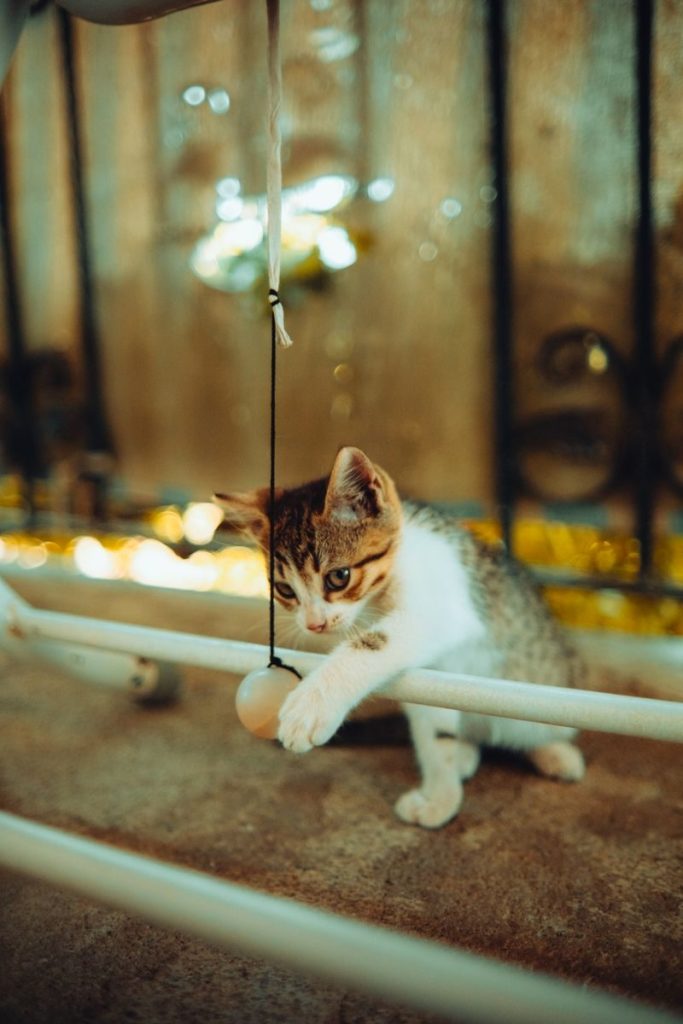
Researchers noted that owners worried about keeping indoor cats sufficiently stimulated, and some cats sought more attention or played more after the transition. That makes environmental enrichment an essential part of responsible containment.
Useful options include stable climbing structures, scratching posts, window views, hiding places, rotating toys, food puzzles, and interactive play. Resources should be spread through the home rather than concentrated in one small area, especially in multi-cat households. The goal is not to imitate every outdoor experience exactly, but to provide safe ways for cats to perform important behaviors and make choices.
Weight and Litter Need Attention
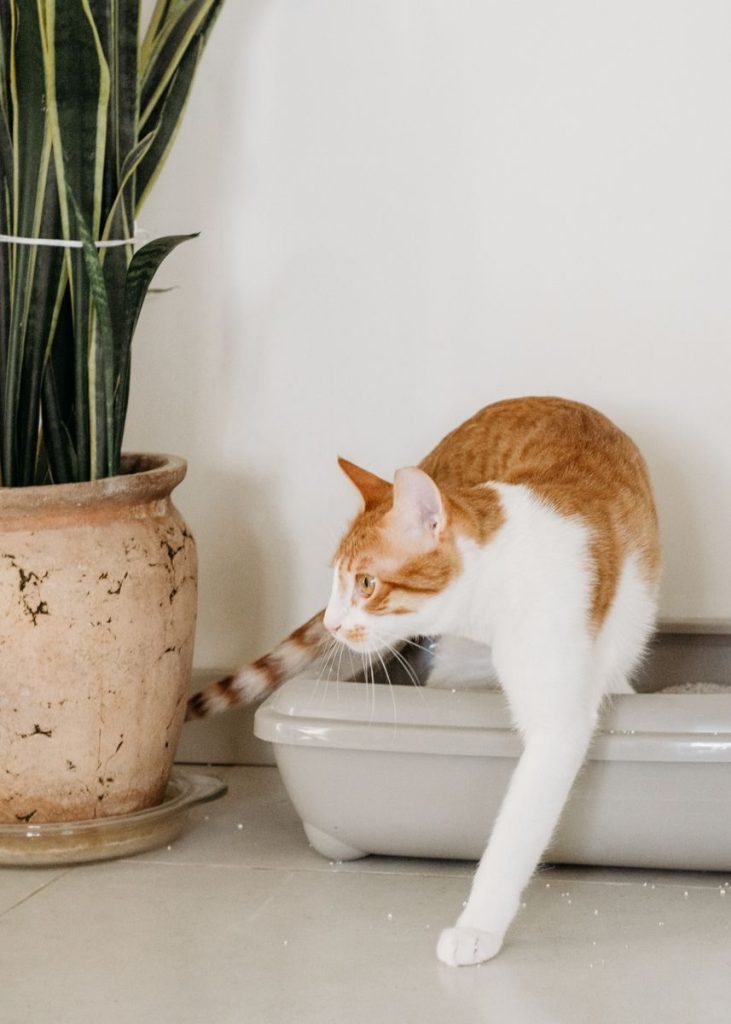
Moving indoors changes more than access to the front door. Owners in the study reported concerns about litter-box maintenance and weight gain, while some also faced higher costs for food, litter, enrichment, and household modifications.
Indoor cats still need daily activity and appropriate calorie intake. Regular play, climbing, and food-based enrichment can help support movement, while body condition should be monitored over time. Litter boxes need to be large enough, clean, accessible, and placed where cats can use them without feeling trapped. Sudden toileting changes also deserve veterinary attention.
Containment Should Fit the Individual

The strongest conclusion is not that every cat must follow one identical lifestyle. International Cat Care notes that indoor-only and outdoor-access decisions involve individual circumstances, while the 2026 research shows many former roaming cats can adapt successfully to containment.
A good plan considers local hazards, the cat’s history, age, health, temperament, household resources, and access to enrichment. For some cats, the adjustment happens quickly; for others, it needs time and support. Indoor living is humane when it protects safety while still providing enough opportunity for normal behavior, choice, exercise, social contact, and rest.
Featured Image: Photo by Alberta Studios on Pexels