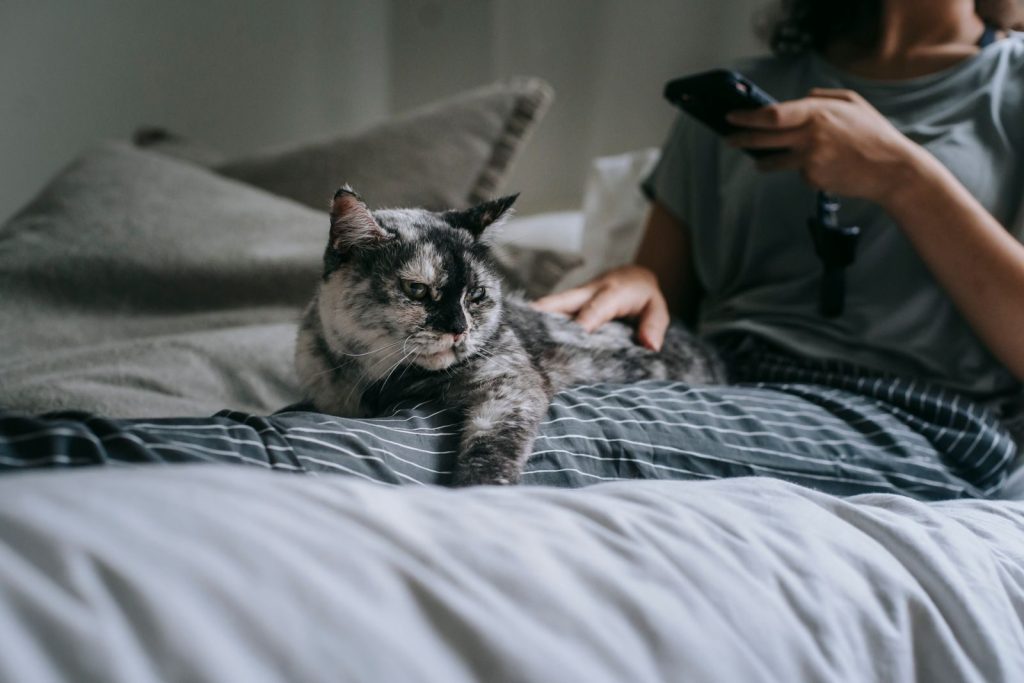

Calling someone a cat’s “owner” describes a legal or practical relationship, but it does not explain how the cat experiences that person socially. Research on feline attachment suggests that many cats form bonds with human caregivers that resemble secure-base relationships seen in dogs and young children. That does not mean cats literally believe humans are their mothers, fathers, or oversized cats. A more accurate conclusion is that familiar people can become important sources of security, social contact, resources, and predictable support within a cat’s environment.
A 2019 Oregon State University study found secure attachment patterns in many kittens and adult cats tested with their caregivers. More recent work has also shown that cats distinguish familiar human odor from unfamiliar human odor, adding another clue about how they recognize important people. Cats can respond to voices, routines, touch, scent, and individual interactions rather than thinking in human categories such as “owner.” The relationship is therefore better understood through observable attachment and recognition than through claims that science has discovered one secret label cats use for us.
Cats Can Form Attachment Bonds
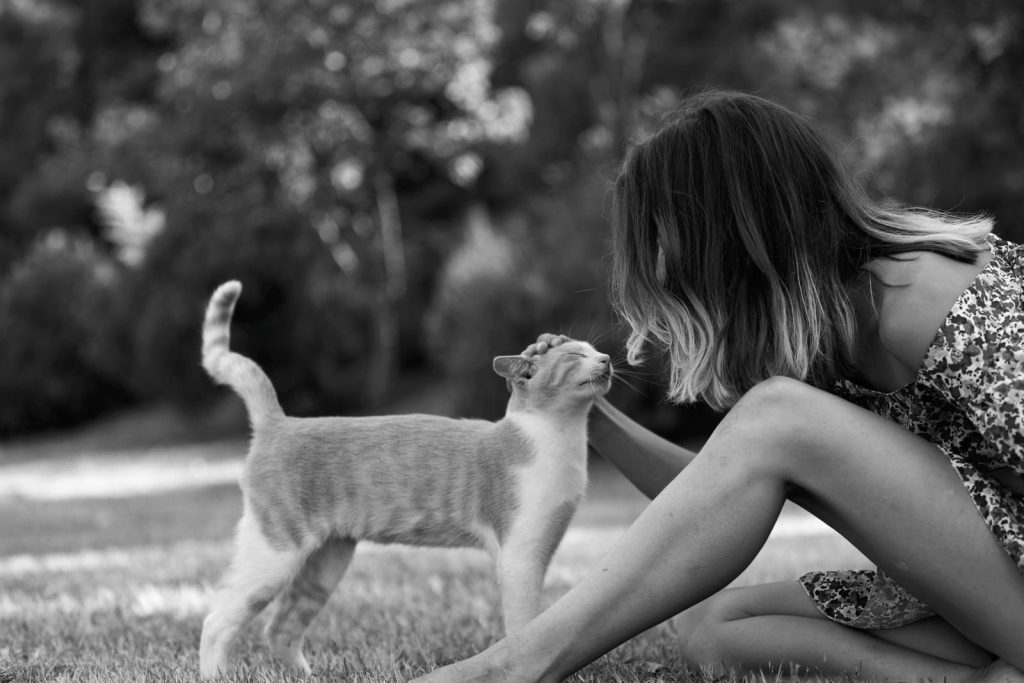
Researchers have tested cats using a secure-base procedure adapted from attachment studies in children and dogs. The cat spends time with a caregiver, experiences a brief separation, and is then observed when that familiar person returns.
The 2019 study found both secure and insecure attachment patterns in kittens and adult cats. Securely attached cats tended to show reduced stress after reunion and resumed exploring while maintaining contact with the caregiver. Those results support the idea that, for many cats, a familiar human is more than simply the person who fills the food bowl.
Many Kittens Showed Secure Attachment
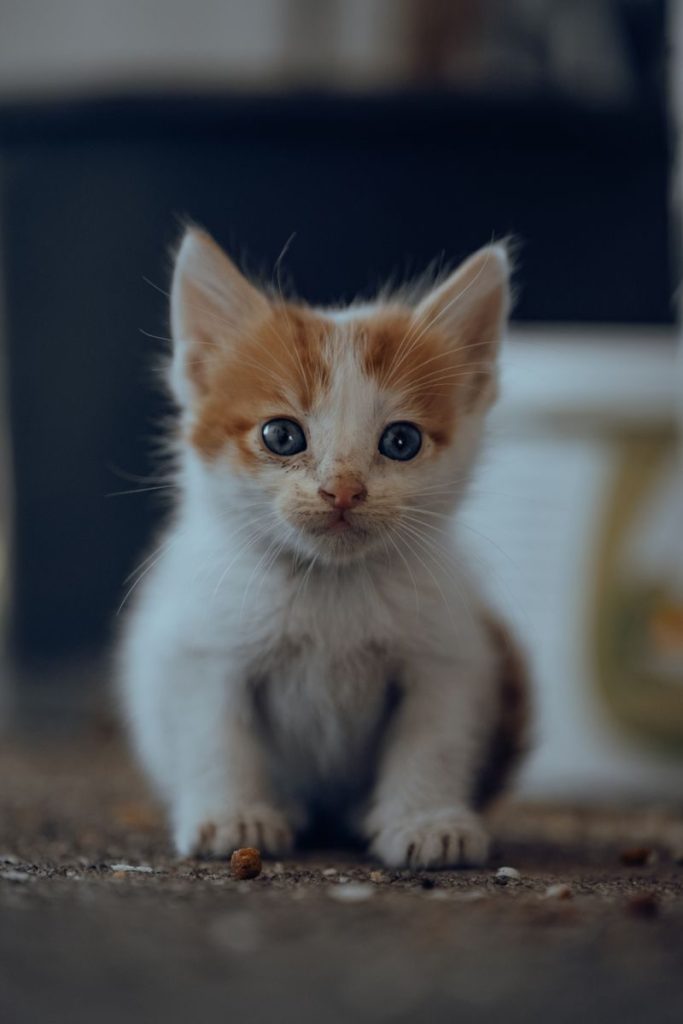
In the Oregon State study, roughly two-thirds of the kittens were classified as securely attached to their caregiver. Follow-up testing suggested that those attachment styles were relatively stable rather than disappearing immediately with age.
A secure classification does not mean a cat must constantly cuddle, follow someone everywhere, or panic whenever that person leaves. In attachment research, security is about using a familiar individual as a source of comfort while still being able to explore. A confident cat that spends time independently can therefore still have a meaningful social bond with a caregiver.
Cats Recognize Familiar Human Odor
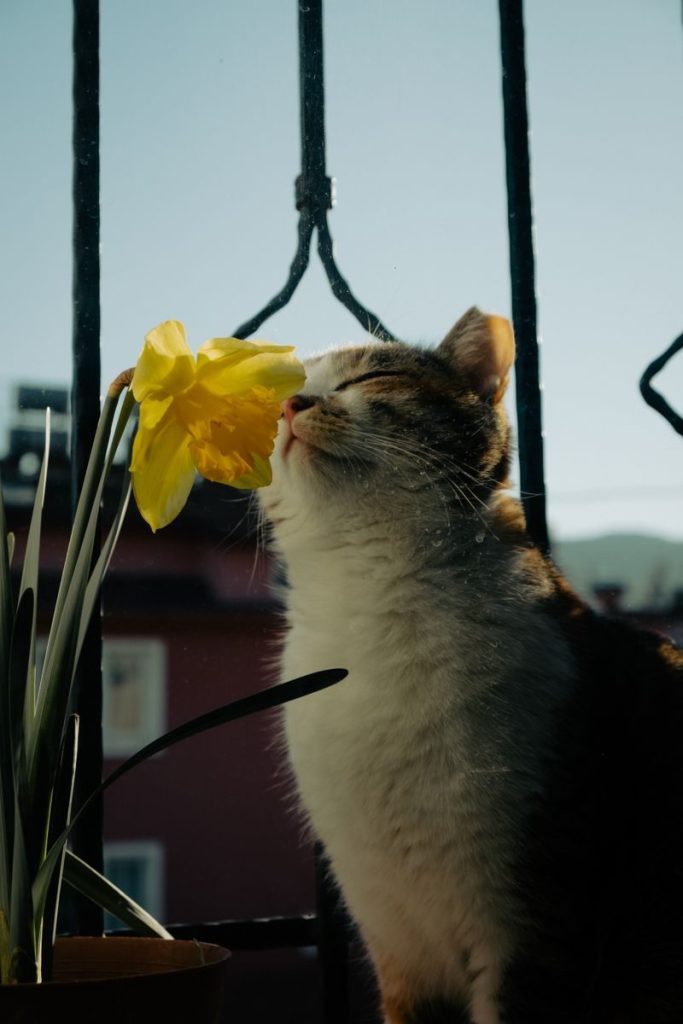
A 2025 PLOS One study tested how domestic cats responded to odor samples from their owners, unfamiliar people, and a blank control. The cats spent longer investigating unfamiliar human odor than their owner’s odor.
The researchers interpreted that difference as evidence that cats can use smell to distinguish known from unknown humans. It does not prove that scent is the only recognition cue, but it shows that a familiar person has a detectable sensory identity to the cat. Voice, appearance, routines, location, and previous interaction can provide additional information in everyday life.
A Familiar Voice Also Matters
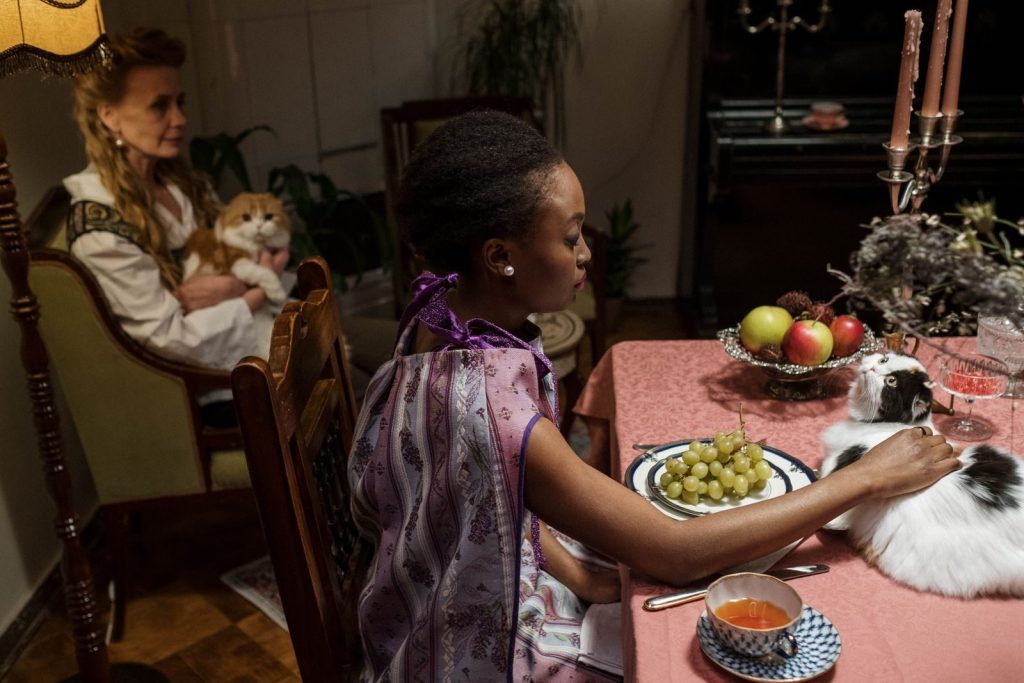
Earlier behavioral research found that domestic cats can distinguish their owner’s voice from unfamiliar voices even when the speaker is not visible. Many cats responded through ear or head movements rather than dramatic approaches.
That subtle response is a useful reminder that recognition does not always look enthusiastic. A cat may know exactly who is speaking without running across the room. Feline social responses are often smaller than the behaviors people expect from dogs. Looking at ears, head orientation, posture, proximity, and repeated choices can reveal recognition that would be easy to miss.
You Are Not Simply a Food Machine
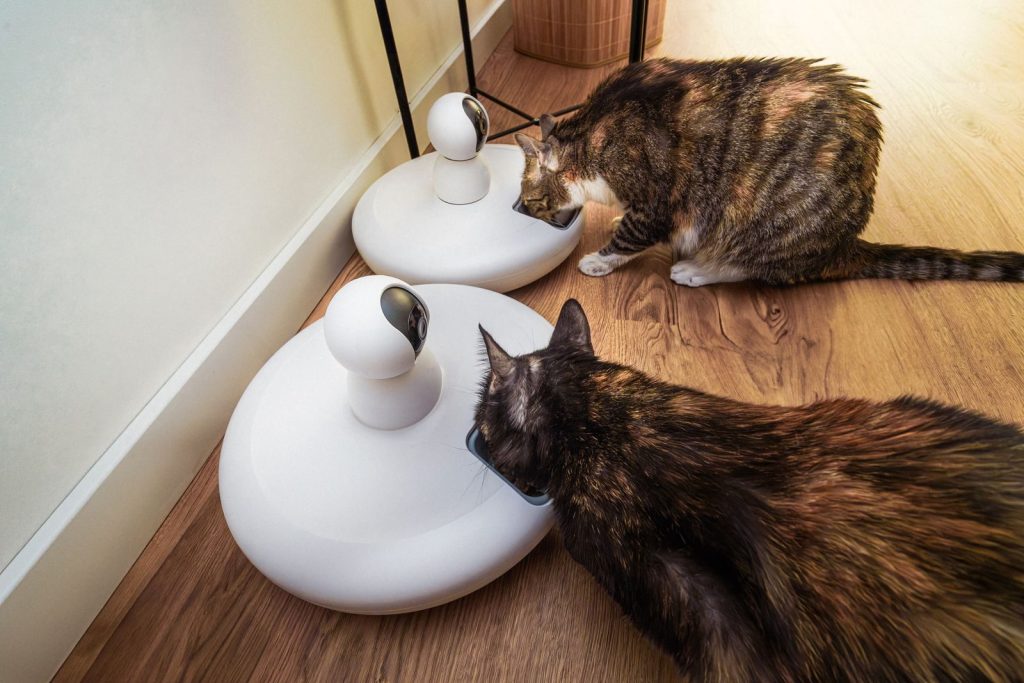
Food strongly shapes a cat’s daily routine, but the attachment findings cannot be reduced to feeding alone. In the secure-base test, researchers were examining how cats responded to separation and reunion with a familiar person, not merely whether they expected a meal.
Cats also seek play, warmth, touch, access to safe spaces, and predictable interaction from people. Individual preferences differ greatly, so one cat may sit on a lap while another prefers staying nearby. The important relationship is built through repeated experiences of safety and predictability, not through one universal display of affection.
Cats Do Not Need Human Labels
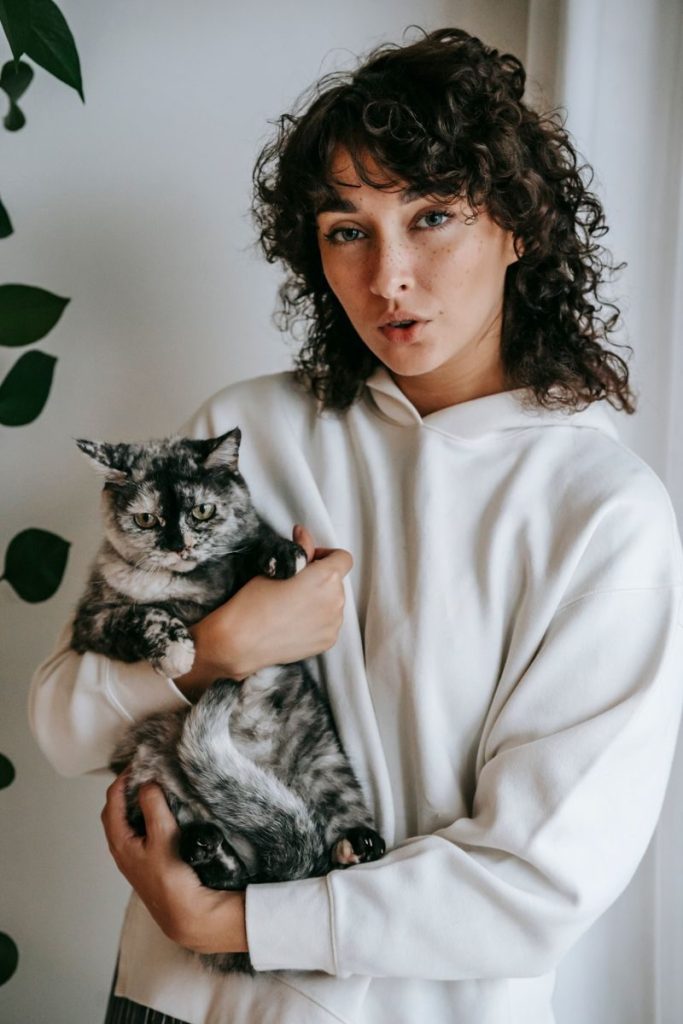
It is tempting to ask whether a cat sees a person as a parent, roommate, servant, friend, or another cat. Current evidence does not show that cats mentally assign one of those human social labels to their caregivers.
What research can test is behavior: recognition, proximity seeking, response to separation, reunion behavior, scent discrimination, and reactions to familiar voices. Those measurable patterns show that humans can become socially significant to cats. Saying “caregiver” is therefore more defensible than pretending scientists can translate a cat’s internal concept of a person into a single human relationship word.
Trust Grows Through Predictable Care
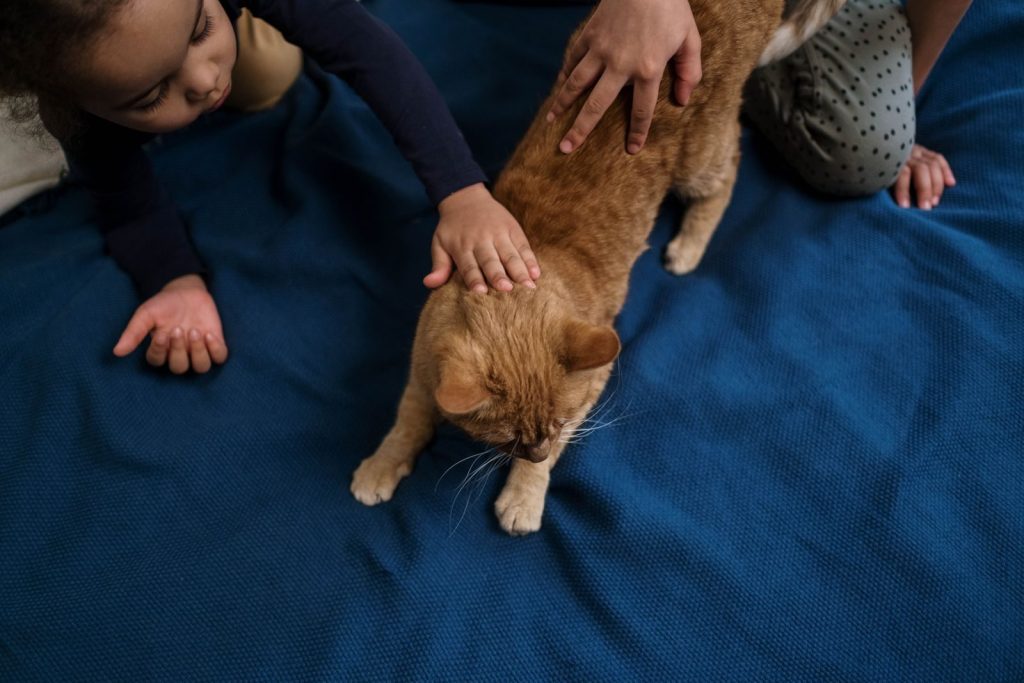
A cat’s relationship with a caregiver develops through repeated interactions. Predictable feeding, gentle handling, safe play, clean resources, respect for hiding, and allowing the cat to end contact can all contribute to an environment where social trust is easier to build.
Forcing attention can have the opposite effect. Cats differ in how much touching, holding, grooming, or close contact they enjoy, and those preferences can change with age or health. Responding to the individual cat’s body language gives it more control and makes human interaction more likely to remain positive.
Your Role Is Bigger Than Ownership
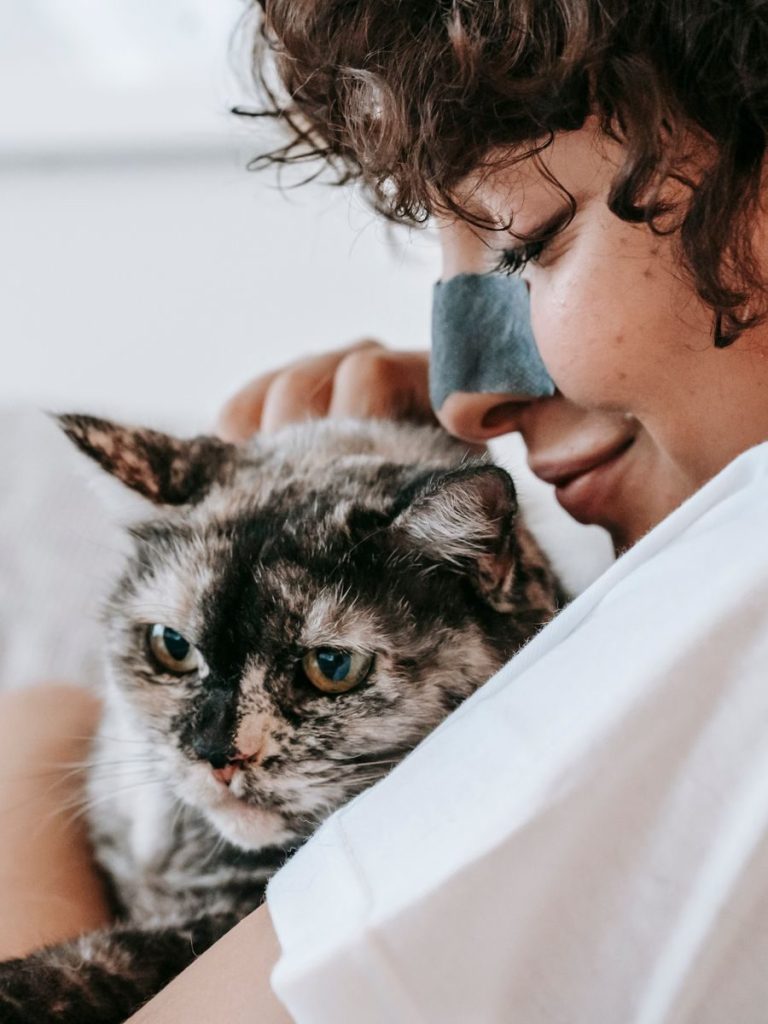
The strongest evidence does not support a catchy claim that your cat secretly thinks you are its mother or another giant cat. It supports something more interesting: many cats recognize particular humans and can form stable attachment relationships with them.
That makes “caregiver” a useful description of the social role without pretending to know the cat’s private thoughts. You provide resources, but you can also become a familiar source of security and interaction. The quality of that relationship depends on the individual cat and the experiences you repeatedly create together, not simply on whose name appears on paperwork.