

A stray cat crying repeatedly near a home, shop, or alley can be difficult to ignore. Some outdoor cats vocalize because they are hungry, frightened, seeking attention, or accustomed to people. Others may stay close to a particular area because food, shelter, or kittens are nearby. The most useful response is to watch where the cat moves, check her physical condition, and notice whether she repeatedly returns to the same hidden spot instead of assuming every meow carries one specific message.
When a vocal stray seems determined to keep someone nearby, careful observation can sometimes reveal more about her situation. She may lead a person toward a sheltered corner, feeding location, or nest, especially if she is a nursing mother. If kittens are discovered, the next steps depend on their age, health, immediate safety, and whether their mother is actively caring for them. A calm approach can protect the whole family while giving rescuers enough information to decide what help is actually needed.
Stray Cats Meow at People
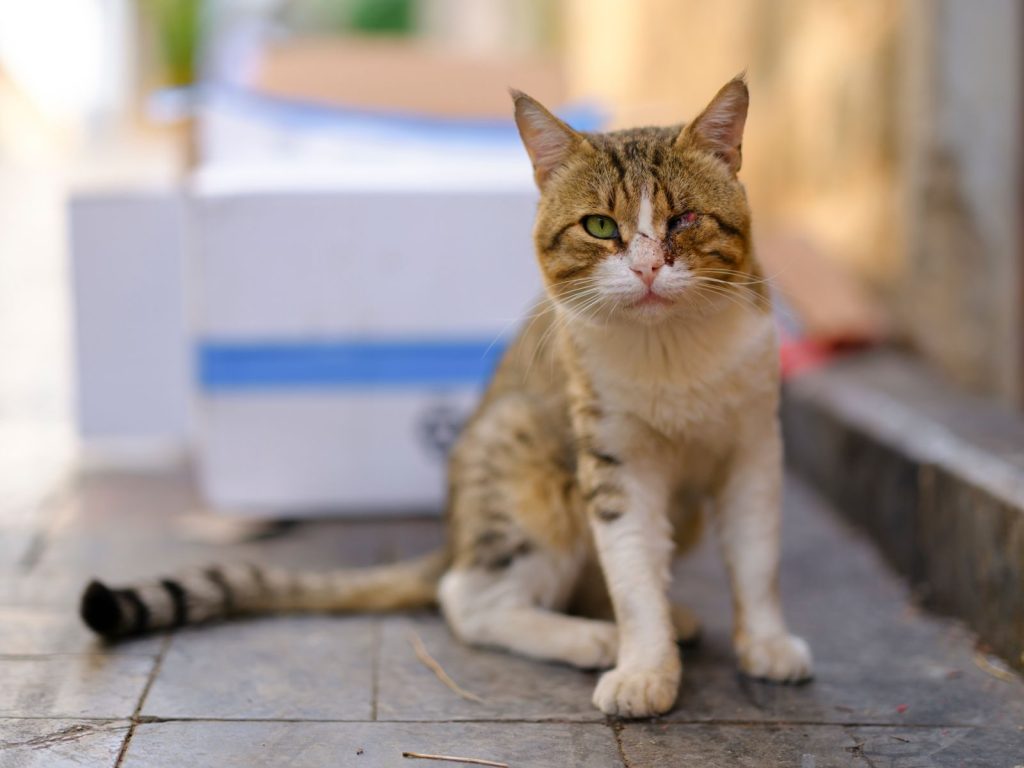
Adult cats often meow more to humans than they do to other adult cats. A friendly stray may quickly learn that vocalizing brings food, attention, or a response from nearby people, especially if someone has helped her before.
Persistent crying can also appear when a cat is stressed, hungry, injured, or searching for something familiar. Looking at body condition, posture, movement, and the surroundings gives more information than the sound alone. A meow deserves attention, but the rest of the cat’s behavior helps explain what kind of help may be needed.
Watch Where the Cat Goes

If a stray repeatedly walks away, stops, looks back, and remains close, following at a safe distance can reveal where she spends time. She may return to a feeding point, sheltered doorway, garden corner, or another place that matters to her.
Avoid chasing or crowding the cat if she becomes nervous. Outdoor cats vary greatly in how comfortable they are with people, and pressure can send a frightened animal deeper into hiding. Letting her choose the distance makes it easier to observe her normal movements without turning the encounter into a stressful pursuit.
Hidden Kittens May Be Nearby
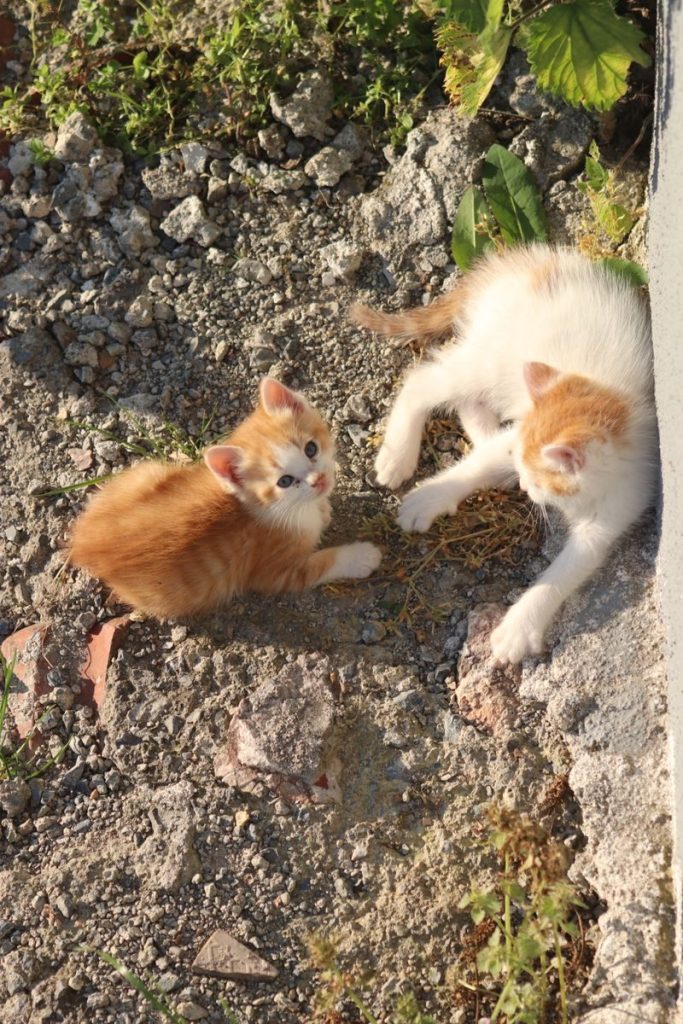
A female cat that repeatedly returns to one quiet location may have kittens hidden nearby. Mothers commonly choose protected spaces such as sheds, under porches, behind stored items, or inside sheltered corners where young kittens are less exposed.
If kittens are found, check whether they appear warm, clean, quiet, and well fed. Those signs can suggest their mother is still caring for them even if she is not visible. Watching from farther away can help because some cautious mothers will not return while people remain close to the nest.
Young Kittens Need Their Mother
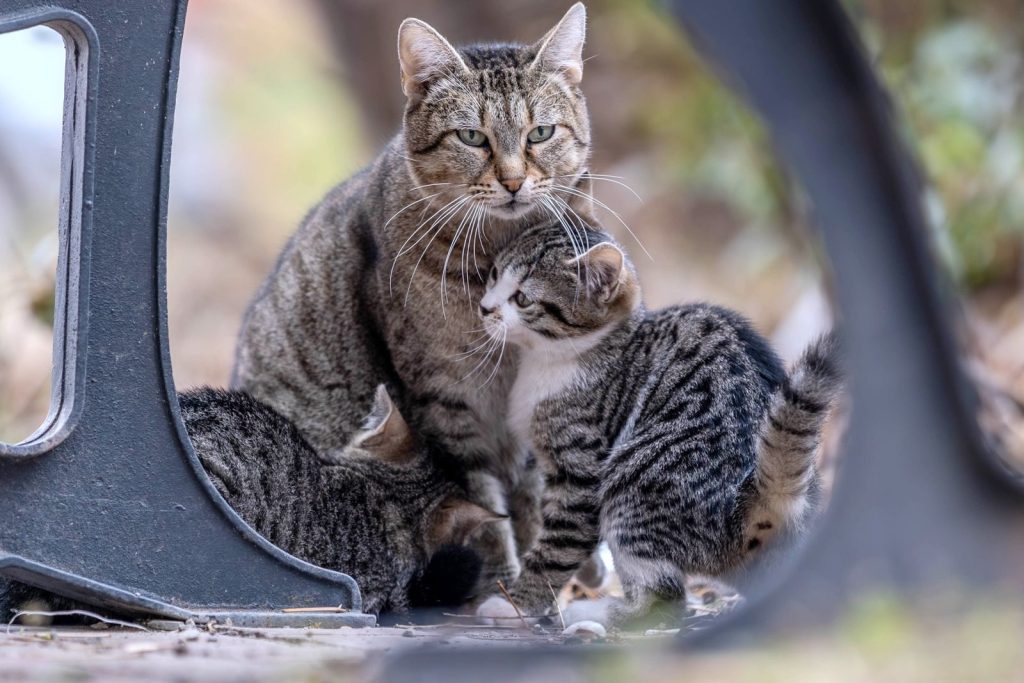
Young kittens benefit enormously from staying with a healthy mother whenever the location is safe. She provides milk, warmth, grooming, and early social care that people must work hard to replace when kittens are orphaned.
Immediate removal makes more sense when kittens are injured, cold, exposed to traffic, trapped, or clearly without maternal care. In safer situations, supporting the mother with food, water, and nearby shelter can keep the family together until the kittens are old enough for the next stage of care.
Injured Cats Need Faster Help

Visible injuries change the situation quickly. A cat that is bleeding, unable to walk normally, struggling to breathe, extremely weak, or showing severe eye or nose discharge needs prompt veterinary or rescue attention rather than simple observation.
A frightened injured cat may scratch or bite when handled, even if she normally likes people. A secure carrier or humane trap can make transport safer. Local rescue groups, veterinarians, and community-cat organizations can often help decide whether direct handling, trapping, or emergency care is the best option.
Nursing Mothers Need Reliable Food
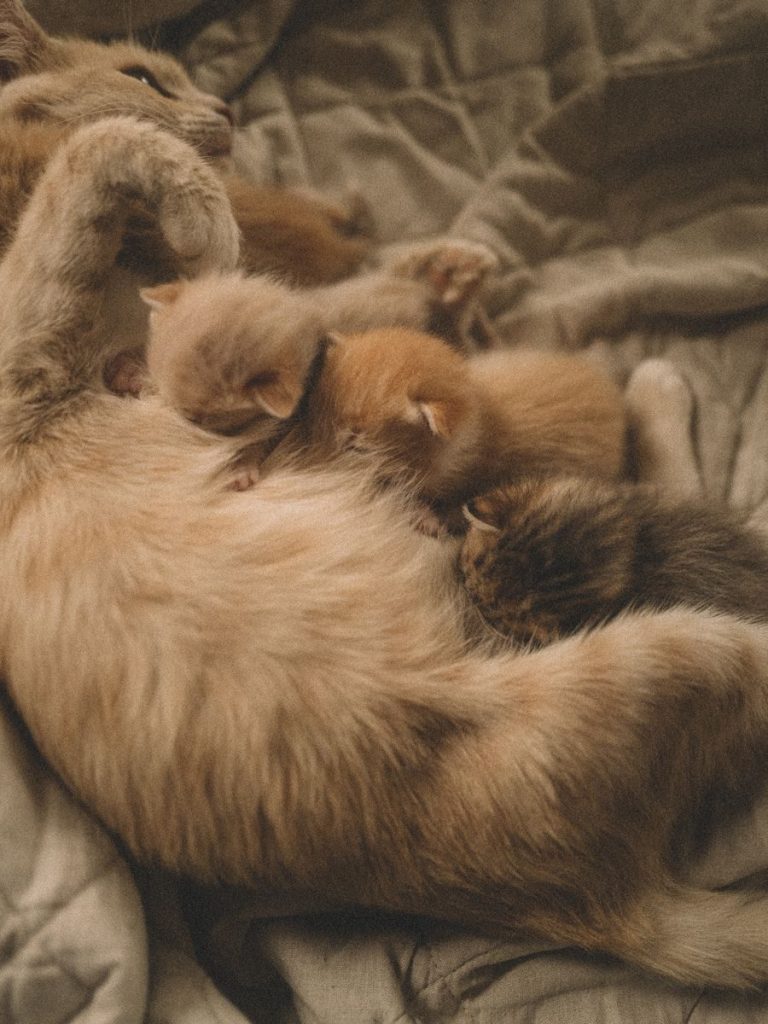
A nursing mother needs dependable nutrition, especially if she is caring for several kittens outdoors. Food and fresh water placed near her usual area can reduce the distance she must travel while still allowing her to approach when she feels safe.
A weather-resistant shelter can also help when the nest is exposed to rain, wind, or cold. The goal is to add useful resources without repeatedly disturbing the kittens. Too much activity around a nest may encourage the mother to move them somewhere harder for rescuers to monitor.
Check Whether the Cat Is Lost

A friendly outdoor cat may be lost rather than homeless. Once immediate medical or kitten-care concerns are handled, checking with neighbors, local shelters, lost-pet groups, and veterinary clinics can help determine whether somebody is already searching for her.
A microchip scan can also provide identification when one is present. Reuniting a lost cat with an existing family is often the best outcome. If no owner is found, rescue groups can help assess whether the cat is socialized enough for foster care or adoption.
Plan Care for the Whole Family
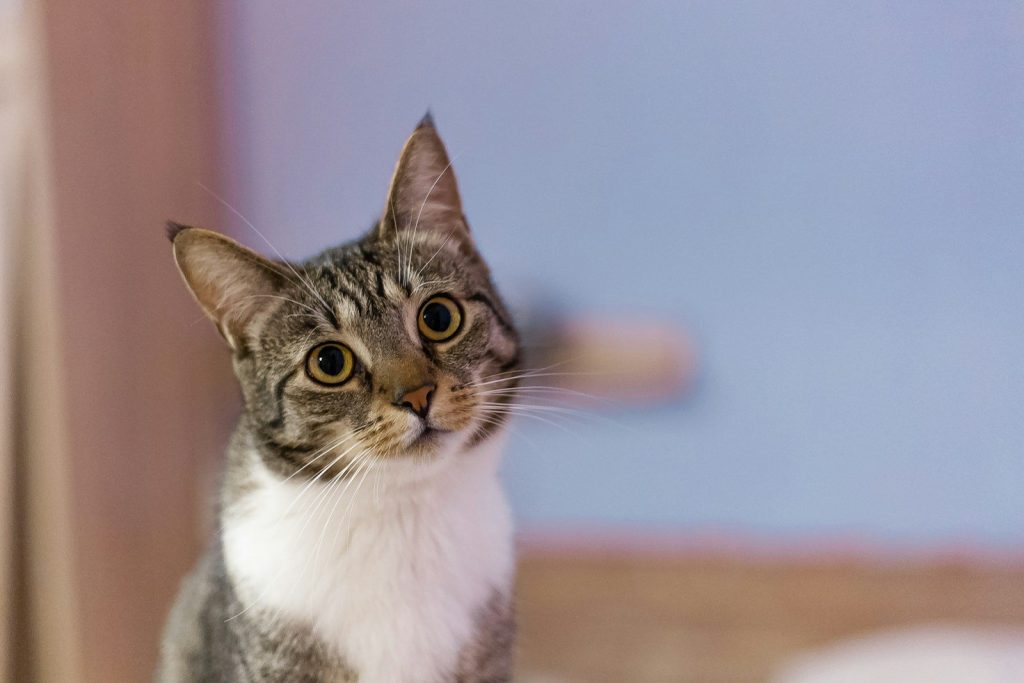
Once a stray mother and her kittens are safe, the next step is planning beyond the immediate rescue. Kittens may eventually enter foster or adoption programs, while the mother can be assessed for spaying and either adoption or community-cat management.
That longer plan prevents the same cycle from beginning again with another litter. A single crying cat may first attract attention through one persistent meow, but steady food, veterinary care, safe shelter, and reproductive planning are what turn a brief encounter into lasting help for the whole feline family.