Perfectly timed cat photos work because they freeze movements that normally last only a fraction of a second. A graceful jump can become an airborne tangle of paws, a yawn can resemble a roar, and a quick glance can look like the most dramatic reaction imaginable. Cats already move in fast, flexible, unpredictable ways, so photographers rarely need to stage anything elaborate. The funniest images usually come from ordinary play, sleep, grooming, climbing, or curiosity caught at exactly the right instant.
Still photographs also remove the moments before and after an expression, which makes normal feline behavior look far stranger than it did in real time. A cat wrestling with a toy may appear furious, while two cats playing can look like they are having a serious argument. Perspective adds another layer of comedy by making paws, noses, and eyes appear enormous. These familiar photographic tricks explain why cats can produce laugh-out-loud pictures without needing invented captions or carefully arranged poses.
Mid-Jump Cats Defy Gravity
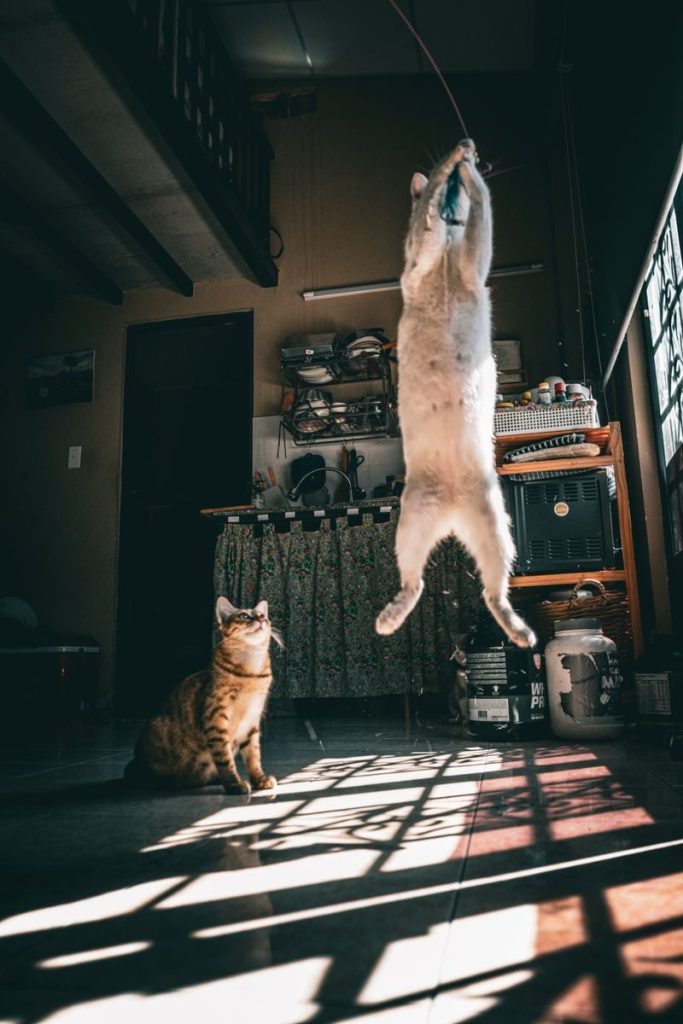
A cat photographed halfway through a jump can look as though gravity has temporarily stopped working. Legs may point in different directions, the body may stretch dramatically, and the face can appear much more surprised than it looked before takeoff.
The complete movement is usually far more coordinated. Cats use powerful hind limbs and flexible bodies to jump onto furniture, shelves, and play targets. A fast camera simply captures the awkward transition between launch and landing, turning a normal feline skill into an image that looks almost impossible.
Pouncing Creates Serious Faces

Cats often carefully stalk toys with intense concentration before pouncing. Their bodies lower, eyes lock onto the target, and hind legs prepare for a sudden burst of movement that resembles part of a hunting sequence.
Freeze that moment and a playful cat can look like a miniature predator planning something extremely serious. The joke comes from knowing the target may be nothing more threatening than a feather wand or paper ball. Context turns the intimidating expression back into ordinary play.
Yawns Look Like Tiny Roars
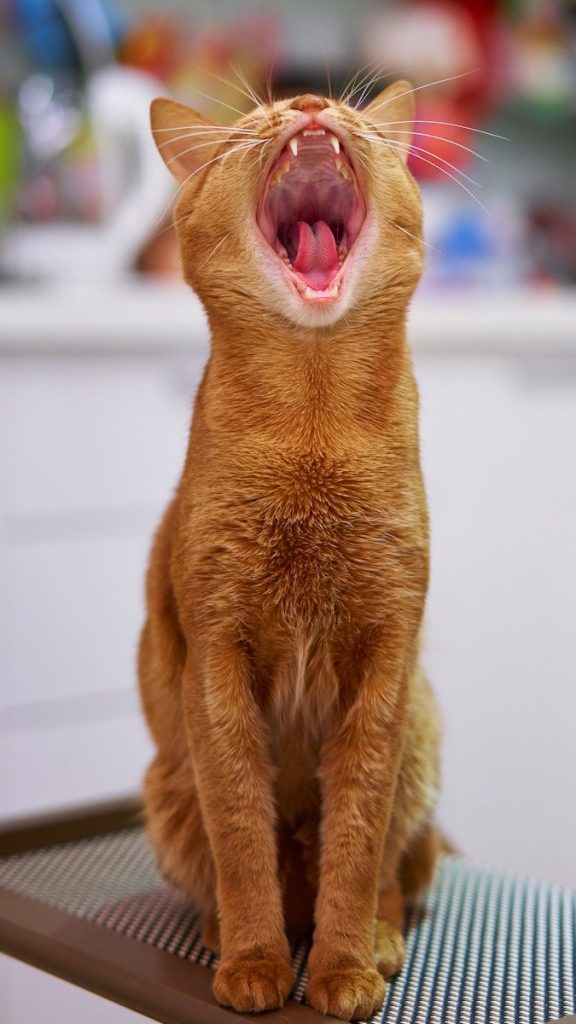
Few cat photographs look more dramatic than a yawn captured at maximum stretch. The mouth opens wide, teeth become visible, eyes narrow, and the face can resemble a roar even though the cat is simply completing a normal yawn.
A second later, the same cat may return to resting peacefully. That contrast makes yawning photos especially effective because the frozen expression suggests a completely different mood from the surrounding behavior. It is one of the simplest ways timing can turn an everyday moment into visual comedy.
Zoomies Create Visual Chaos
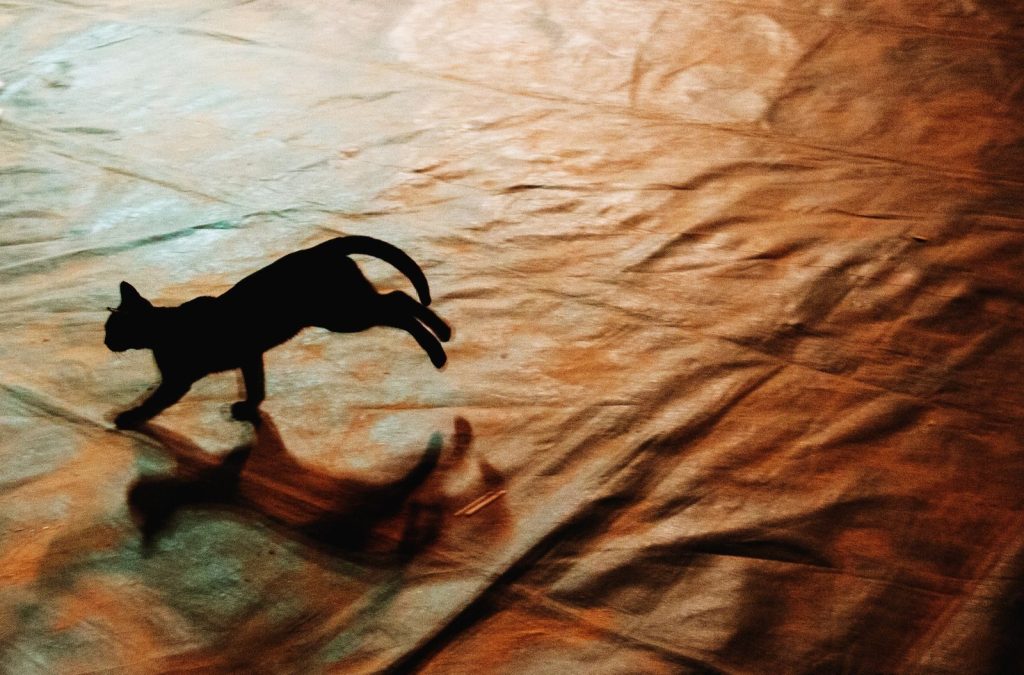
Sudden bursts of running can create spectacular photographs. During energetic play, a cat may sprint across a room, change direction sharply, leap over furniture, or skid slightly on a rug before racing away again.
A photo taken during that burst might capture huge pupils, an arched body, airborne paws, or a tail pointing in an unexpected direction. Familiar short play bursts can be completely normal, especially in younger cats. The camera simply preserves the most chaotic-looking fraction of the movement.
Close-Ups Distort Cat Features

Close-up photography can make one part of a cat look wildly out of proportion. A paw placed near a phone camera may look enormous, while the body behind it appears strangely tiny because of the difference in distance.
Noses, ears, whiskers, and eyes can produce the same effect. Perspective is why some ordinary pet portraits look almost cartoonish without digital editing. Moving the camera only a little farther away can completely change the proportions, proving that the funniest feature was created mostly by angle.
Sleeping Cats Ignore Normal Geometry
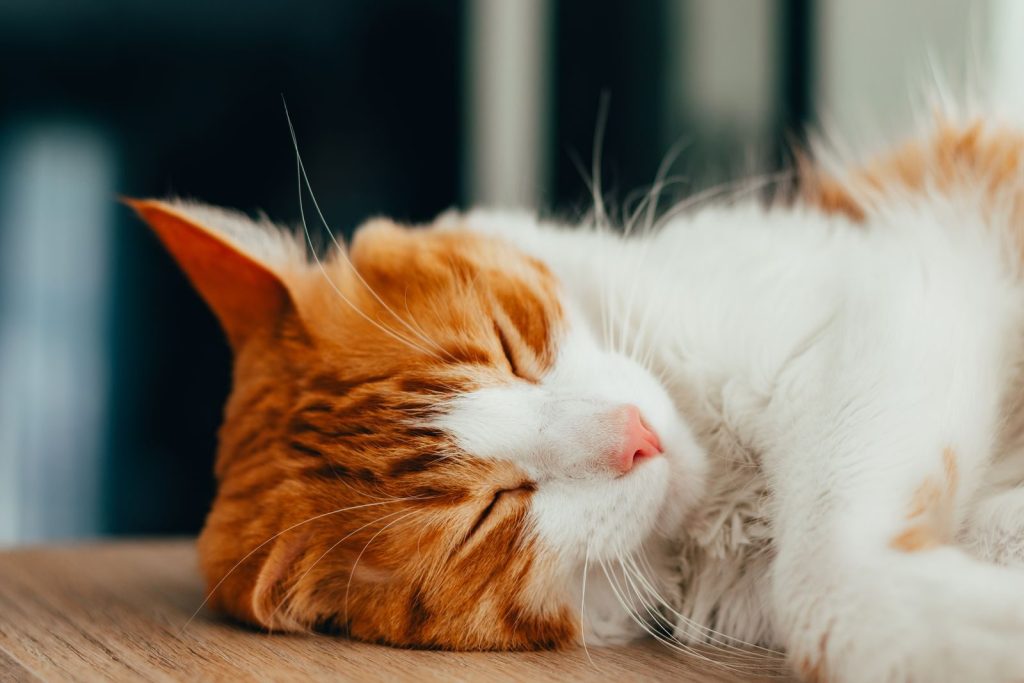
Cats can sleep in positions that seem to ignore every rule of comfortable furniture. They curl into small boxes, fold themselves over cushions, stretch across narrow ledges, and sometimes leave one paw or tail hanging in a puzzling direction.
A carefully chosen camera angle can make the body look even harder to understand. As long as the cat moves normally when awake and shows no signs of pain, familiar odd sleeping positions are usually just another example of feline flexibility creating effortless comedy.
Play Fights Look Much Fiercer
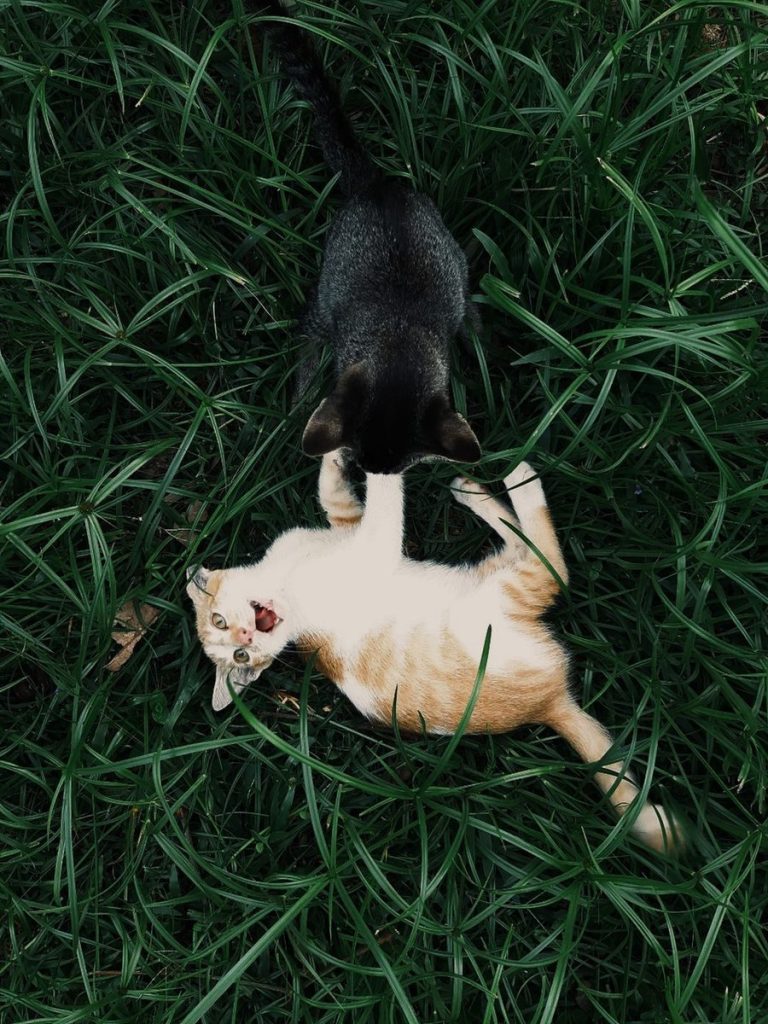
Two cats wrestling during friendly play can look surprisingly fierce in a still photograph. Open mouths, raised paws, twisted bodies, and visible claws may create an image that resembles a serious fight when the full interaction was much more relaxed.
Play often includes pauses, role changes, chasing, and opportunities for either cat to move away. Watching the complete interaction reveals far more than one dramatic frame. Perfect timing can therefore make harmless social play look like the most intense feline showdown of the day.
Natural Moments Make the Best Photos

The best funny cat pictures rarely need complicated setups. A safe home already offers countless opportunities through boxes, toys, climbing spots, sunny windows, blankets, and everyday interactions that let cats behave naturally.
Keeping a camera nearby is often enough. Instead of startling or positioning a cat for a reaction, photographers can wait for the spontaneous leap, yawn, tumble, stretch, or curious stare that happens on its own. Natural behavior gives every perfectly timed picture its funniest and most recognizable quality.