A barn can hide an entire litter of kittens surprisingly well. Hay bales, unused stalls, storage areas, machinery corners, loft spaces, and narrow gaps offer the kind of sheltered locations mother cats often choose for newborns. A farmer may see one adult cat around the property for weeks without realizing she is raising kittens nearby. The discovery can feel sudden, but the mother may have been quietly feeding, grooming, and moving between the nest and her food sources while daily farm activity continued around her.
Finding kittens in a working barn creates practical questions beyond their adorable appearance. Machinery, vehicles, livestock, chemicals, predators, temperature changes, and unstable materials can make some nesting sites dangerous. At the same time, healthy young kittens often benefit from remaining with their mother rather than being removed immediately. The safest response starts with checking their condition, watching to see whether the mother returns, reducing nearby hazards, and deciding whether the family needs rescue support, veterinary attention, or simply safer resources where they already live.
Mother Cats Hide Litters Well
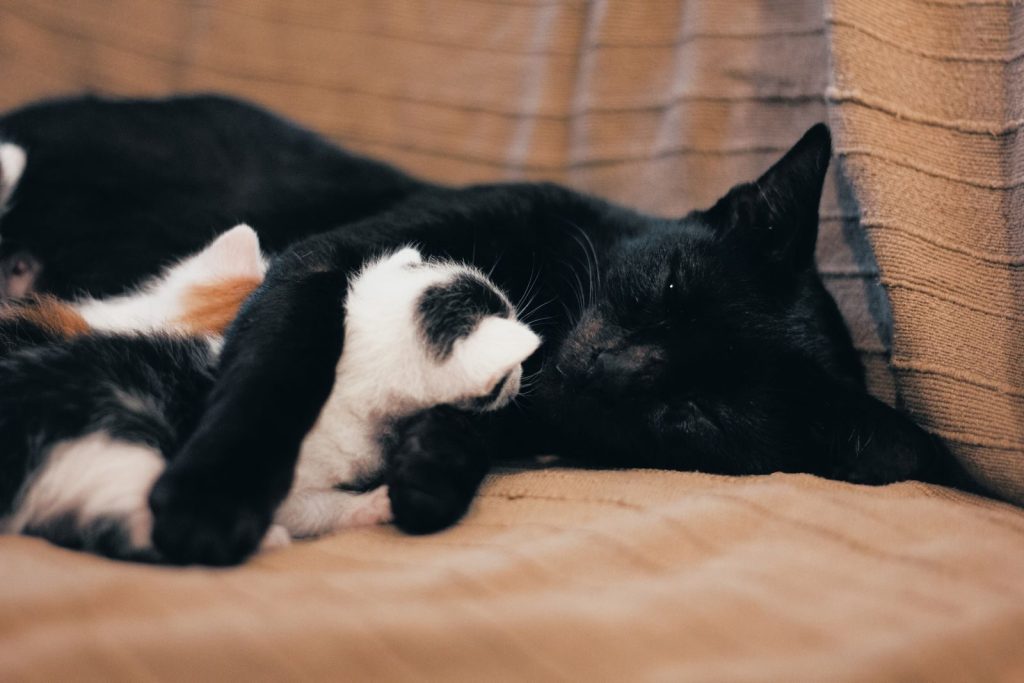
Mother cats naturally search for quiet, protected places to give birth and raise young kittens. Barns provide countless options, including corners behind equipment, gaps between stored materials, lofts, empty stalls, and sheltered spaces beneath structures.
That ability to hide explains why a litter can surprise people who work nearby every day. The mother may leave the nest when humans are active and return when the area becomes quieter. Seeing kittens for the first time does not mean they were newly abandoned there.
Barns Contain Hidden Hazards
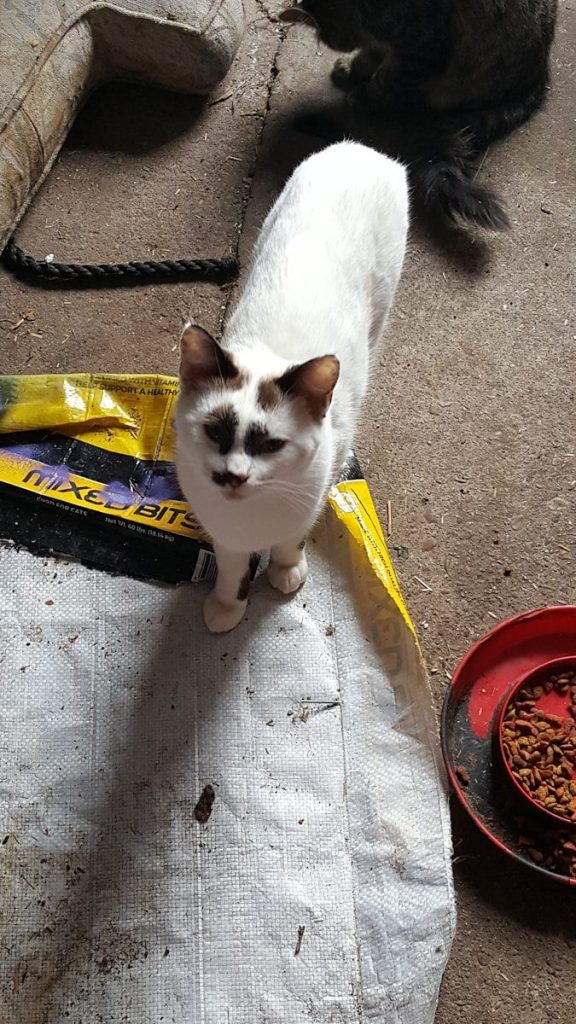
A barn protects kittens from some weather, but it can also contain serious hazards. Moving tractors, vehicles, livestock, sharp tools, chemicals, unstable stacks, and narrow machinery spaces can injure kittens that become mobile and begin exploring.
Once a nest is discovered, farmers can check whether the immediate area can be made safer without disturbing the family unnecessarily. Blocking access to dangerous equipment or delaying certain work may sometimes protect the kittens while they remain with their mother each day safely.
Wait for the Mother to Return

If the mother is not beside the kittens when they are discovered, observation is usually the next useful step. She may be feeding, hunting, relieving herself, or simply waiting for people to leave before returning.
Warm, clean, quiet kittens with full-looking bellies often suggest ongoing maternal care. Watching from farther away allows a cautious mother to approach without feeling crowded. Cold, injured, constantly crying, or very weak kittens require faster assistance because those signs can indicate that something is wrong.
Mother Cats Provide Essential Care
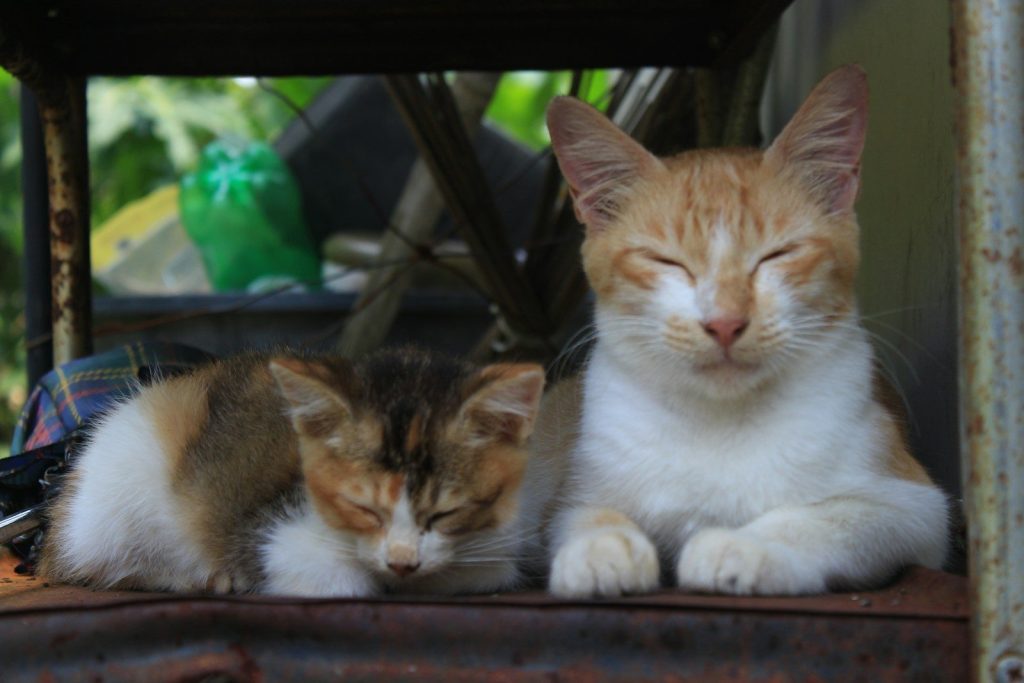
A healthy mother provides more than milk. She keeps young kittens warm, grooms them, stimulates elimination during the earliest stage, and gives them social experiences that are difficult for people to reproduce completely.
When the nest is reasonably safe, keeping the family together is often the simplest way to support the kittens. People can help by providing food and water for the mother while monitoring growth and activity. Rescue intervention becomes more important when maternal care is missing or the environment is unsafe.
Nursing Mothers Need Extra Food

Nursing several kittens requires substantial energy. A barn cat raising a litter should have dependable access to nutritious food and fresh water instead of being expected to support herself entirely by hunting rodents around the property.
Placing resources near her regular route can reduce the distance she must travel from the nest. A dry, protected shelter can also help if the barn itself becomes too exposed. Consistent feeding makes it easier to monitor whether the mother continues appearing and maintaining good body condition.
Young Kittens Need Social Decisions

As kittens become more mobile, people can begin assessing how comfortable they are around humans. Young kittens that receive positive, gentle social experiences may eventually become suitable for foster care and adoption into homes.
Some barn-born kittens remain much more cautious, especially if they had little human contact early in life. Rescue groups can help evaluate age, health, temperament, and available foster space. The best plan depends on the individual kittens rather than assuming every barn litter should follow exactly the same path.
Spaying Prevents Another Surprise Litter

Finding one surprise litter is also a reminder to address reproduction among cats living around the property. Without spaying and neutering, another pregnancy can follow and the number of cats can increase quickly.
Community-cat programs may help with trapping, veterinary care, vaccination, and sterilization for outdoor adults. Social kittens may move into adoption programs while suitable adult working cats remain on the property. Preventing repeated litters makes long-term care far more manageable for both farmers and cats over time sustainably.
Barn Cats Still Need Daily Care
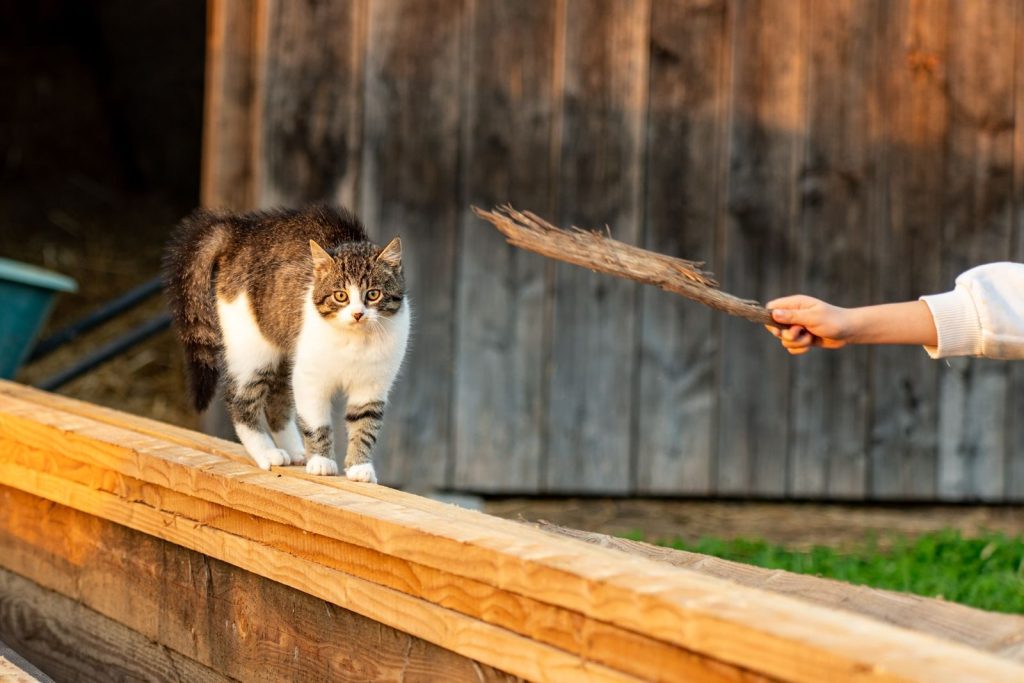
A well-managed barn can remain a suitable home for some outdoor cats when they receive daily food, clean water, protected sleeping areas, and veterinary treatment when needed. Their value should never depend solely on how many rodents they catch.
Once unexpected kittens reveal the size of a local cat population, a farmer has an opportunity to create a better system around them. Safer shelter, regular feeding, medical care, socialization decisions, and spay-neuter planning can turn one surprising discovery into a healthier future for the cats already sharing the property.
Featured Image: Photo by ROMAN ODINTSOV on Pexels