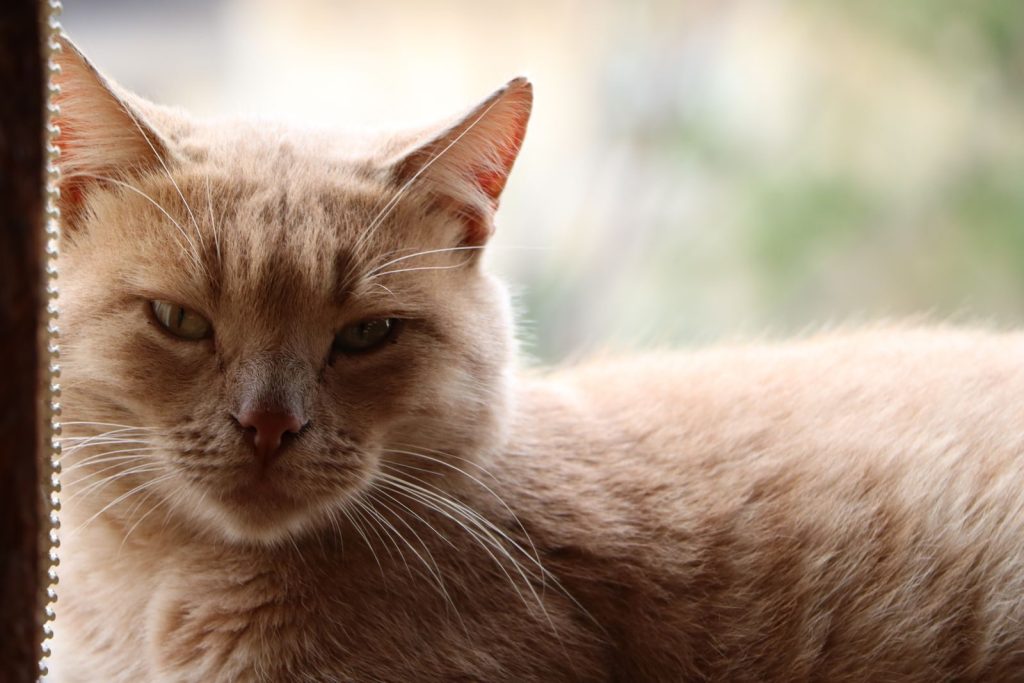

When Hiba returns home in Sweden, there is often someone already watching for her. Her cat Amira appears at the window as Hiba approaches, creating a small homecoming ritual that she has shared online. Hiba’s account is devoted to “Life in Sweden with my cat Amira,” and one post specifically celebrated seeing Amira waiting at the window again. The scene becomes especially striking after dark, when the cat’s face is clearly visible from outside and the reunion begins before Hiba has even stepped indoors.
Amira is Hiba’s only pet, and their daily household rhythm centers heavily on life together. Research also shows that cats can form attachment relationships with familiar caregivers and distinguish known humans through cues including smell and voice. Cats become familiar with repeated household patterns as well, making arrivals and departures meaningful parts of everyday life. For Hiba, seeing Amira waiting behind the glass turns the ordinary act of coming home into a reunion before she has even reached the door.
Amira Notices Hiba Coming Home

The most memorable part of the routine is how early Amira appears at the window. Hiba has described her cat waiting patiently while she is still arriving outside rather than appearing only after the front door opens.
From the window, Amira stays in position and watches. The evening setting makes her especially easy to notice from outside, giving Hiba a clear glimpse of the cat waiting indoors. It turns a practical moment at the end of the day into the first stage of their reunion.
Amira Is Hiba’s Only Cat
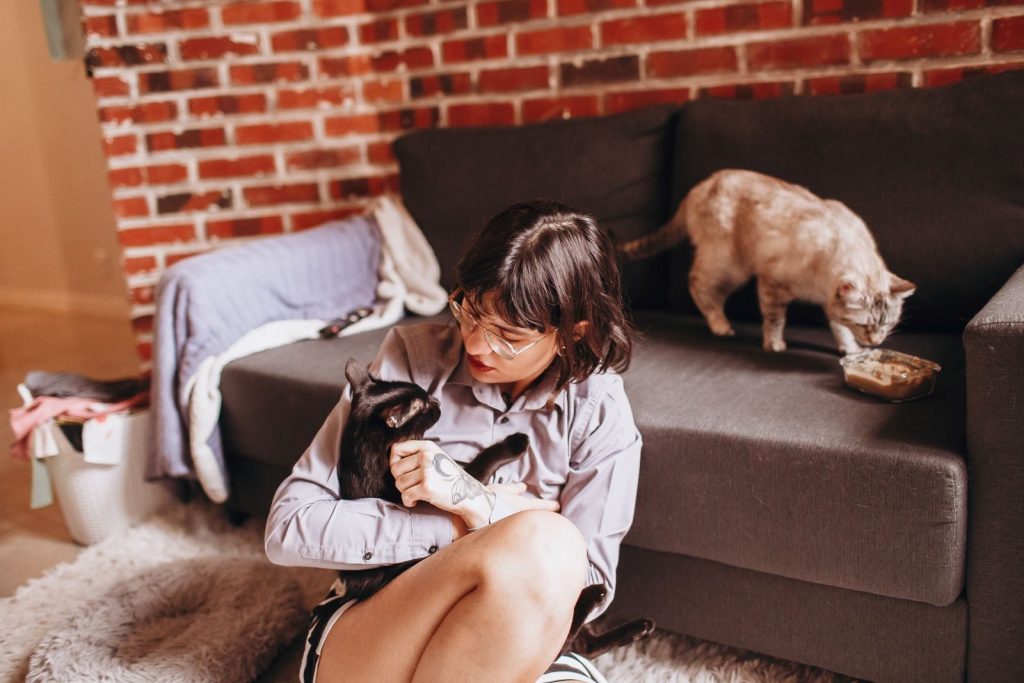
Amira is Hiba’s only pet, and the social account documenting their life is explicitly centered on the pair living together in Sweden. That gives their repeated window routine a particularly personal setting.
Amira is not one cat among a large household of pets responding to activity outside. She is the familiar companion who shares Hiba’s everyday routines and regularly appears when her person returns. That makes her quiet watch at the glass feel like one recognizable piece of their normal evening pattern.
Cats Can Form Real Attachments
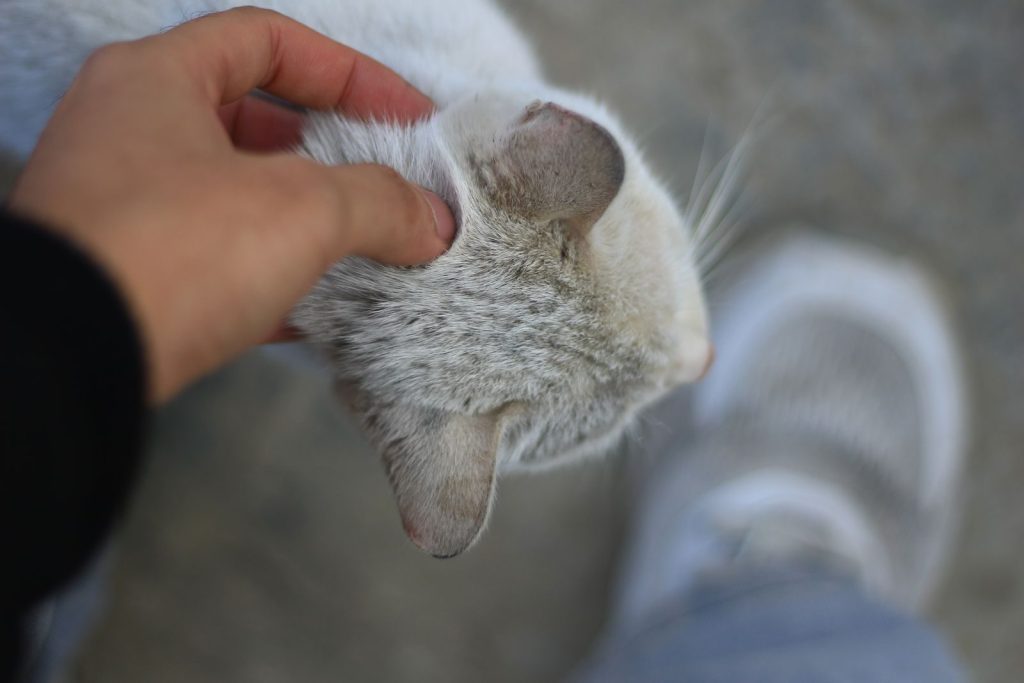
Oregon State University researchers found that many cats display attachment patterns toward human caregivers during a secure-base test. Securely attached cats could use the familiar person as a source of comfort and then continue exploring.
That helps explain how a cat can remain independent while still treating one person as socially important. A cat may spend hours resting alone or exploring another room without weakening that relationship. The bond can be quiet, consistent, and meaningful without resembling the more obvious greetings people often associate with dogs.
Familiar Human Scents Matter Too
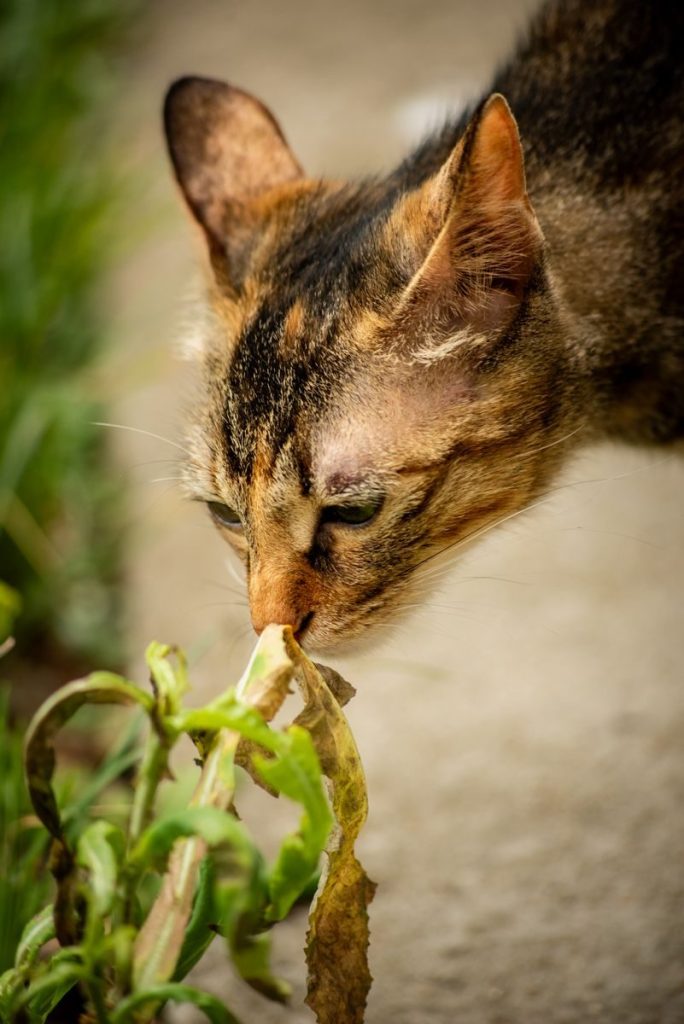
Cats can distinguish familiar people through smell. A 2025 PLOS One study found that cats spent substantially longer investigating odor from an unfamiliar person than odor collected from their owner.
Hiba therefore represents more than a recognizable figure approaching the house. Clothing, skin, home odors, movement, and familiar spaces all contribute to the sensory world Amira experiences repeatedly. Familiarity can be built from a whole collection of cues that develops through months or years of living together.
Voices Add Another Familiar Cue
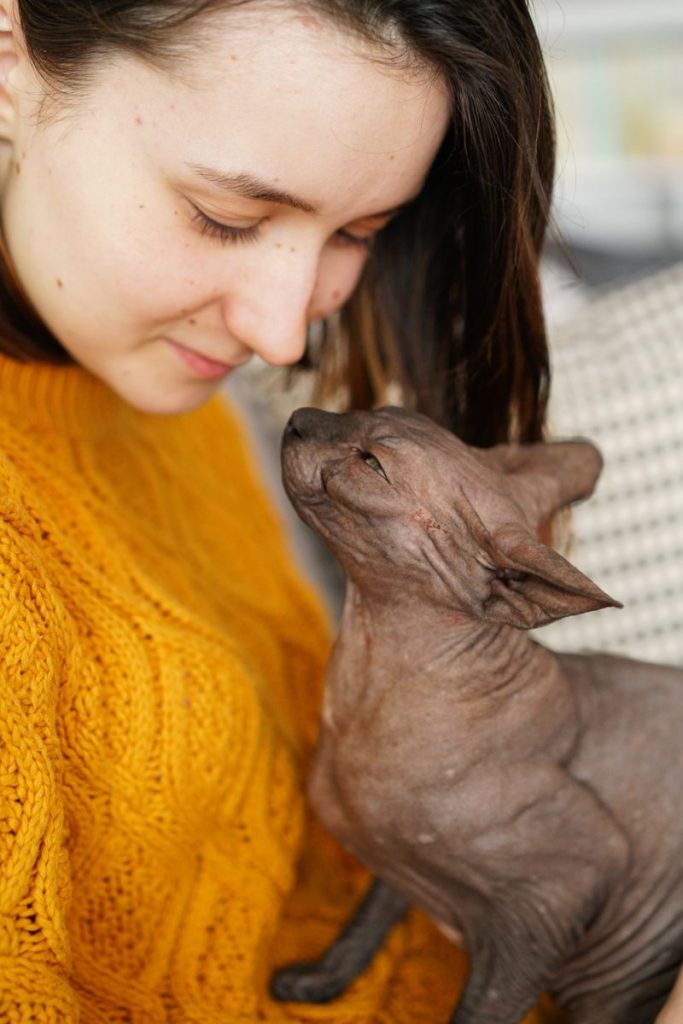
Research has also found evidence that domestic cats distinguish familiar human speakers from unfamiliar ones. Their reactions can be subtle, but voice adds another useful cue when interacting with people they know.
Once Hiba is closer to home or speaking indoors, Amira has even more information connecting the arrival with her familiar person. Cats do not need one single signal when someone returns; sight, sound, scent, timing, and routine can all contribute to recognition.
Reunions Can Change Cat Behavior
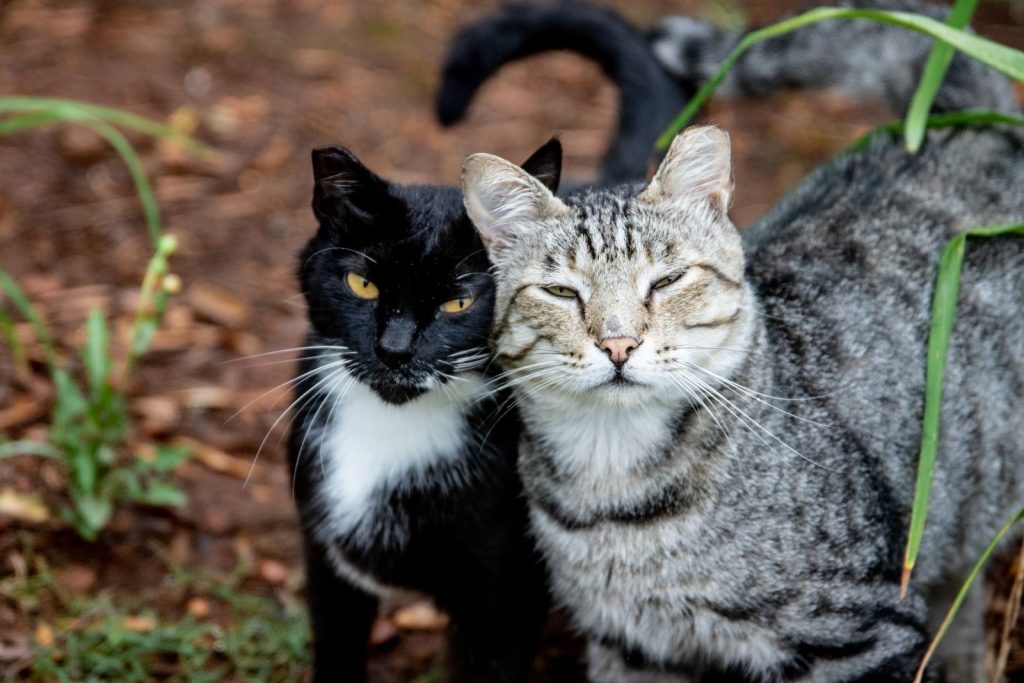
Research comparing shorter and longer periods of owner absence found that cats purred and stretched more after the longer separation. Owners also increased their verbal interaction during reunion.
Those findings do not mean every cat performs an enthusiastic greeting. Some approach quickly, some vocalize, and others remain at a distance. Amira’s version is wonderfully understated: she takes up position at the window and lets Hiba see that her arrival has already been noticed.
Daily Patterns Become Familiar
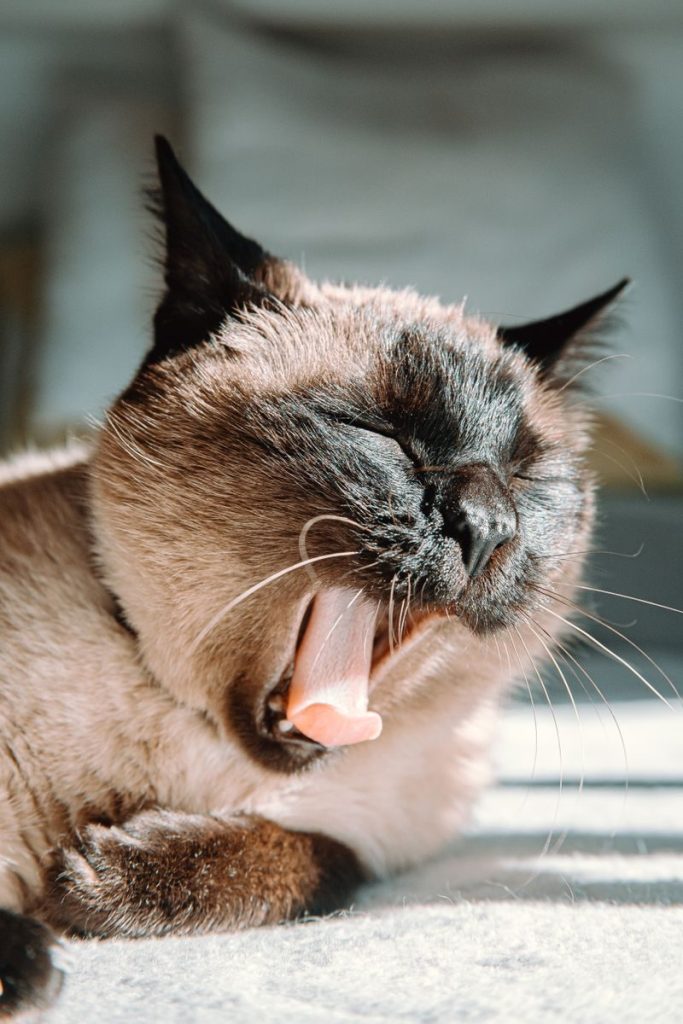
Repeated routines can make arrivals surprisingly recognizable. Cars, footsteps, keys, hallway sounds, changes in light, and familiar timing can all become recurring parts of a cat’s environment.
Amira may have several clues surrounding Hiba’s return before they are together indoors. By the time her person reaches the building, the window has become a perfect observation point. The same pattern repeated over many evenings can make coming home a familiar event for both cat and human.
The Window Greeting Keeps Returning
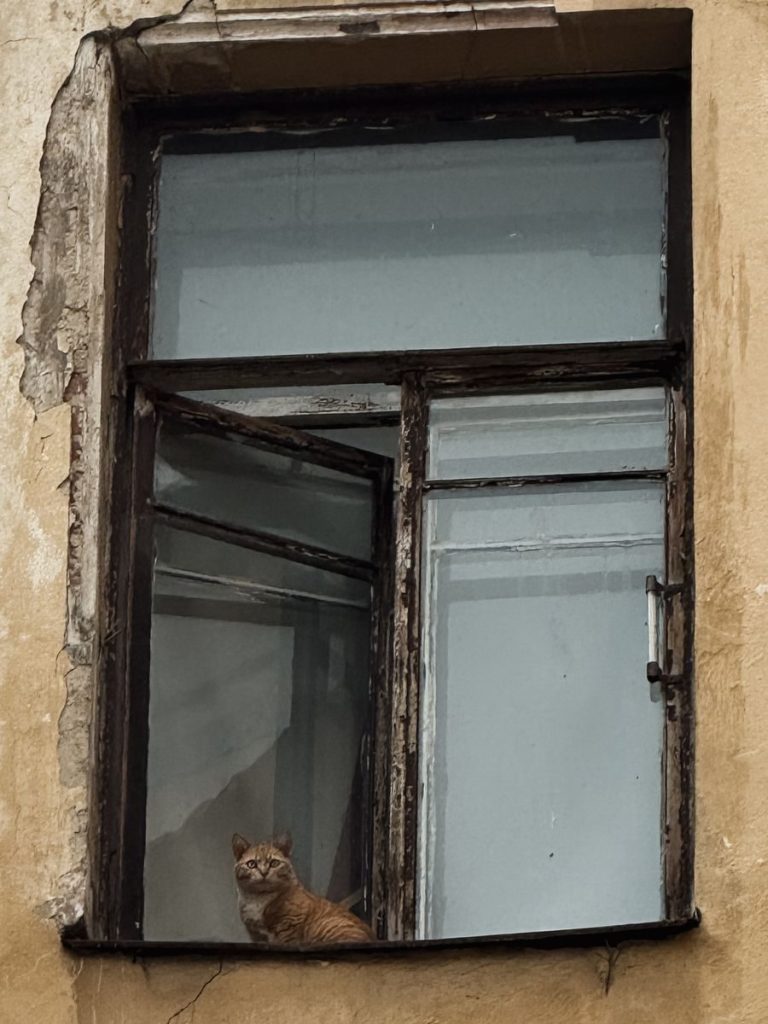
Hiba later posted about seeing Amira at the window again and said she had missed coming home to find her there. That repetition shows the greeting was not limited to one perfectly timed viral moment.
The window has become part of their shared routine: Hiba approaches from outside, Amira watches from inside, and the reunion begins before they share the same room. For anyone arriving home after a long day, one familiar face waiting behind the glass can make the final few steps feel much shorter.
Featured Image: Photo by İsminur TERZİOĞLU on Pexels