
Most cat owners know that whiskers help felines navigate dark rooms and measure tight spaces. We expect every cat to have standard straight whiskers on their cheeks.
But an orange tabby gained widespread attention when owners shared photos of his unusual whisker structure. The rare physical trait opened an interesting conversation about feline genetics.
The Unique Orange Tabby Feature
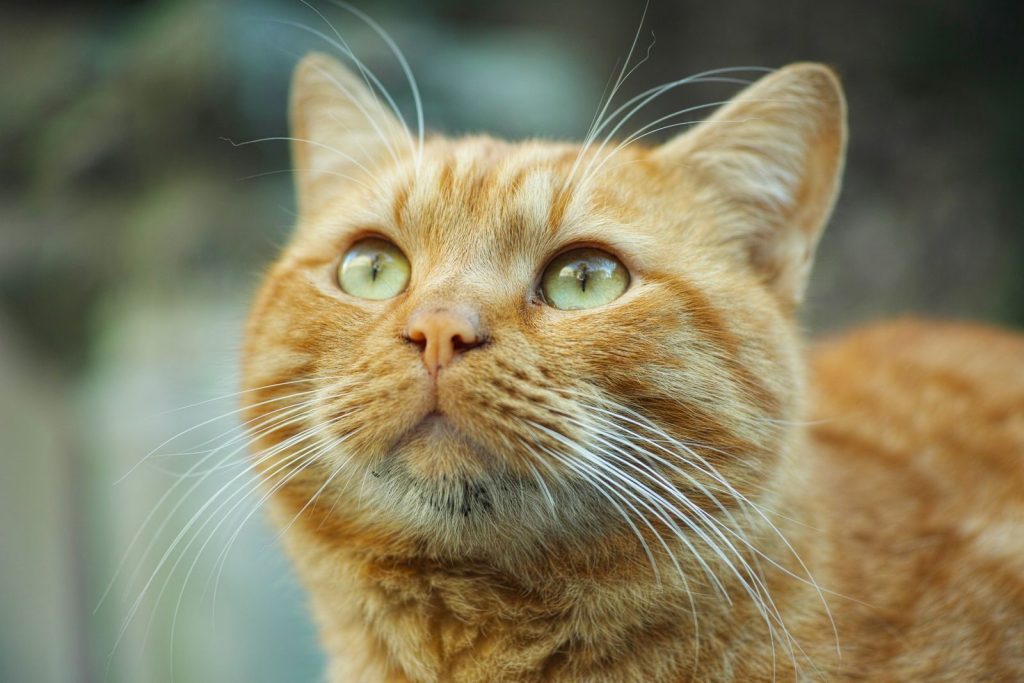
An orange tabby named Chester surprised social media users with a single curly whisker on his cheek. It looked very unique. The hair bent in a tight spiral while his remaining whiskers stayed completely straight. According to viral video reports, viewers wondered if the shape affected his sensory navigation. The answer lies within feline biology.
How Whiskers Function In Felines
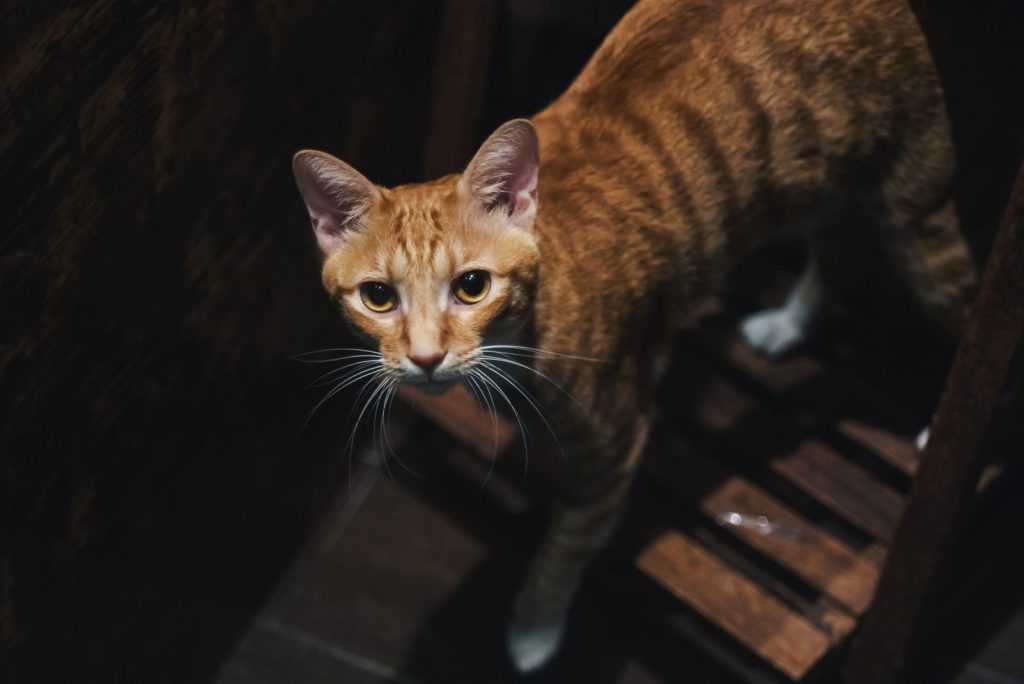
Whiskers are deeply rooted tactile hairs packed with nerve endings at their base. They act like sensors. According to the Cornell Feline Health Center, whiskers detect air currents and help cats measure openings accurately. They are far more complex than ordinary fur. That raises the question of how genetic quirks alter whisker growth.
The Science Of Hair Mutations
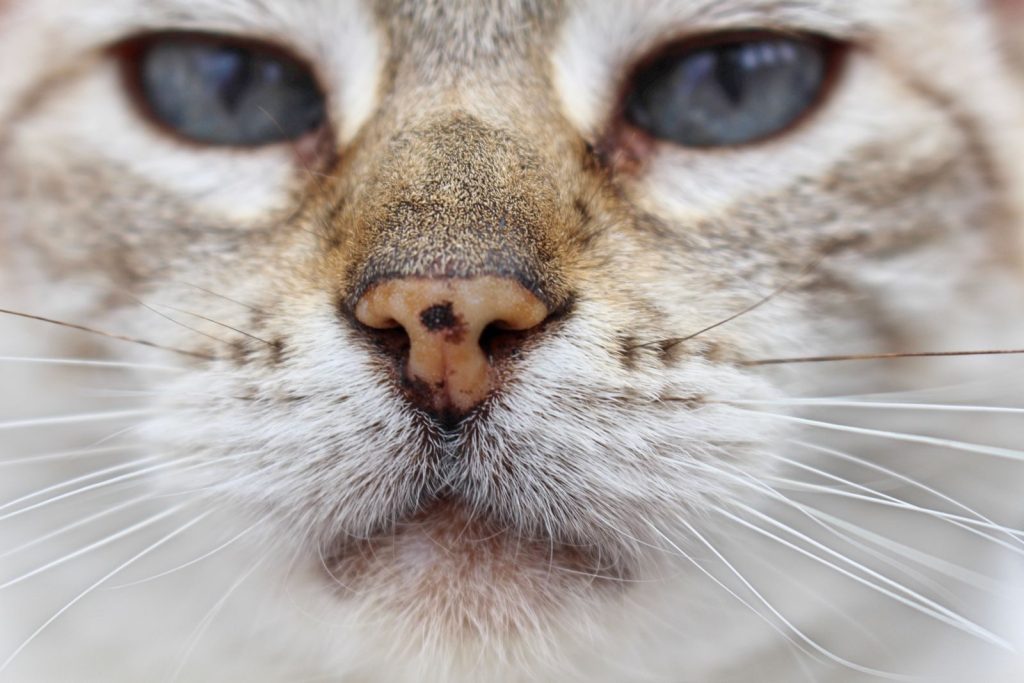
Single whisker mutations happen when a follicle develops at an altered angle beneath the skin. Genetic variations occasionally change keratin structure in individual hair shafts. Science explains the quirk. According to veterinary dermatologists, curly whiskers appear regularly in breeds like the Selkirk Rex but rarely in tabbies. Yet another whisker myth needs clearing up.
Why Whiskers Must Never Be Trimmed
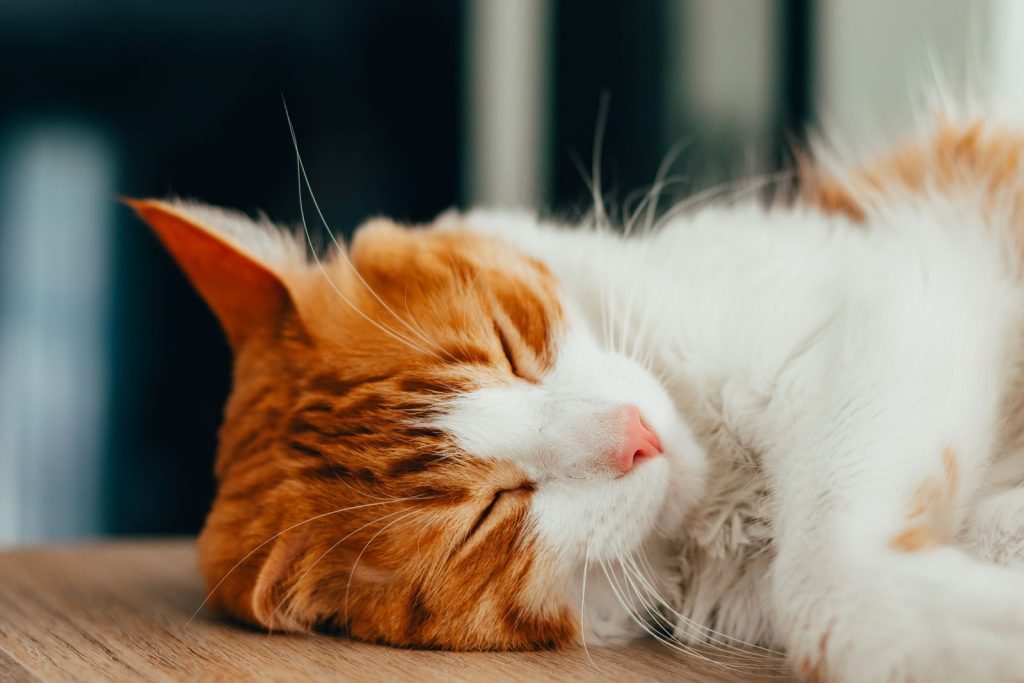
Some owners mistakenly wonder if unusual whiskers should be trimmed for appearance. Trimming whiskers causes disorientation. Whiskers require proper protection. According to the American Veterinary Medical Association, cutting whiskers deprives cats of vital spatial awareness and causes distress. Even unique whiskers must be left completely untouched by pet owners.
Orange Cats And Genetic Traits
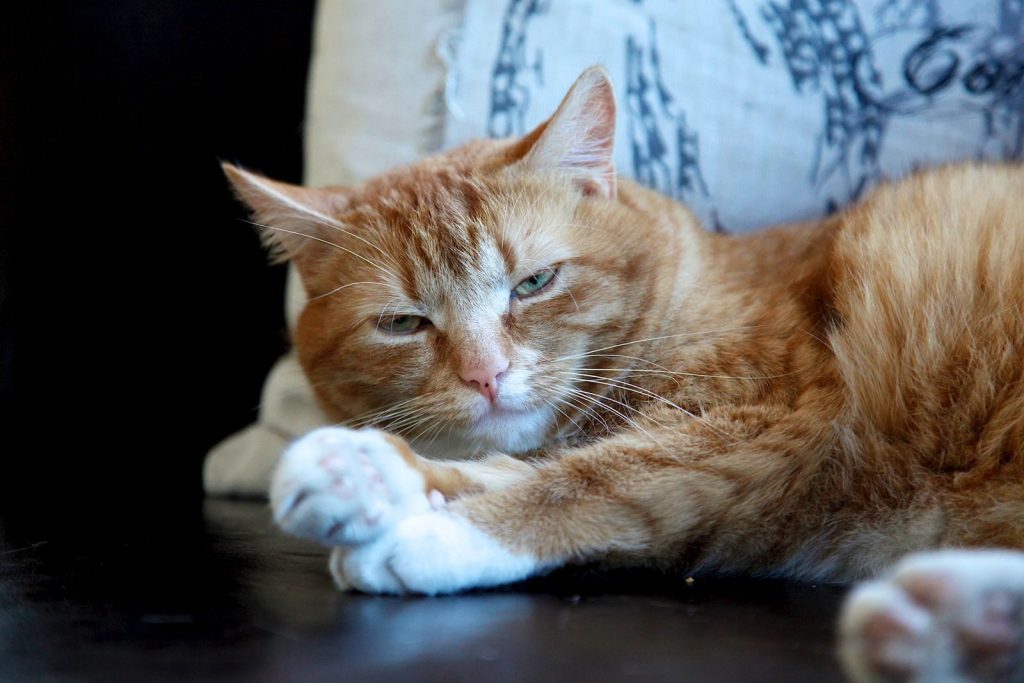
Orange tabbies are famous for unique physical traits linked to sex chromosomes. Males carry orange coats more frequently than females due to genetics. Genetics shape physical traits. According to genetic researchers, the gene responsible for orange pigment often accompanies other distinctive physical features. But do strange whiskers shed naturally like regular fur?
The Natural Whisker Shedding Cycle
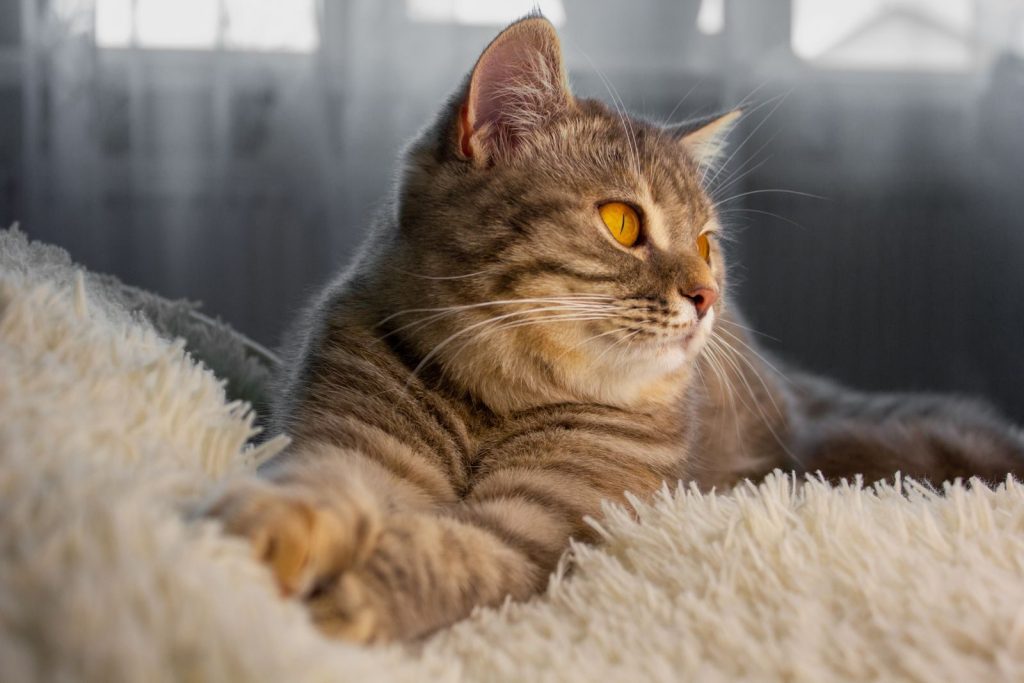
Cat whiskers go through natural growth cycles and shed periodically every few months. Replacement whiskers grow back in their place over time. Nature handles the process. According to veterinary experts, losing an occasional whisker is completely normal as long as the follicle stays healthy. That brings us to how owners should monitor sensory health.
Celebrating Unique Physical Features
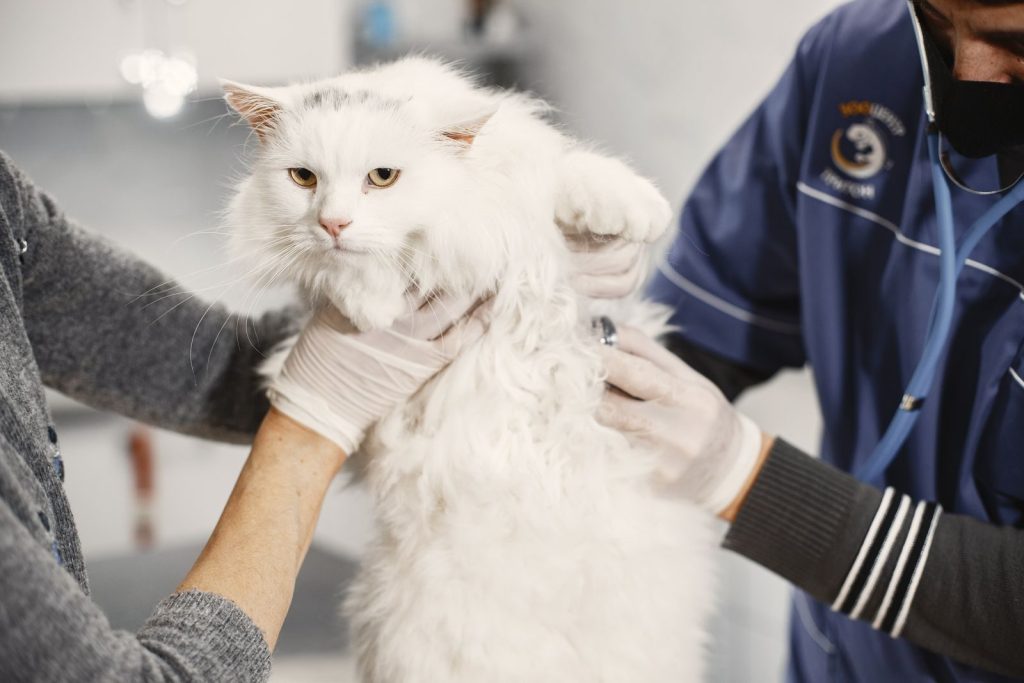
Unique physical features like unusual whiskers make every cat a distinct individual. Monitoring your pet’s sensory organs helps maintain their long-term health and comfort. Care brings true peace. According to veterinary professionals, routine wellness checkups ensure sensory structures function properly. This article is for informational purposes only and does not constitute veterinary advice.
Featured Image: Photo by Engin Akyurt on Pexels