

A white shelter cat named Salt drew attention online after a TikTok video showed him staying close to a person and reaching toward them for petting. Parade Pets reported on the clip on August 11, 2026, saying the video addressed the idea that Salt was considered “too old” by some potential adopters. The report did not provide his exact age, so it would be misleading to invent one. What the footage does show, according to the published account, is an adult cat seeking proximity and physical attention from a person nearby.
Salt’s story taps into a common problem for older shelter cats: age can make them easier to overlook even when their temperament may suit many homes. The ASPCA has highlighted advantages of adopting mature cats, including more established personalities, generally lower supervision needs, and the ability to form new bonds. None of those traits applies identically to every older cat, and age should never replace an individual assessment. Salt’s clip is most useful when viewed that way—not as proof that every senior cat behaves alike, but as a reminder to judge the cat in front of you.
Salt Stays Close to People
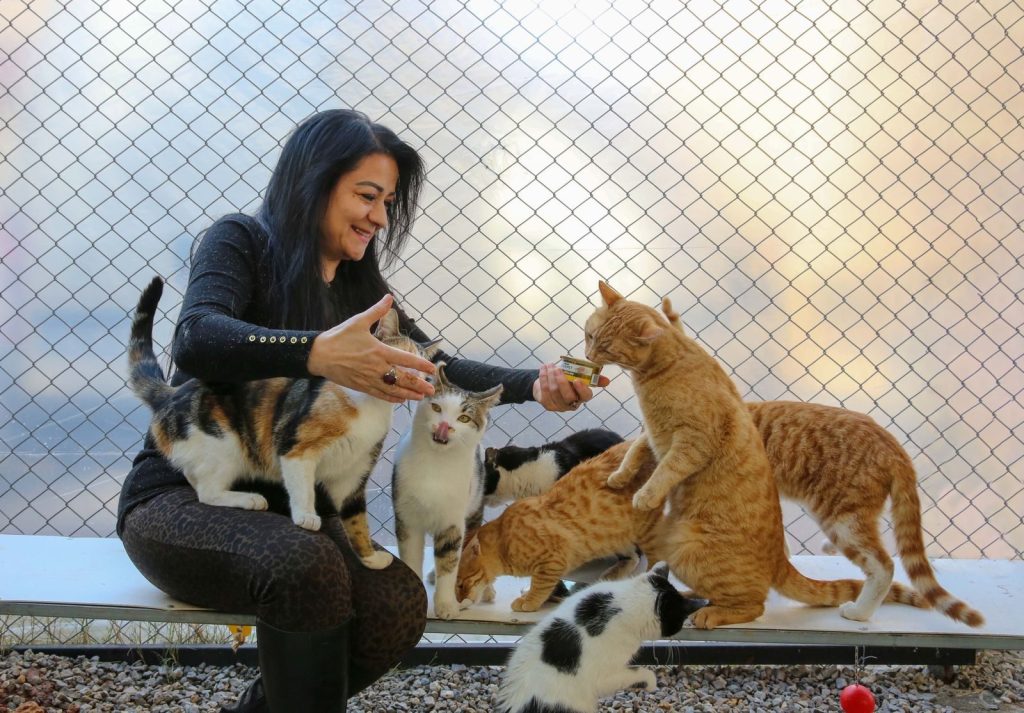
According to Parade Pets, Salt’s video shows him remaining near the person filming even when he is not physically touching them. He also reaches out for petting, behavior the report presents as part of his social nature. Those visible details matter more than guessing what he is feeling internally. A shelter profile can describe patterns that staff or fosters have observed, but adopters should still spend time with the individual cat whenever possible. Salt’s clip gives viewers a small window into how he behaves around a person, rather than a complete prediction of life in a home.
His Exact Age Was Not Given
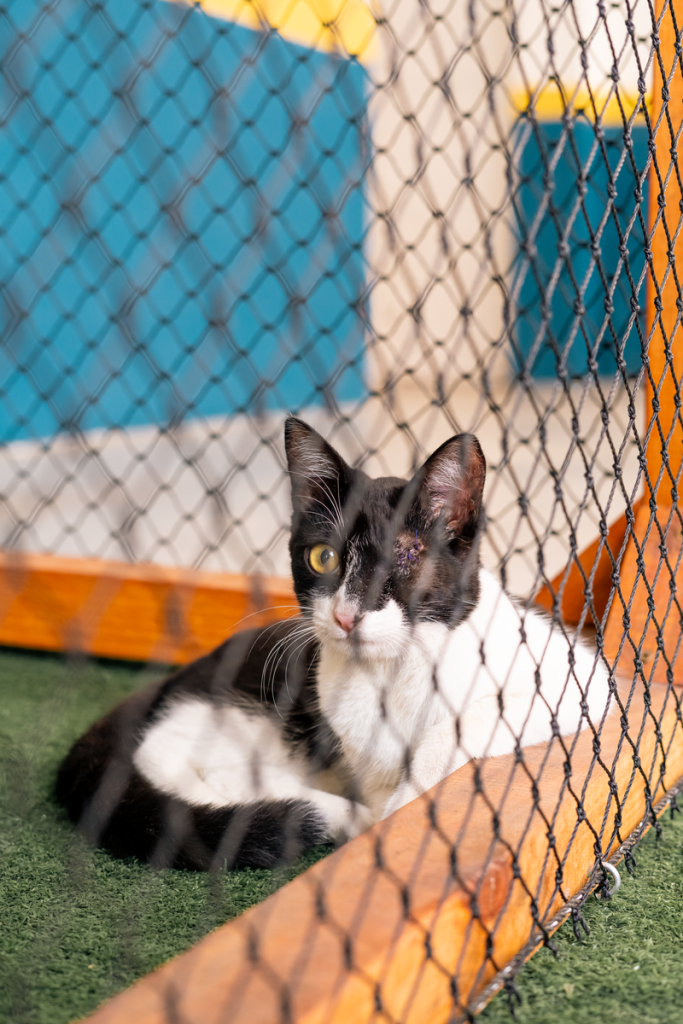
The viral framing says Salt was considered “too old,” but the published report does not state his precise age. That distinction is important. Without a documented age, readers should not repeat a number or label him as a specific life stage. Cats can also age differently depending on health, genetics, environment, and previous care. For adoption decisions, a veterinarian’s health assessment and the shelter’s behavioral observations are more useful than a vague age-based assumption. Salt’s story is strongest when it challenges the idea of dismissing a cat simply because he is no longer a kitten.
Older Cats Have Established Personalities
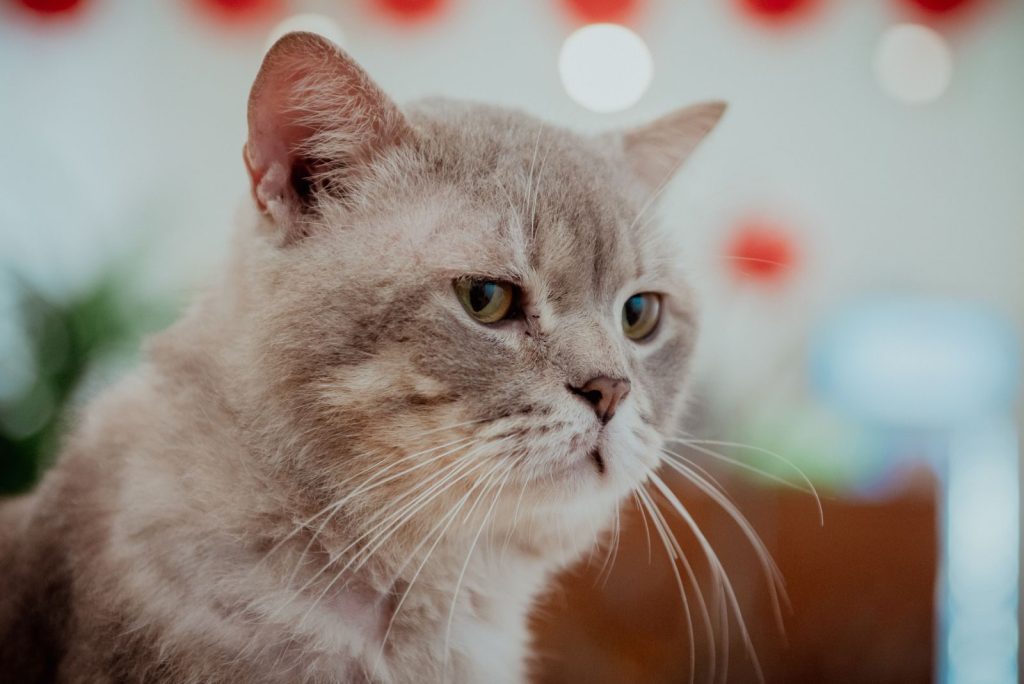
One advantage of considering an adult or senior cat is that much of the animal’s personality is already visible. The ASPCA notes that mature cats tend to have more predictable personalities than kittens, whose behavior can change as they grow. Shelter staff and foster caregivers may therefore be able to tell adopters whether a cat prefers quiet rooms, enjoys petting, seeks company, or needs more personal space. That does not guarantee perfect behavior after adoption, because a new home is still an adjustment, but it can help families make a more informed match.
Calmer Homes May Suit Some Seniors
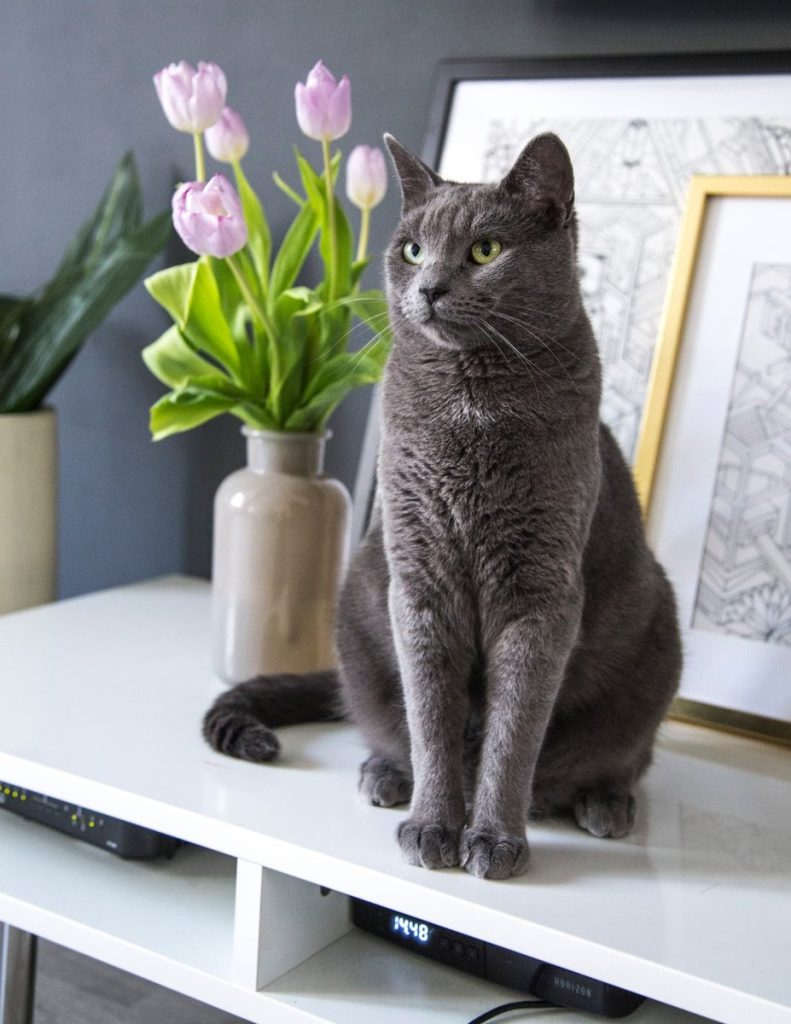
Older cats are often described as calmer than kittens, but the important word is “often,” not “always.” The ASPCA notes that adult cats can require less constant monitoring than young kittens and may settle into household routines more easily. For someone who wants companionship without the intense supervision of a very young animal, a mature cat may be a strong fit. Adopters should still ask about activity level, medical needs, handling preferences, and history. A quiet senior and an energetic adult can both be wonderful pets, but they may thrive in very different homes.
Age Does Not Prevent New Bonds
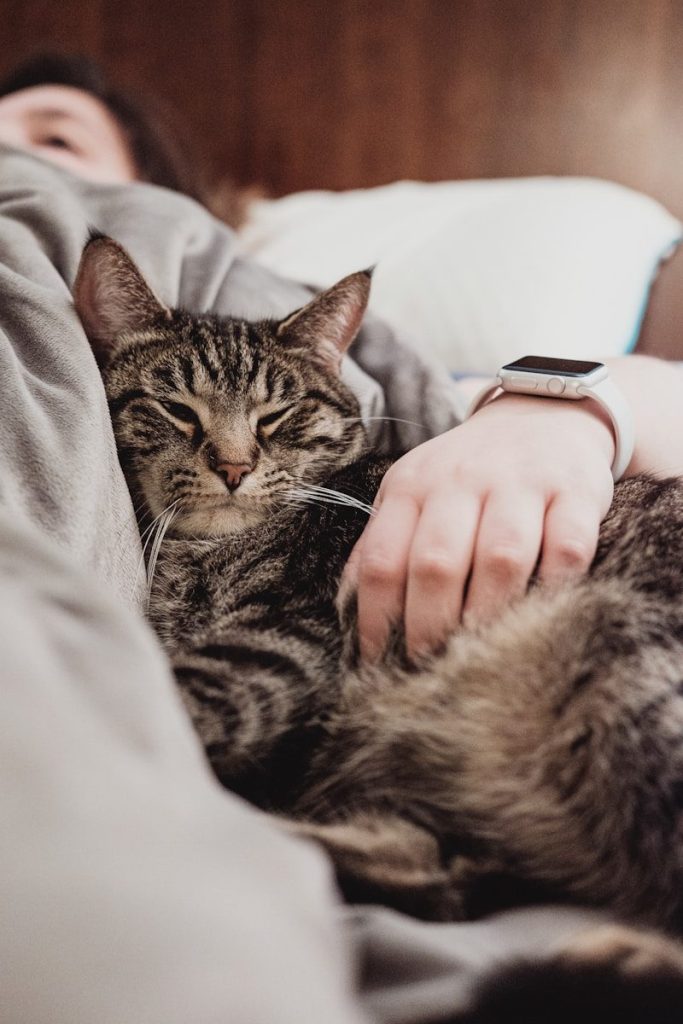
A cat does not lose the ability to form relationships simply because it is older. The ASPCA specifically notes that age is not a determining factor in an animal’s capacity for affection or new bonds. Salt’s video became appealing because his behavior around the person filming appears socially engaged: he stays nearby and reaches toward them for contact. That does not prove how he will behave with every person, but it challenges the idea that adopters must choose a kitten to build a close connection. Adult cats can develop meaningful relationships in new homes too.
Shelter Behavior Needs Context

A shelter is not the same as a home. Noise, unfamiliar smells, confinement, changing people, and the presence of other animals can affect how a cat behaves. Research has repeatedly identified shelter environments as potentially stressful for cats, which is why hiding spaces and enrichment are commonly used to support welfare. A cat who seems withdrawn in a kennel may behave differently after settling into a quieter environment. Conversely, a social cat may still need adjustment time after adoption. Evaluating shelter cats fairly means considering both what staff observe and the conditions in which those behaviors occur.
Health Needs Should Be Discussed
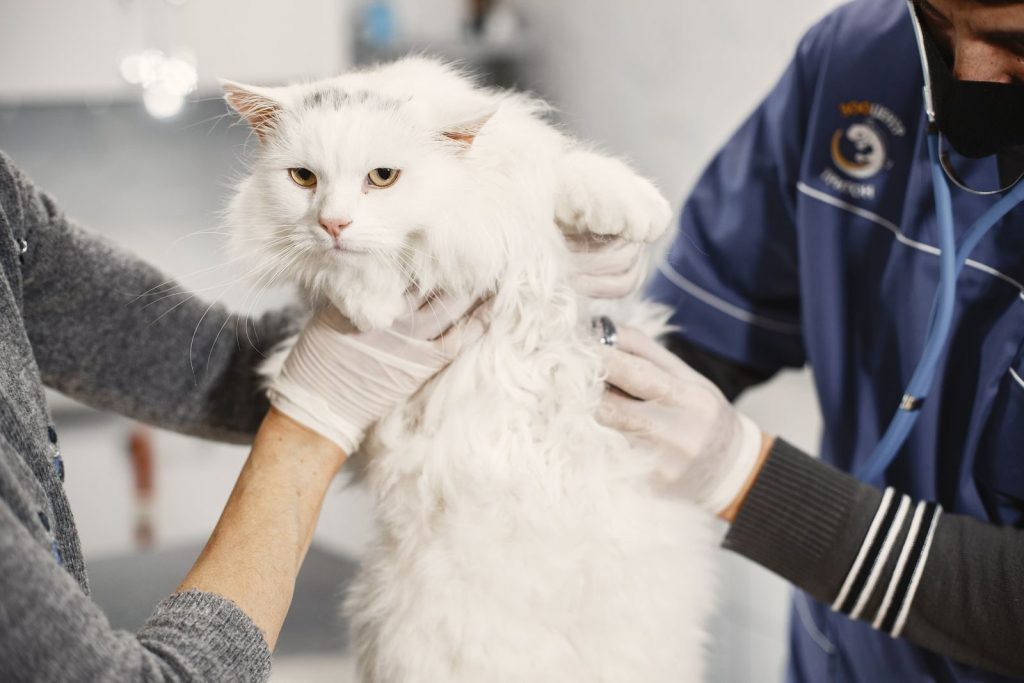
Older cats may have age-related medical needs, but age alone does not tell an adopter whether a particular cat is healthy or unhealthy. A responsible adoption conversation should cover known medical history, current medications, diet, mobility, dental care, and recommended veterinary follow-up. New symptoms should be assessed by a veterinarian rather than dismissed as “just old age.” The same is true for behavior changes after adoption, because pain or illness can affect activity, litter-box habits, appetite, and tolerance of handling. Clear information helps adopters prepare realistically instead of making assumptions based only on appearance.
The Right Match Matters Most

Salt’s story is not an argument that every person should adopt the oldest cat available. It is an argument for looking beyond age and assessing the whole animal. A successful match depends on temperament, household activity, other pets, children, available care, finances, and the adopter’s expectations. The ASPCA encourages adopters to consider each cat as an individual rather than relying on myths about older animals. Salt’s visible interest in human contact may appeal to someone seeking a companion, but the shelter or rescue responsible for him would be the proper source for his full needs and adoption suitability.
Adult Cats Deserve a Fair Look
Kittens naturally attract attention, but adult and senior cats can offer qualities that are easier to evaluate before adoption. Their size is known, their personalities are more developed, and staff may have useful information about their routines and preferences. Salt’s viral moment gives that idea a recognizable face without needing an invented happy ending. Unless a reliable source confirms that he has been adopted, his outcome should remain unstated. What can be said safely is that cats should not be ruled out simply for being older. A thoughtful adopter may find exactly the companion they wanted.
Featured Image: Photo by Israyosoy S. on Pexels