

Brooklyn Cat Cafe once became famous for an unlikely nursery arrangement involving orphaned kittens and two young rats named Remy and Emile. The idea grew from an earlier friendship between a kitten named Ebony and a white rat named Ivory. Ebony had feline leukemia virus and needed separation from other cats, but Ivory could safely provide companionship because rats do not contract the feline virus. Their bond inspired the cafe to continue carefully supervised rat-and-kitten interactions after Ebony and Ivory were gone.
Remy and Emile later spent time with very young kittens in the cafe’s nursery, where staff observed them grooming, cuddling, and playing with some of the feline residents. The arrangement looked remarkable because adult cats are natural predators of rats, yet these particular animals had been introduced under controlled conditions while the kittens were still small. Staff remained nearby and separated the animals overnight. The result became one of the Brooklyn Cat Cafe’s most memorable examples of unusual companionship during foster care.
Ebony Needed a Different Companion
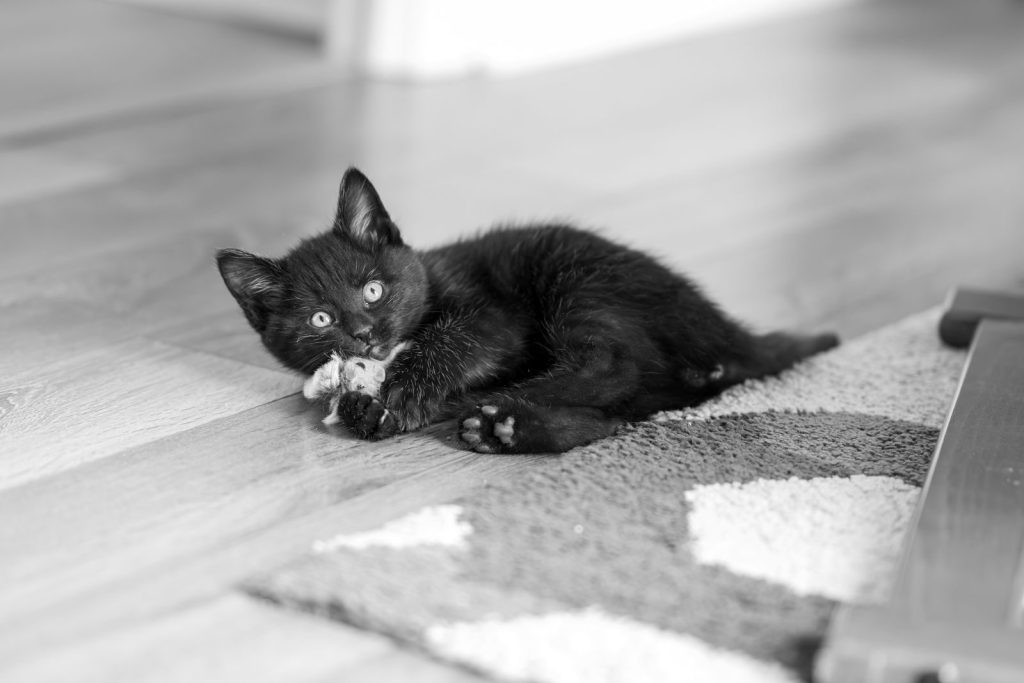
The story began with Ebony, a four-week-old kitten diagnosed with feline leukemia virus. Because the infection can spread between cats through close contact, she needed to remain separated from the cafe’s larger feline population.
Staff still wanted the young kitten to have companionship, so they introduced Ivory, a rescued white rat. Rats cannot become infected with feline leukemia virus, allowing Ivory to spend time with Ebony without creating the same transmission concern that another cat would have presented during care.
Ivory Started the Rat-Nanny Story

Ebony and Ivory reportedly played and rested together during the months they shared. Their relationship gave the isolated kitten social contact while the cafe continued managing the medical restrictions created by her FeLV diagnosis.
Ebony later died, and Ivory remained at the cafe for a time before he also died. Staff remembered the pairing positively enough that they eventually welcomed two more young rats, Remy and Emile, continuing the unusual nursery tradition with later groups of orphaned kittens at the cafe.
Remy and Emile Joined the Nursery
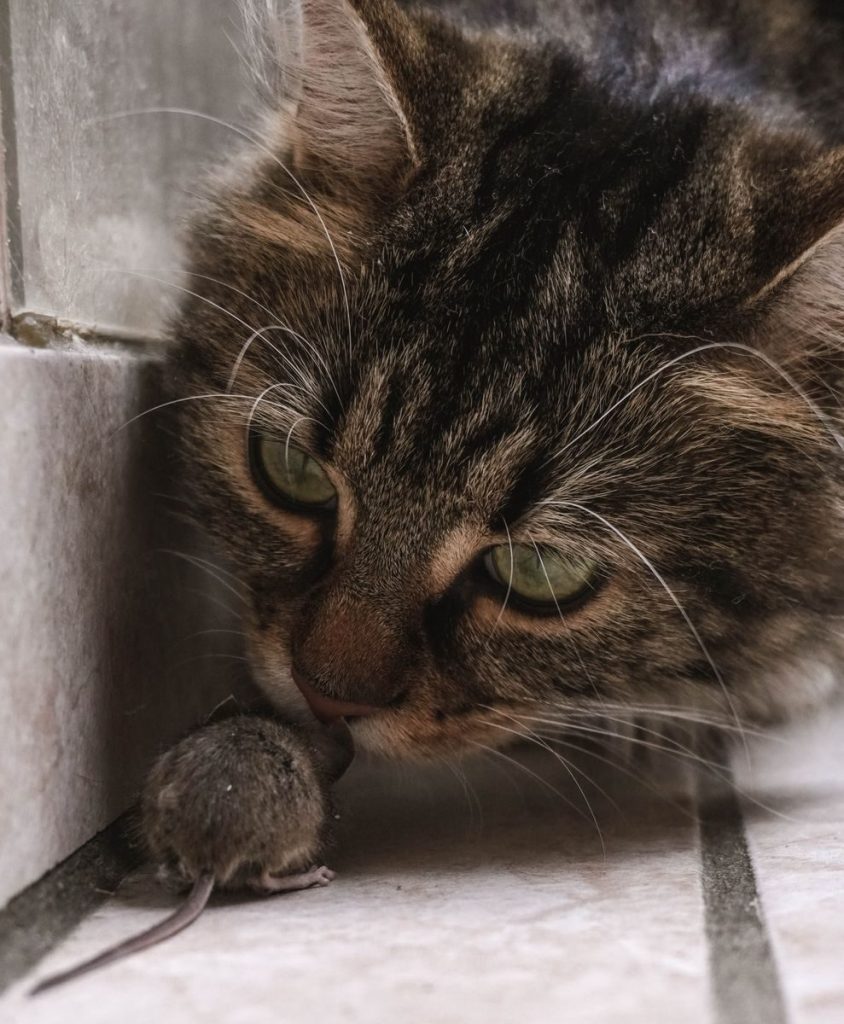
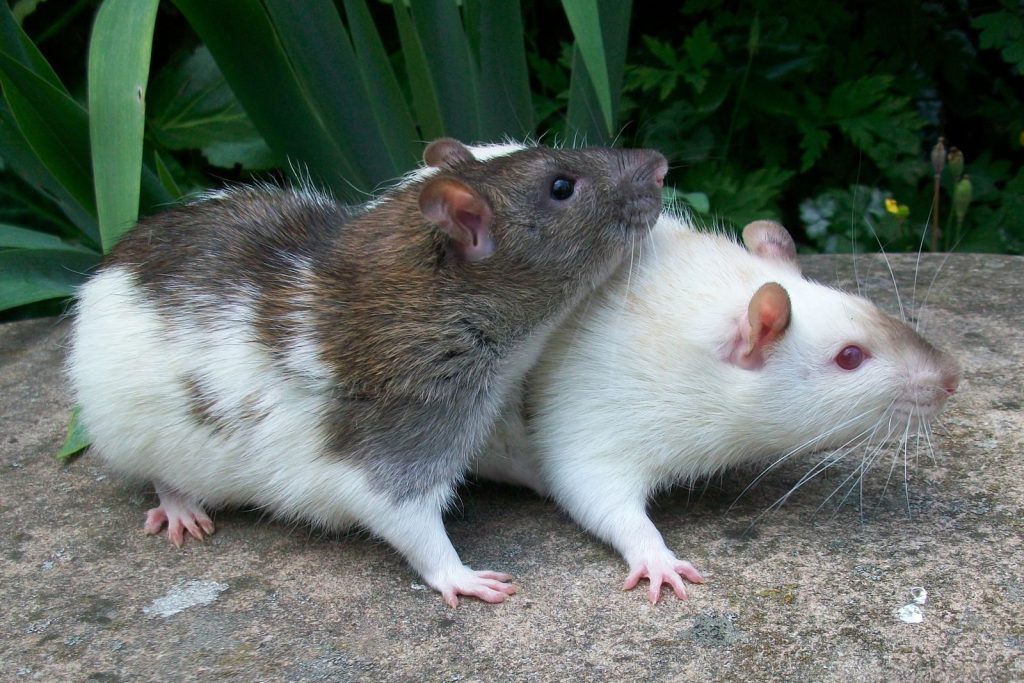
Remy and Emile came to the cafe through a small-animal rescue and were named after the rat characters associated with the animated film Ratatouille. Their role soon became much more interesting than simply living at the cafe.
The pair spent supervised time with kittens that were still too young to join the general cat population. Because the rats were accustomed to very small kittens, staff observed relaxed interactions that included shared resting, grooming, and playful contact rather than the predator-prey behavior people might normally expect.
The Rats Groomed Young Kittens
One of the most memorable behaviors was grooming. Remy and Emile were photographed and filmed licking and cleaning kittens that rested beside them, creating scenes that looked surprisingly similar to social grooming between familiar companion animals.
The rats were not replacements for a mother cat, however. Orphaned kittens still required appropriate feeding, warmth, hygiene, veterinary care, and regular human monitoring. The rats simply added another form of social contact during time in the nursery throughout each day in foster care.
Jo Became Their Frequent Visitor
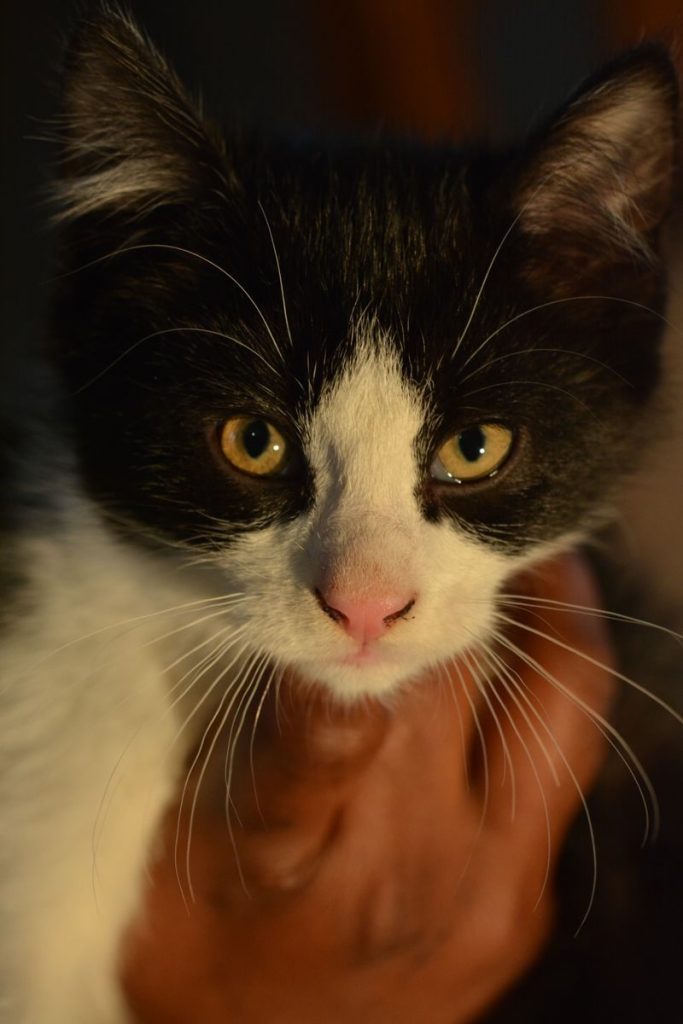
A tuxedo kitten named Jo became especially noticeable in coverage of the rat nannies. She reportedly spent substantial time around Remy and Emile, climbing into their area, resting near them, and joining them during play.
Her willingness to approach made the cross-species relationship particularly easy to photograph. Staff described her as adventurous, and the repeated interactions showed that she voluntarily returned to the rats. Jo eventually continued toward the same goal as other foster kittens: growing healthy enough for adoption.
Staff Supervised Every Interaction
Staff supervision was a major part of the arrangement. Very young kittens already required frequent feeding and care, so people were nearby during the periods when Remy and Emile interacted with them.
The animals were also separated overnight rather than being left together continuously. That structure allowed staff to enjoy the unusual companionship while keeping control over the environment. Even animals that behave calmly together can change their responses as they grow, become more energetic, or encounter unexpected movement suddenly.
The Kittens Eventually Outgrew the Nursery

The kittens eventually aged out of the nursery and became too large for the same rat companionship. As young cats mature, predatory behavior becomes a more important concern because rats remain a natural prey species for domestic cats.
Remy and Emile therefore had a very specific role during an early developmental stage. Their relationships with tiny kittens worked within the cafe’s supervised system rather than continuing indefinitely. The changing age and size of the kittens naturally brought each unusual nursery friendship to an end.
The Nursery Became an Unlikely Family
The rat nannies became memorable because they turned a difficult part of orphaned-kitten care into something unexpectedly warm. Ebony and Ivory started the idea, while Remy and Emile later gave other young kittens companionship during their temporary stay in the nursery.
For visitors and online viewers, the images challenged the familiar cartoon picture of cats forever chasing rats. Inside the Brooklyn Cat Cafe, these particular animals instead shared beds, grooming sessions, and play under staff supervision, creating a small chapter of foster care that remained unusual even in a building already full of cats.
Featured Image: Photo by Jan Dvorak on Pexels


