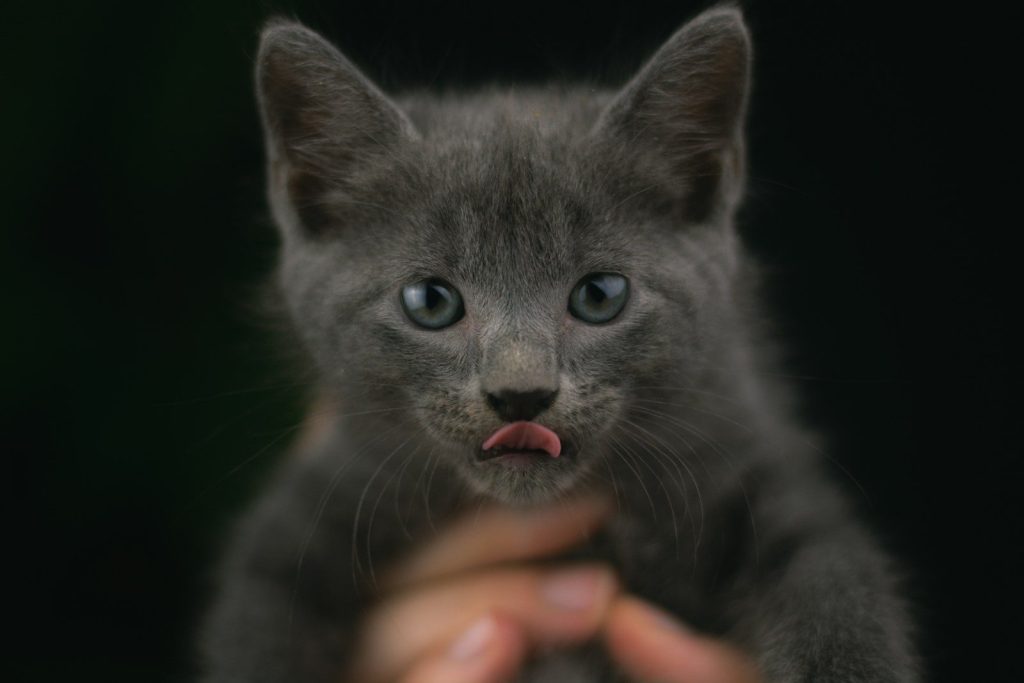

We all expect our newborn kittens to let out loud, demanding meows when they want attention or food. It is a classic sound.
But what does it mean when your baby pet only makes tiny, high-pitched squeaks instead? This unique vocal habit has a fascinating explanation.
The Silent Meow Phenomenon
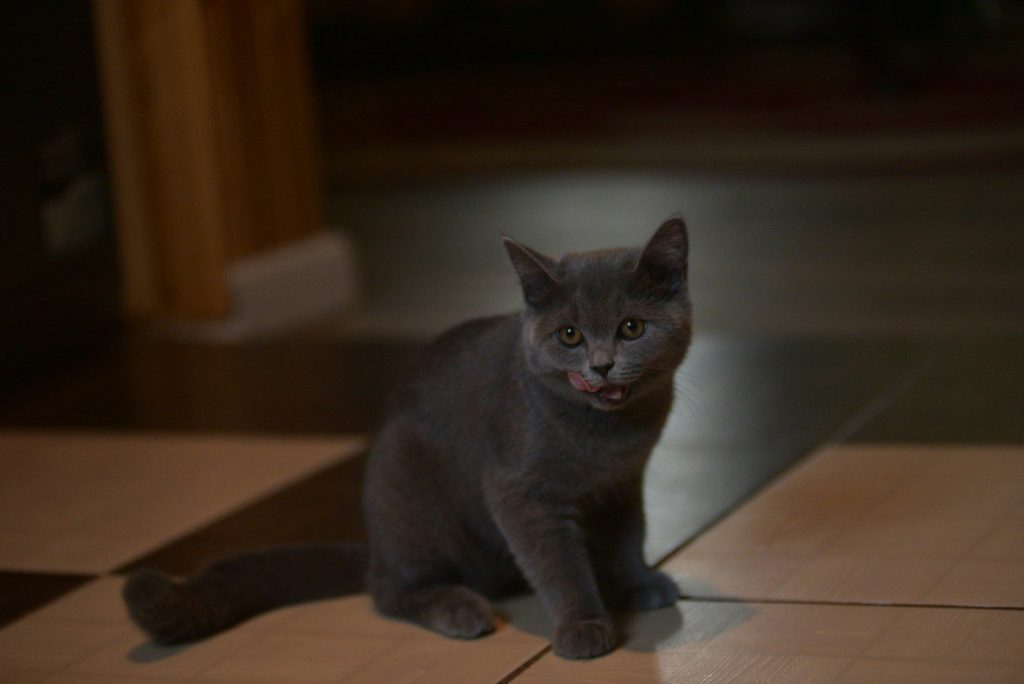
Many owners notice their kittens opening their mouths to meow, but only a tiny squeak or no sound comes out. It looks incredibly sweet. This behavior is often called the silent meow. According to researchers at the Cornell Feline Health Center, cats are actually vocalizing at a frequency too high for human ears. This silent call is reserved for special situations.
Developing Weak Throat Muscles
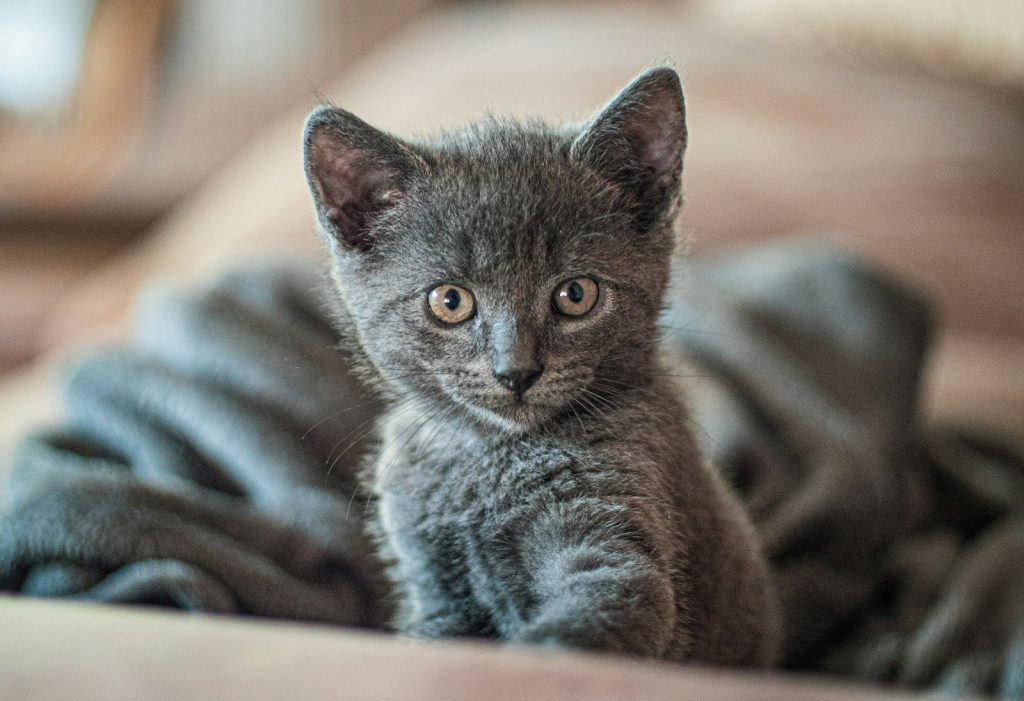
Young kittens have very small, developing throat muscles that cannot produce loud sounds yet. They are still learning. As they grow, their vocal cords strengthen, and their meows will become deeper and louder. This developmental phase is completely normal for most healthy pets. However, their early communication with their mother plays a major role.
Communicating With The Mother Cat
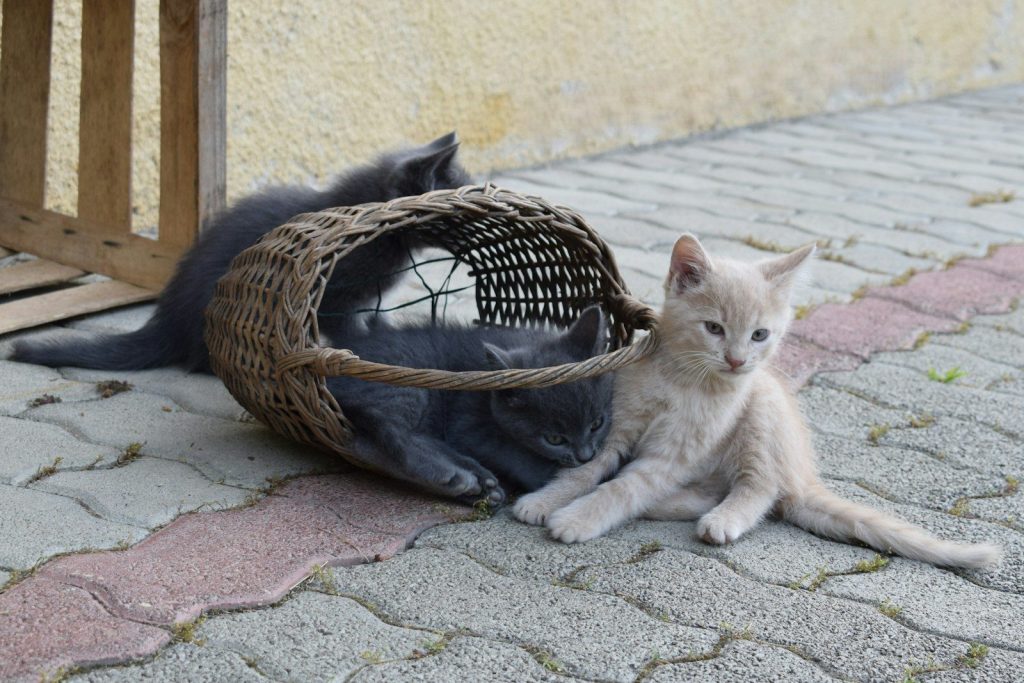
In their first weeks of life, kittens use high-pitched squeaks to tell their mother where they are. These quiet sounds do not attract wild predators. The mother cat is highly sensitive to these frequencies and will respond immediately. This early instinct remains active in your living room. But sometimes, a squeaky voice can warn of health issues.
Watching For Respiratory Infections
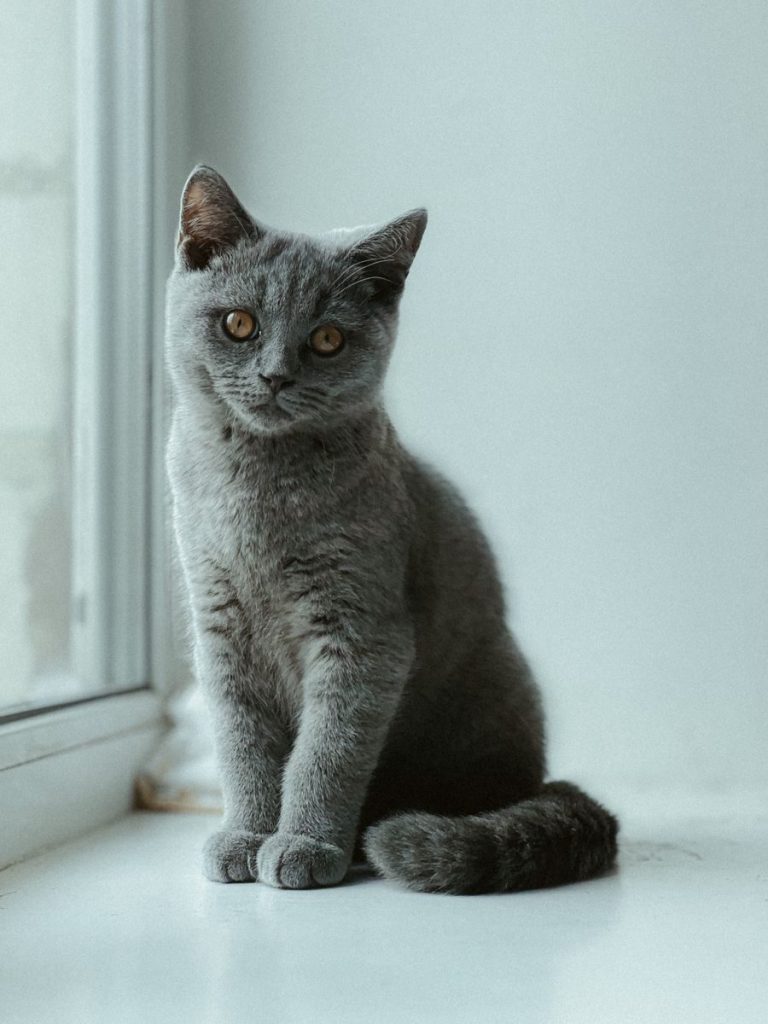
A sudden shift from a loud meow to a weak squeak can signal a respiratory infection. This is a common medical issue in young shelter rescues. According to the American Veterinary Medical Association, nasal discharge and watery eyes are additional warning signs. Monitoring their breathing patterns is vital. There is another physical check you must make.
Checking For Throat Obstructions
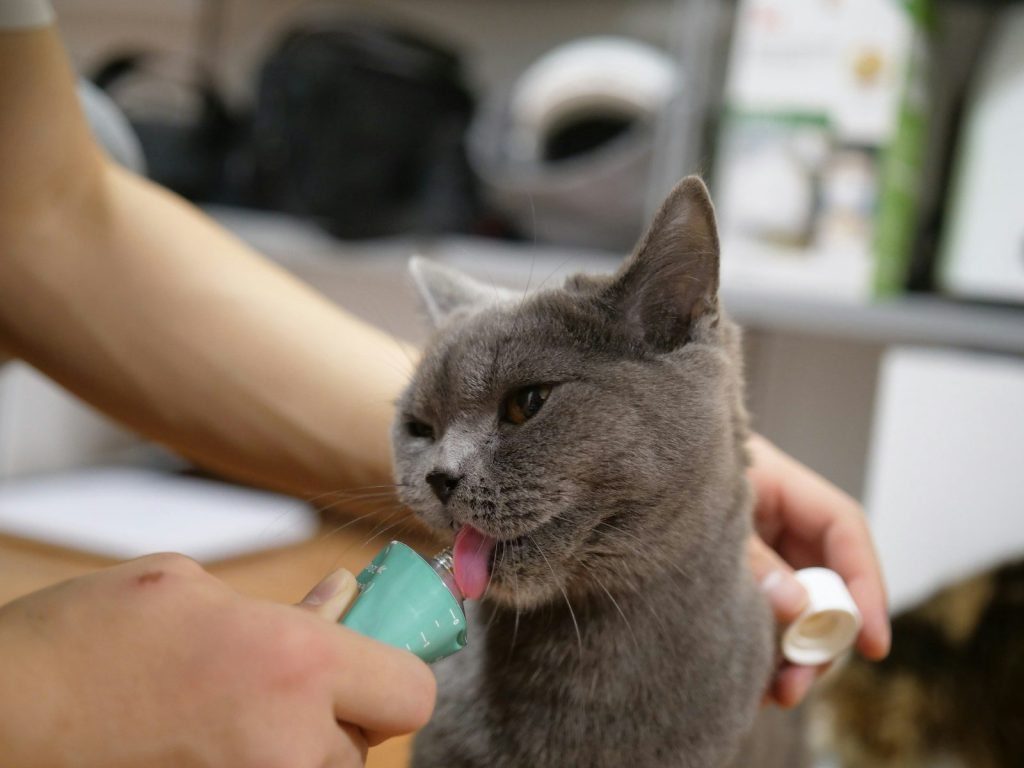
Your pet might have swallowed a small foreign object like a string or a piece of toy. This can block their throat, making vocalization painful or impossible. If you suspect your cat has swallowed something, seek immediate emergency help. Never try to remove the object yourself. Fortunately, most squeaky kittens are simply experiencing normal growth.
Supporting Vocal Development Safely
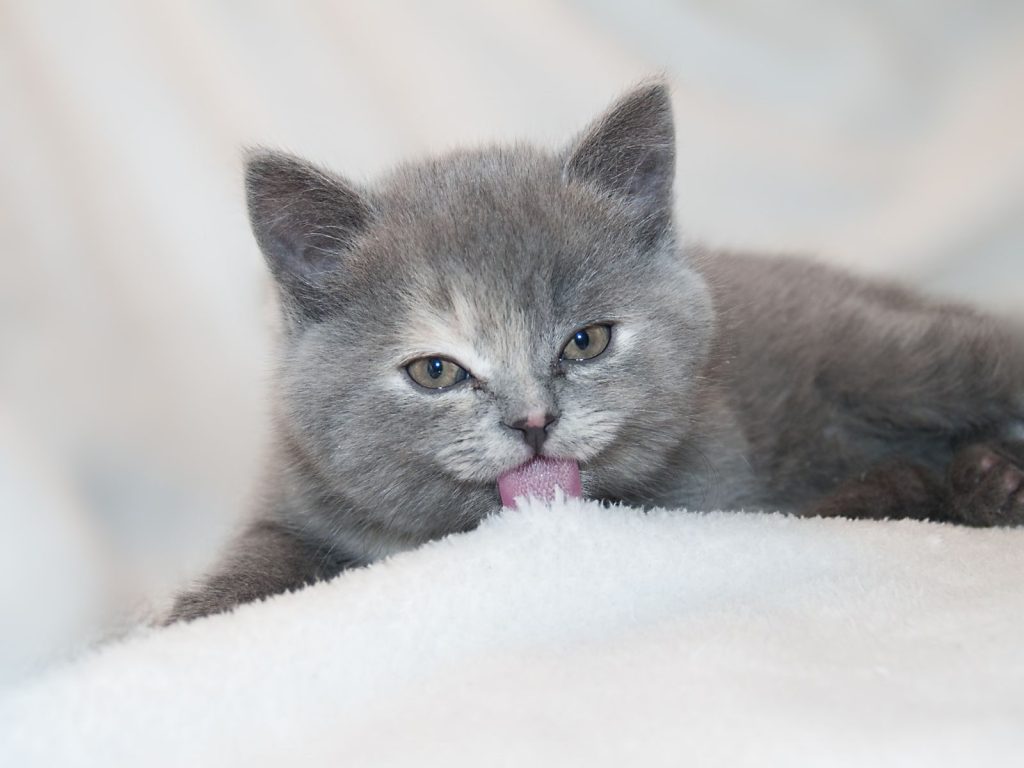
To help your kitten grow strong, provide a warm, stress-free environment and high-quality nutrition. Feed them balanced meals designed for rapid growth. According to pediatric veterinary guidelines, proper hydration is also critical for maintaining healthy vocal cords. This daily support keeps them active and happy. But you must still keep an eye on their voice.
Always Consult Your Local Clinic
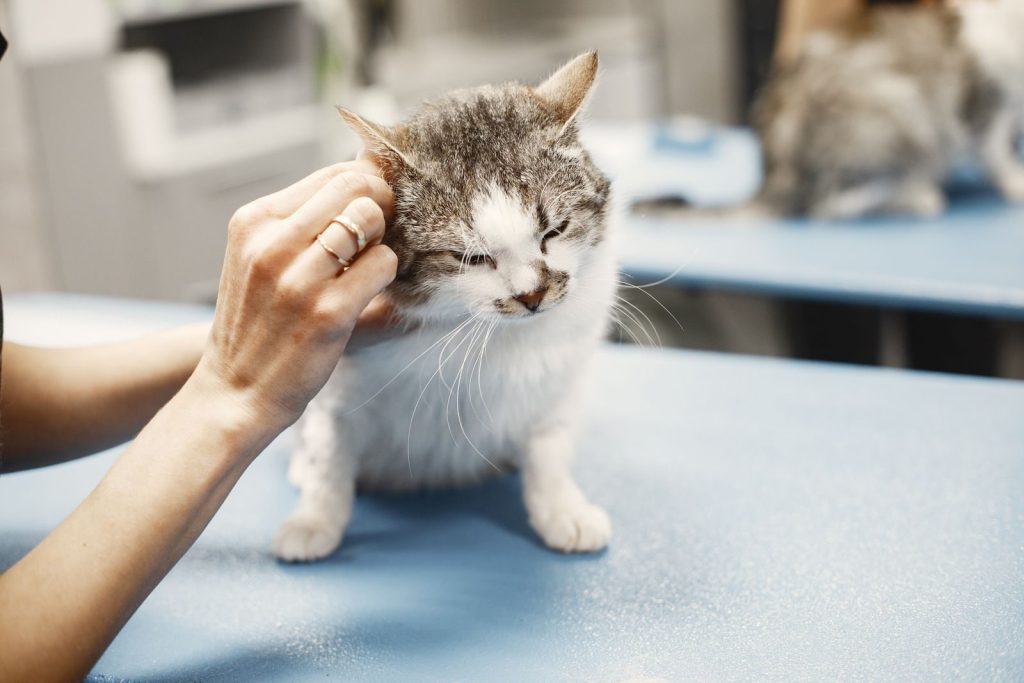
Always consult your family veterinarian if your kitten’s voice changes suddenly or if they seem in pain. This article is for informational purposes only and does not constitute veterinary advice. A professional exam can easily rule out any underlying health issues. There is a sweet reward waiting for you.
A Lifetime of Happy Purrs
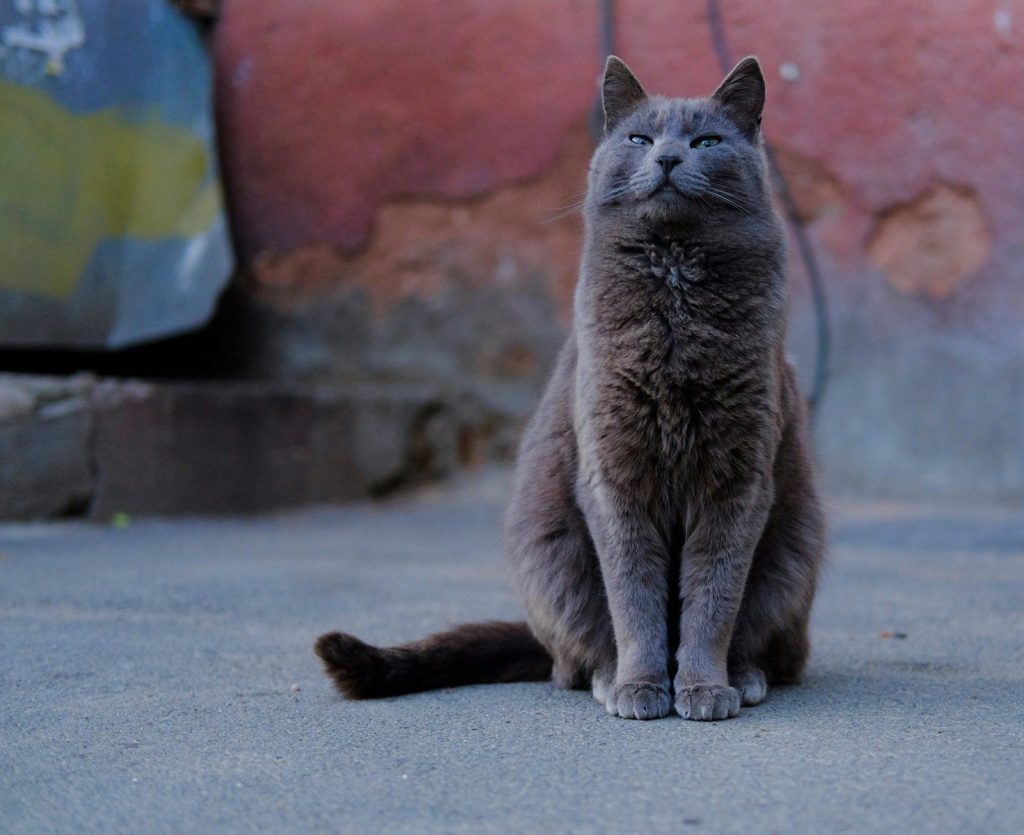
With patient care and proper nutrition, your kitten’s tiny squeaks will eventually turn into warm, loud meows. You will enjoy a lifetime of sweet conversations together. Your gentle patience during this early growth phase builds a deep, unbreakable bond of love.
Featured Image: Photo by Meaghan Cafferty on Unsplash