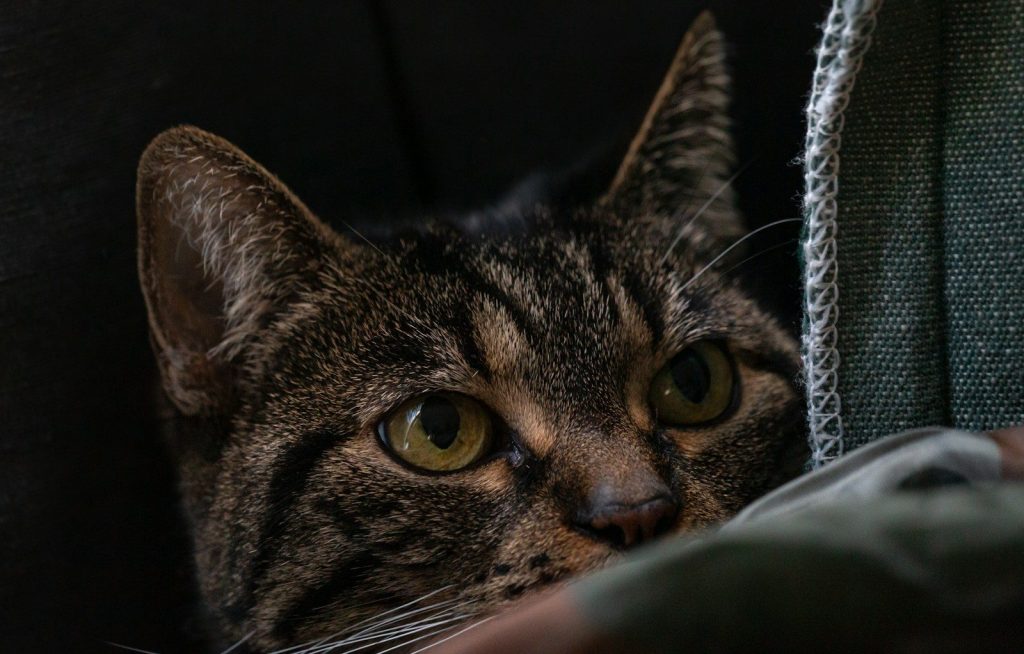

We love training our new pets and watching them learn to recognize their names. It feels like an amazing milestone.
But what happens when your clever kitten learns her name, only to run away and hide whenever you call her? This frustrating behavior has a simple explanation.
The Mysterious Name Reaction

A young tabby named Lola recently learned to recognize her name within a few weeks. Her owners were thrilled. But they quickly noticed that Lola would immediately bolt under the sofa whenever they called her. She was not ignoring them, but actively avoiding them. This strange reaction is actually a very common training mistake.
Creating Negative Name Associations
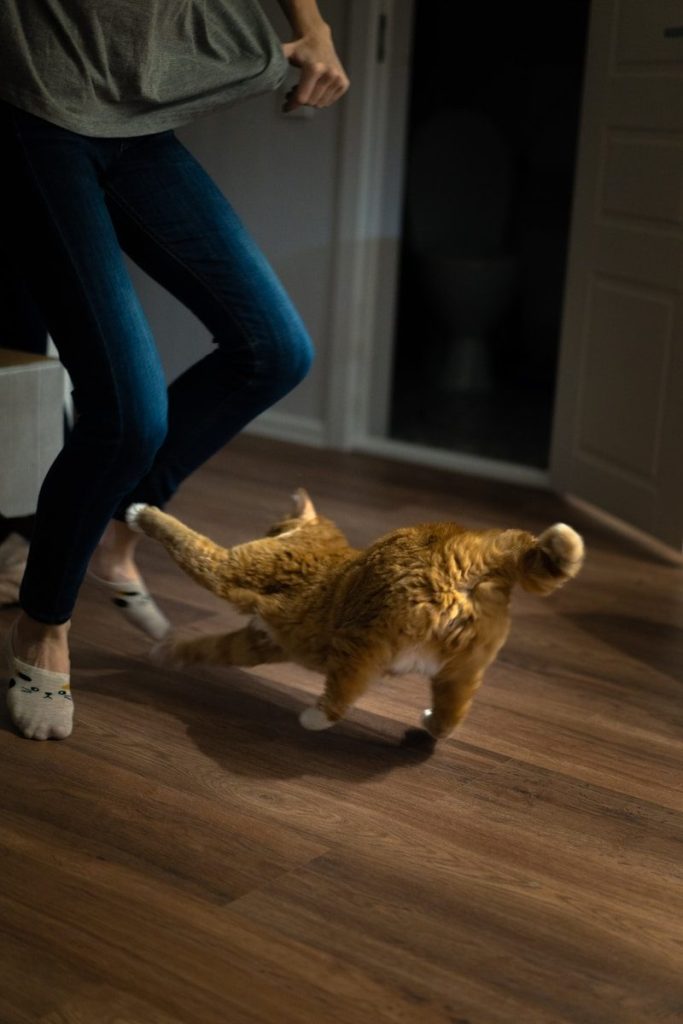
Felines are incredibly fast learners who connect words with the immediate consequences that follow. If you only call your cat’s name before giving them a bath, clipping their claws, or putting them in a carrier, they will remember it. They quickly learn that hearing their name means something unpleasant is about to happen. This negative connection forces them to hide.
How Cats Interpret Your Voice

These pets also pay close attention to your vocal tone when you call them. If you yell their name in anger after they scratch the couch, they will feel threatened. According to the American Veterinary Medical Association, cats do not understand punishment but respond heavily to fear. They will hide to stay safe. Fortunately, you can easily retrain them.
The Magic of Positive Recall

To fix this behavior, you must rebuild a positive association with their name. Only call them when you are about to offer high-value treats, delicious meals, or fun play sessions. Use a soft, high-pitched voice to make yourself sound friendly and inviting. This positive reinforcement encourages them to run toward you instead of hiding.
Keeping Recall Sessions Brief

Practice calling your pet’s name several times a day from short distances inside the house. Keep it simple. Reward them immediately with a treat and praise when they take a step toward you. According to reports from the Humane Society, short, consistent training sessions are highly effective for felines. This patience builds their confidence.
Respecting Their Hiding Spots

Never drag your cat out of their safe hiding spot after calling their name. This forced contact will ruin their trust and worsen their fear. Let them emerge on their own terms, rewarding their bravery with a quiet snack. This patient approach is vital for their mental health. But there is one final rule to remember.
Consistency Wins Their Trust

Be consistent with your training and keep every interaction positive and rewarding. With time, your clever companion will stop hiding and happily run to your side whenever you call her name. This article is for informational purposes only.
Featured Image: Photo by Lukas Boekhout on Unsplash