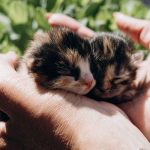
A quiet paw resting on your arm can feel surprisingly meaningful, but there is no single secret translation for the gesture.
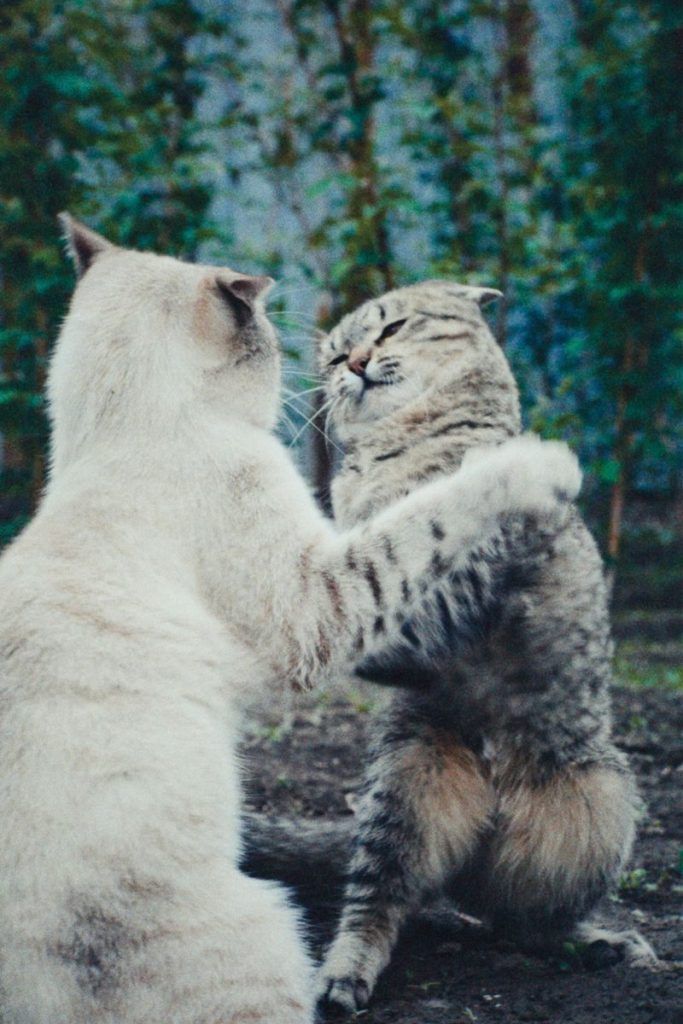
Cats use their paws in different contexts. Attention, affection, play and requests for food can all produce very similar little taps.
Your Cat Wants Attention
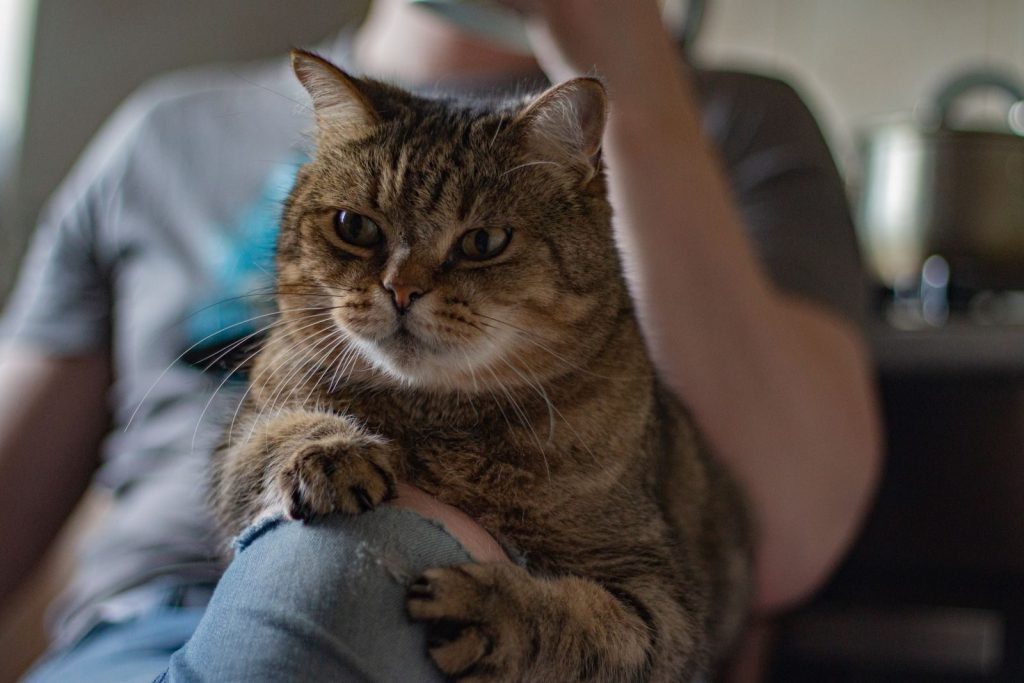
A cat may simply be trying to make you notice them. Pawing works much like a gentle tap on the shoulder, especially when the cat has learned that touching you reliably produces a response.
Affection Can Be Involved
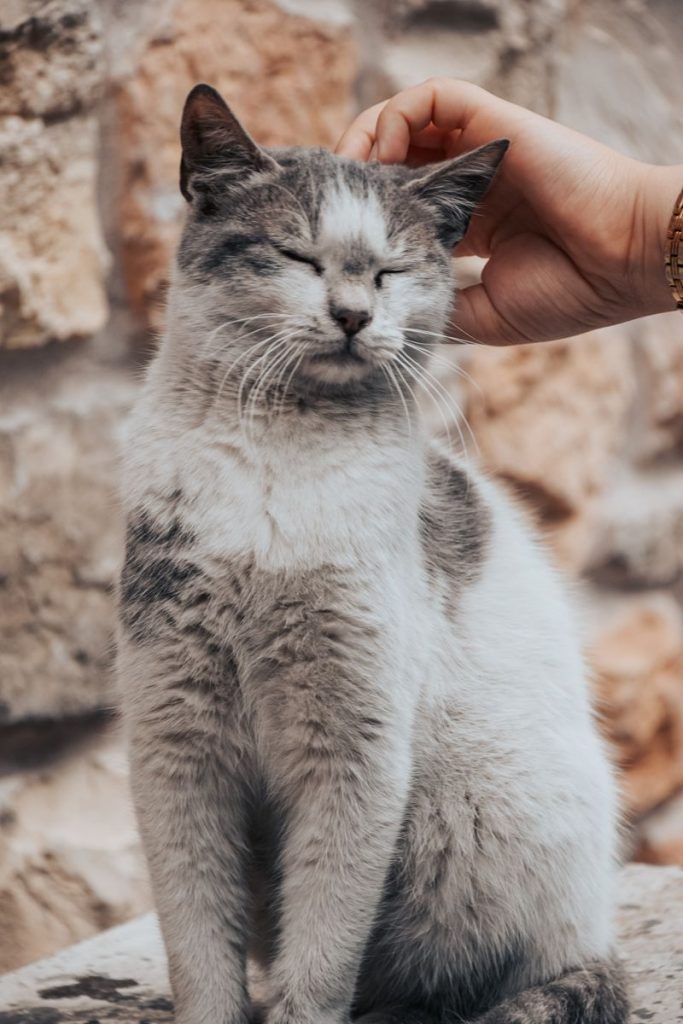
Some cats reach toward their people while seeking petting or closeness. If the paw is accompanied by head rubbing, relaxed posture or other friendly behavior, attention and affection are reasonable possibilities.
Dinner May Be the Goal
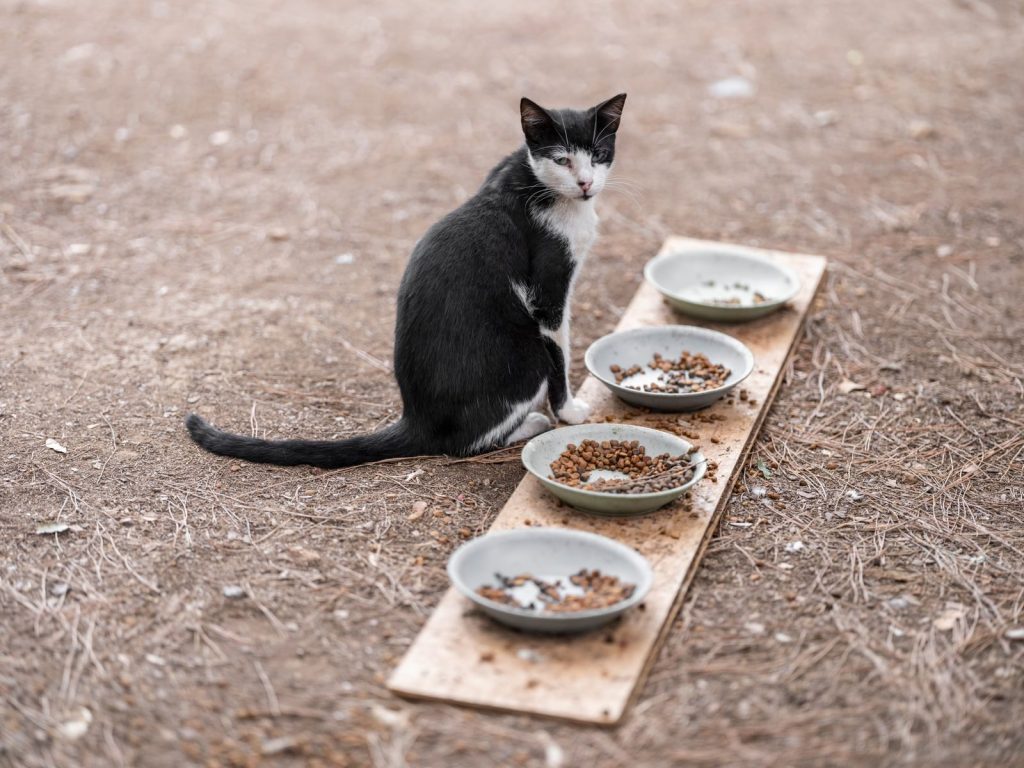
Context matters. A cat that touches you and then heads toward its food bowl may have discovered an efficient way of requesting dinner rather than expressing a mysterious emotional message.
Your Cat May Want Play
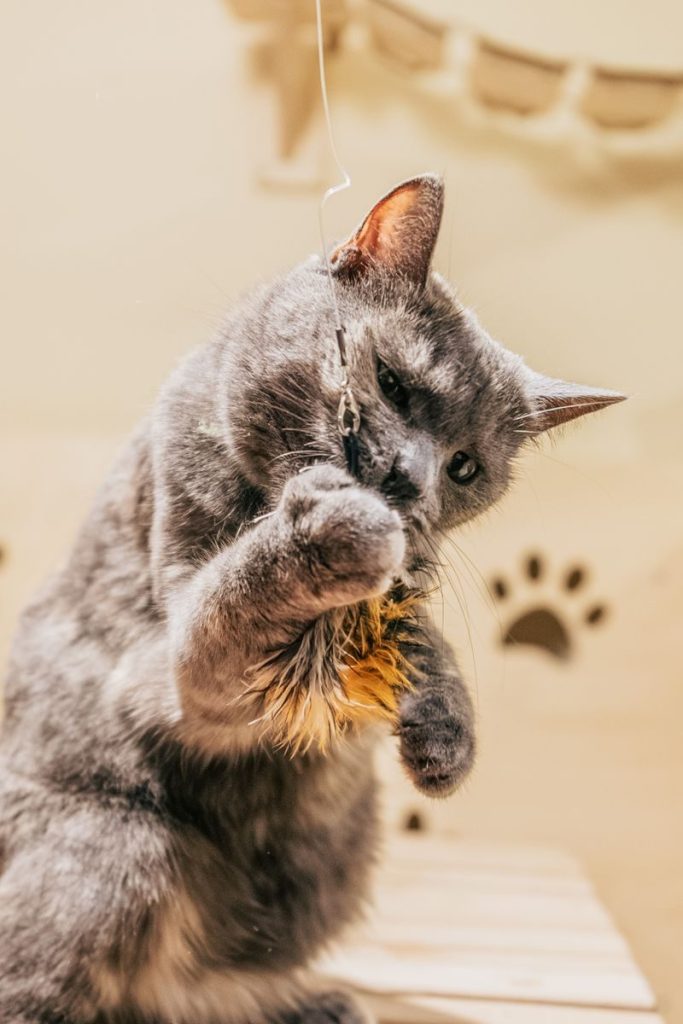
A paw can also begin an interaction. Cats that are energetic or bored may tap their humans before moving toward toys or engaging in playful behavior.
Kneading Starts in Kittenhood
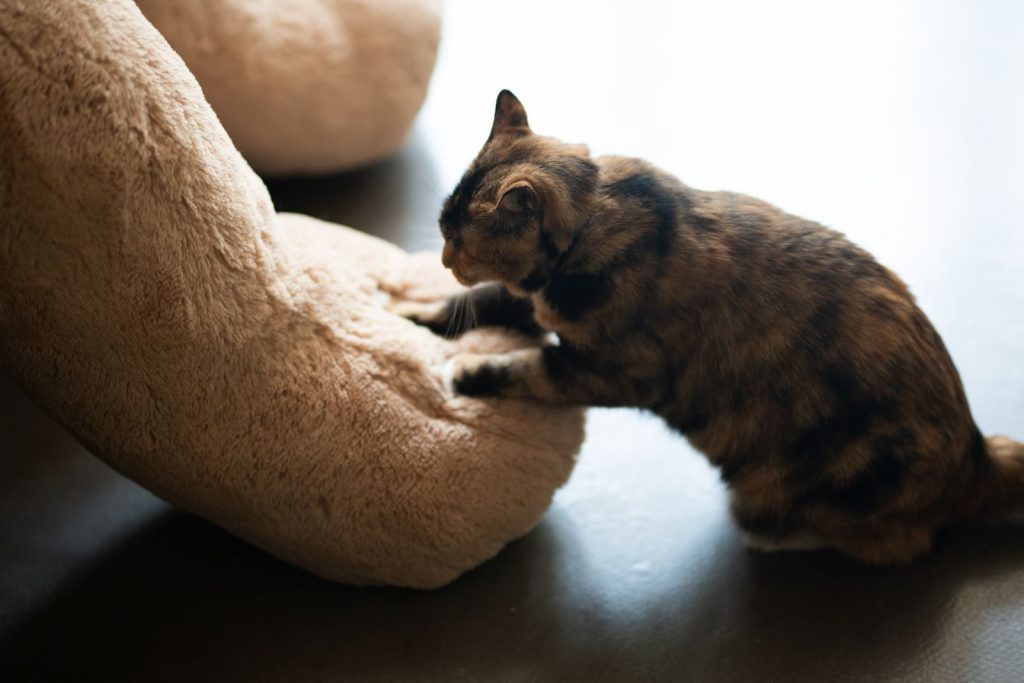
Kittens rhythmically knead their mother while nursing. Many adult cats retain kneading as a comforting behavior and may perform it on blankets or their favorite humans when relaxed.
Watch the Rest of the Body
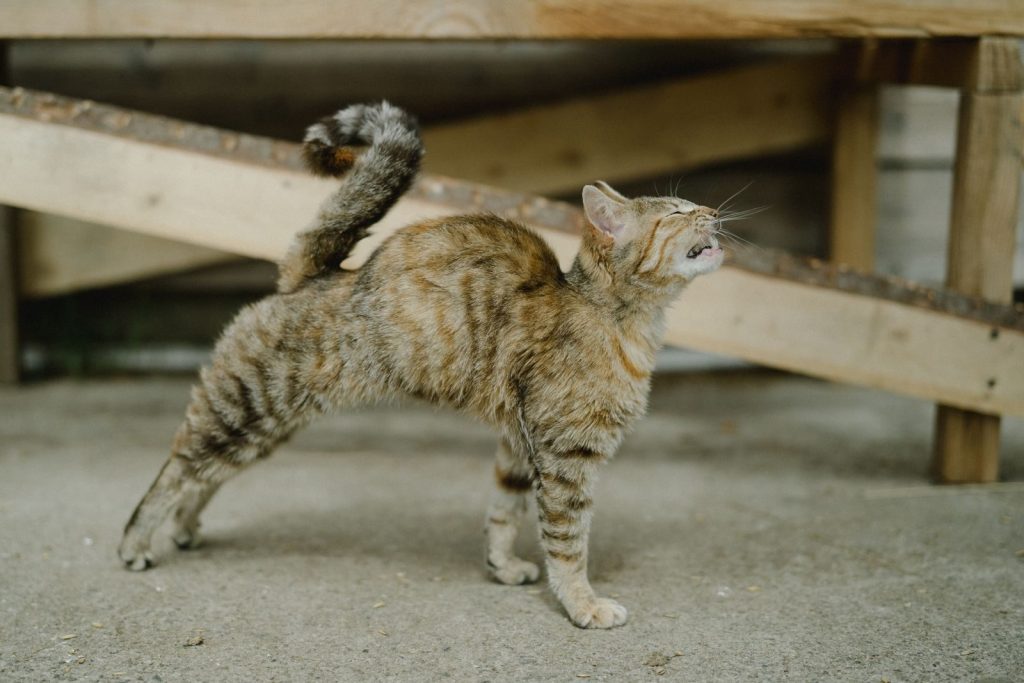
A relaxed cat with soft eyes communicates something very different from a tense cat with flattened ears or an agitated tail. The paw itself makes much more sense when interpreted alongside the cat’s posture and surroundings.
Cats Learn What Works
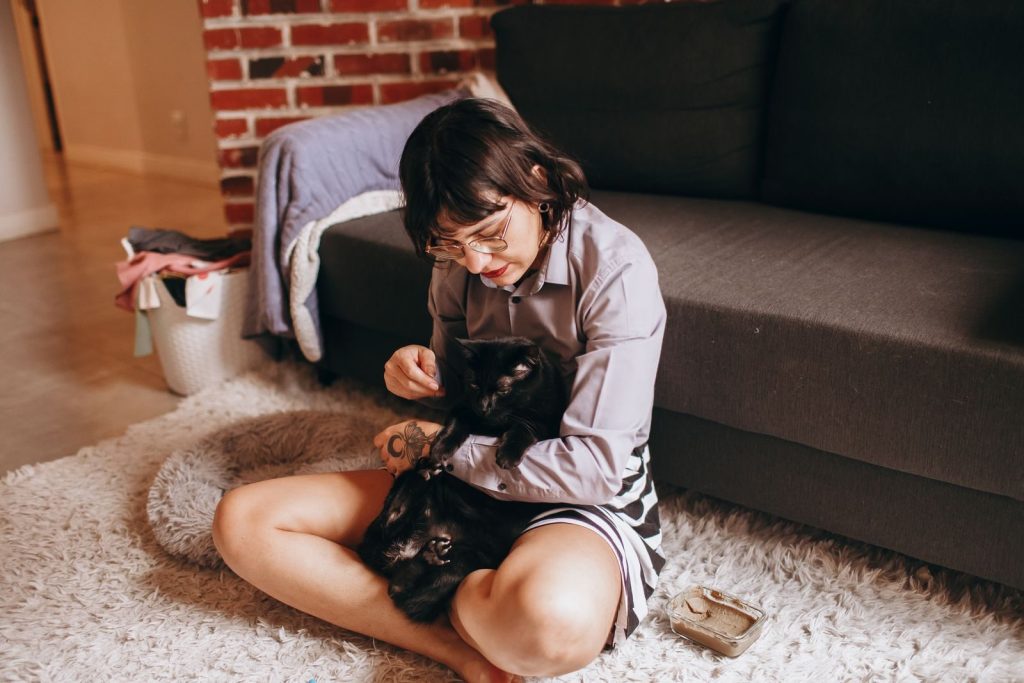
If pawing makes a person immediately provide food, play or affection, the behavior can become especially effective communication. Cats are capable of repeating actions that reliably produce outcomes they enjoy.
Sudden Changes Deserve Attention
Pawing itself is normally harmless, but an abrupt change in a cat’s usual behavior can sometimes accompany stress, pain or illness. Knowing what is normal for your individual cat makes unusual changes easier to notice.
Featured Image: Photo by Osman İçli on Pexels