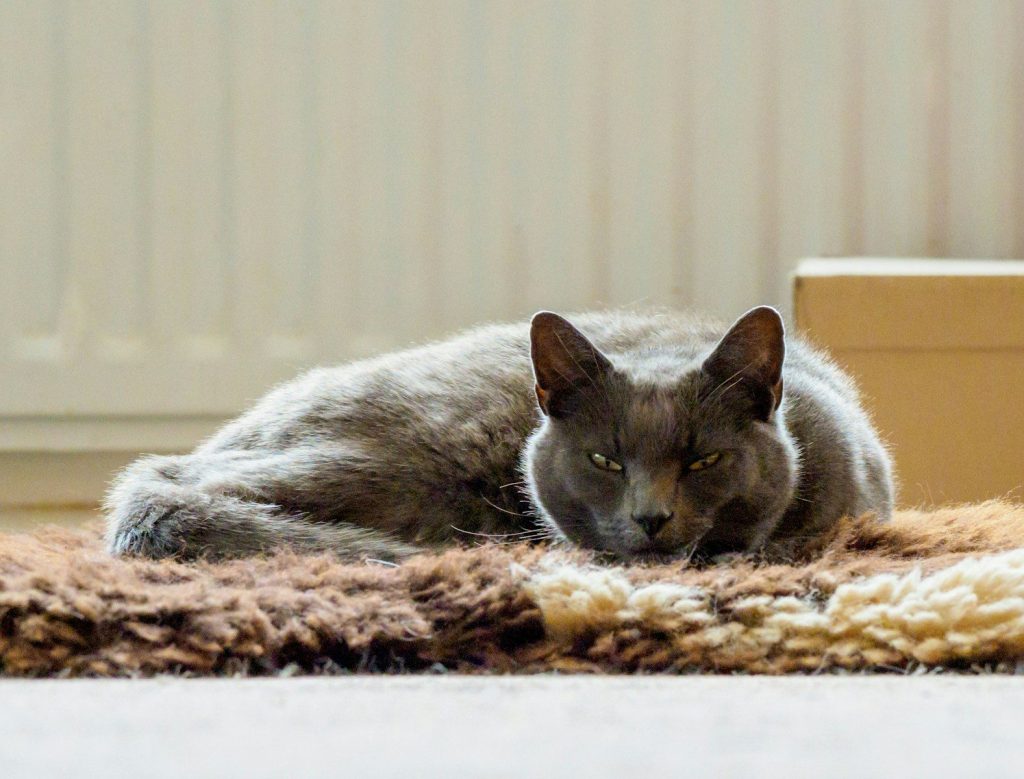

Welcoming a newborn baby into a home with a resident cat can make owners highly anxious. We naturally worry about territorial conflicts or accidental scratches.
But many felines surprise us by displaying incredible patience around small children. What is driving this complex, quiet tolerance in your pet?
The First Suspicious Stares
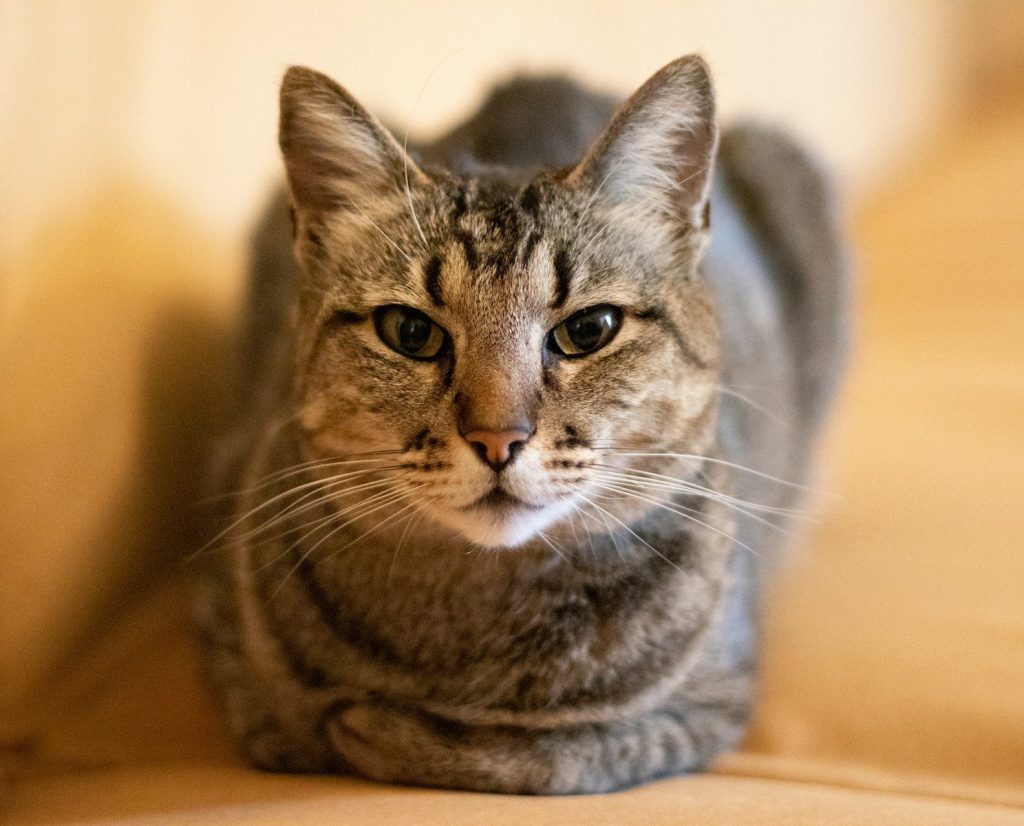
A handsome tabby named Oliver spent his days lounging quietly on his favorite living room rug. He loved his routine. But his owners recently brought home their new baby, disrupting his peaceful schedule. Oliver watched the infant from a distance with wide, suspicious eyes. He seemed highly annoyed by the strange sounds.
Sniffing The New Companion
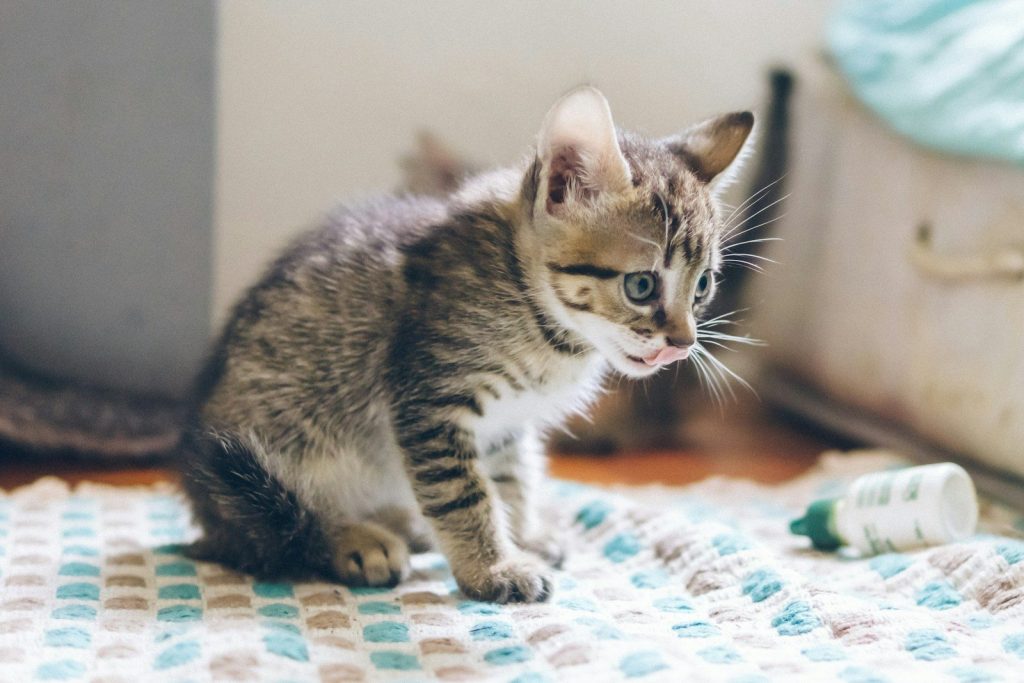
Instead of running away, the tabby slowly crawled forward to sniff the baby’s blanket. He was curious. According to the American Veterinary Medical Association, felines rely heavily on scent to identify friend from foe. Scent swapping helps build a sense of familiarity before any close contact happens. Oliver was beginning to accept the newcomer.
The Clumsy Hand Pull

The infant reached out and accidentally grabbed Oliver’s fluffy tail with her small hand. This was critical. Felines have highly sensitive nervous systems that can easily become overloaded during sudden touches. Oliver flattened his ears, looking highly annoyed by the pressure. But instead of swiping, he did something completely unexpected.
Setting Soft Silent Boundaries

Oliver simply let out a soft meow, gently pulling his tail away before resting his head nearby. He stayed calm. This quiet patience surprised the parents, who watched their interactions closely. According to reports from the Humane Society, pets raised in stable environments often develop high empathy. Oliver was teaching the baby how to be gentle.
Supervising Every Single Interaction
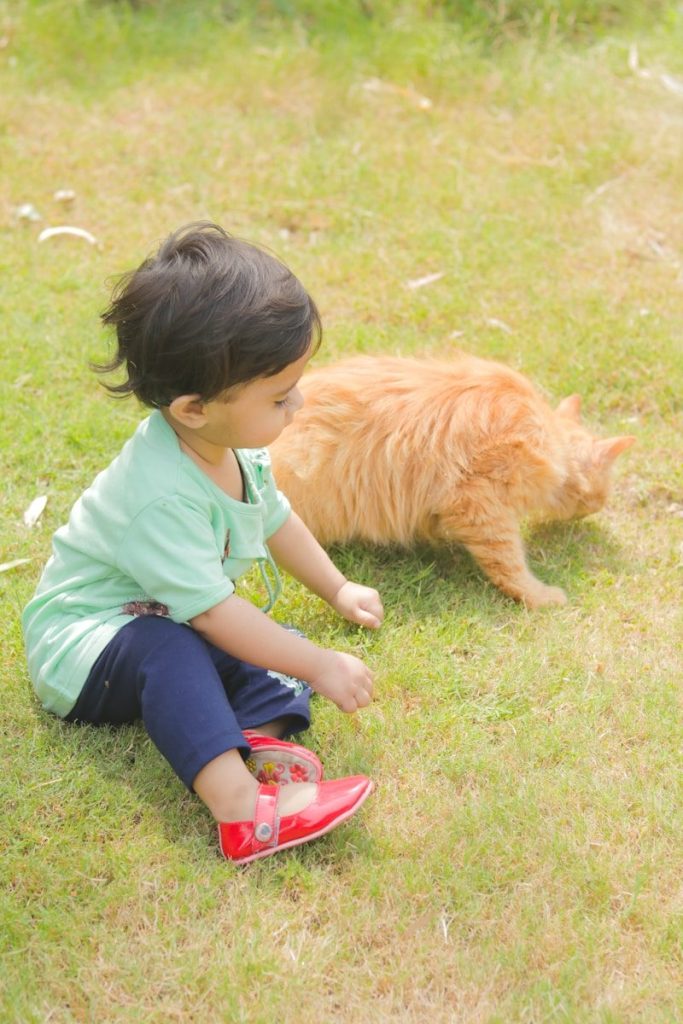
Young kids are still developing their motor skills and can grab a pet too tightly. Always supervise their play sessions to prevent accidental injuries. Keep the games calm, short, and focused on gentle touches. According to pediatric guidelines, structured interaction prevents behavioral issues in growing cats. But you must also create a safe escape route.
Creating Private Feline Escape Zones

Felines need quiet spaces where active children cannot reach them. Set up a tall cat tree or utilize a high shelf in the living room. This elevated boundary allows your pet to observe the room without feeling trapped. A secure hiding spot reduces their anxiety levels. Fortunately, there is a simple way to build trust.
The Flat Hand Petting Rule

Show your child how to pet the cat gently on their cheeks and chin, where felines love touch. This simple technique prevents painful pulling. It builds a strong foundation of trust between the two friends. Always reward calm interactions with healthy treats. There is one final check to make tonight before bed.
A Lifetime of Shared Love

Being patient with both your child and your pet ensures a lifetime of sweet memories. Love wins. This article is for informational purposes only and does not constitute veterinary advice. Enjoy watching your companion and child safely grow up together in complete harmony.
Featured Image: Photo by Brett Jordan on Unsplash