
We love pampering our domestic felines with treats and premium toys. They seem perfectly content lounging in our homes.
But here is the thing. Your independent pet might actually view you as their personal assistant rather than their owner.
Controlling Your Daily Movement
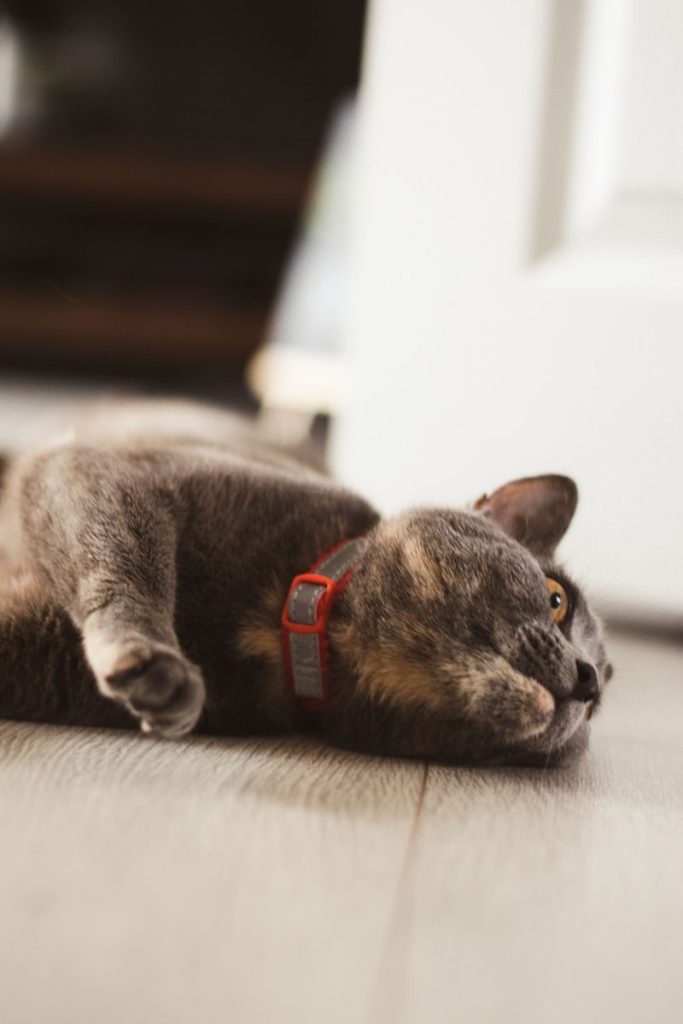
Do you find yourself stepping around your sleeping cat on the floor? Felines often block hallways and doors on purpose. By making you adjust your path, they are quietly asserting dominance over the household territory. It is a subtle way of showing who truly owns the space. But their territory mapping gets much more personal.
Enforcing Morning Meal Times
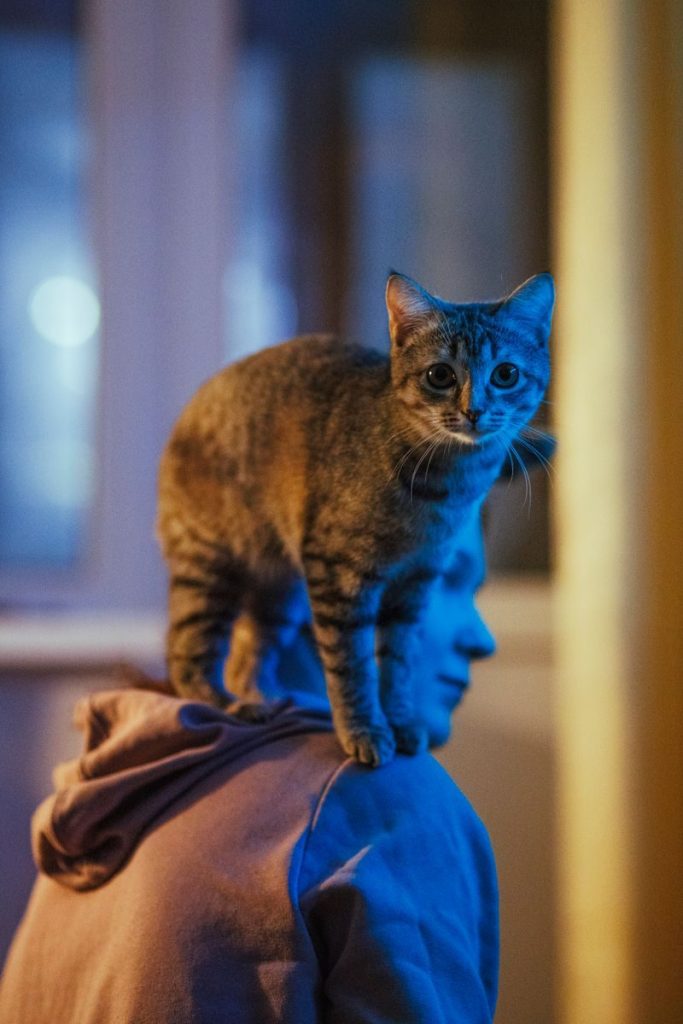
Your pet knows exactly when you should wake up to fill their bowl. They will sit on your chest or tap your cheek until you move. By rising immediately, you are reinforcing their subtle training methods. They quickly realize that certain sounds bring instant results. However, food is not the only thing they demand on their own schedule.
Demanding Direct Attention Now
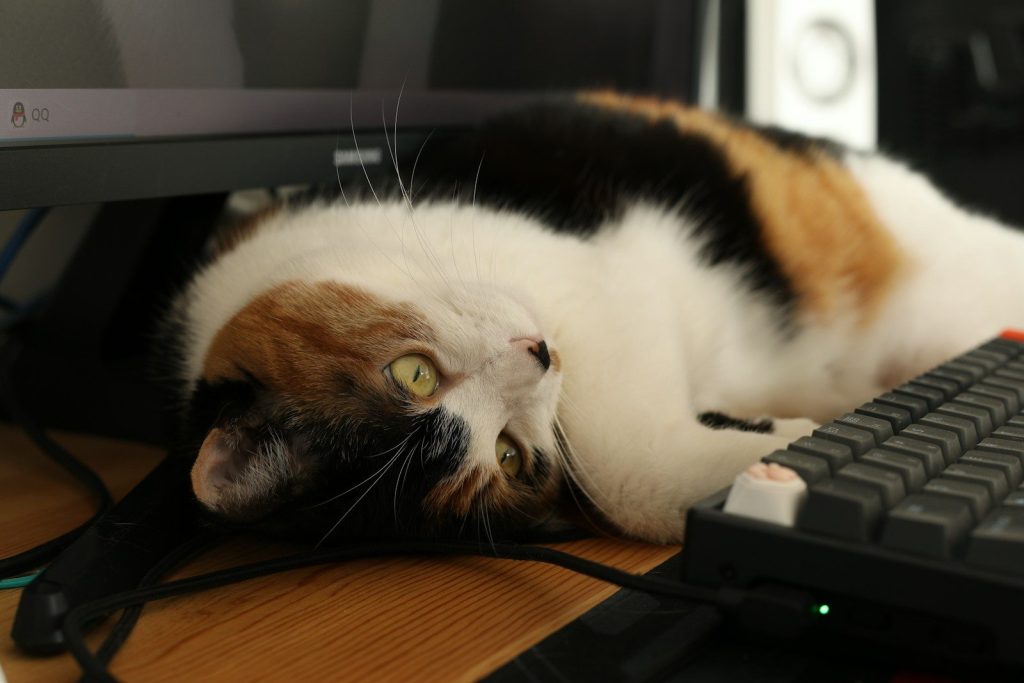
Many cats will walk directly across your computer keyboard while you work. They are not trying to be helpful. By blocking your view, they force you to interact with them immediately. They teach you that their needs always come before your daily tasks. But their possessive behavior can look highly affectionate.
Directing Play With Bites
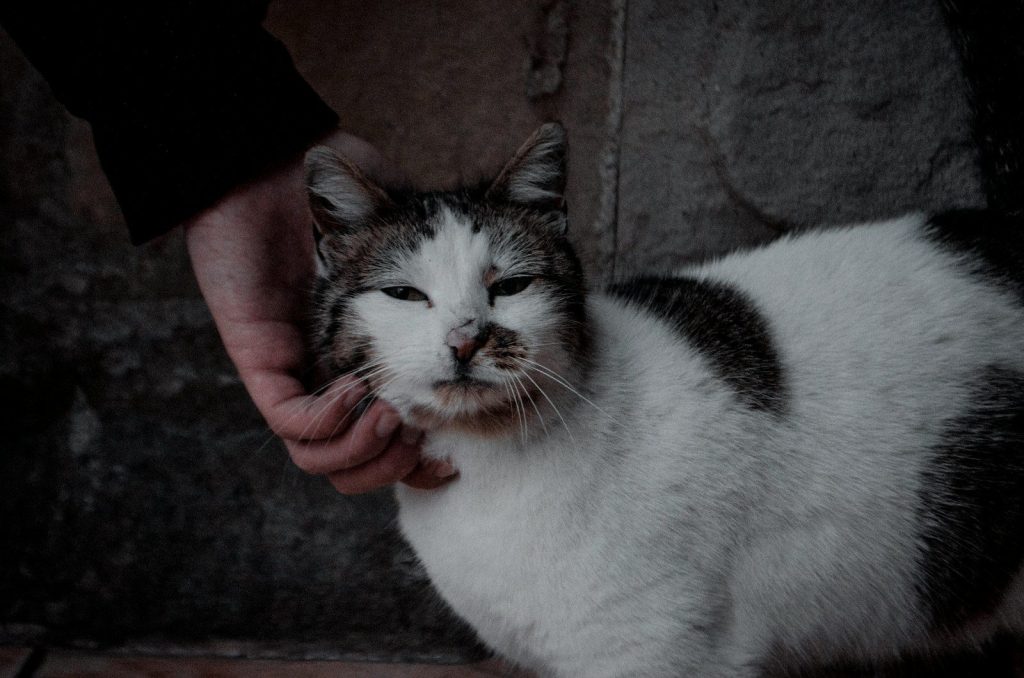
A playful nibble during a petting session is actually a very calculated instruction. Your cat is telling you exactly when they have had enough touch. They train you to stop petting them before they get overstimulated. According to reports from the Cornell Feline Health Center, this sensitivity is incredibly common. But they also use physical touch to mark their property.
Rubbing to Mark Property
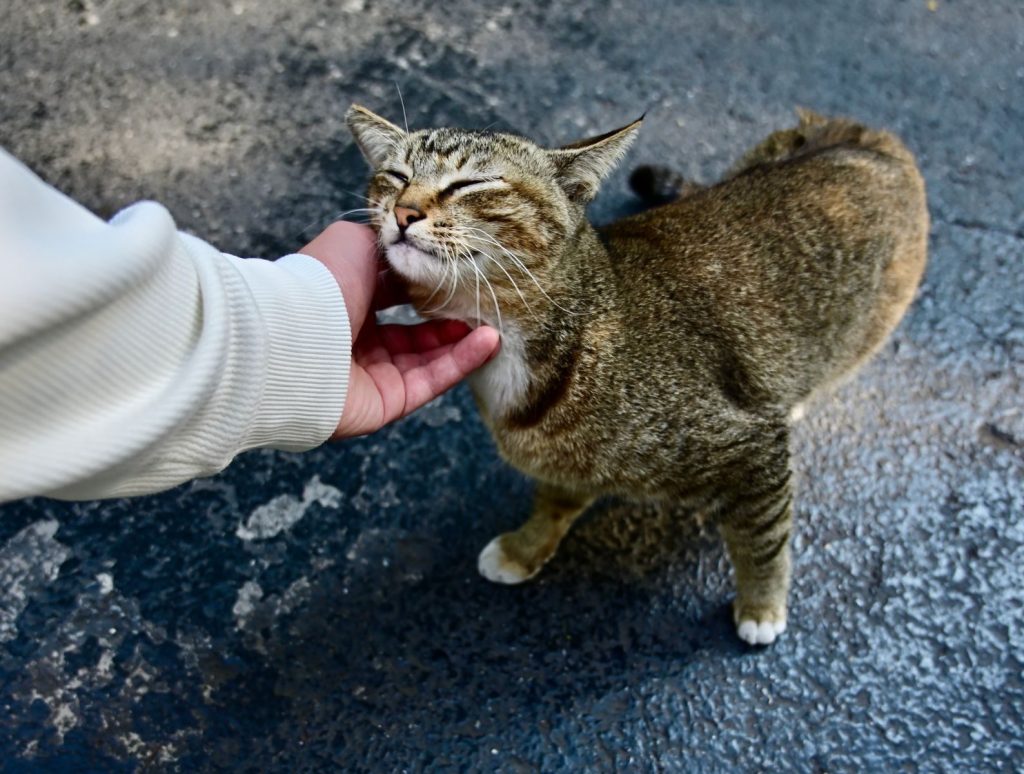
Felines rub their cheeks against your legs to deposit microscopic pheromones. They are marking you as a safe zone. In their minds, this scent transfer means you officially belong to their territory. They are claiming you just like they claim their favorite cardboard boxes. This subtle claiming behavior soon extends to another regular household item.
Stealing Your Sofa Spot
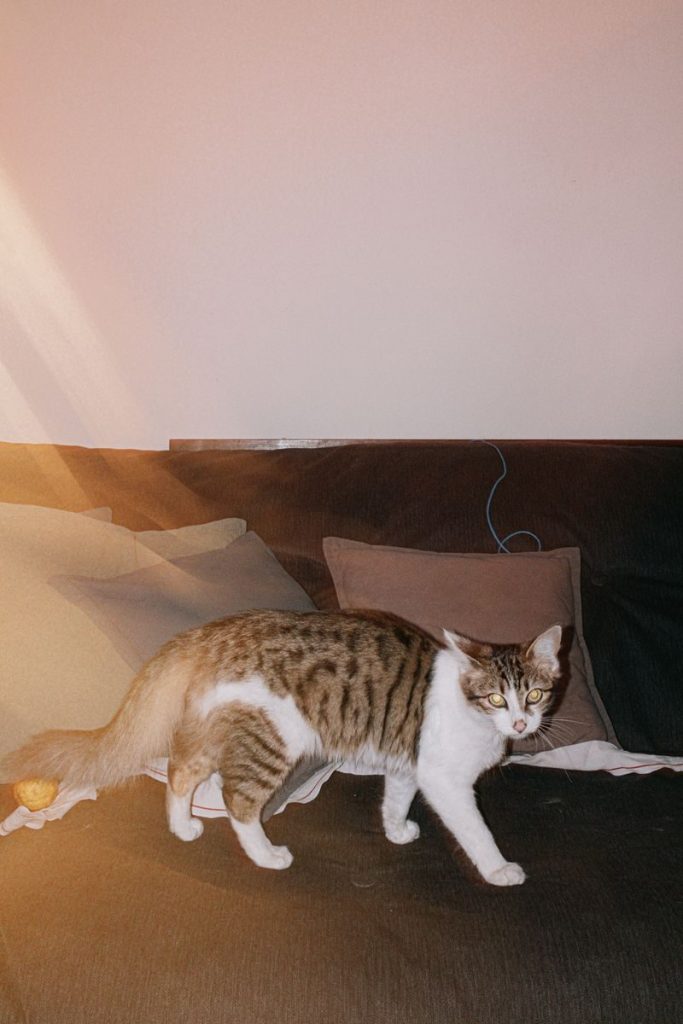
The moment you stand up, your pet will likely steal your warm cushion. They want your scent. According to the American Veterinary Medical Association, sleeping in your spot helps felines feel closely connected to you. They are training you to find alternative seating. Fortunately, you can easily manage these quirky behaviors.
A Balanced Happy Household
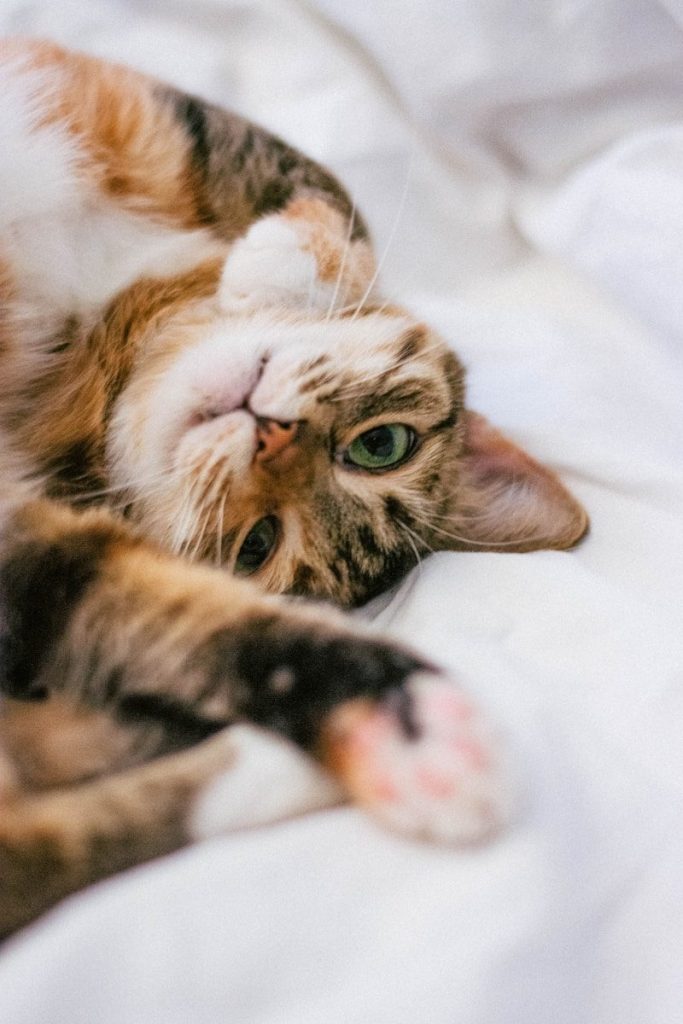
Understanding your cat’s quirky logic is the best way to build a happy bond. They love you. Set clear boundaries and keep their daily schedule consistent to prevent behavioral issues. This article is for informational purposes only and does not constitute veterinary advice. Enjoy sharing your home with your favorite little boss.
Featured Image: Photo by Дмитрий Рощупкин on Pexels