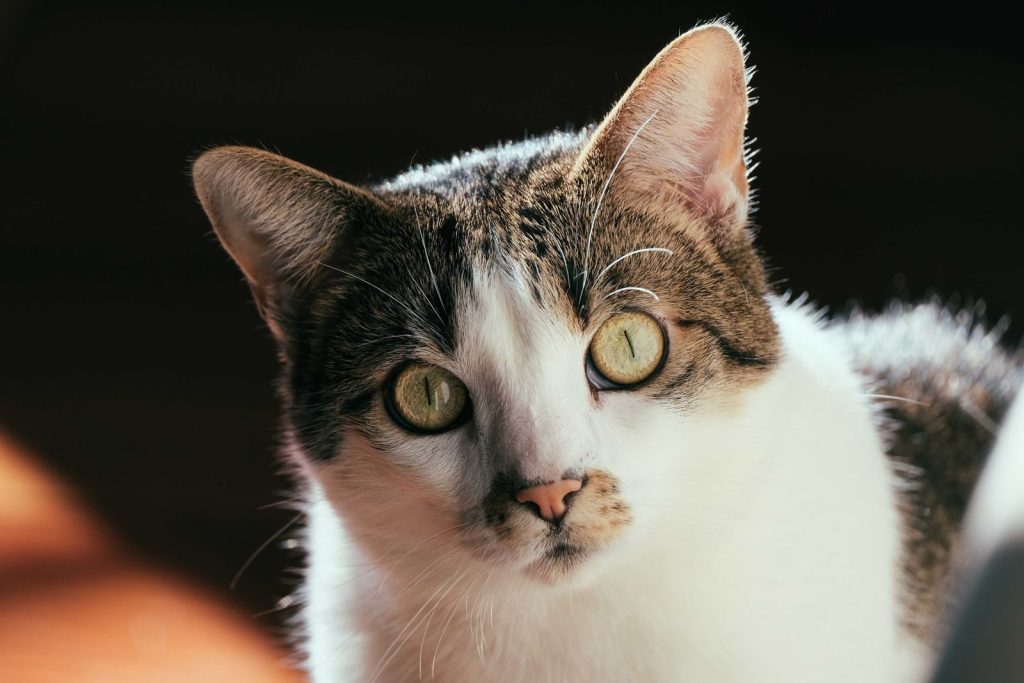

You challenge your cat to a friendly meowing match in your living room. It feels like a funny game, but your pet might interpret it differently.
Felines use vocal sounds to communicate specific needs and intense emotions. Your attempt to copy them can accidentally trigger sudden confusion or extreme stress.
The complex reality of feline vocalizations
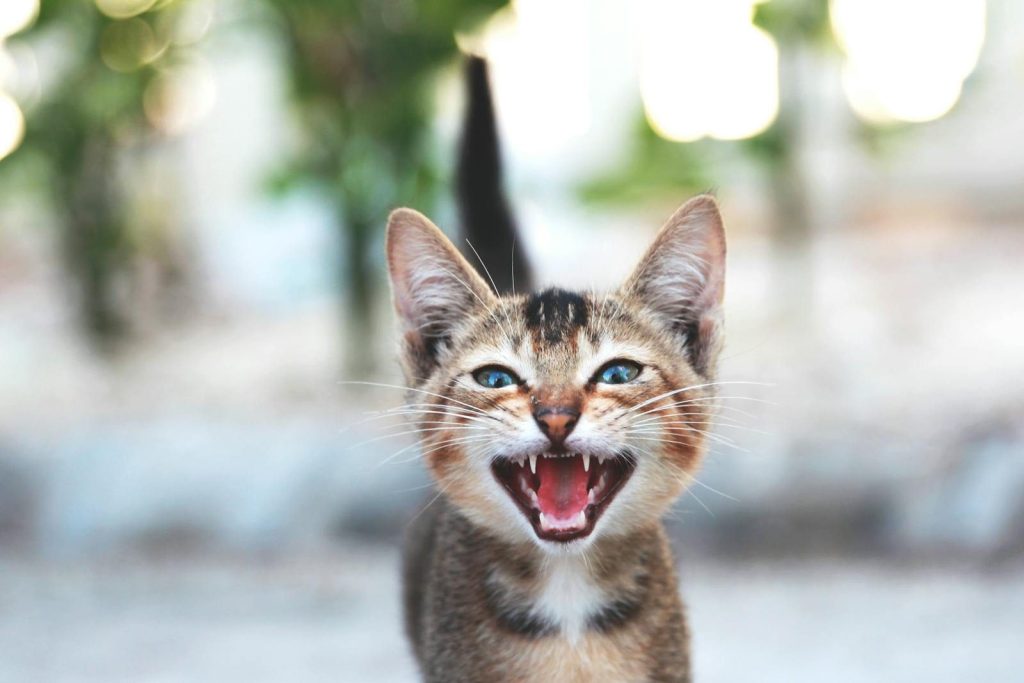
Adult cats rarely meow at other cats, reserving this sound almost entirely for humans. According to research from the Cornell Feline Health Center, meowing is a learned behavior to get human attention. When you meow back, you might be saying something completely nonsensical to your pet. This bizarre acoustic feedback can make them react in a surprising way.
Accidental insults in silent animal languages
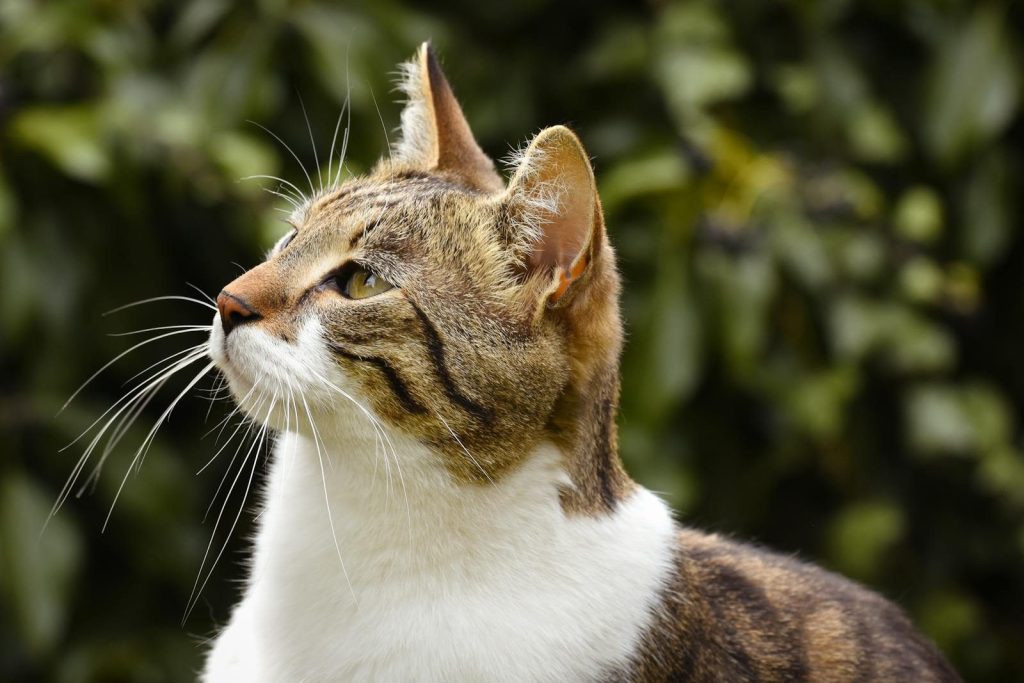
Human throat muscles cannot match the precise pitch and frequency of feline sounds. Your meow might sound like a threat, an alarm, or a cry of pain to their sensitive ears. Feline behavior experts note that cats can become highly defensive when they hear these strange noises. This stress often leads to a sudden behavioral shift.
Triggering defensive aggression in normal pets
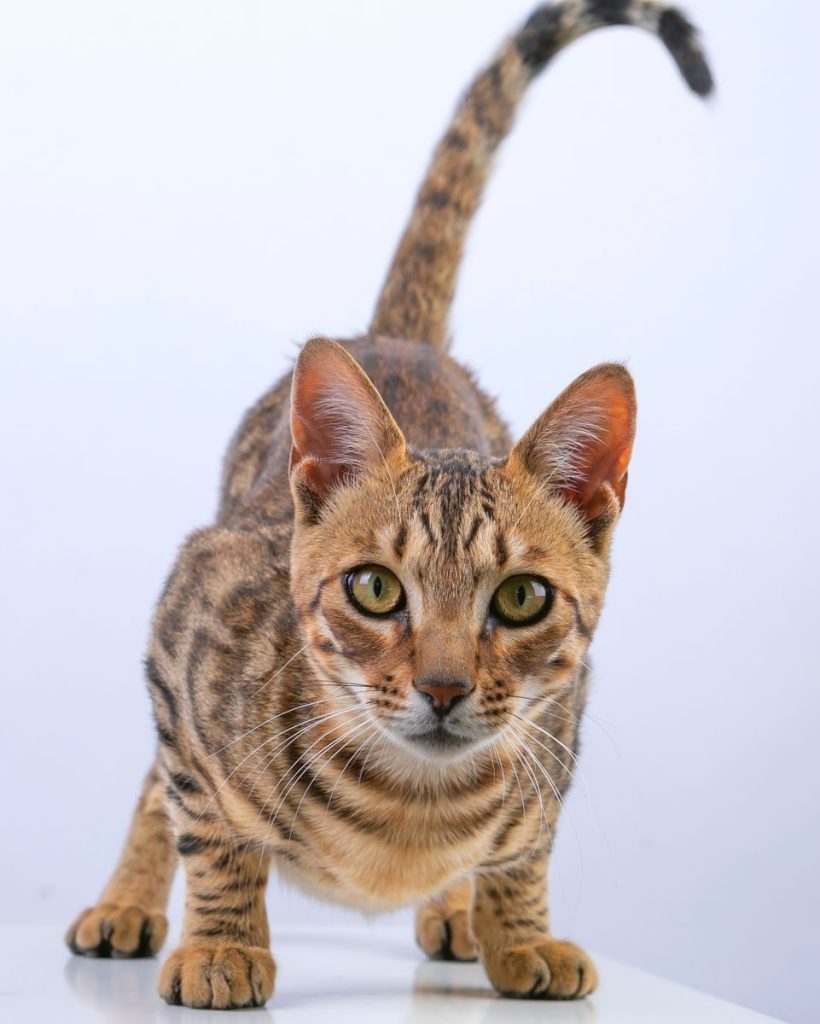
A confused cat might stare at you with wide eyes and a twitching tail. They may think you are warning them about a nearby danger or challenging their territory. Dr. Jessica Vogelsang warns that teasing a cat with vocal sounds can damage your household bond. Yet there are better ways to talk to your pet safely.
Speaking in a calm, high-pitched voice
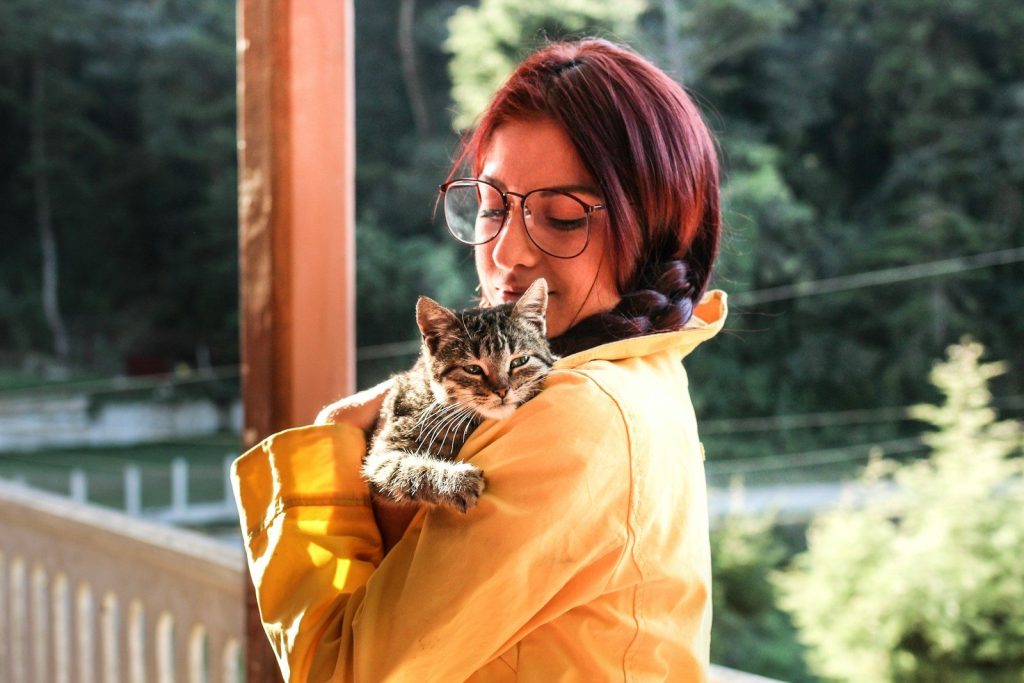
Using a warm, high voice mimics the comforting noises mother cats make in the nest. Felines respond far better to gentle human speech than copied animal sounds. This vocal style tells your companion they are completely safe in their environment. But what about the quiet physical signs they watch for?
Reading the silent vocabulary of whiskers
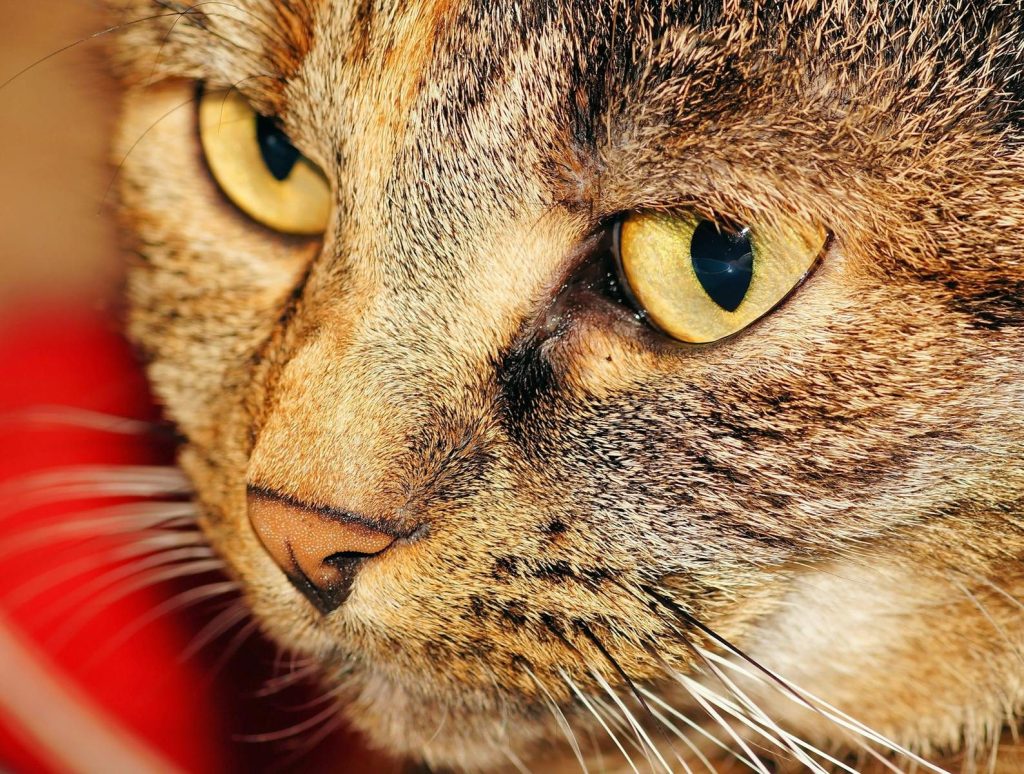
Whiskers offer a clear look at how your pet is feeling inside. Relaxed whiskers and forward facing ears mean they are feeling comfortable and playful. If they pull their whiskers back flat against their cheeks, they need immediate quiet space. Fortunately, you can build deep trust without making a single sound.
The power of a shared interactive routine
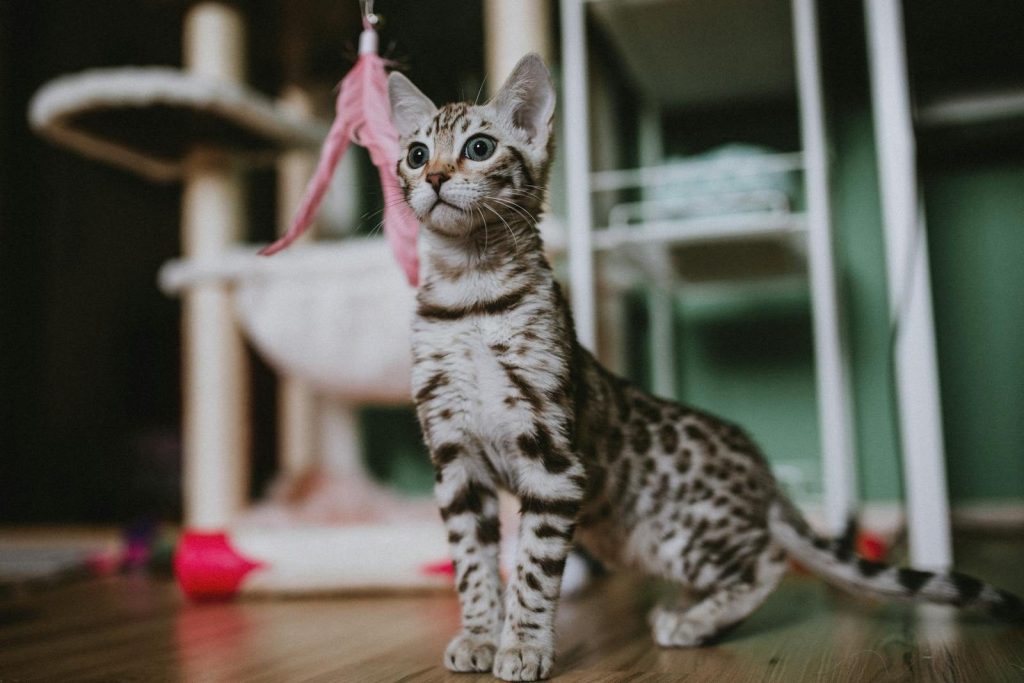
Playing with a wand toy daily satisfies their hunting drive far better than verbal conversations. According to the ASPCA, regular play sessions prevent behavioral issues and keep indoor cats active. Following this up with a healthy meal builds a secure daily schedule. Still, there is one final habit that keeps them happy.
Respecting their natural quiet space always
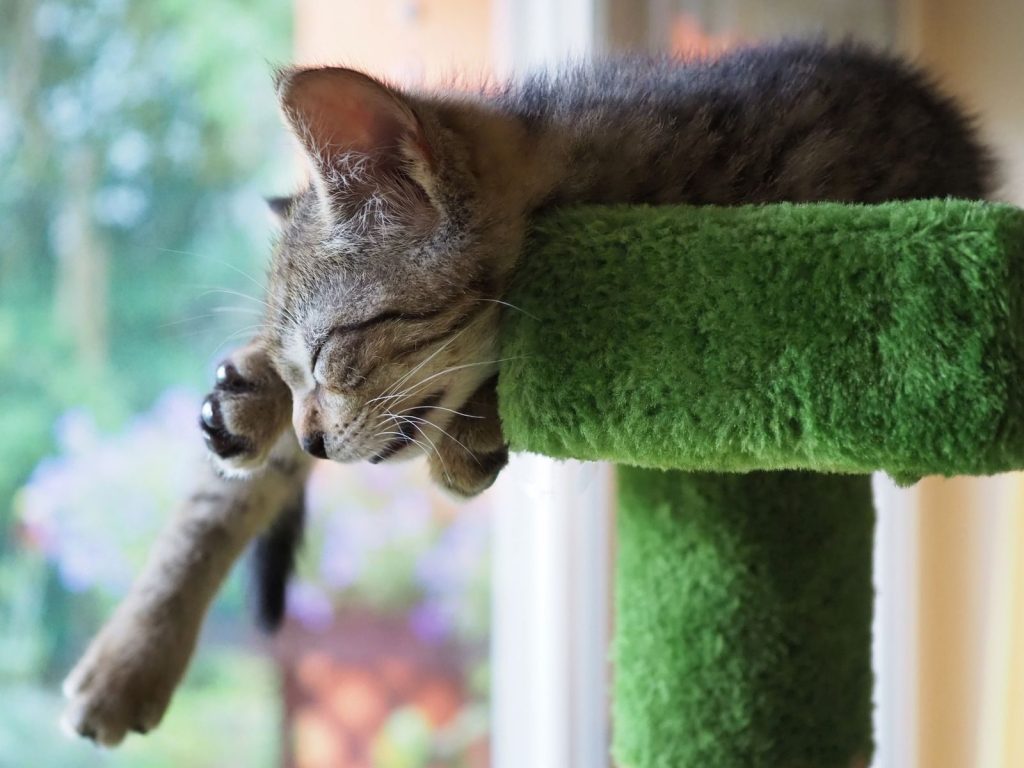
Letting your cat enjoy peaceful naps without sudden interruptions keeps their stress levels low. True communication is built on mutual respect and predictable daily habits. This article is for informational purposes only and does not constitute veterinary advice. Your patient’s daily care creates a beautiful world of comfort for your pet.
Featured Image: Photo by Francesco Ungaro on Pexels