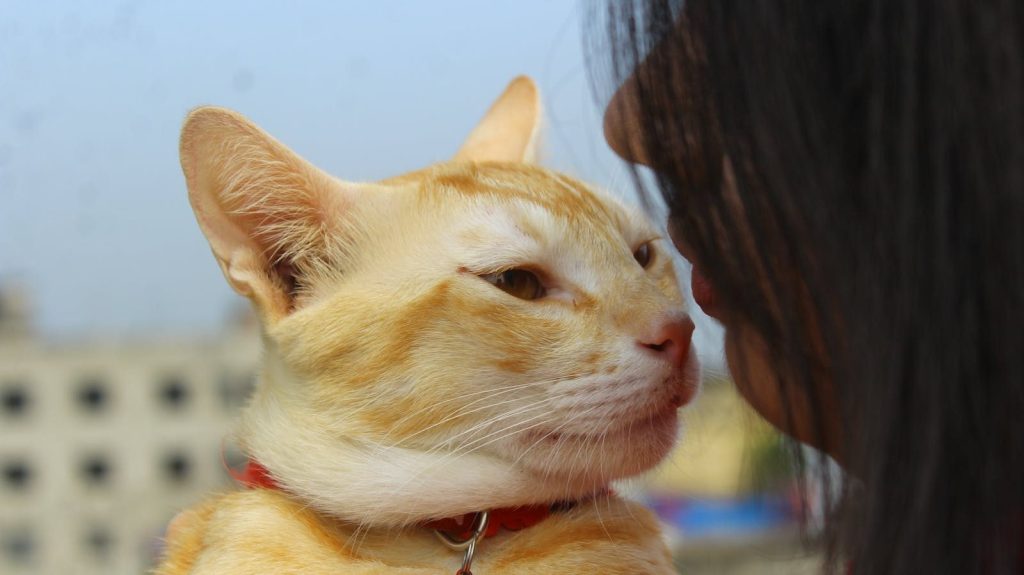

Your cat walks up to your face and gently licks your nose or chin. It feels like a sweet human kiss, but felines communicate in very different ways.
These affectionate behaviors actually serve highly important biological purposes. Understanding these silent signals will help you build a much deeper bond with your pet.
The ancient science of social grooming
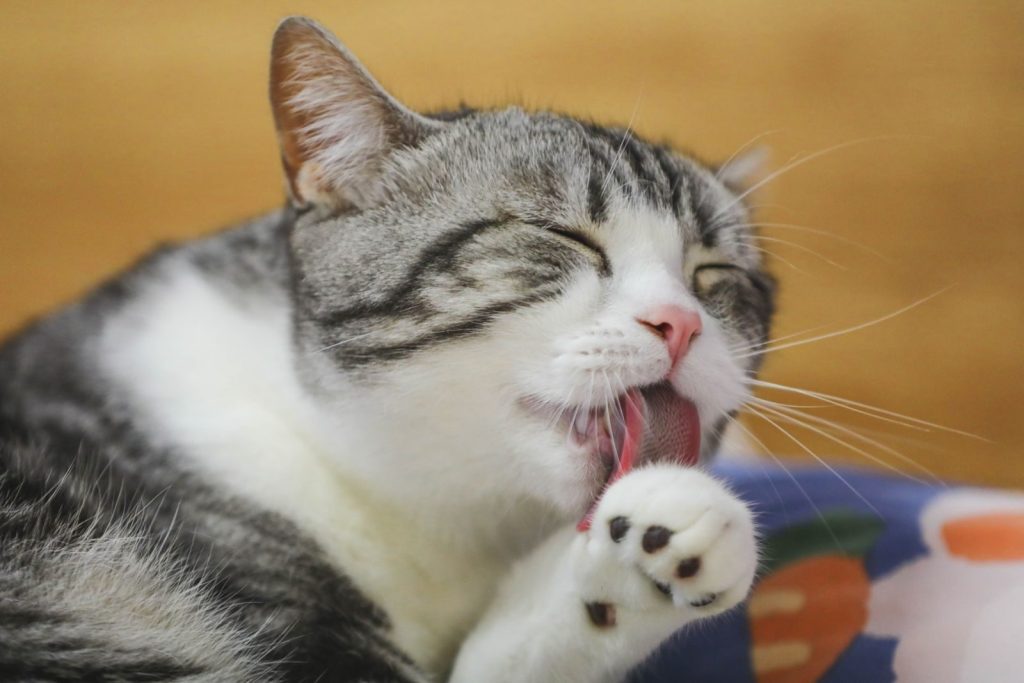
Cats spend hours licking themselves to stay clean and cool down in summer. But when they groom you, they are practicing a behavior called allogrooming. According to feline behavior experts at the ASPCA, cats do this to show trust and strengthen group bonds. But there is a hidden survival instinct behind this action.
Sharing a unique household group scent
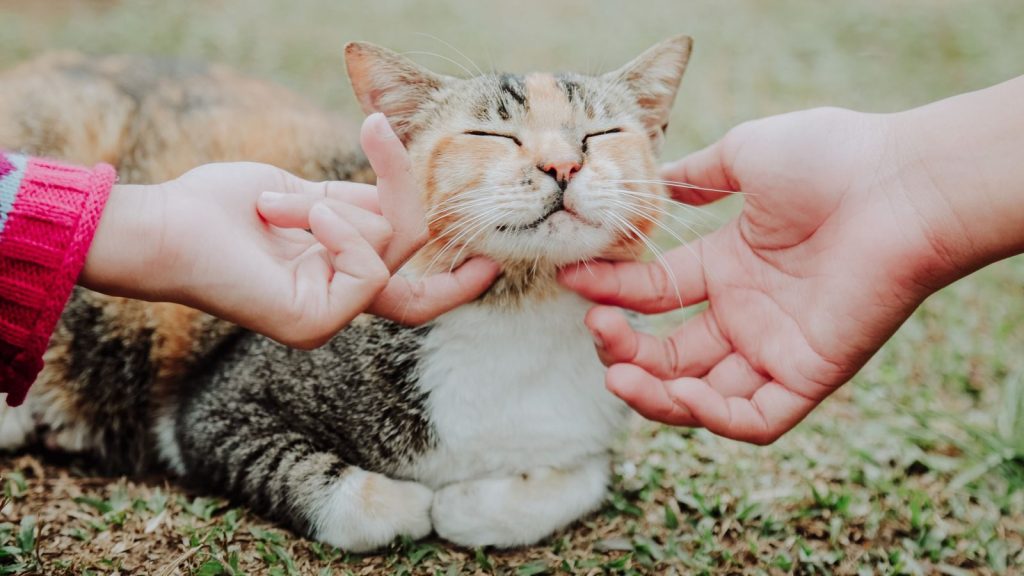
Sharing a unique group scent helps felines identify members of their family group. Grooming deposits saliva that carries your pet’s distinct scent onto your skin. By kissing your face, they are marking you as a safe part of their home territory. Yet this grooming habit can quickly change depending on your clothes.
Obsessing over pajama fabrics and morning sweat
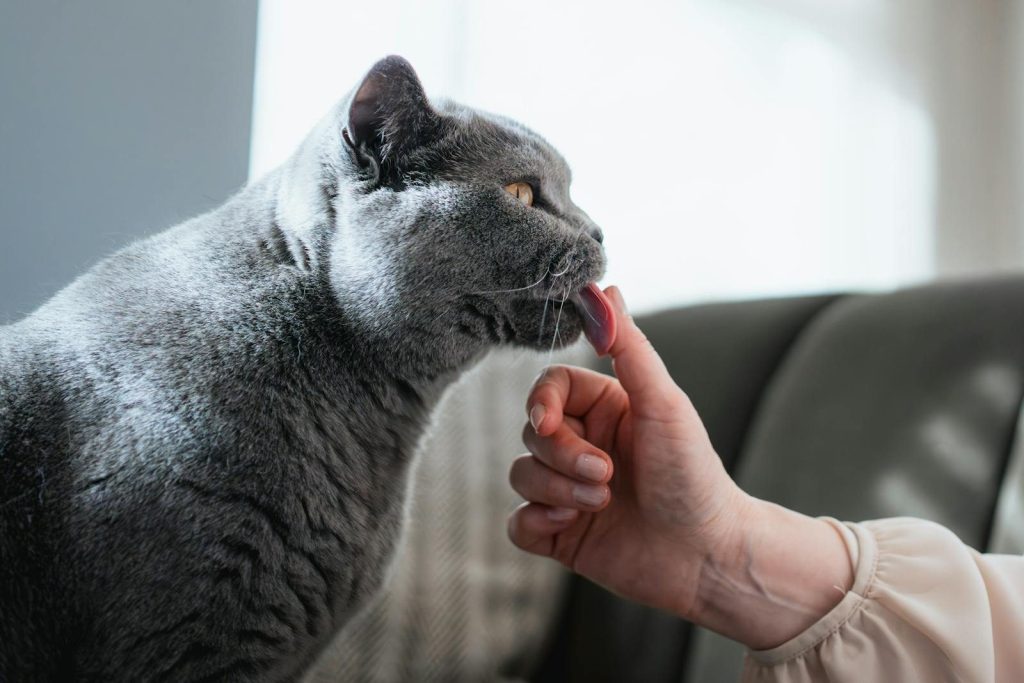
Soft cotton pajamas often attract the absolute most intense grooming attention from your pet. Dr. Jessica Vogelsang notes that cats are attracted to the salty scent of human skin after sleep. They find these morning scents highly interesting and want to investigate them through taste. However, morning kisses can also mean something more urgent.
A polite request for an early breakfast
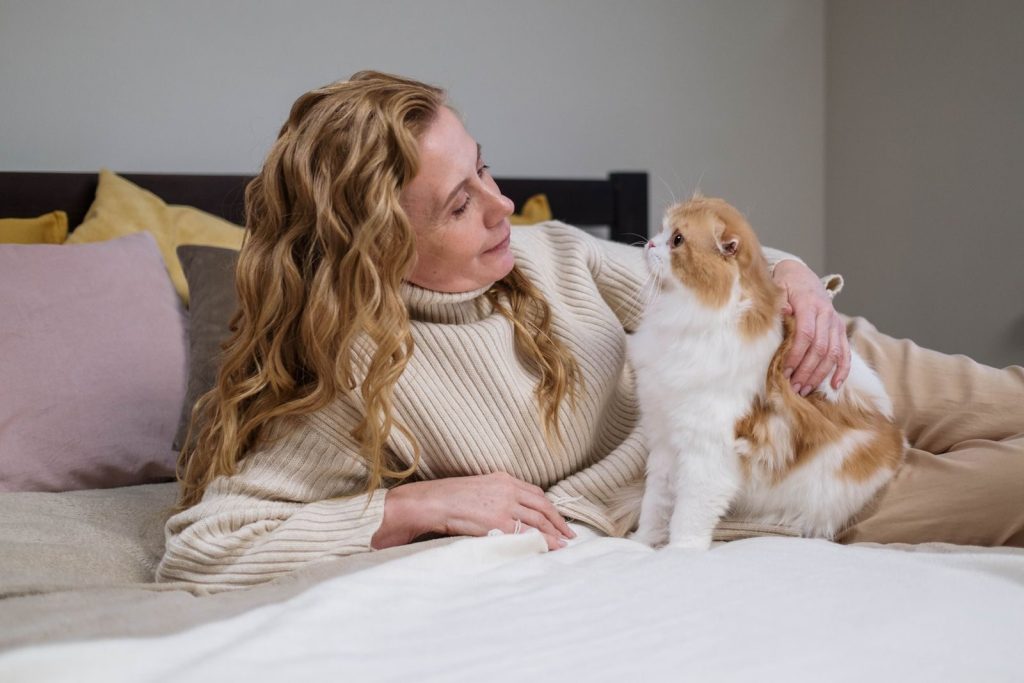
Nudging your hand is a highly effective way to wake you up. Your smart pet learns that human kisses lead to immediate activity in the kitchen. They repeat this trick because it gets them the delicious wet food they crave. But sometimes these sweet kisses can suddenly turn painful.
The sudden transition to love bites
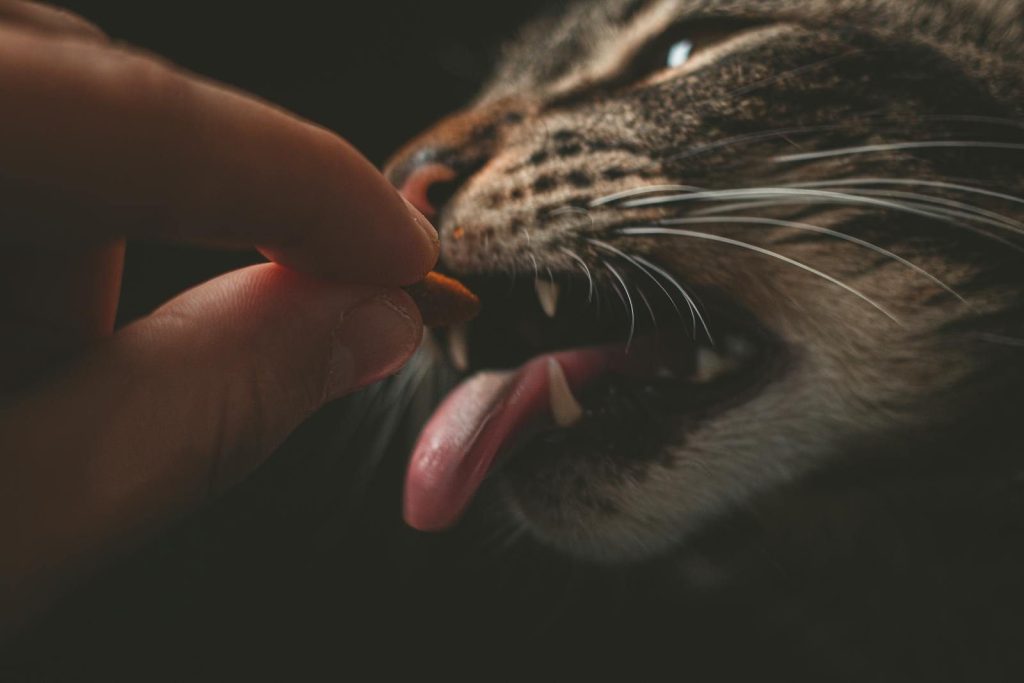
A cat might lick your hand several times and then give you a quick bite. Feline behaviorists call this overstimulation or a gentle love nip. It is their way of telling you they have had enough physical attention for now. Fortunately, you can easily read their body language to prevent this behavior.
Watching for quiet warning signs in bed
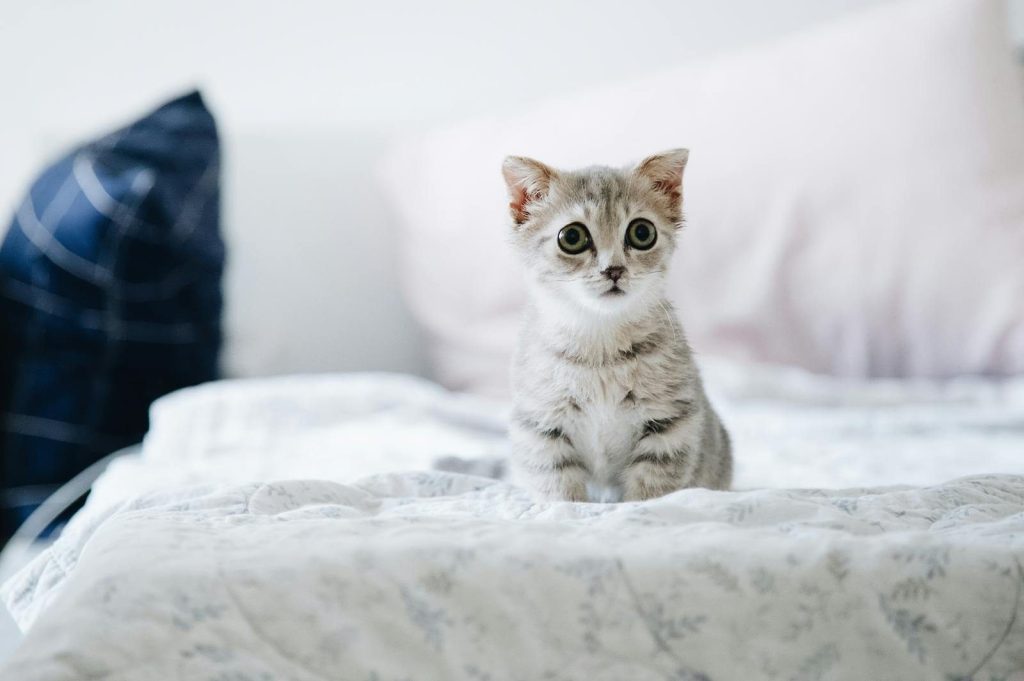
Checking your pet’s tail and ears while they are kissing your hands will keep you safe. A twitching tail tip or flattened ears mean they are starting to feel tense. Moving your hands away gives them space to calm down before they feel forced to bite. But does this grooming behavior also help lower their stress?
Soothing anxiety through rhythmic licking habits
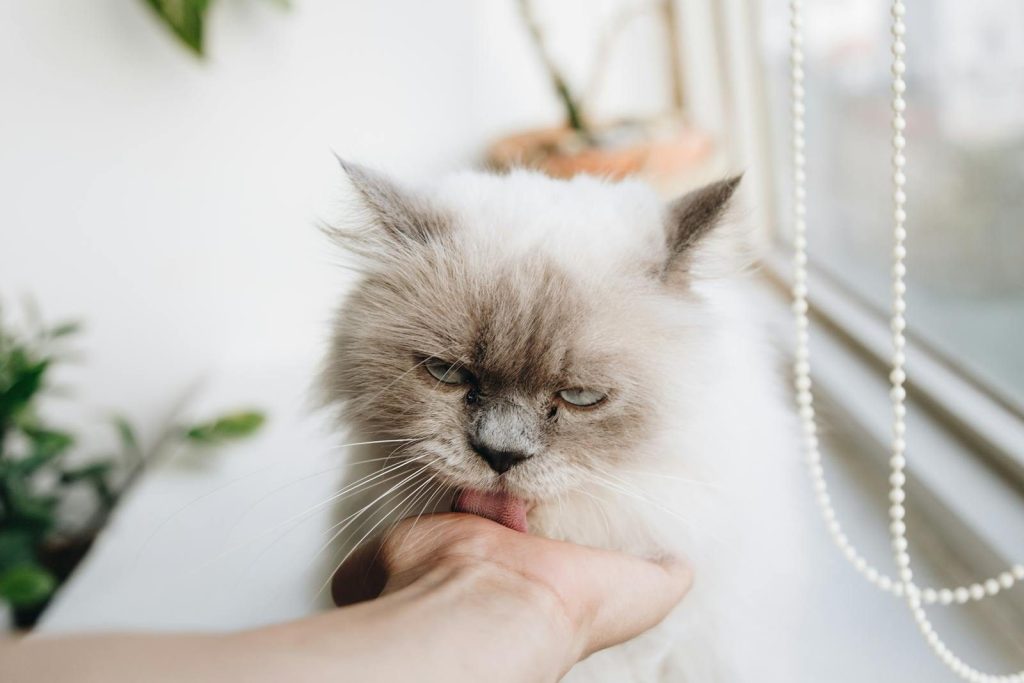
Licking releases calming endorphins in a cat’s brain that help reduce daily anxiety. If they are feeling nervous about a loud household noise, they might groom you to self-soothe. Providing a quiet space helps them feel secure during these moments. Still, there is one final way to show them you care.
Returning the love with slow blinks
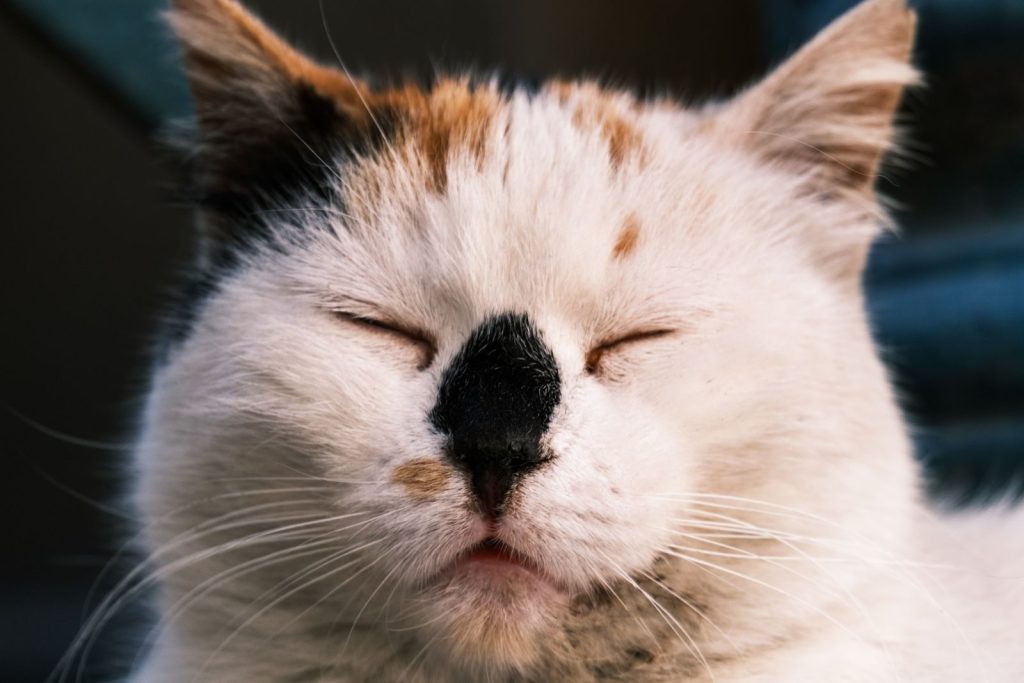
You can return their sweet kisses by closing your eyes slowly while looking at them. Behaviorists confirm this is the ultimate feline sign of pure trust and peace. This article is for informational purposes only and does not constitute veterinary advice. Respecting their boundary lines ensures your companion lives a happy and safe life.
Featured Image: Photo by Mr Catographer on Pexels