Tabby cats seem made for the internet. Their bold stripes, swirls, spots, expressive faces, and endlessly varied colors give photographers plenty to work with. But “tabby” is not a breed. The International Cat Association explains that the word describes a coat pattern found across many breeds and mixed-breed cats. That means the tabbies winning attention online can look dramatically different while still sharing recognizable markings.
The exact social-media collection behind the supplied title could not be reliably traced, so this article avoids inventing a gallery or pretending every viral tabby belongs to one source. Instead, it looks at the real patterns that make tabbies visually distinctive and two verified internet-famous examples. Nala became a Guinness World Records title holder, while Gonzo built an audience around the unusual things his collar camera captured.
Classic Tabby Swirls

A classic tabby has broad, curved markings that can form dramatic swirls along the sides of the body. TICA also describes this pattern as marbled or blotched, which fits the large, flowing shapes visible in many classic-tabby photographs. The coat can look especially striking when the stripes contrast strongly with the background color. Because the markings are wider than those of a mackerel tabby, a single side-on photo can make the pattern easy to recognize even before the cat turns toward the camera.
Mackerel Tabby Stripes

Mackerel tabbies wear narrow, mostly vertical stripes that run down the sides from the spine, creating the fishbone-like appearance that gave the pattern its name. TICA describes those stripes as slimmer and more parallel than the broad markings of a classic tabby. This is the familiar “striped house cat” look many people picture when they hear the word tabby. In photographs, the repeated lines emphasize the cat’s body shape and can make even an ordinary stretch, loaf, or hallway walk look sharply patterned.
Spotted Tabby Coats
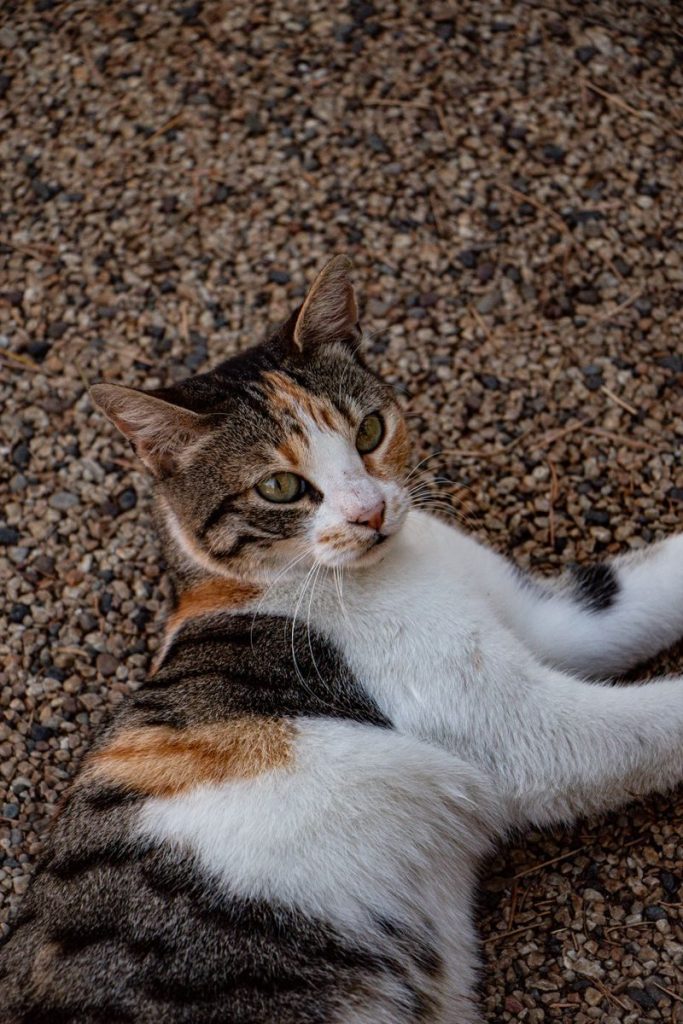
Spotted tabbies replace much of the continuous striping with distinct spots or broken markings across the body. TICA says those spots can be circular or oval and can vary noticeably in size and distribution. That variation gives each cat a slightly different visual rhythm, which helps explain why spotted tabbies can look so striking in still photographs. A close side view may show rows of markings clearly, while a moving cat can make the pattern look almost completely different as its body bends and stretches.
Ticked Tabby Fur
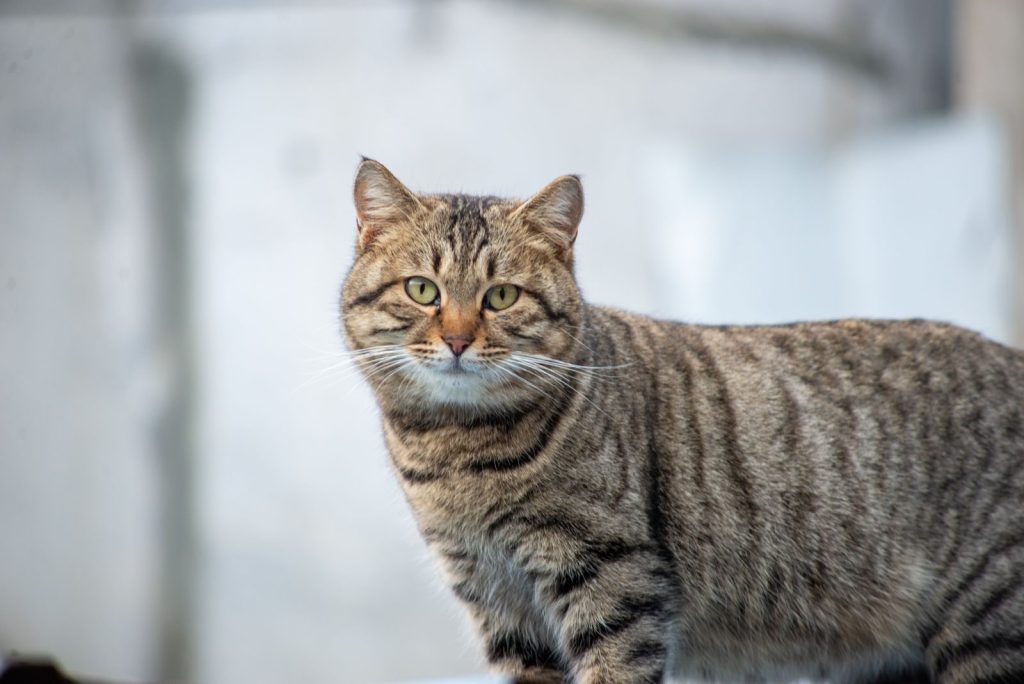
Ticked tabbies look subtler from a distance because much of the body lacks the obvious stripes or swirls seen in other tabbies. TICA describes the coat as finely mottled, with individual hairs showing alternating bands of color. The face, legs, and tail may still reveal stronger tabby markings depending on the cat. This pattern is especially associated with breeds such as the Abyssinian and Singapura. Online, the effect can make the coat appear almost shaded or textured rather than plainly striped.
The Forehead M

One of the easiest tabby features to photograph is the familiar marking on the forehead that resembles the letter M. TICA notes that tabbies show head markings that form this shape, even when the body pattern itself is harder to identify. The M has collected plenty of folklore over time, but it does not require a mystical explanation. It is simply part of the tabby pattern. In a close-up portrait, those forehead lines naturally draw the viewer’s attention toward the eyes and face.
Tabby Colors Vary
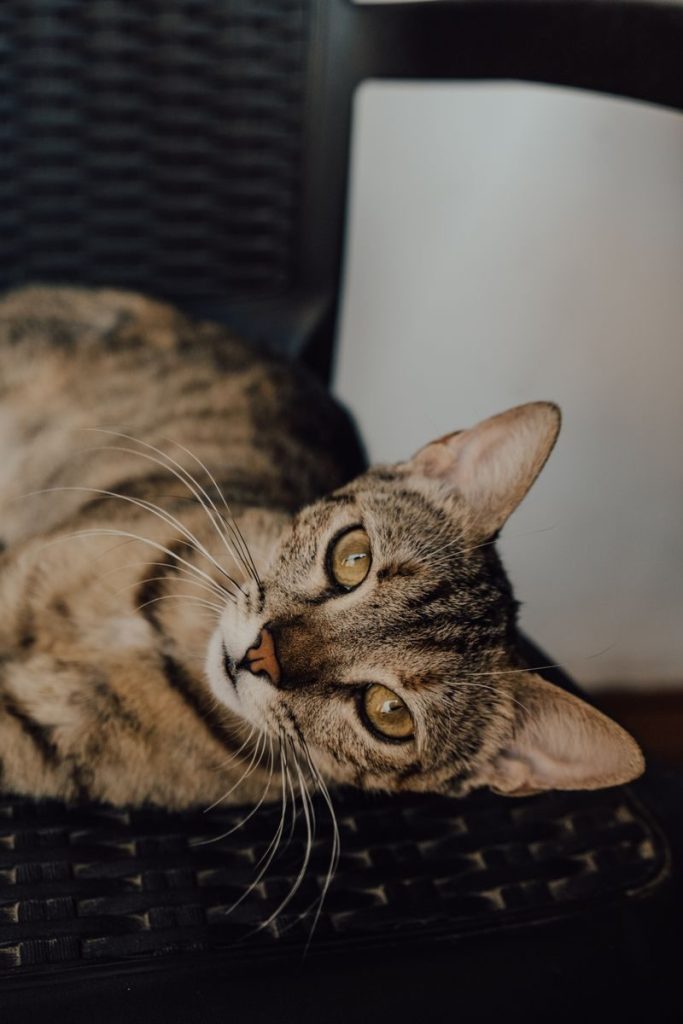
Tabby coloring can appear in many shades, which makes the label far broader than “brown striped cat.” TICA’s color descriptions include brown, silver, blue, red, cream, and other tabby combinations, sometimes with white. The underlying pattern can also be classic, mackerel, spotted, or ticked. That range is one reason online tabby photos never feel visually identical. Two cats may both be tabbies while differing in background color, stripe width, contrast, coat length, eye color, and the amount of white on the body.
Nala Became Internet Royalty
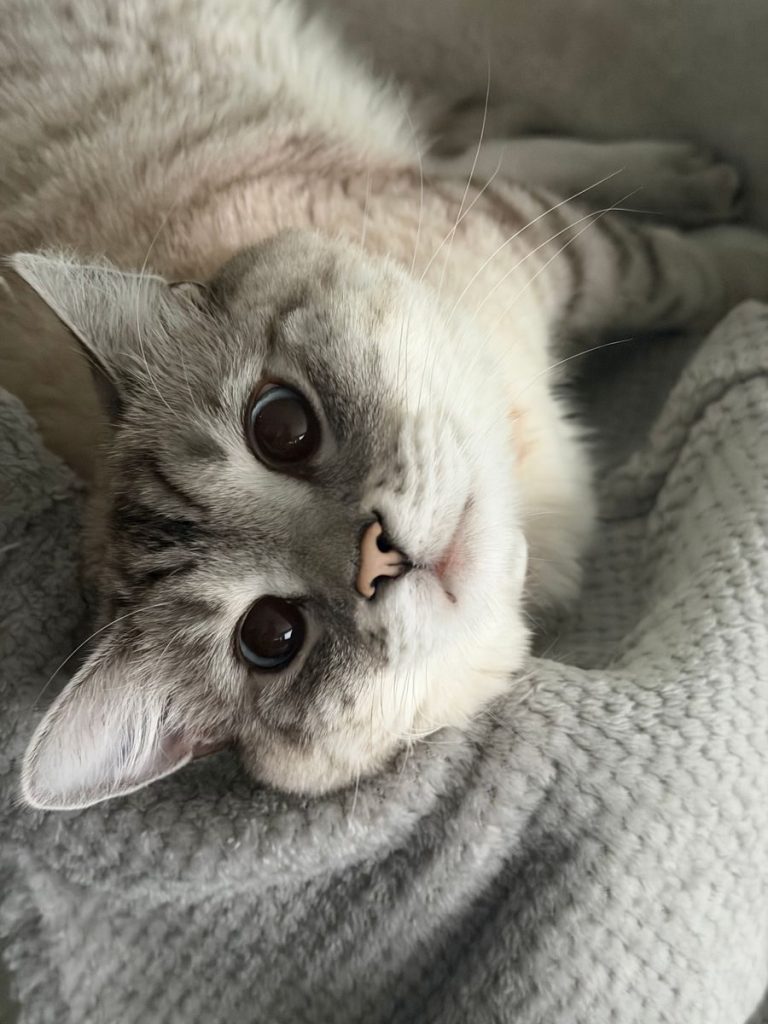
Nala is one of the clearest examples of a tabby-marked cat becoming a genuine internet celebrity. Guinness World Records verified the account nala_cat at 4,361,519 Instagram followers on May 13, 2020, giving it the record for most followers on Instagram for a cat at that time. Guinness describes Nala as a shelter-adopted Siamese and tabby mix with wide blue eyes. Her success shows how one distinctive face, photographed consistently over time, can become recognizable to millions of people. That record remains a documented milestone in pet social media.
Gonzo Wears a Cat Cam

Gonzo offers a very different kind of online tabby fame. Bored Panda profiled the social tabby in 2025 after filmmaker Derek Boonstra built a small camera for his collar to learn more about his outdoor behavior. The footage showed Gonzo carrying home plastic lids, wrappers, and other bits of trash, sometimes in surprising numbers. His audience grew around what the camera revealed rather than appearance alone. That makes him a useful reminder that memorable cat content often combines a recognizable face with an unusual, repeatable behavior.
Featured Image: Photo by CECILE HOURNAU on Pexels