
We expect our fluffy friends to make soft, soothing purring noises. It is a universal sound of comfort and safety.
But some special flat-faced felines sound more like roaring wild beasts. This unusual vocal style is actually linked to a unique physical trait.
The Strange Roaring Sound
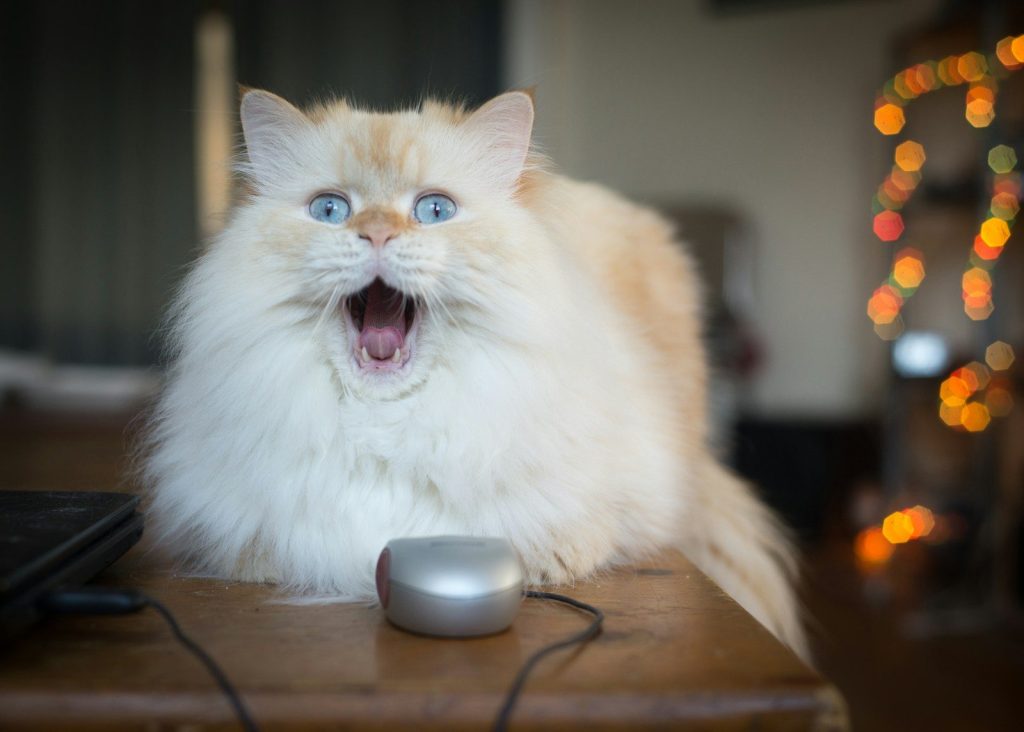
A long-haired Persian named Hugsy gained a massive online following for his unique vocalizations. He was very loud. According to reports from the Cat Fanciers Association, flat-faced breeds often produce unusual sounds when they try to vibrate their vocal folds. This happens because their facial structures are highly compressed. But this interesting physical trait can also make daily breathing a much more complicated task.
Understanding Flat Face Anatomy
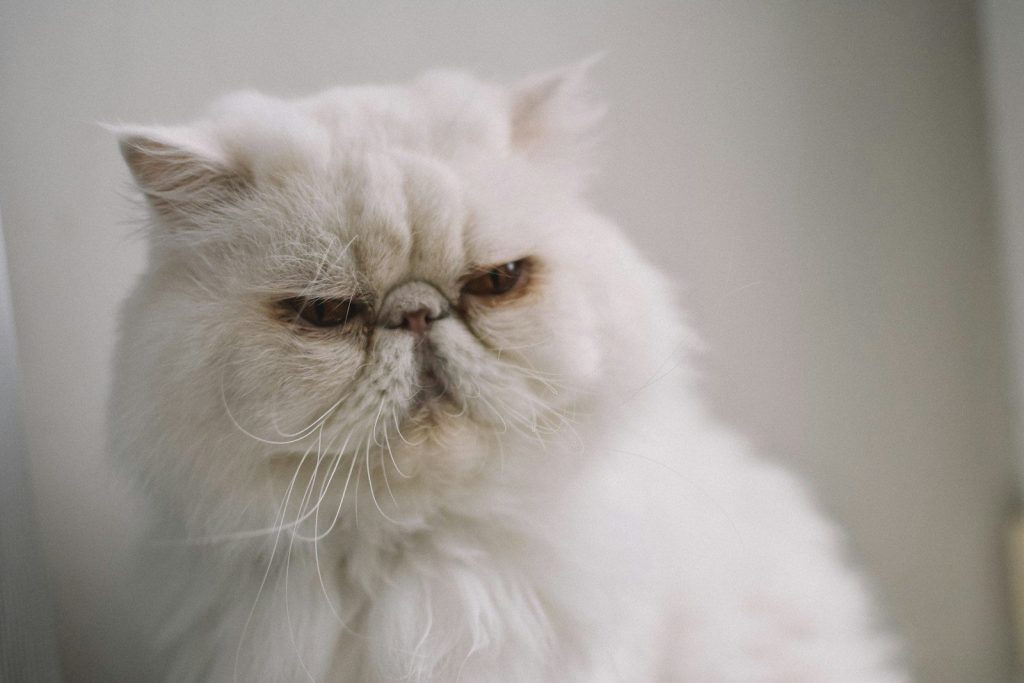
Persian cats belong to a group of breeds known as brachycephalic animals. Their faces are short. According to the American Veterinary Medical Association, these cats have narrow nostrils and elongated soft palates. This unique anatomy often restricts the normal flow of air through their upper airways. But this structural difference has an even greater impact on how they express their emotions.
The Mechanics Of Purring
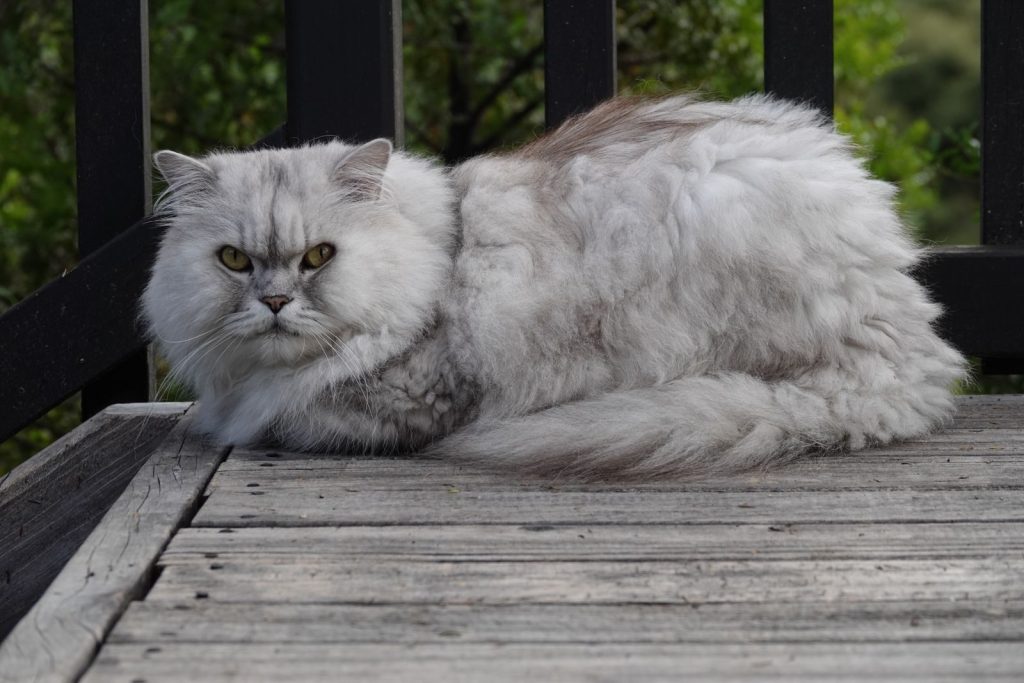
Felines produce their signature purring sound using the muscles of their larynx and diaphragm. This rhythm is soothing. According to research from the San Diego Humane Society, the neural oscillator in a cat’s brain triggers these continuous vibrations. When a flat-faced cat purrs, the air passes through a narrow throat, creating a raspy growl. But these dramatic noises can sometimes hide a subtle health issue.
Spotting Daily Breathing Issues
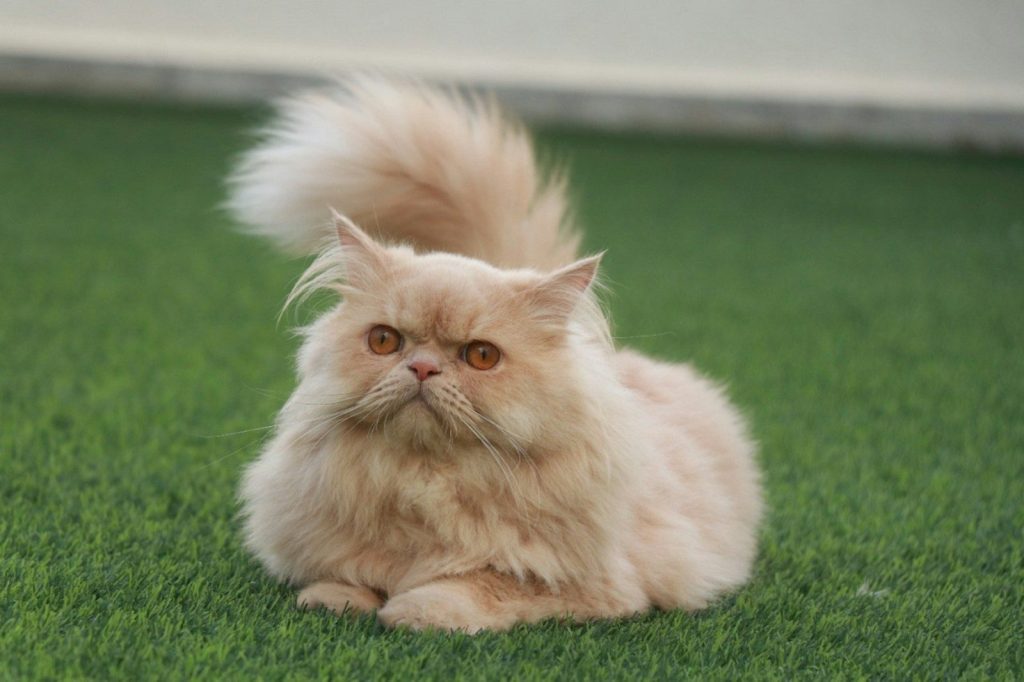
Owners must learn to tell the difference between a happy rumbling sound and active respiratory distress. Comfort is key. According to consensus guidelines from the American Association of Feline Practitioners, heavy snoring or gasping during sleep is not normal. These signs indicate that the pet is struggling to pull oxygen into its lungs. But keeping your heavy-breathing pet healthy requires several simple home changes.
Controlling Indoor Air Quality
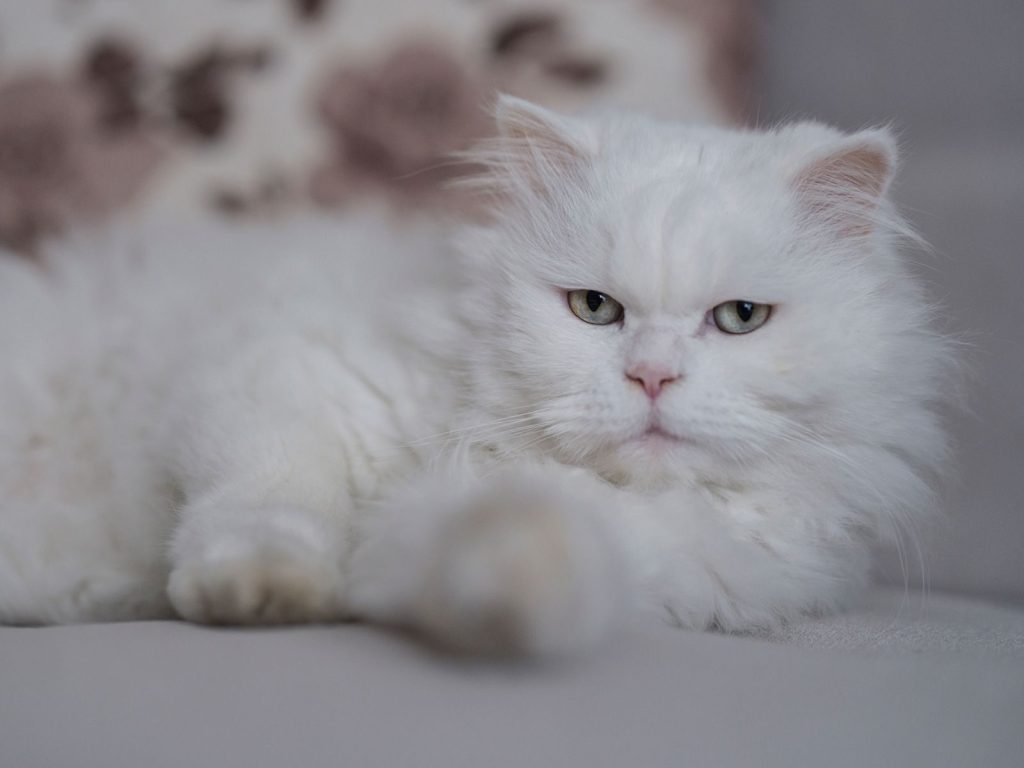
Keeping your home environment free of dust and strong perfumes can drastically improve your cat’s breathing. Fresh air helps. According to clinical studies from the Cornell Feline Health Center, flat-faced cats are highly sensitive to airborne allergens. Removing carpets and using air purifiers can prevent severe airway irritation. But there is another crucial lifestyle factor that owners often overlook.
Managing Feline Weight Levels
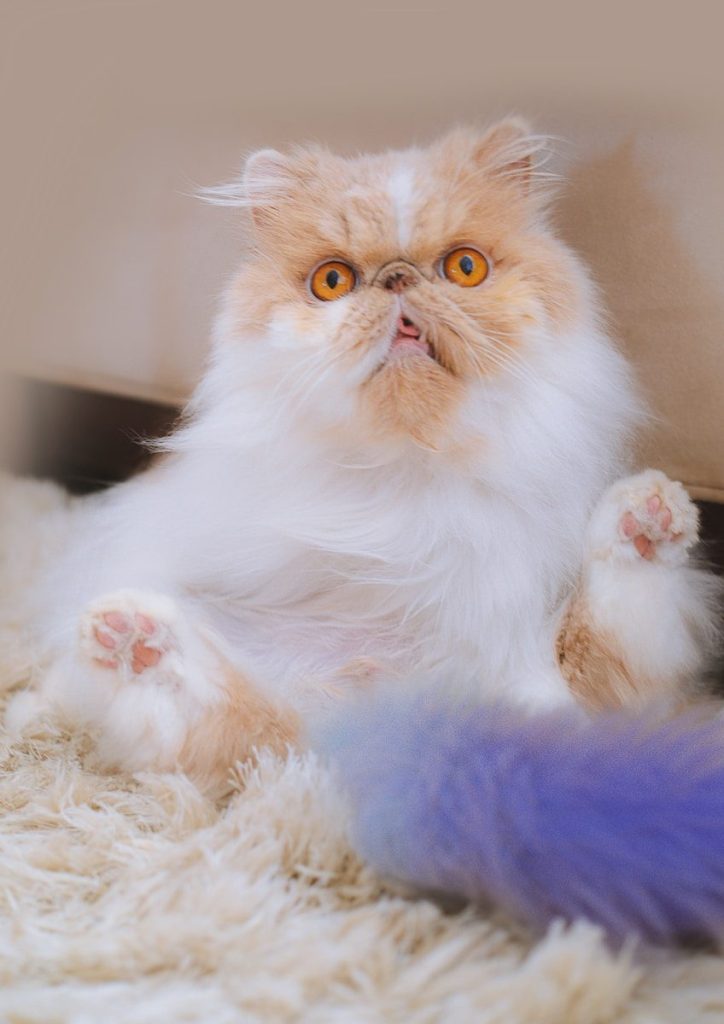
Carrying extra body weight places a massive amount of physical pressure on a feline’s delicate airway. Keep them active. According to research from the National Institutes of Health, obese flat-faced cats have a much higher risk of airway collapse. Feeding structured portions and encouraging daily play can keep their passages clear. But even the best home care routine needs professional backup.
Consulting Your Family Vet
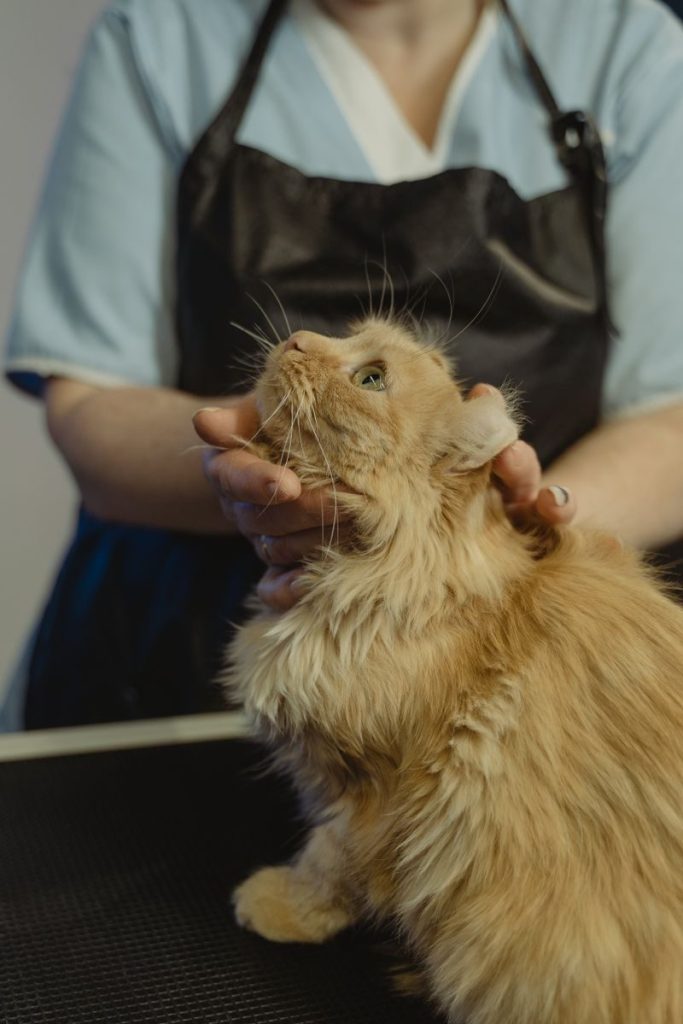
Scheduling regular respiratory exams ensures your special cat is breathing comfortably throughout the year. Care is essential. According to guidelines from the American Veterinary Medical Association, early medical intervention can prevent chronic lung damage in sensitive breeds. Your vet can recommend tailored exercises or dietary adjustments to help them stay happy. But understanding their unique voices can change how you live together.
Loving Your Loud Companion
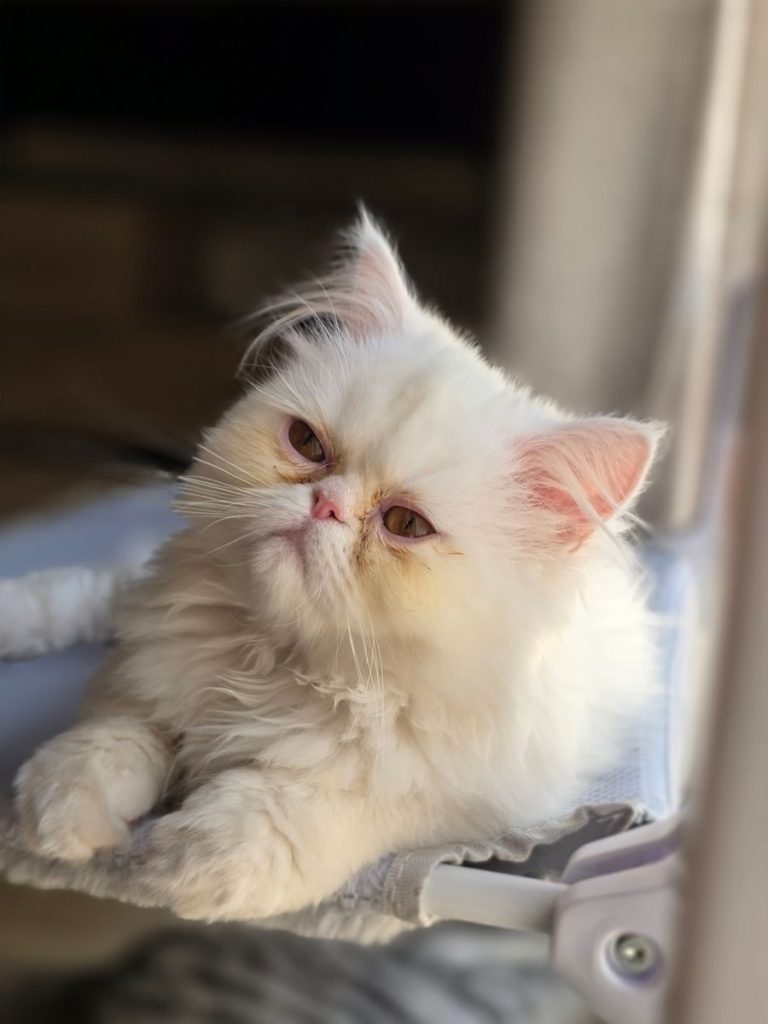
Embracing your cat’s quirky sounds while monitoring their physical health ensures a long and happy life together. Love brings joy. According to the American Veterinary Medical Association, attentive owners make a massive difference in managing brachycephalic pet health. Enjoy their funny little rumbles and keep their routines quiet. This article is for informational purposes only and does not constitute veterinary advice.
Featured Image: Photo by Shivam Singh on Unsplash