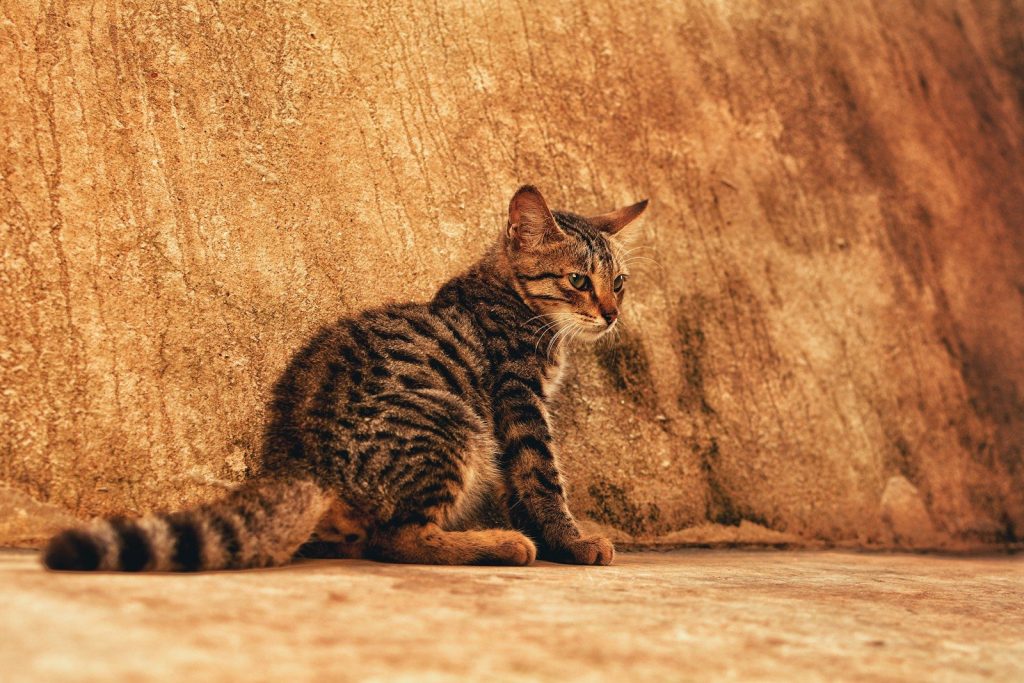

We love watching our pampered felines sleep on our soft couches. We assume they have always lived peaceful indoor lives.
But these quiet pets actually share a long history with ancient warriors. A surprising military partnership helped spread domestic cats across the globe.
The Secrets Of Ancient DNA

Scientists recently completed a massive genetic study of historic feline remains to track their global journey. History is fascinating. According to a study published in the journal Nature, domestic cats originated in the Near East before moving into Europe. Researchers analyzed bones from ancient ports and battlefields to map their migration patterns. But the real driving force behind their massive journey was a serious pest problem.
Protecting The Soldiers’ Food
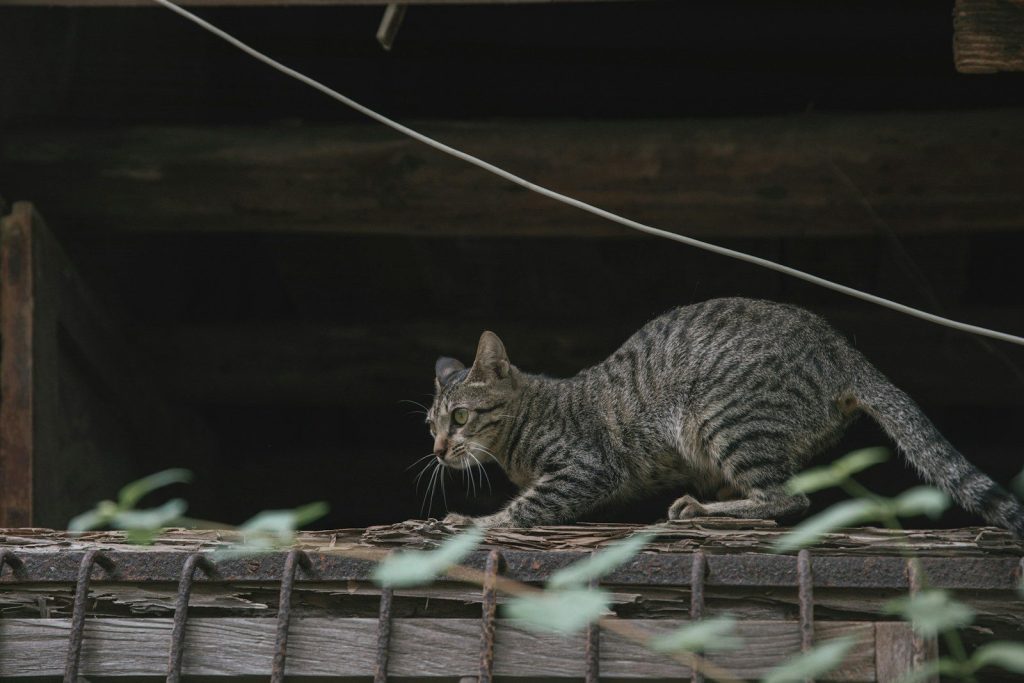
Military camps carried massive stores of grain to feed thousands of hungry marching soldiers. Rodents were everywhere. According to historical reports from the Smithsonian Institution, these food supplies attracted huge numbers of destructive rats and mice. Soldiers desperately needed a natural way to protect their precious rations from being ruined. But they soon discovered that a local wild predator was the perfect solution.
Cats Join The Army
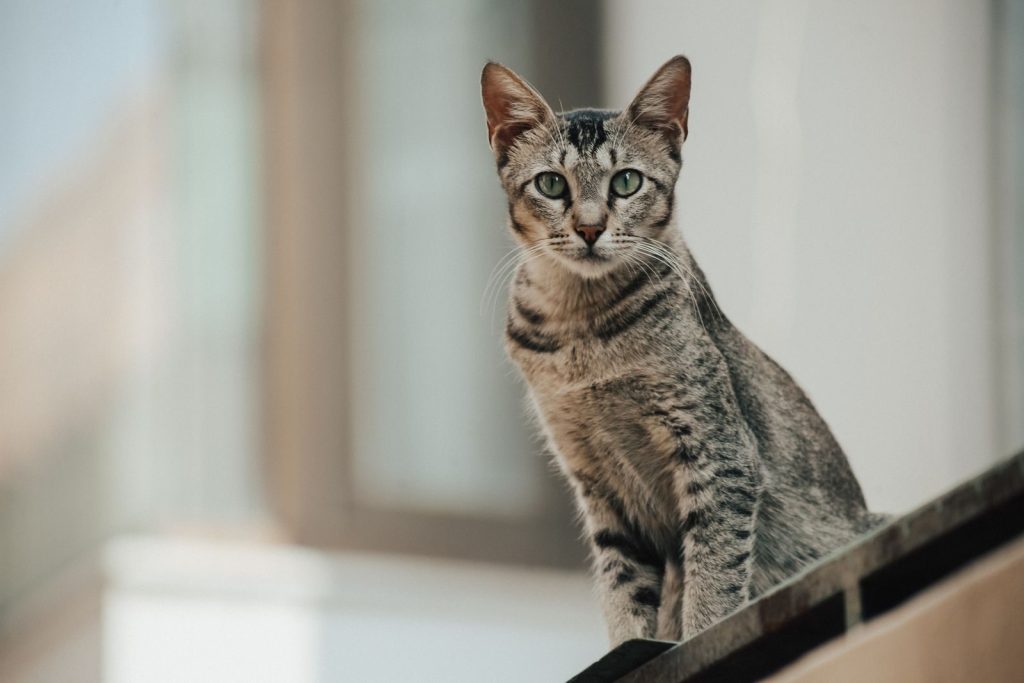
Roman legions began keeping semi-domesticated cats in their camps to hunt down invasive pests. They were stealthy. According to archaeological records from the Museum of London, cats became unofficial mascots on long military campaigns. Soldiers fed and protected these skilled hunters in exchange for their constant pest control services. But their helpful partnership was about to travel across deep open waters.
Guarding The Wooden Ships
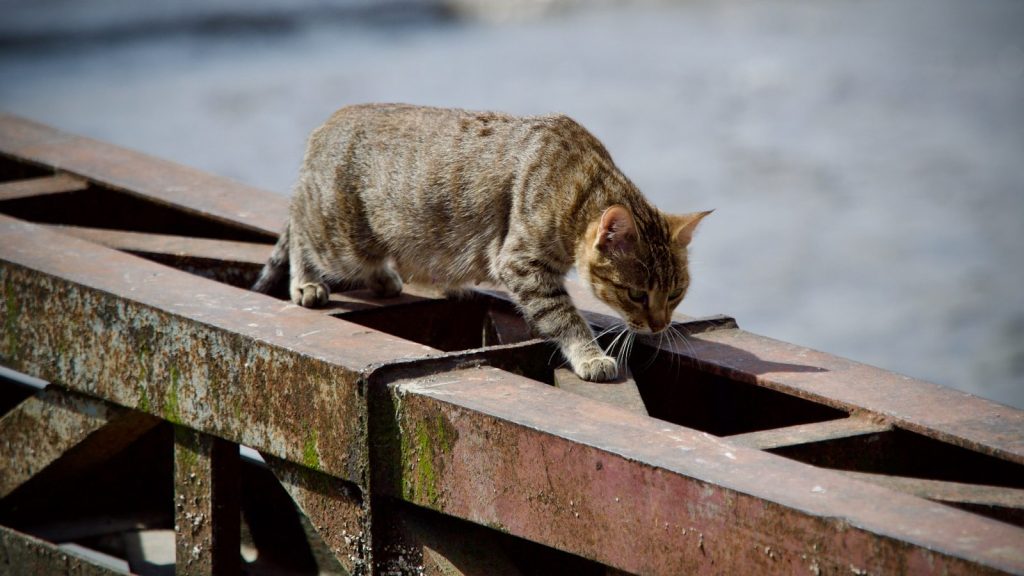
Merchant ships and navy vessels faced constant threats from rodents chewing through ropes and food barrels. Safety was critical. According to historical guides from the National Museum of the Royal Navy, sailors kept cats on board to protect the integrity of the ship. These brave felines kept the cargo safe during months of difficult travel. But their sea journeys ended up introducing cats to completely new lands.
Spreading Across New Borders
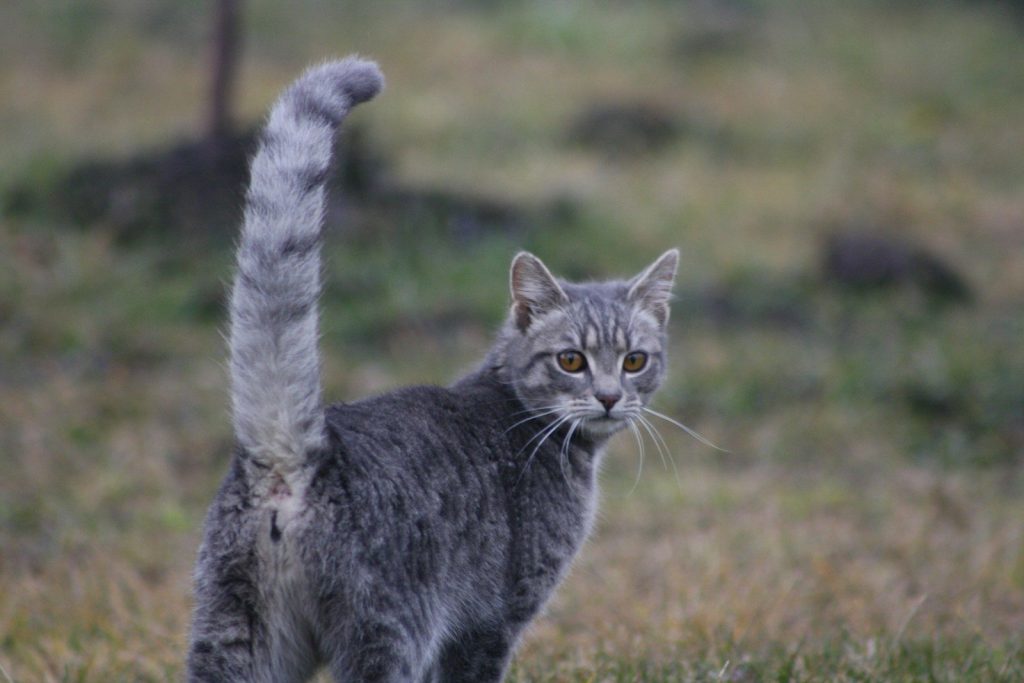
As Roman soldiers established new forts across Europe, they brought their loyal feline companions with them. Expansion was fast. According to genetic research from the University of Oxford, these military movements introduced domestic cats to distant northern territories. Local farmers quickly realized how useful these animals were for protecting their own crops. But these hard-working cats were also beginning to win human hearts.
From Soldiers To Families
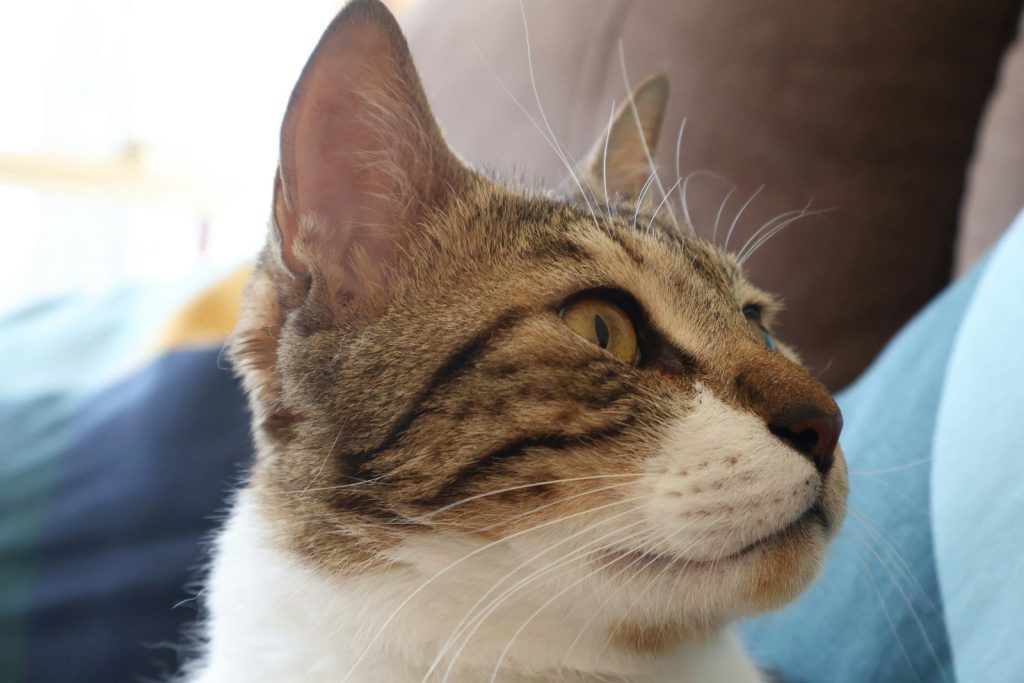
Over several centuries, these highly valued working animals transitioned from muddy army camps into cozy family homes. Trust was built. According to historical essays from the British Museum, ancient families began keeping cats purely for their gentle companionship. Their role changed from simple pest control to cherished household defenders. But this ancient transition shaped the exact pets we share our lives with today.
Honoring Their Noble History
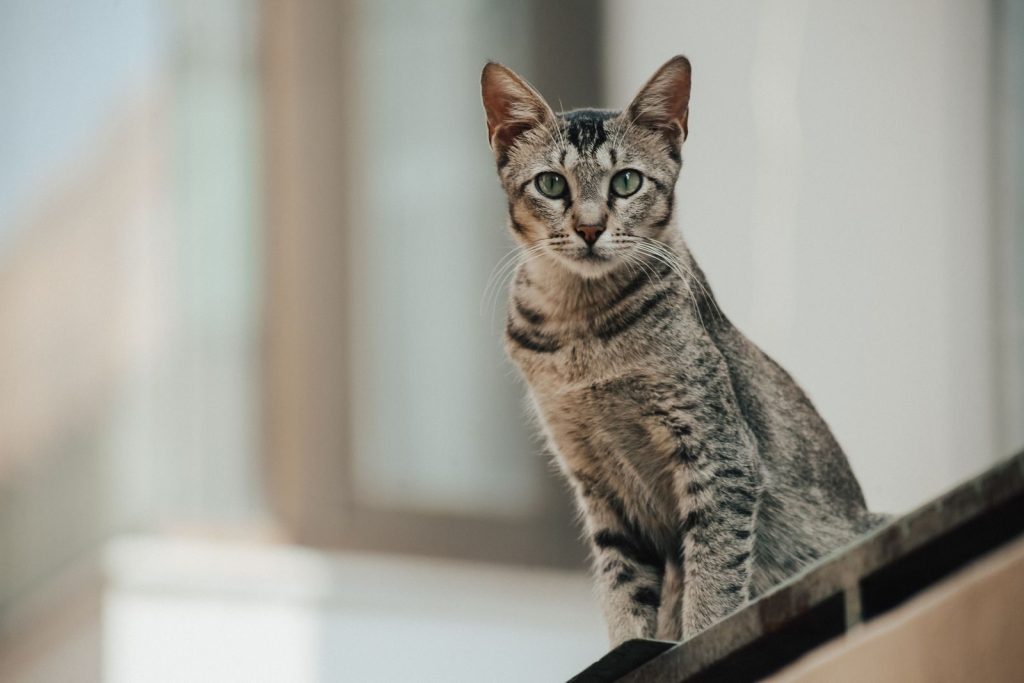
Understanding our pets’ wild military background helps us appreciate their independent nature and hunting instincts. Respect is rewarding. According to the Cat Fanciers Association, recognizing their natural instincts leads to happier pet homes. Cherish your cat’s playful spirit and high energy. This article is for informational purposes only.
Featured Image:Photo by Arindam Saha on Unsplash