
Caring for a single rescue kitten requires endless patience and constant feeding. Imagine opening your home to hundreds of them over a few short years.
One dedicated animal lover decided to go beyond standard fostering. He constructed a custom backyard oasis specifically tailored to prepare tiny orphans for their forever families.
Designing a custom playroom for tiny orphans
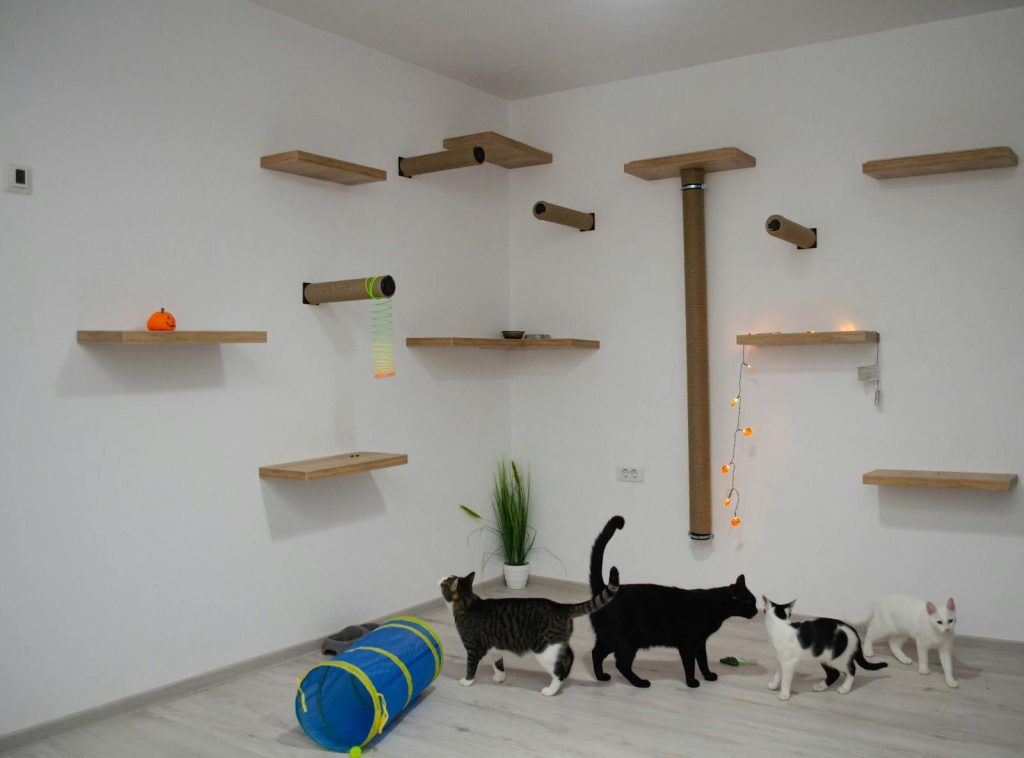
Fostering fragile kittens demands a highly specialized environment. To keep his rescues completely safe, this dedicated volunteer constructed a fully climate-controlled tiny house directly in his backyard. The cozy space features custom low-level climbing ramps and washable medical-grade surfaces. He wanted to give them the ultimate start. This custom setup quickly revealed some surprising benefits that normal foster homes miss.
How group social play builds brave cats
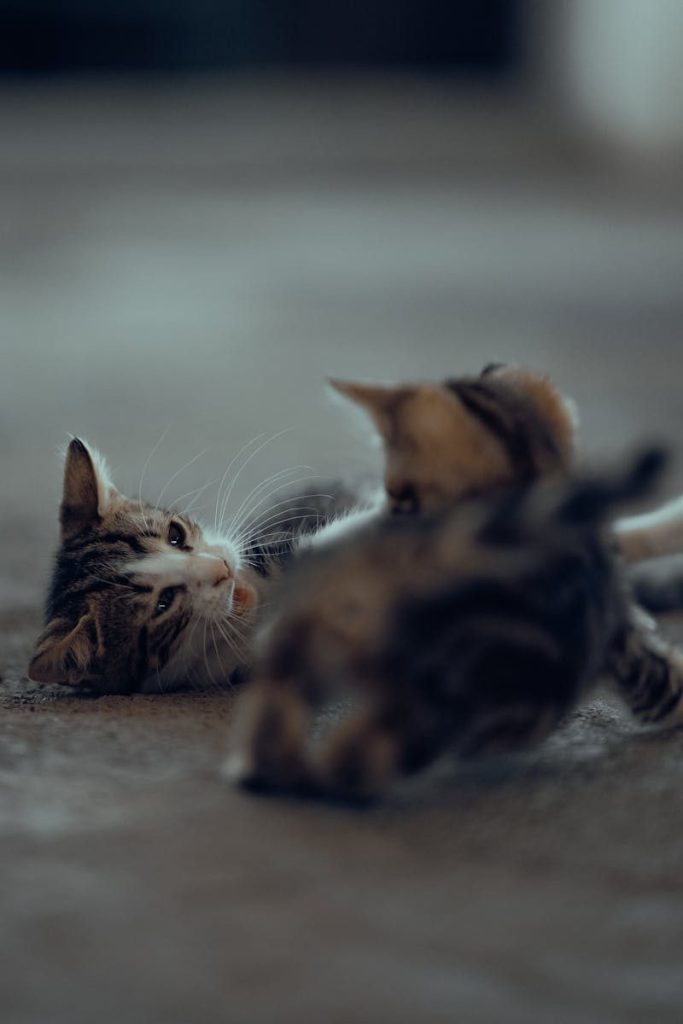
Kittens kept in single-pet environments often struggle to adapt to new sounds. Here, multiple litters play together. This group dynamic helps them learn vital boundary lessons through gentle play-bites. According to the American Society for the Prevention of Cruelty to Animals, early socialization prevents behavioral issues. But managing dozens of high-energy babies comes with massive daily challenges.
The chaotic reality of feeding twenty babies
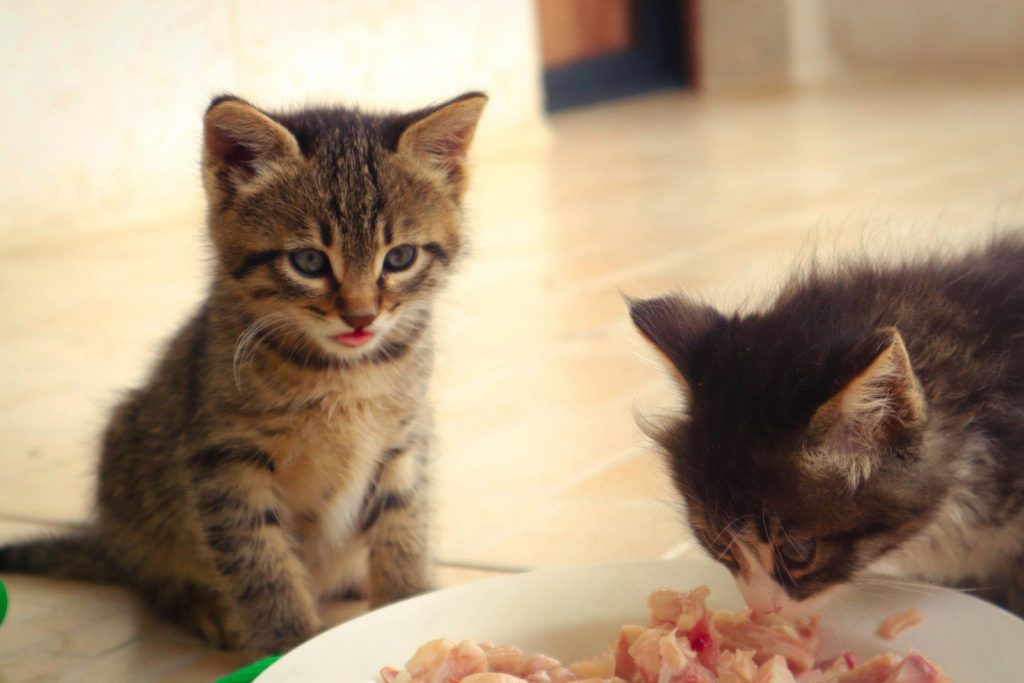
Feeding time in a kitten nursery is a lesson in absolute chaos. The foster father must prepare up to five different formulas at once to satisfy every hungry mouth. Some require bottle feeds. Others lap mush from plates. Keeping up with this demanding schedule requires incredible stamina. Yet, the physical exhaustion is nothing compared to the emotional hurdles of rescue work.
Saying goodbye to your favorite little friends
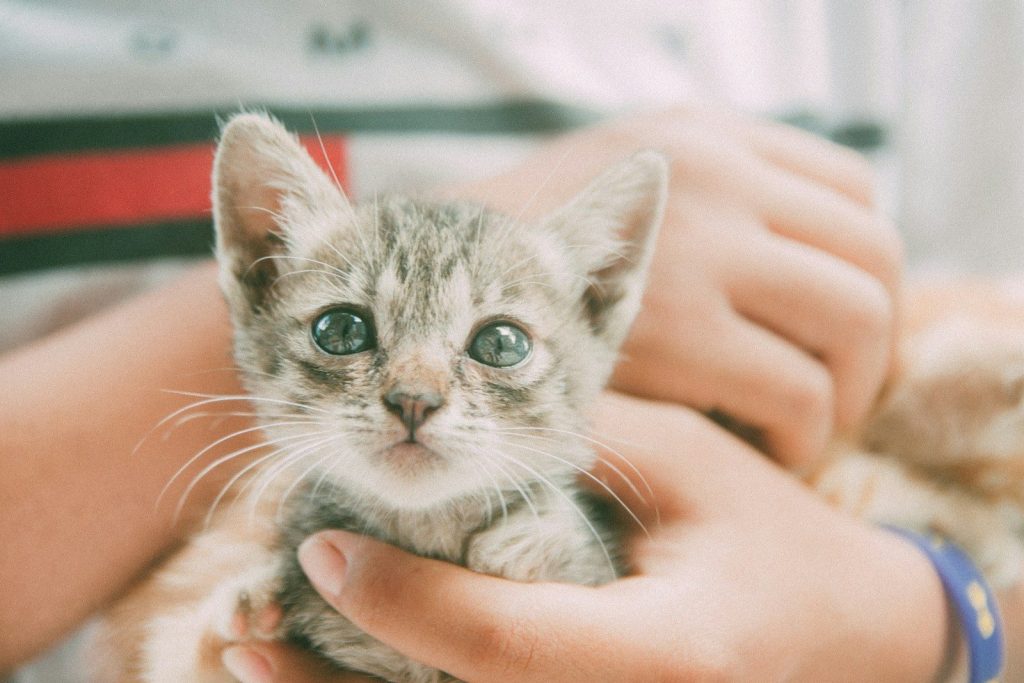
The hardest part of fostering is always the final farewell. Every single kitten eventually leaves the backyard sanctuary to join a permanent home. It hurts. But making space is essential. This transition is the only way to save the next wave of vulnerable street orphans. Before they depart, each baby must pass a crucial health screening.
The vital medical checks for growing felines
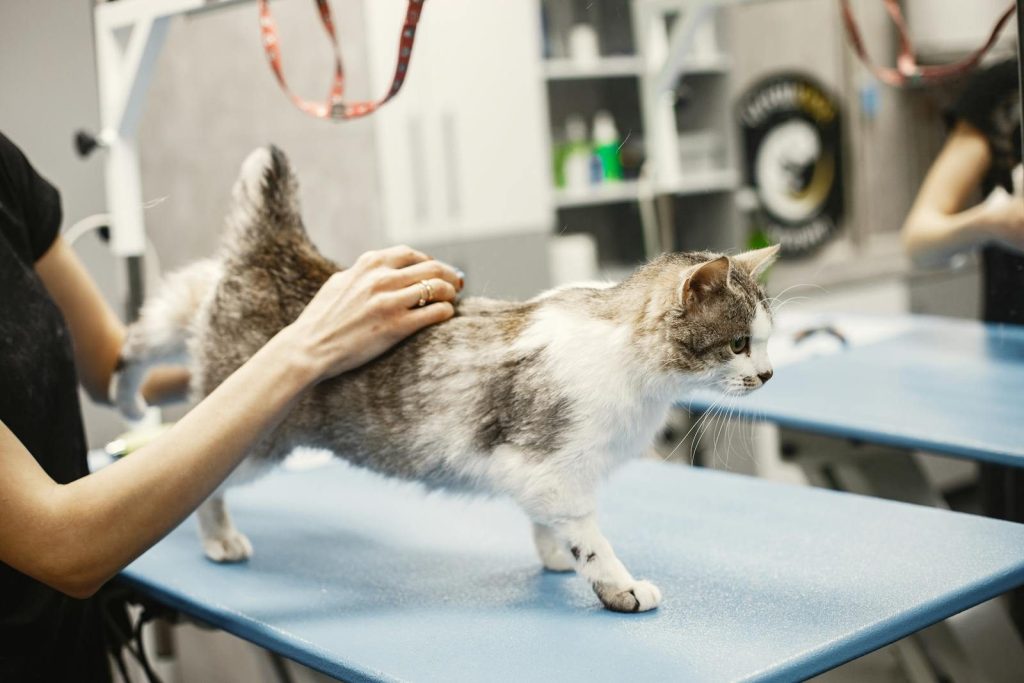
Young animals have fragile immune systems. According to the Cornell Feline Health Center, early vaccinations are critical to protect them from contagious viruses. Rescuers weigh each baby daily. Even a tiny loss in weight can signal a life-threatening illness. This strict medical protocol keeps the nursery thriving. But health is only one part of the puzzle.
How behavior preparation makes them adoptable
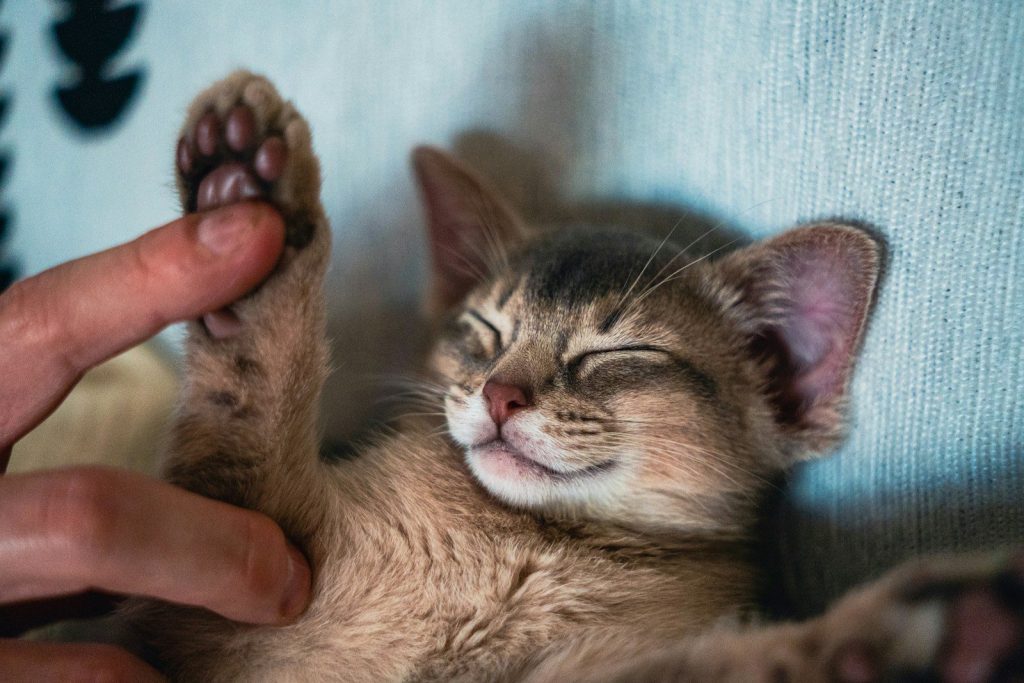
Families look for outgoing companions. To build this trust, the foster dad spends hours cradling each baby individually. He touches their paws. This simple training gets them used to future nail trims and physical exams. It transforms shy rescues into confident lap cats. But running a shelter of this size requires steady community support.
You can support local kitten rescues easily.
This article is for informational purposes only and does not constitute veterinary advice. You do not need to build a backyard cottage to save lives. Donate food. Volunteer. Every small act of kindness helps these fragile felines find safety.
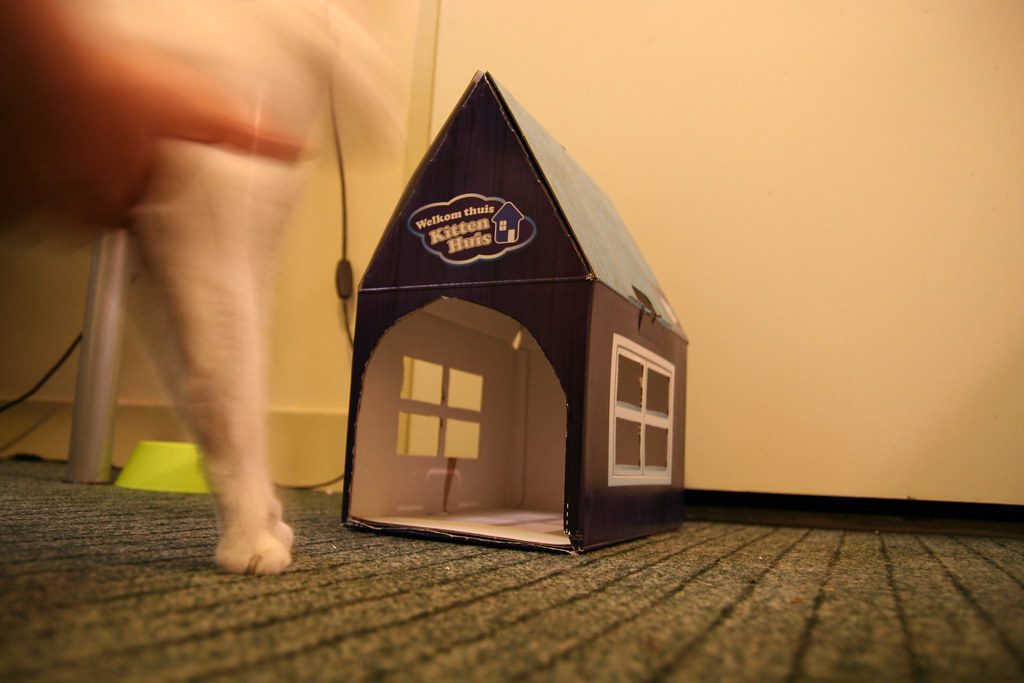
Featured Image: “Welcome home kitten home” by jurjen_nl is licensed under CC BY-NC-ND 2.0