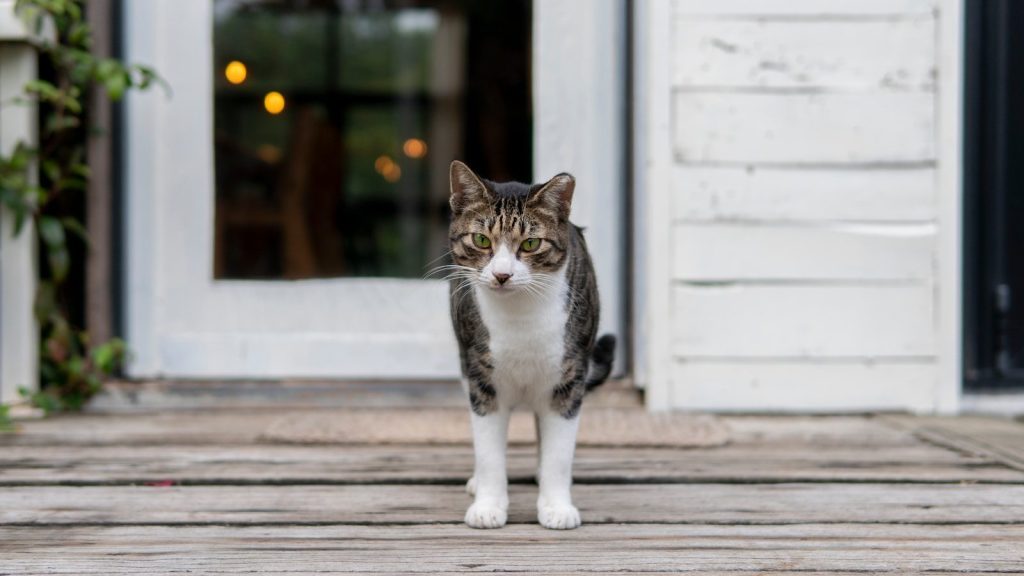

Witnessing a cat with physical challenges can make you feel incredibly sad at first. You might worry about their quality of life.
However, a viral video of a two-legged cat running effortlessly has amazed millions. The science behind how these animals adapt to major physical changes is truly mind-blowing.
The physics of a feline balancing act
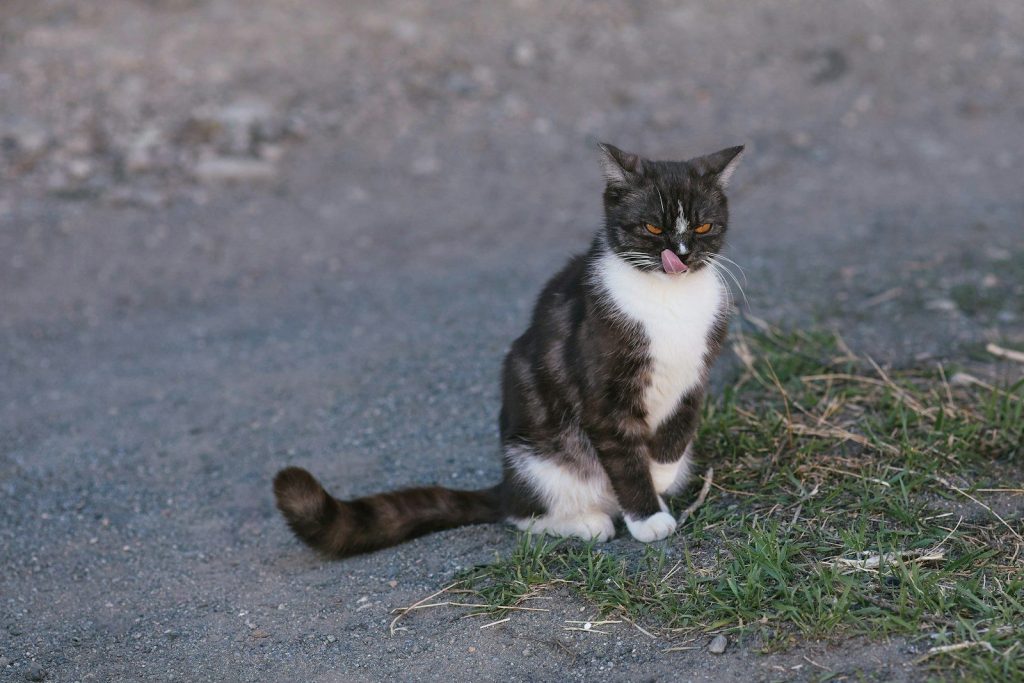
A two-legged cat named Pip does not let his missing limbs slow him down. He leaps onto chairs and chases toys just like any other feline. Watching him move looks almost like magic, but it actually relies on incredible biological mechanics. His body has completely re-engineered its center of gravity to stay upright. Understanding this adaptation reveals how resilient pets can be. But his journey required some serious anatomical shifts.
How muscle memory adapts to limb loss
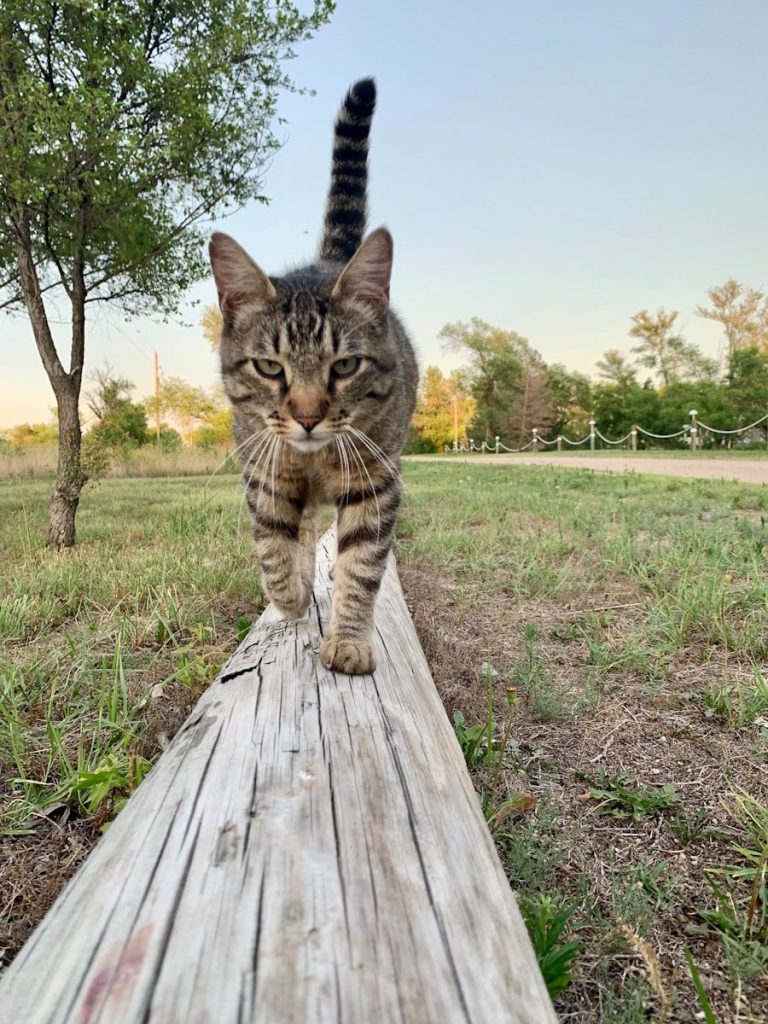
According to a study published in the Journal of Experimental Biology, cats possess an incredibly adaptable musculoskeletal system. When a limb is lost, the remaining muscles quickly hypertrophy to take on the extra load. Pip’s back legs became twice as strong to push his body forward without front support. His spine also curved slightly to absorb the impact of landing. This physical transformation is only the beginning.
Tails on cats act like a tightrope
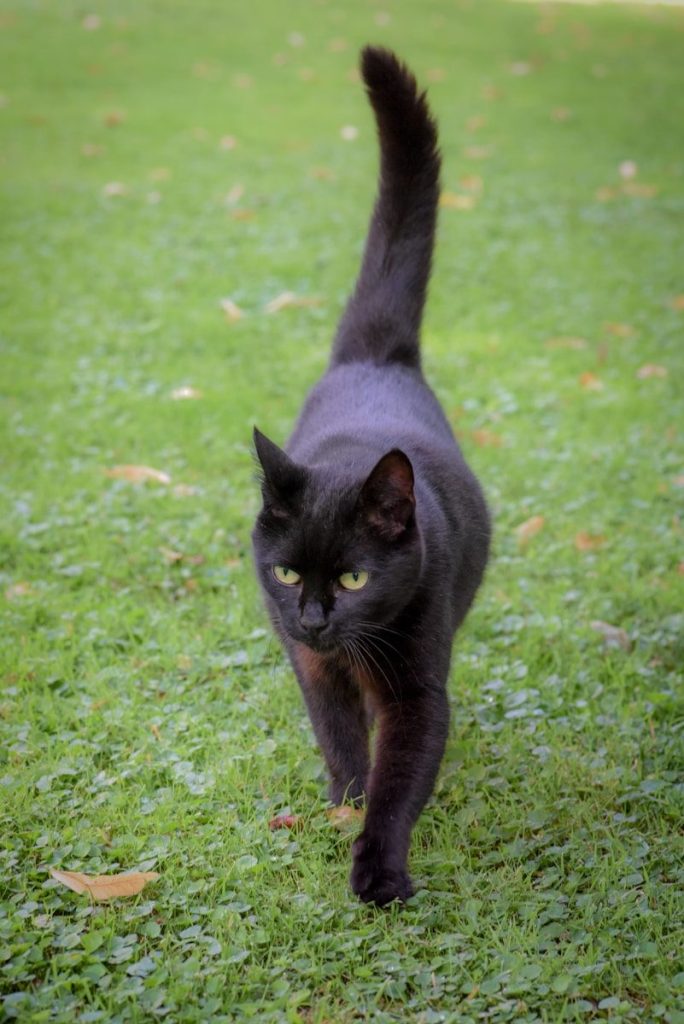
Tails on cats act like a tightrope walker’s balancing pole, shifting weight in mid-air to prevent falls. For two-legged cats, the tail becomes an essential steering tool. They flick it rapidly to adjust their direction while running or jumping. This active stabilization keeps them from tipping over during high-speed chases. This article is for informational purposes only and does not constitute veterinary medical advice. Yet, adaptation still requires human support.
Designing a safe indoor playground
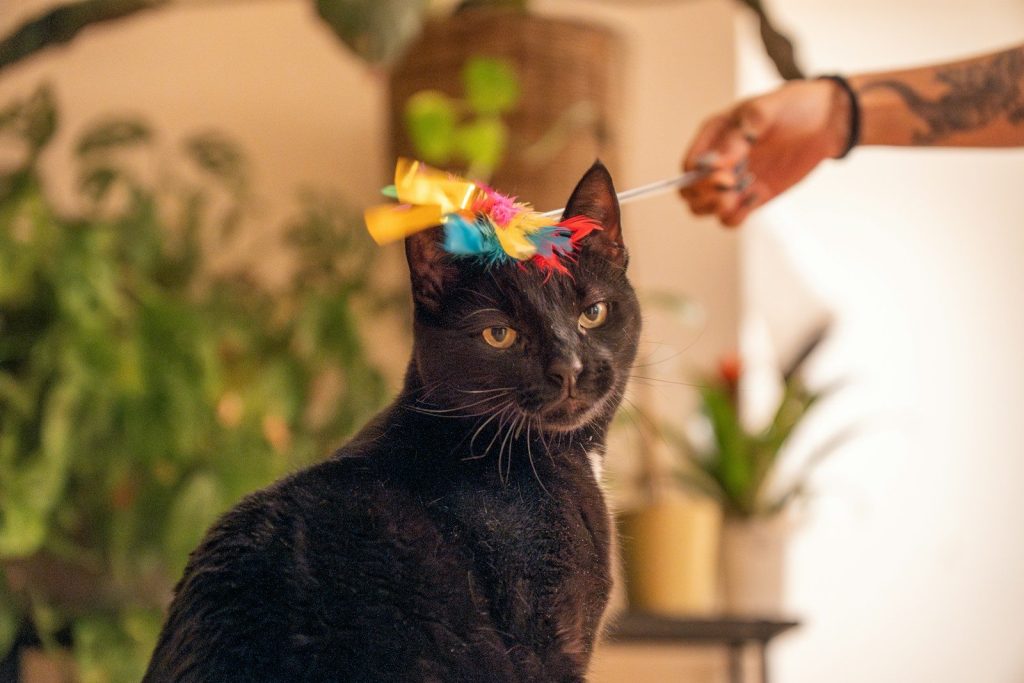
While two-legged cats can move remarkably well, they face unique hazards in a standard home. Hardwood floors can be incredibly slippery, making it difficult for them to grip the ground. Their owners often line high-traffic areas with yoga mats or low carpet runners to provide extra traction. This simple adjustment prevents painful slips and boosts their confidence. But pet owners must also manage their weight with extreme care.
The vital importance of weight management

Extra weight puts immense strain on a disabled cat’s remaining joints, potentially leading to early arthritis. Dr. Jennifer Coates, writing for PetMD, explains that keeping a mobility-challenged pet lean is crucial for their long-term comfort. Owners must measure meals precisely and avoid feeding too many calorie-dense treats. Maintaining a healthy weight keeps their joints functioning smoothly. This care allows them to enjoy a pain-free life. But exercise remains essential.
Gentle exercise to keep muscles strong
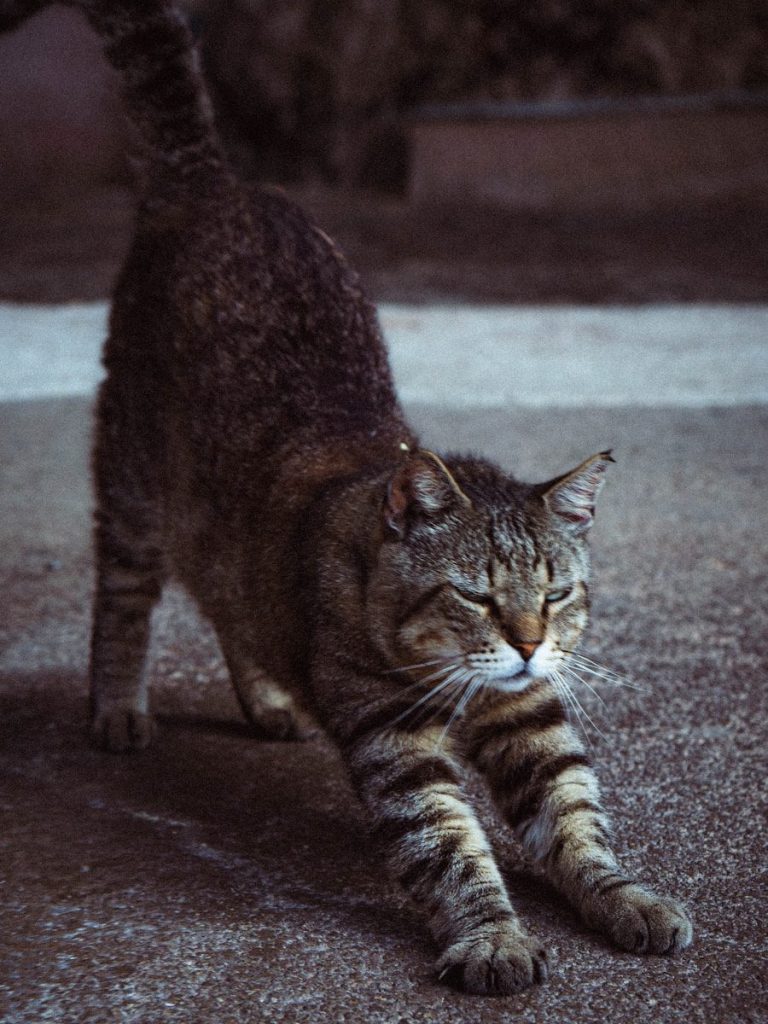
Disabled cats still need daily play to keep their minds sharp and their bodies strong. Feathery wands and light toys encourage them to stretch and move without putting too much stress on their joints. These short, controlled play sessions prevent muscle atrophy and keep their spirits high. It is a beautiful way to bond while supporting their physical therapy. The results of this dedication are truly inspiring to witness.
A shining example of pure feline resilience
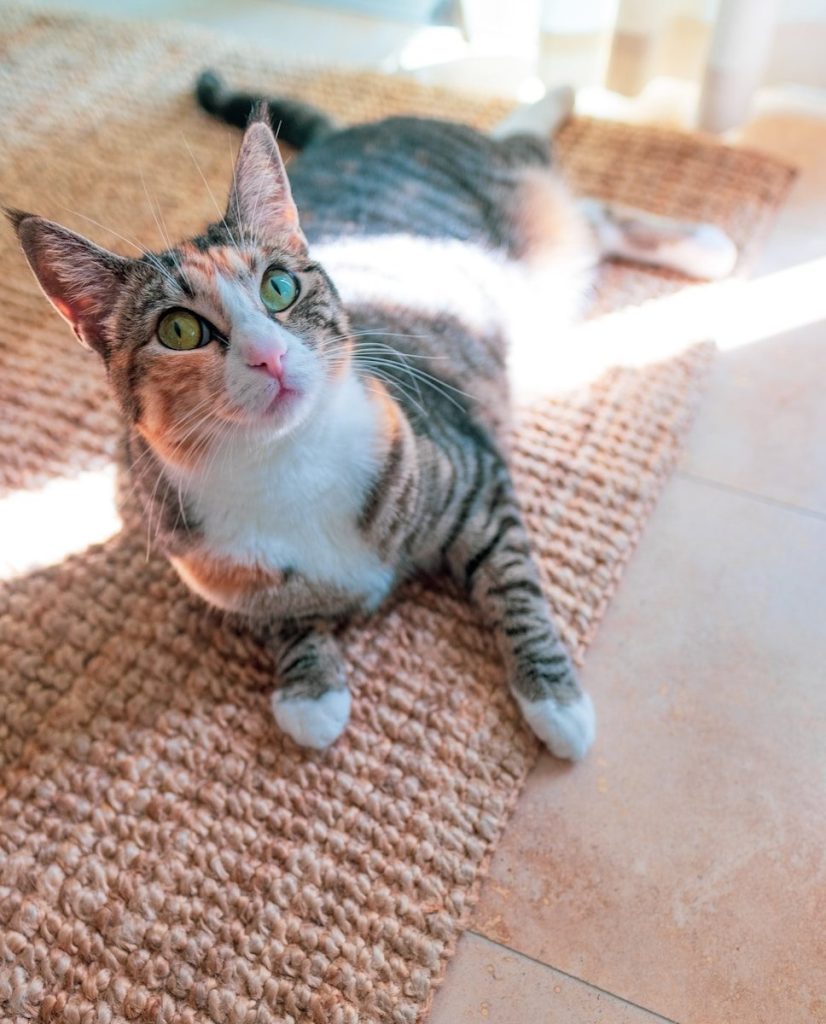
Felines do not waste time feeling sorry for themselves or worrying about what they lack. They simply wake up every day ready to play, adapt, and love. Pip’s joyful attitude reminds pet parents that animals do not let physical limits define their happiness. With a little human support and a lot of love, any pet can live a rich, active, and fulfilling life.
Featured Image: Photo by Ji Seongkwang on Unsplash