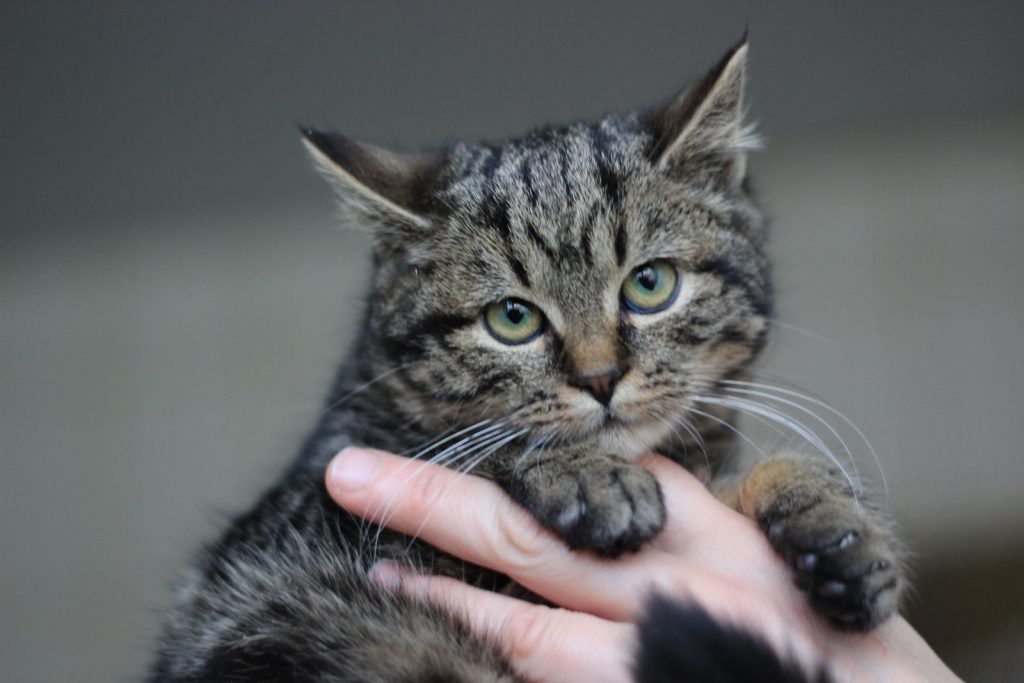

A tiny kitten wraps its paws around your finger and refuses to let go. This sweet behavior looks like a warm hug, but it is actually a vital hunting lesson.
Young felines use touch to explore their new environment and test their boundaries. Learn how to read these playful signals and train your kitten safely today.
The predatory instinct behind tiny kitten play
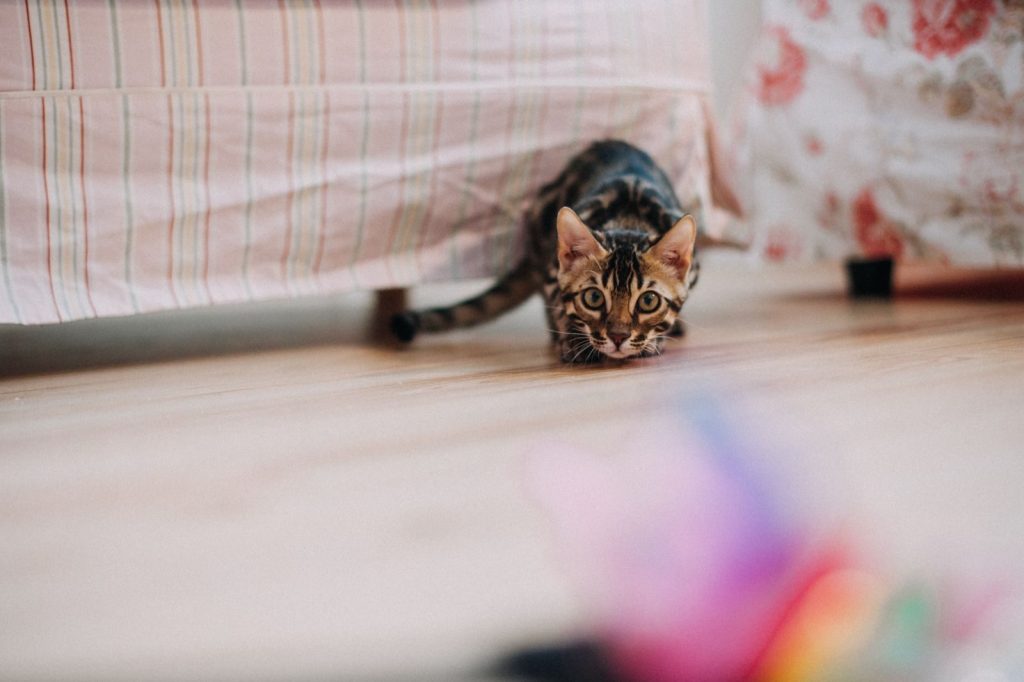
Kittens are born with an innate drive to stalk, catch, and bite moving objects. Grabbing your finger mimics the physical capture of small prey in the wild. According to the ASPCA, this early play teaches them crucial coordination skills. But letting them target your bare hands can lead to a painful adult habit.
Why bare fingers make terrible cat toys
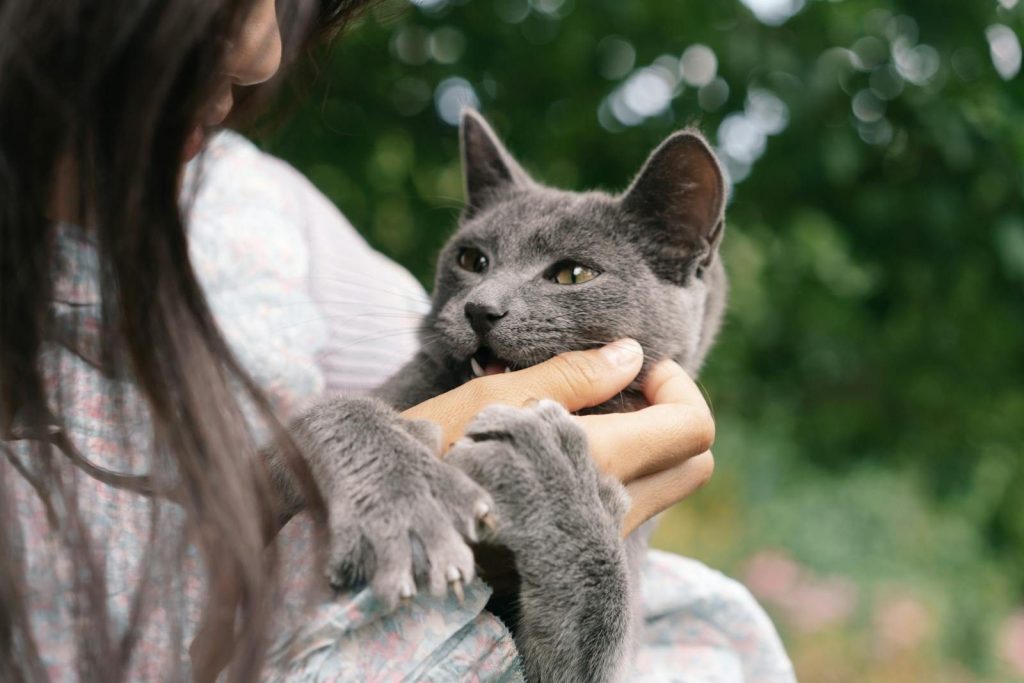
Allowing a young animal to swat at your hands teaches them that human skin is a valid target. As their claws grow sharper, these cute grabs can turn into painful scratches and defensive bites. It is much better to establish clear boundaries early during their development. But how do you stop an excited kitten safely?
Redirecting play aggression onto safe, soft toys
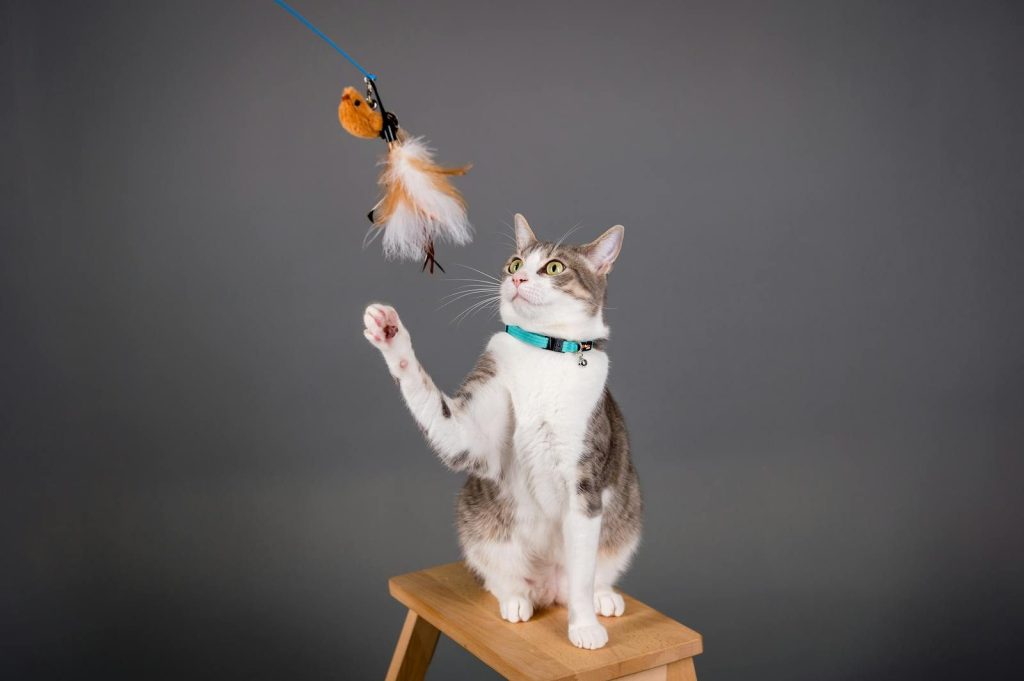
When your pet reaches for your hand, immediately slide a soft kicker toy under their paws instead. This simple redirection satisfies their natural hunting drive while keeping your skin completely clear of harm. Feline trainers at the American Veterinary Medical Association recommend using wand toys for daily exercise. However, there is another reason they grab you.
Seeking comfort and gentle sensory self-soothing
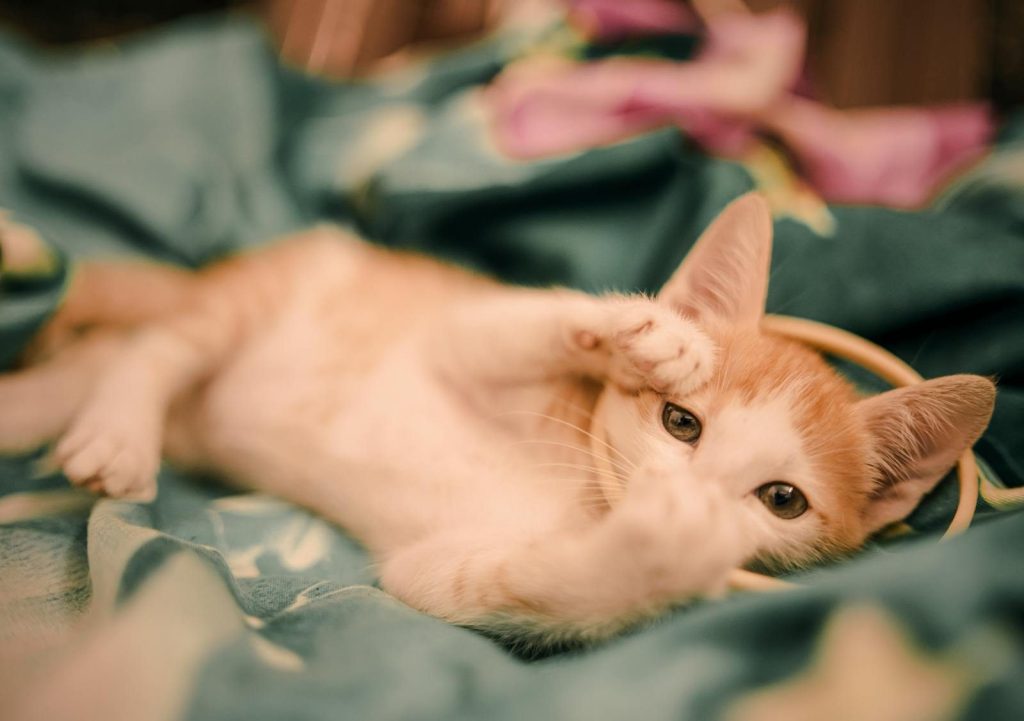
Orphaned kittens often latch onto fingers to mimic the soothing feel of nursing from their mother. This tactile contact helps calm their nervous system and lowers their stress levels. If your kitten shows this behavior, try providing a plush blanket for them to knead. But watch out for signs of overstimulation.
Spotting the subtle physical signs of irritation
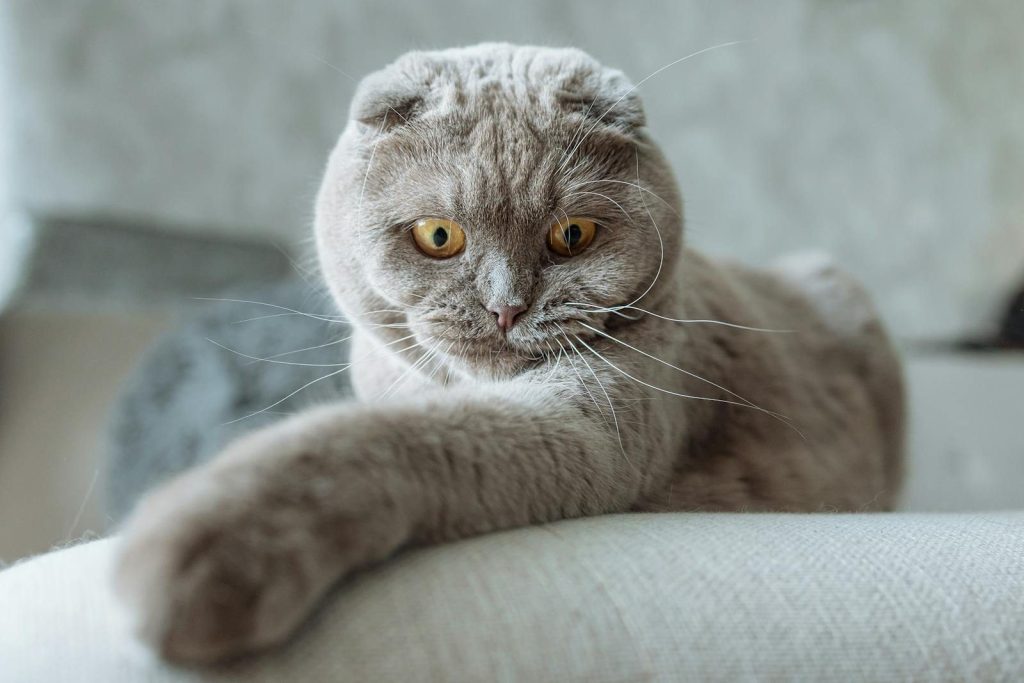
A twitching tail or flat ears indicate that your pet is feeling highly overstimulated from too much physical contact. Stop playing immediately and give them space to calm down in a quiet room. This respectful approach prevents play bites from turning into defensive aggression. Yet constant play remains crucial for their health.
Providing daily active exercise keeps them calm.
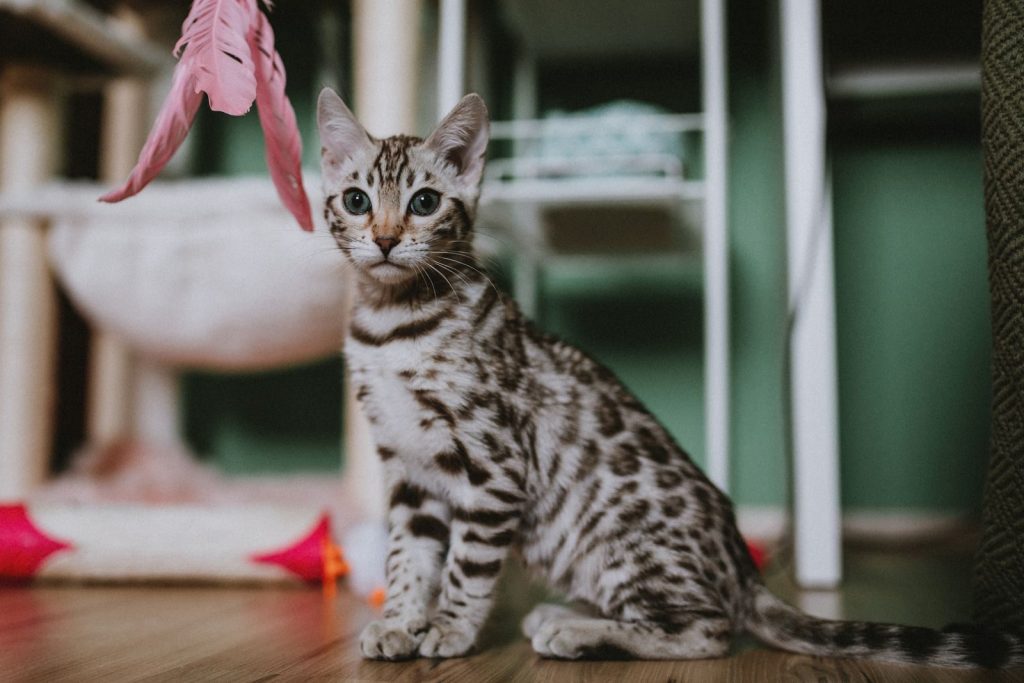
Plan fifteen minutes of intense wand play every evening before you feed them dinner. This natural cycle of hunting, eating, and grooming helps your pet sleep peacefully through the long night. Healthy stimulation reduces destructive household behaviors naturally. But consistent training is the true key to a happy pet.
Establishing clear household rules from day one
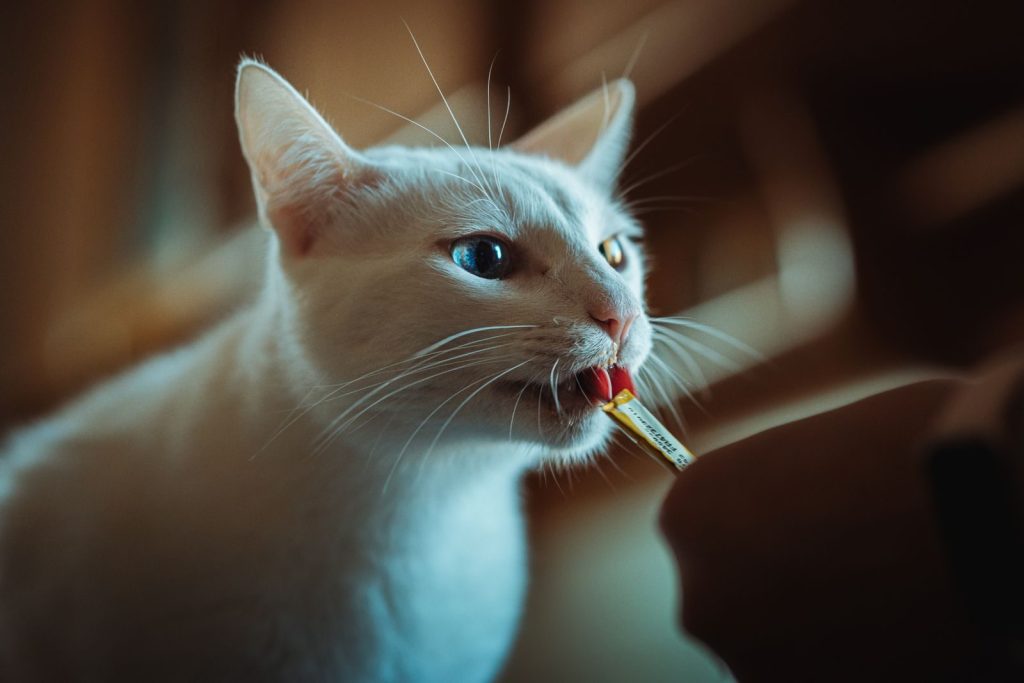
Never yell or spray water at a playing kitten, as this only teaches them to fear your presence. Use positive reinforcement and redirect their focus to encourage good habits. This article is for informational purposes only and does not constitute veterinary advice. Your gentle guidance shapes their beautiful adult personality.
Enjoying a peaceful and happy home together
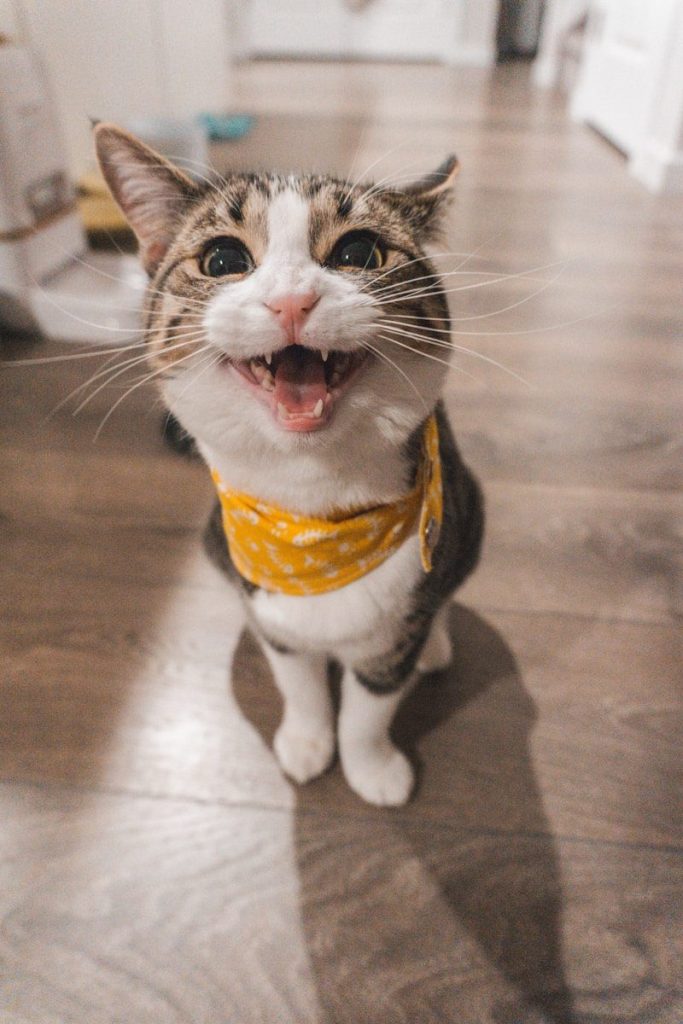
Watching your little companion learn and grow is a truly rewarding parenting experience. With patience and consistent play boundaries, you will build a beautiful bond built on absolute trust.
Featured Image: Photo by Natalia Sevruk on Pexels