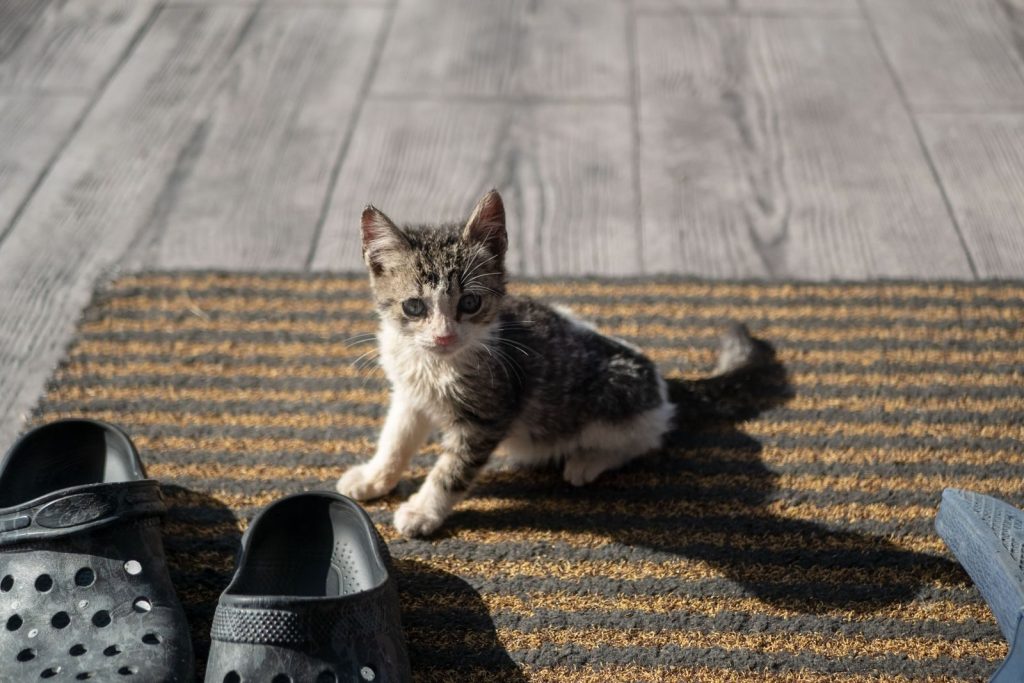

A tiny baby crawls slowly across the living room rug. Sitting near the couch is a young gray kitten waiting quietly. What happens next when their paths cross reveals a beautiful biological secret of young development.
Many pet parents worry about introducing infants to companion animals. But developmental science shows this early contact can shape their emotional health for years. Discover why these two distinct worlds connect so deeply from the very first touch.
The power of young sensory development
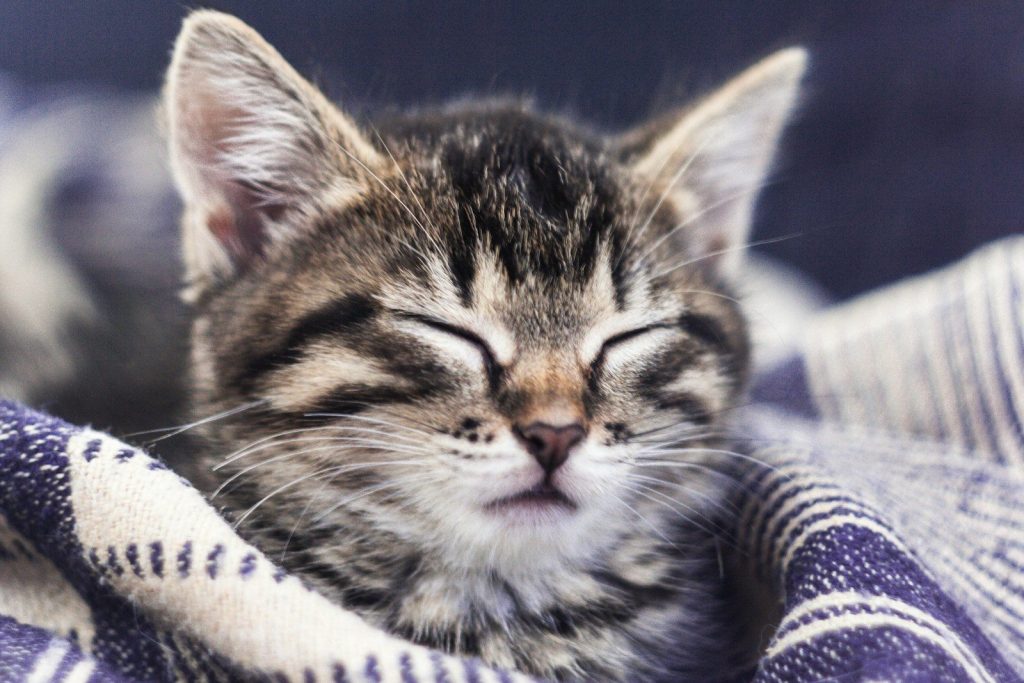
Both human infants and young kittens experience the world primarily through touch and sound. When they interact, their brains register this gentle sensory feedback as a soothing comfort. According to the American Academy of Pediatrics, early contact with pets can build emotional maturity and empathy in young kids. But this sensory bond depends heavily on one specific physical signal.
Mirroring the soft movements of play

Kittens and babies naturally move in slow and curious ways. Unlike active adults, their physical pacing matches perfectly, which prevents them from scaring each other. Feline behavior experts note that kittens feel less threatened by babies who are still learning to crawl. Yet, this shared rhythm can change instantly depending on how the baby reaches out.
Developing a unique cross-species language
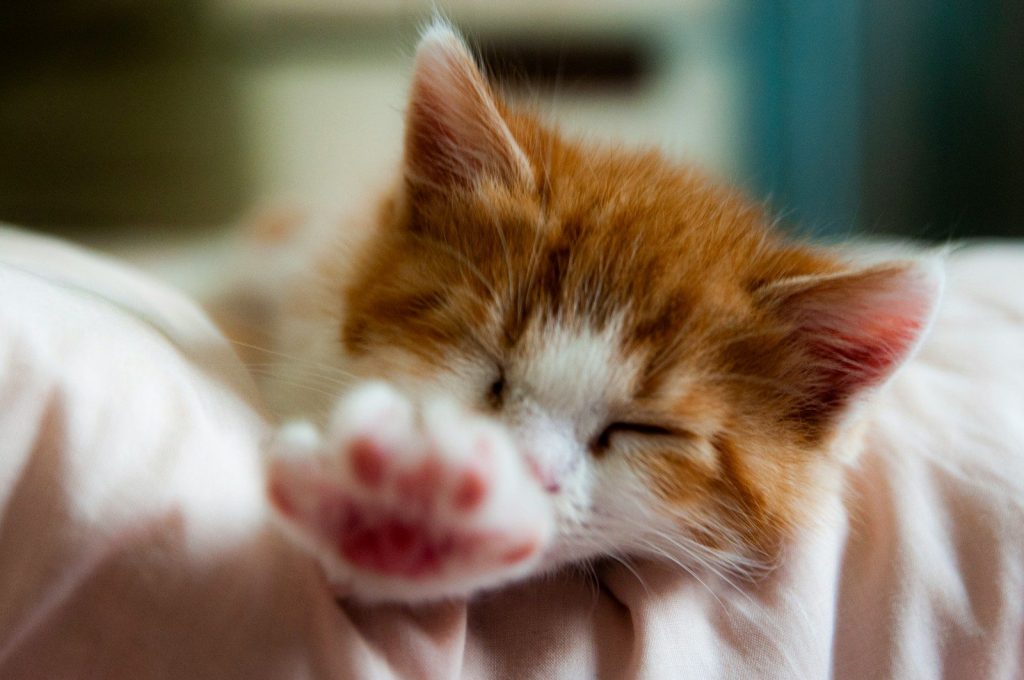
Young animals learn to read human body signals much faster than we realize. A gentle tap of a baby’s hand on a soft paw creates a positive neurochemical reward for both creatures. Researchers call this a shared silent vocabulary that builds safety and trust. However, a major hidden hazard can easily disrupt this beautiful connection.
Setting up necessary boundaries at home
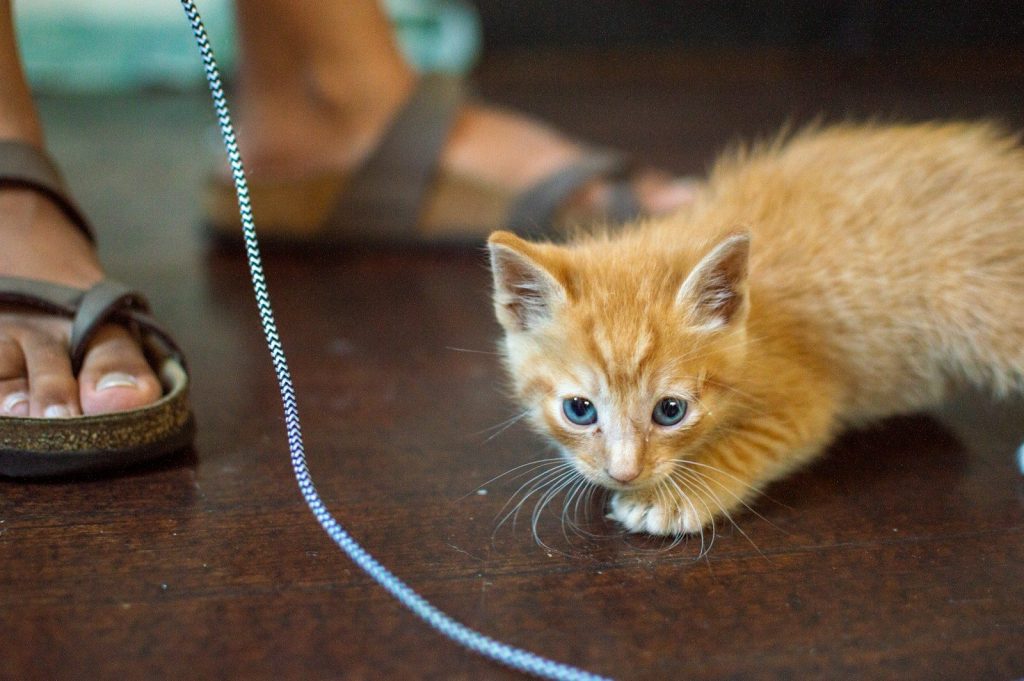
Very young children do not understand their own physical strength. They can accidentally pull tails or squeeze small bodies too tightly, triggering a defensive scratch. The American Veterinary Medical Association highly recommends constant adult supervision during every interaction to ensure safety. Fortunately, you can prepare your animal for these unpredictable movements with a simple training trick.
Using positive association for young pets
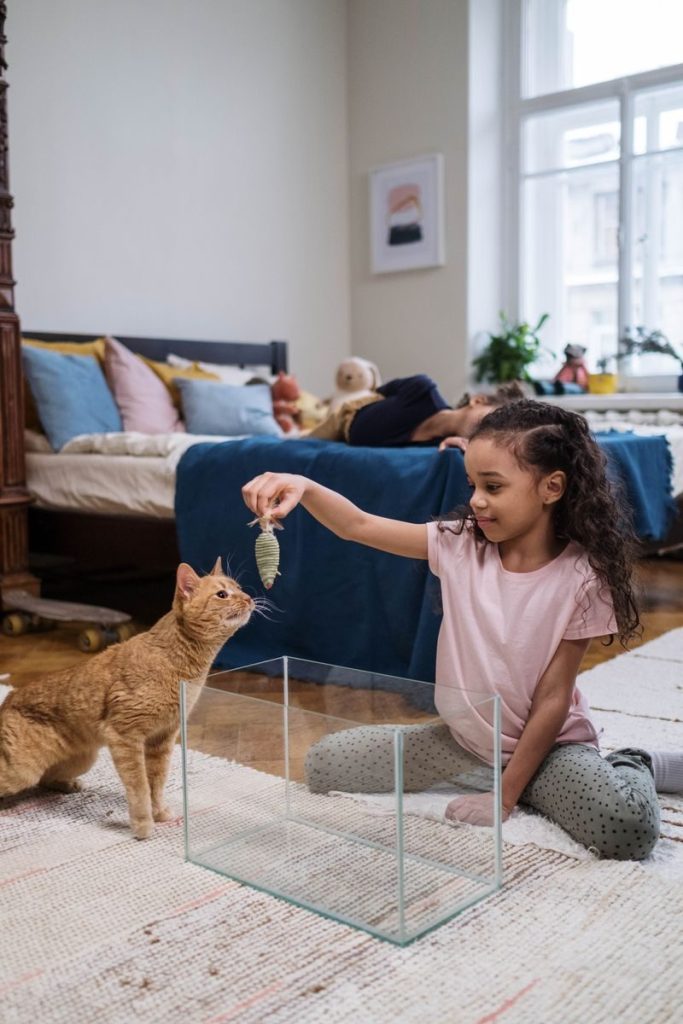
Give your kitten high-value treats whenever the baby is in the room. This simple daily habit teaches their brain to expect happiness and safety when the child approaches. Over time, even a naturally nervous animal will learn to run toward the baby for comfort. But another silent benefit of this relationship is hiding inside their developing bodies.
Building a stronger immune system naturally
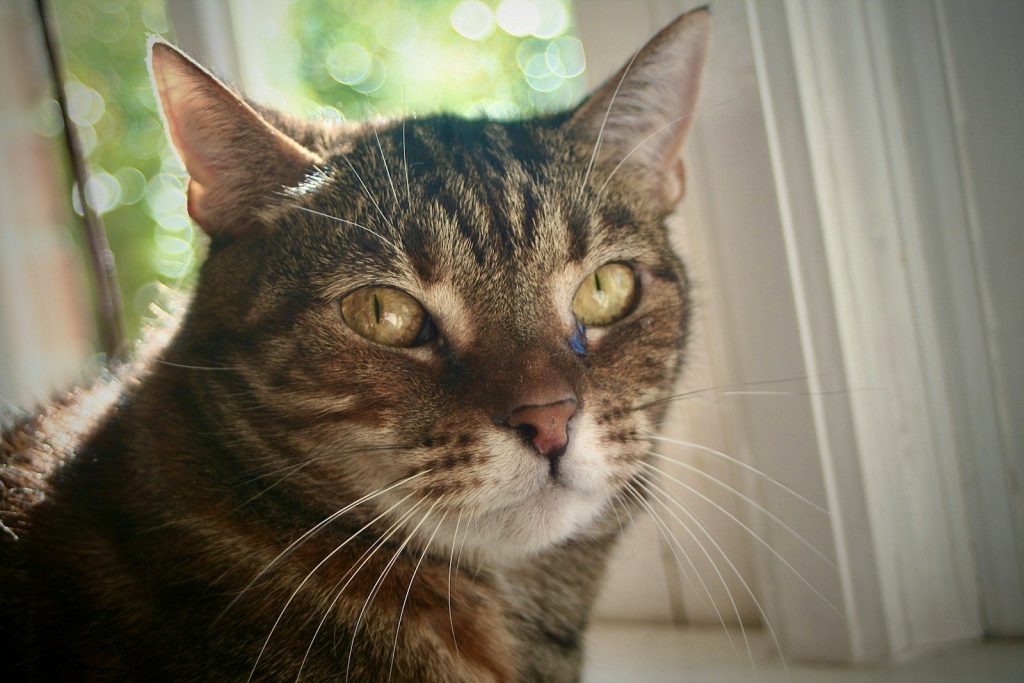
Growing up around xcats actually protects young kids from developing chronic allergies. According to a study published in the journal Pediatrics, early pet exposure reduces childhood asthma rates significantly. The natural dander helps train a child’s immune system to react normally to environmental triggers. Still, there is an emotional side to this bonding that science is just beginning to understand.
Creating a lifelong source of comfort
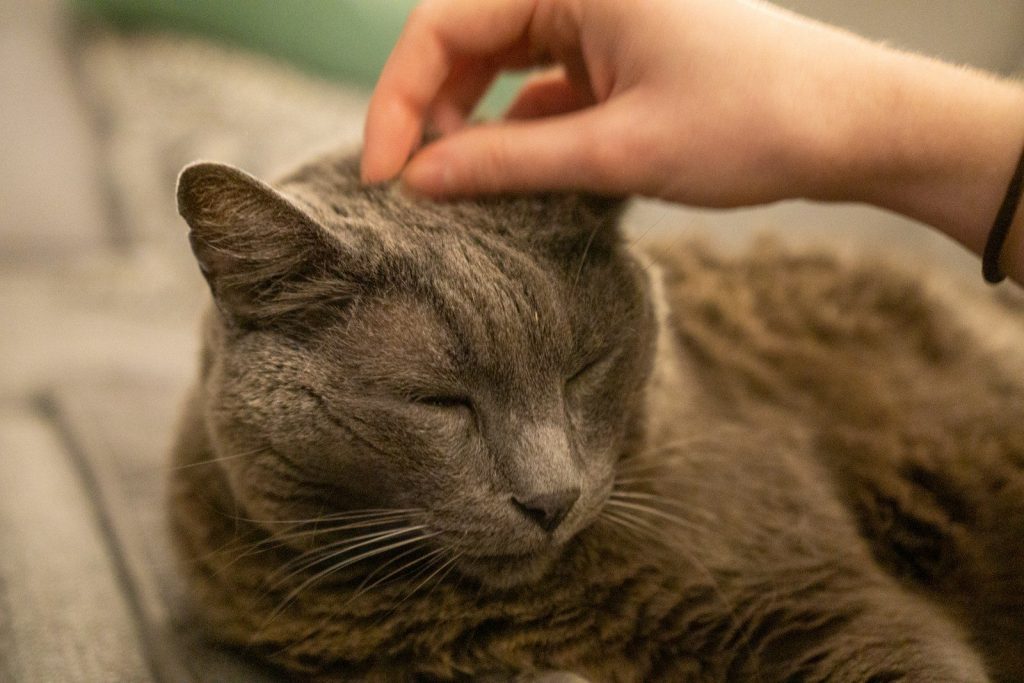
Children who bond with kittens often show much lower stress levels during difficult school years. The simple act of stroking soft fur lowers blood pressure and releases happy hormones. This unique companion becomes a trusted listener who never judges or speaks back. But how do you ensure this deep childhood friendship continues to grow safely as they get older?
Cultivating respect for all living things
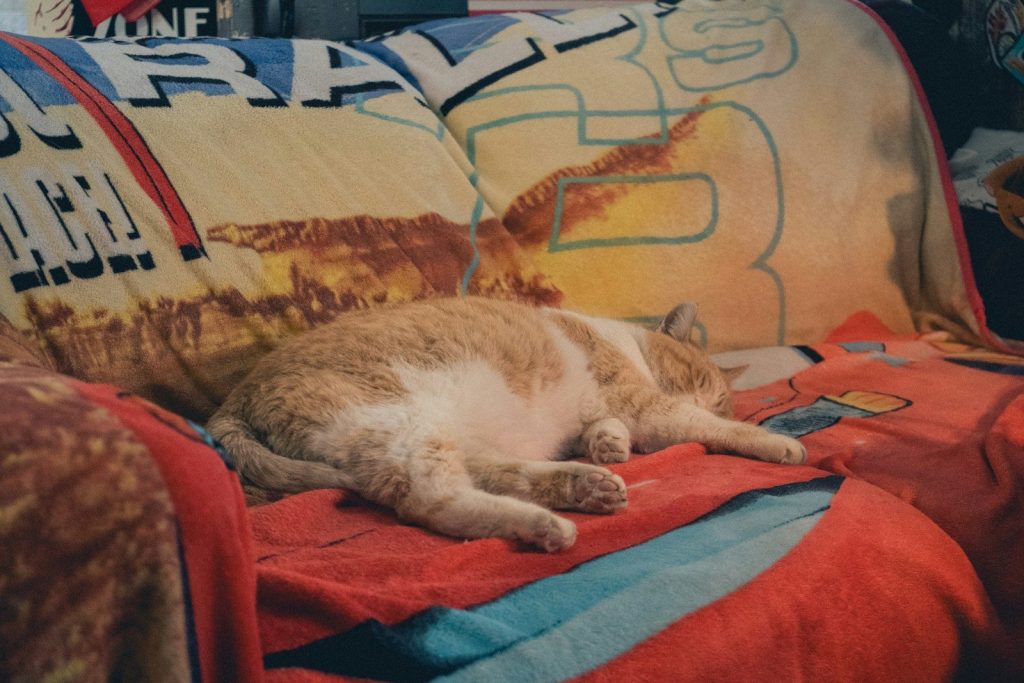
Teaching your child to respect feline body language ensures a peaceful household for life. Simple lessons in gentleness create a solid foundation of kindness that benefits the entire community. This article is for informational purposes only and does not constitute veterinary advice. Watching a baby and a kitten grow up together is a beautiful journey that shapes their hearts forever.
Featured Image: Photo by Cristi Neagu on Pexels